



Video games are the fastest-growing sector in the entertainment industry, as technological advancements continue to enhance the game-playing experience. Innovations in PC, console, and smartphone gaming are continuously attracting new players, with a report on the global number of gamers on Statista showing that the number will increase by 0.4 billion users (+15.5%) between 2024 and 2029 for an estimated peak of 3.02 billion users. Popular online games like World of Warcraft have between 7 and 8 million players every month, while Call of Duty Warzone peaked at 138,000 concurrent players on the PC in 2025. Video games are always growing and expanding, as demonstrated by the World of Warcraft mobile game, and the need to be able to effectively store and manage data is essential to the running and success of the game. This is why many use data management systems that are designed to handle the data demands of a video game. One such database that is being increasingly used is the document database.
What is a Document Database?
A document database is a type of NoSQL database that stores data on flexible documents rather than fixed rows and columns like more traditional databases. A document typically stores information about one object and any of its related metadata in field-value pairs. This allows for the easy sorting and management of different types of data, from text and images to video and audio files. The document databases on MongoDB show how this type of data storage offers a variety of advantages. These include being an intuitive data model that is fast and easy for developers to work with, providing a flexible schema that allows for the data model to evolve as application needs change, and giving developers the ability to horizontally scale out. These advantages have made document databases the most popular alternative to relational databases, especially for operations that require the handling and sorting of large and varied datasets, such as video game management.
Why Video Games Use Document Databases
Flexibility
A video game has to store a vast amount of different data. Player information and in-game multimedia, asset management, and game state data all require different data storage requirements. The flexible schema of a document database allows all of this data to be stored and easily accessed in one database.
Scalability
New video games are getting bigger every year, and many current titles are also growing as they attract new players. A document database is able to scale seamlessly through horizontal scaling. This is where the database can expand by adding nodes or servers rather than requiring new hardware. This is especially vital for gaming platforms like Roblox, which saw a 25% increase in the number of players in 2025 compared to the same time in 2024. A document database can handle these numbers without any dip in performance.
Performance
Modern video games are constantly pushing the boundaries in terms of size, detail, and player options. Game developers need a database system that can handle these demands without issue. An article on how gaming is being reinvented using MongoDB details how the data management system uses document-level concurrency control to give game developers performance advantages. This is done through supporting tens of thousands of operations per second, with a 70:30 read/write ratio. As a result, the developers can modify different documents of a collection at the same time, ensuring that they can continuously meet the data demands of the biggest games.
How Video Games Use Document Databases
Player Data Storage and Management
Document databases are mainly used by video games to store player data. With most games either having an online version or being fully online, video games need to store a wide amount of personal information. This includes personal details, such as payment methods, player in-game achievements, and player purchases. In online multiplayer games, document databases will synchronize the game across different players' devices. The ability of a video to effectively store and manage player data is one of the most important aspects of game development, which is why choosing the right database is so important.
In Game Management
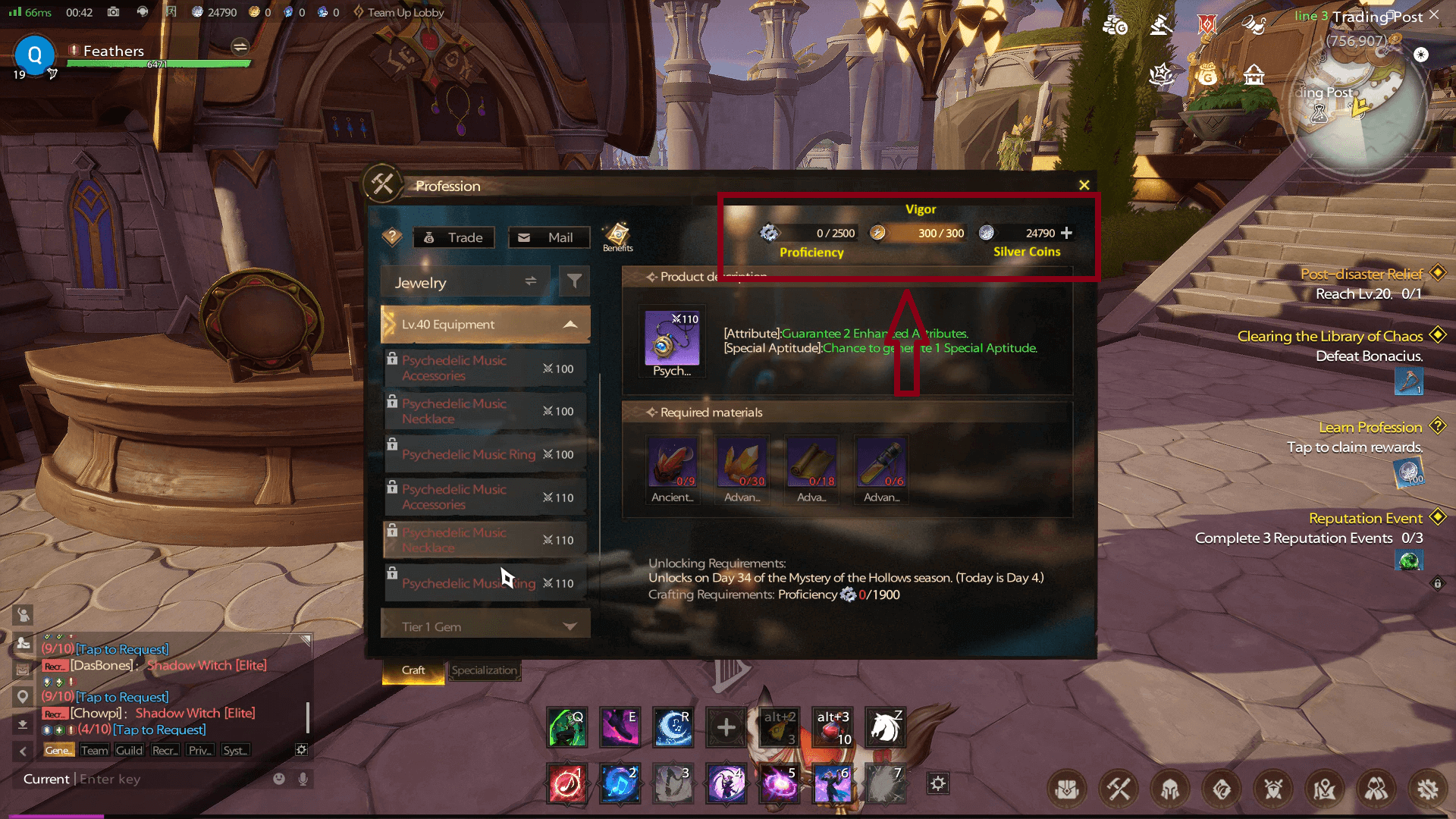
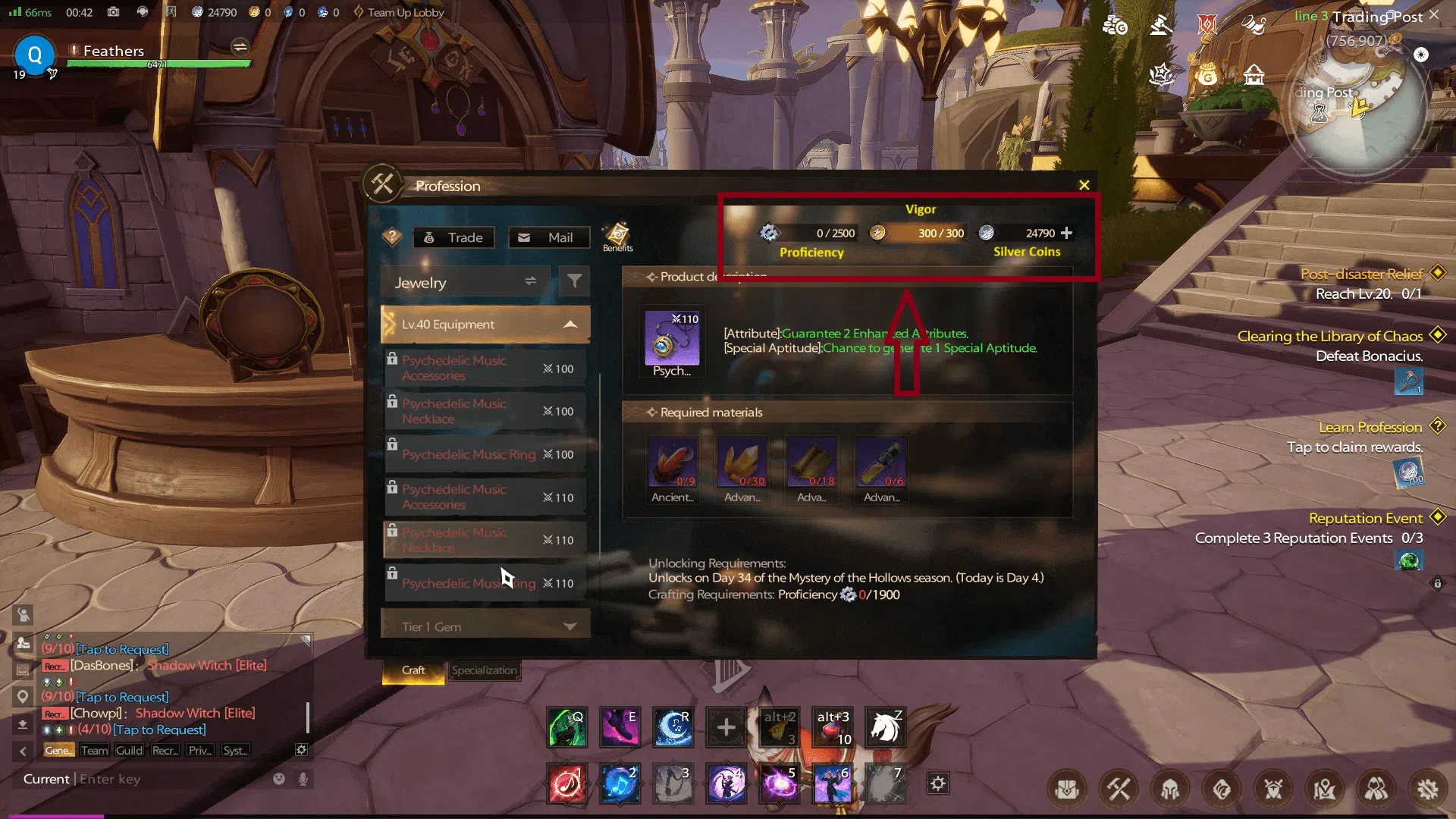
A video game is made up of a multitude of different datapoints. These can range from the environments to the non-playable characters that populate the game. Every aspect of the game needs to be stored in a database so that it can be employed when needed. For example, the in-game economy of Tarisland, which allows players to make silver and gold coins, requires a database where every detail related to these coins is stored. The way document databases store vast amounts of information in field-value pairs allows the game to manage these in-game items and store information on their attributes, effects, and relationships.
As video games get bigger and the number of players grows, game developers will increasingly turn to document databases to store and manage data.