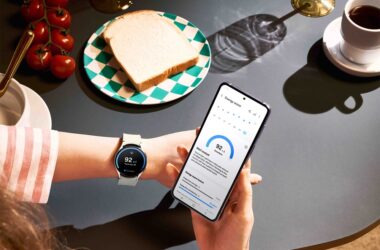



Put the Galaxy S26 Ultra in someone's hands, and the message lands immediately: this is a phone that does not hold back. Samsung built it for the person who wants the biggest, sharpest screen available. For the user who runs demanding apps without flinching. For the photographer who needs a zoom that rivals dedicated glass. The S Pen still lives here, a quiet flex that no competitor has seriously challenged. Fast charging fills it up in minutes, and the multitasking features make it feel closer to a laptop than a phone.
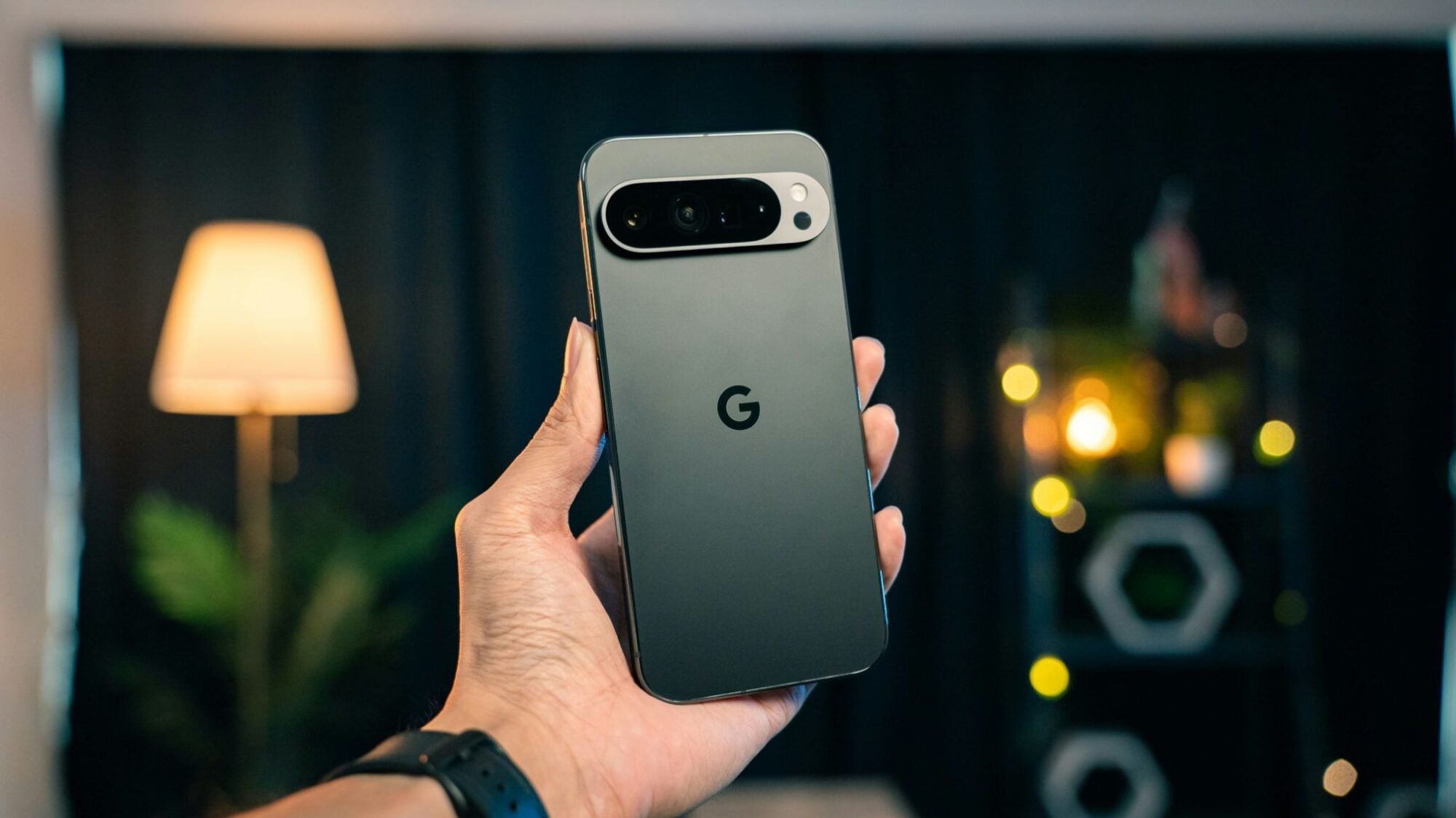
Compared to the Pixel 11 Pro's more restrained approach, the S26 Ultra is Samsung planting a flag and daring the market to keep up. Google’s Pixel 11 Pro moves with a different philosophy. Rather than pushing every hardware specification to the limit, Google focuses more on software intelligence and AI integration. Features tied to voice recognition, image editing, photography processing, search, and smart organization continue to define the Pixel identity.
Processor Performance
The processor gap between these two phones is where the comparison becomes most concrete. The Galaxy S26 Ultra runs on the Snapdragon 8 Elite Gen 5 for Galaxy, a 3nm chip built for raw speed, heavy graphics, AI processing, and workloads that do not let up. In benchmarks, gaming, multitasking, and any app that demands serious performance, it is expected to run ahead of what the Pixel 11 Pro can offer. Google's phone is expected to ship with the Tensor G6, a chip that has never been designed to beat Snapdragon silicon in pure CPU or GPU terms. What it is designed for is different.
AI features, camera processing, speech recognition, translation, call screening, and the kind of intelligent everyday functions that make a phone feel genuinely useful without drawing attention to themselves. The Pixel 11 Pro should feel responsive in normal use. It just may not be the right tool if you regularly push your phone to its limits. Gaming makes that distinction obvious. A demanding mobile title with high settings, long sessions, and stable frame rates will expose the difference between the two chips.
The S26 Ultra handles that kind of load more comfortably. The same applies across online casino titles and live dealer games generally, whether you are playing in high resolution, playing competitive titles, or using the top 10 casino online platforms for mobile players. Loading times, animation smoothness, payment security, and overall responsiveness all sit closer to the ceiling on Samsung's hardware.
For raw performance, the Galaxy S26 Ultra wins. For AI-driven everyday use, the Pixel 11 Pro remains a serious option.
Cameras
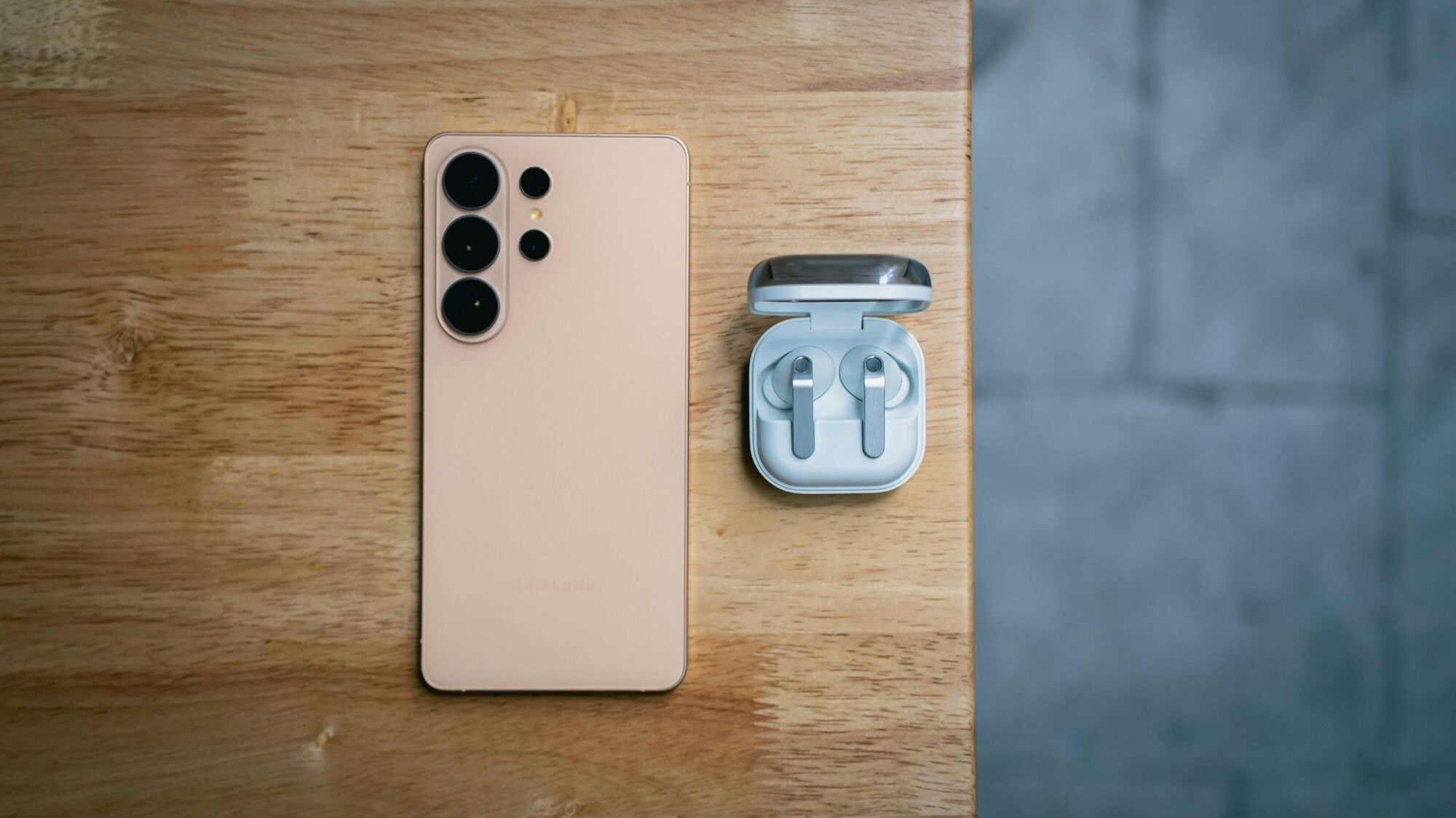
Camera hardware is where the Galaxy S26 Ultra makes its most obvious case. The expected setup of a 200MP main sensor, ultrawide lens, 3x telephoto, and 5x periscope zoom gives it the range to handle landscapes, travel, wildlife, concerts, and anything else where you need to reach further than your feet will take you. Samsung Ultra phones have always been stronger on zoom and video, and the S26 Ultra is expected to continue that tradition with more focal lengths, more shooting modes, and more hardware to work with. If you enjoy the process of taking photos rather than just pointing and hoping.
The Pixel 11 Pro approaches cameras from a different angle. Google's strength has always been computational photography, producing shots that look natural and balanced without the person behind the camera having to adjust anything. Lifelike colours, solid dynamic range, strong low-light results, and the kind of reliability that means you get the picture on the first try. The AI editing tools in Google Photos handle the rest afterward.
Samsung wins on zoom range, video strength, and hardware variety. Pixel wins on natural results, ease of use, and intelligent editing after the fact.
AI Features
AI is now at the center of any flagship phone, and both of these devices will come loaded with it. The Pixel 11 Pro is expected to go deeper with Google AI and Gemini baked into the whole experience. That could mean better voice assistance, smarter photo search, call screening, live translation, summaries, writing help, and contextual nudges across Google apps.
This is where the Pixel might just feel more intelligent in your day-to-day use. Google owns Android, Search, Photos, Gmail, Maps, and Gemini, so its AI features can feel threaded together across the phone instead of sitting in separate silos.
The Galaxy S26 Ultra already has mature Galaxy AI tools. Translation, transcription, photo editing, note summaries, cross-app actions, and productivity features tied to the S Pen all help Samsung’s AI approach feel useful for work, multitasking, and keeping your content organized.
The Pixel is probably better for natural AI assistance that follows you around. Samsung is better for AI that helps you get things done.