



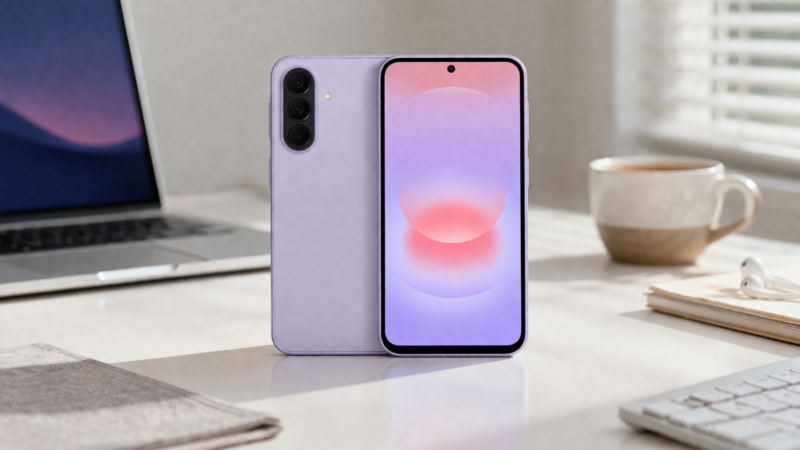
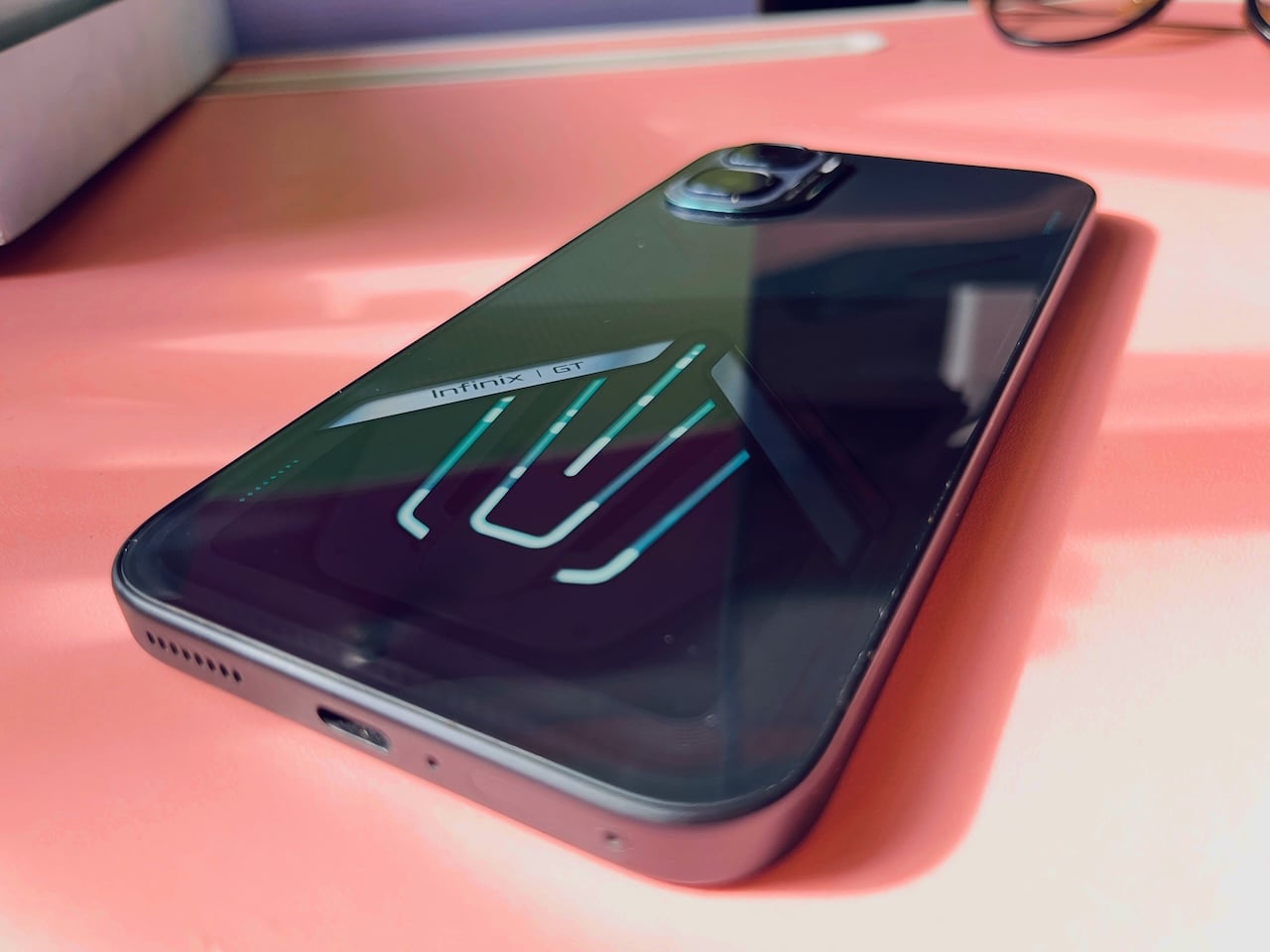
Liquid cooling is something I didn't notice too much this year until I got the Infinix GT 50 Pro. Now, I'm seeing it everywhere I turn. In the latest corner, Samsung Electronics is taking its phone temperatures more seriously this year.
According to South Korean Media outlet, Sisa Journal e, the smartphone maker is reportedly considering an active cooling system for its next-generation Galaxy smartphones. The company has already formed a dedicated research organization for active cooling systems at its Production Technology Research Institute.
Samsung is all about cooling down its Galaxy
Phones that run hot cannot sustain their peak performance. Hence, they throttle to prevent damage or instability. The hotter the chip runs, the more aggressively it throttles, and the more the real-world performance strays from the advertised numbers.
Samsung is familiar with the concept as their Galaxy S22 series became the center of a major controversy in 2022. It was revealed that Samsung's Game Optimization Service was secretly capping the performance of thousands of apps to control heat output.
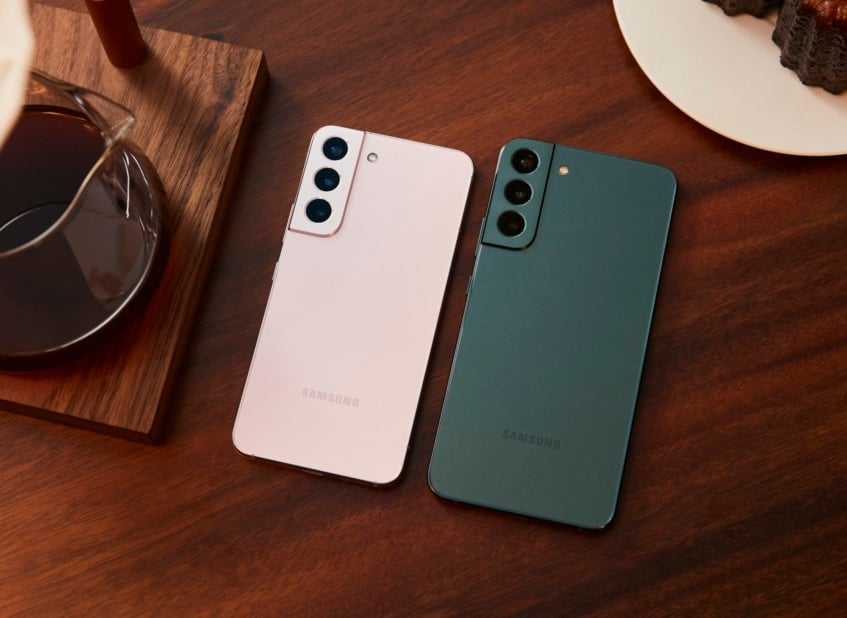
The fallout was big enough that Samsung had to issue a public response and update the GOS system. They have since been working on passive cooling improvements. They mostly use materials and designs inside the phone that spread heat around more efficiently.
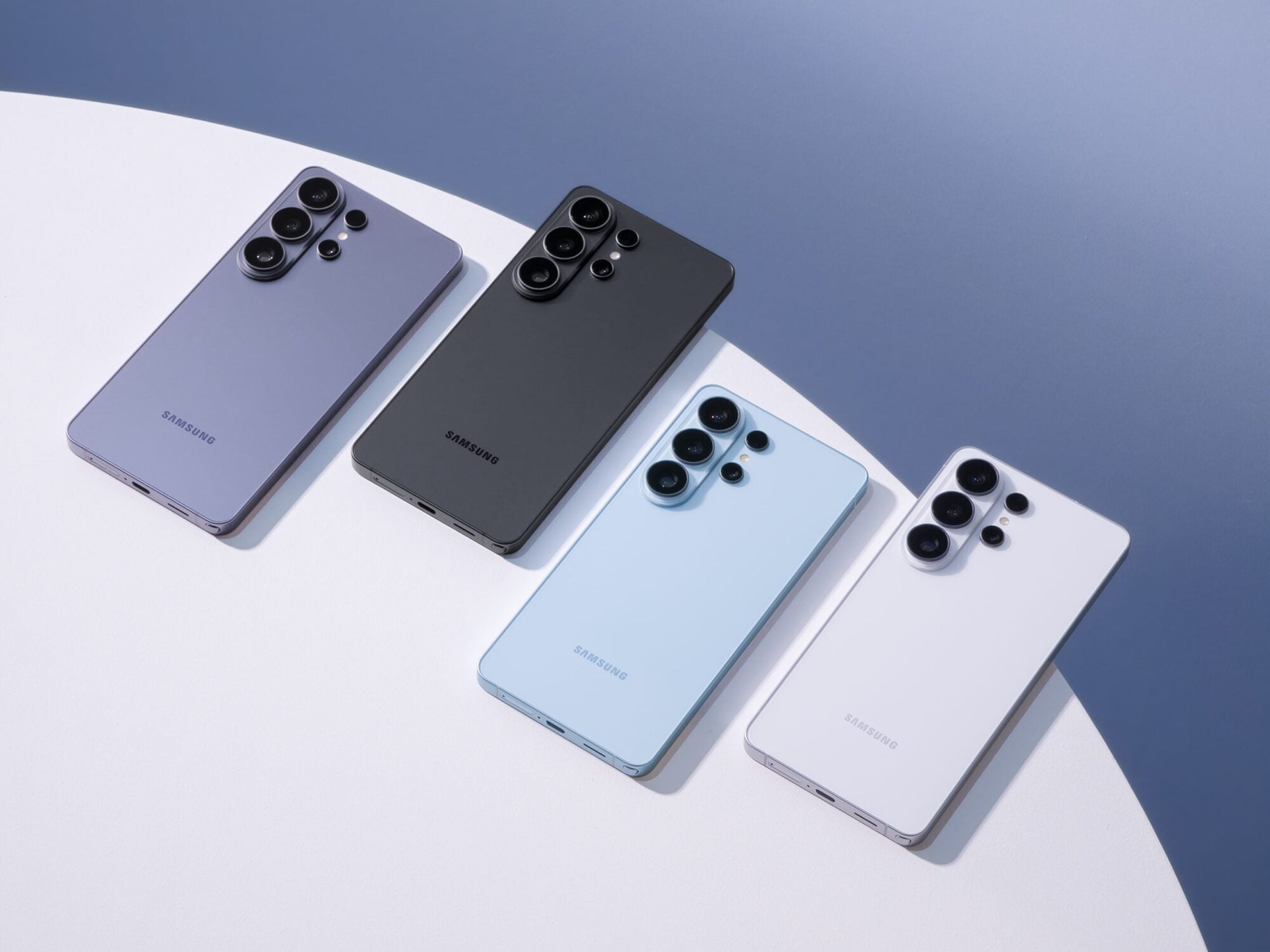
The Exynos 2600 chip in the S26 introduced Heat Pass Block, which improved heat transfer through the chip stack by adding copper-based thermal components. It reduced thermal resistance by up to 16% compared with its predecessor. Samsung also continued expanding vapor chamber coverage and Thermal Interface Material use in the series.
More recently, they're researching liquid cooling, a system where sealed liquid circulates inside the phone and absorbs heat from the processor. Then it carries it away and cycles back. This technique is the second of two active cooling approaches in the industry, the first being air cooling using a small built-in fan.
Air cooling is not an option
Samsung's lead researcher Park Min has made it clear that the company is ruling out air cooling, even though many Chinese manufacturers are using it. Nubia, Oppo, and Vivo have already shipped fan-based cooling in their gaming-focused phones.
Nubia, in particular, is a subsidiary of ZTE and was among the earliest to adopt the system. They used a dual system that combined an internal cooling fan with liquid cooling in one of its gaming smartphones.
Park's reason for their choice is that the fans are noisy and come with too many other practical limitations inside a smartphone chassis. He also mentioned that the goal is connecting it to the processor chip because it's where heat originates. As long as it's connected to the source, it should pull heat away before it spreads through the rest of the device.
Given that the Galaxy S26 is already out and the S27 is likely already in late development, the earliest a feature this significant could appear would be the Galaxy S28. That is, if it makes it out of the lab successfully into a Galaxy phone. It would solve a major problem that has followed users for years.