




The AI space had a busy Friday. OpenAI announced it is retiring two of its models from ChatGPT, and made promises of new features in its release notes. Meanwhile, Anthropic went the other direction and launched a new flagship model alongside a set of new features.
ChatGPT is killing off its old models
OpenAI is retiring the last GPT-4 line, GPT-4.5, on June 27. Its departure from the app is less than four weeks away, with model o3 following on August 26. According to the company, they want to free up resources to better support newer, more capable models.
Today, we’re continuing to retire older models with limited usage in ChatGPT so we can better serve our newer, most capable models. OpenAI o3 will be retired from ChatGPT on August 26, 2026 following a 90-day sunset period, and GPT-4.5 will be retired from ChatGPT on June 27, 2026 following a 30-day sunset period. These models are currently available to paid users only via model settings. These changes apply to ChatGPT only; there are no changes to the API.
OpenAI

If you’re a developer building on either model, there is no immediate cause for alarm as these retirements apply to the ChatGPT interface only.
You won't be able to select or use the models inside ChatGPT anymore. However, you can access the same model through the application programming interface (API) and use it in your product.
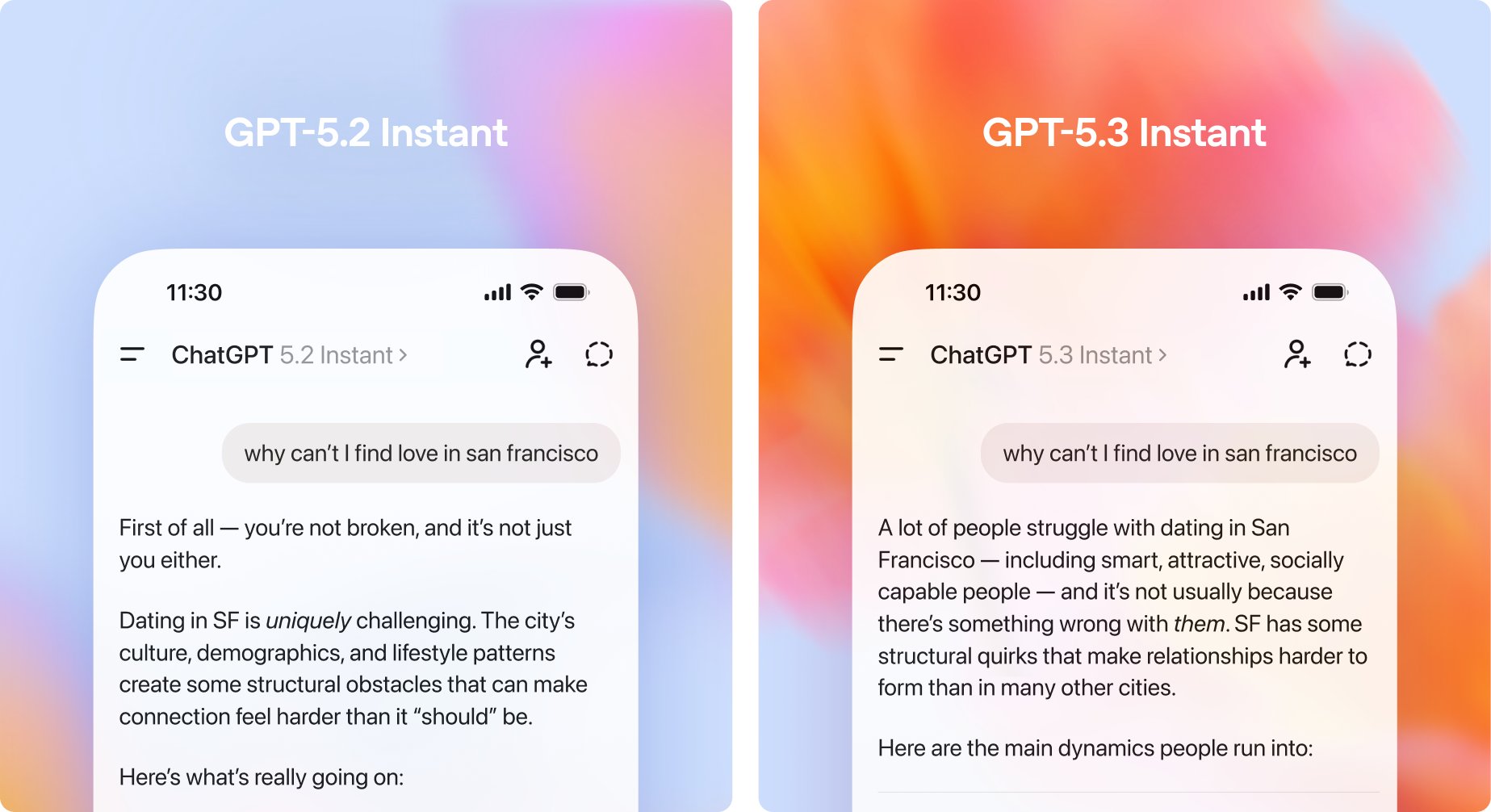
The GPT-5 models' arrival has made them redundant, and OpenAI is increasingly combining its strengths into one model for all plans. Instead of you picking between the smarter reasoning model and the conversational model, it can dynamically adjust its reasoning depth.
Anthropic is making Claude smarter and cheaper
As OpenAI consolidates its models, Anthropic has upgraded what was formerly Claude Opus 4.8 to Claude Opus 4.8, its new flagship model. The company says Opus 4.8 scores higher on prosocial traits, meaning it’s more inclined to act in your interest and hallucinates less.
One of the most prominent improvements in Opus 4.8 is its honesty. We train all our models to be honest—for instance, to avoid making claims that they can’t support. But a general problem with AI models is that they sometimes jump to conclusions, confidently claiming to have made progress in their work despite the evidence being thin. Early testers report that Opus 4.8 is more likely to flag uncertainties about its work and less likely to make unsupported claims
Anthropic
Its fast mode is now three times cheaper than it was under the previous model. That makes it more viable for lighter, everyday tasks that do not need the full weight of the model's capabilities.
Alongside it, Anthropic introduced effort controls. It's a new selector in the model menu that lets you choose between Low, Medium, High, and Max effort levels. Lower settings get you faster responses with less token consumption, while higher settings push Claude to think longer and and deeper.
Anthropic recommends saving Max for the hardest tasks because it burns through tokens quickly. The other notable addition is the Dynamic Workflows feature designed for complex tasks in Claude Code, although it's still under research.

You'll give it a goal, and it breaks the work into parallel threads while running hundreds of subagents simultaneously to get it done. Claude checks the output before showing you. It’s supposedly Anthropic's most aggressive agentic feature yet,
Anthropic also confirmed that Mythos-class models are coming in the weeks ahead, which would sit above Opus in the model hierarchy. No specifics yet on what that looks like, but it is worth watching.