




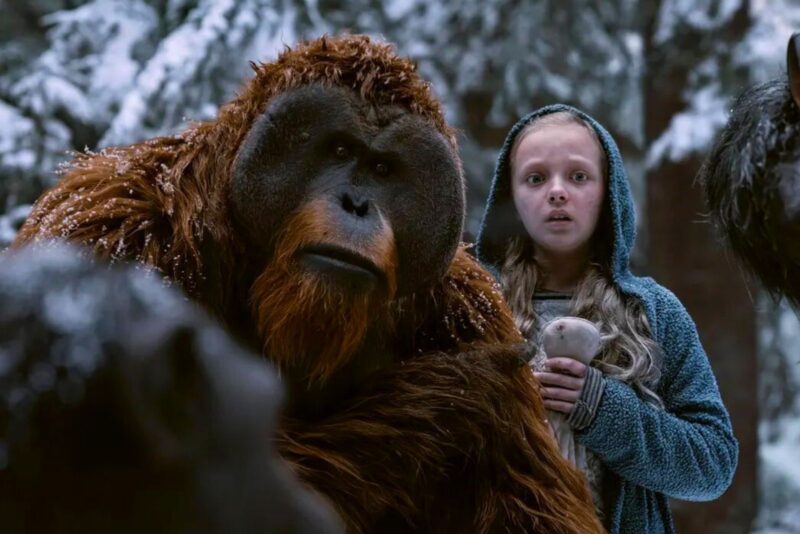
It had the budget, the cast, the legacy, and a visionary at the helm. On paper, it should’ve been a surefire classic. Instead, while Planet of the Apes (2001) raked in over $360 million worldwide, its director, Tim Burton, came away from the experience feeling trapped, disillusioned, and creatively stifled.
A bold reboot with sky-high expectations
In the early 2000s, Hollywood took another swing at reviving Planet of the Apes, a franchise with a deep-rooted place in sci-fi history. 20th Century Fox brought on Tim Burton—hot off hits like Edward Scissorhands and Sleepy Hollow—to inject his dark, stylised flair into the reboot. It sounded like a dream collaboration: Burton’s eccentric aesthetic paired with one of science fiction’s most iconic worlds.
Starring Mark Wahlberg as astronaut Leo Davidson, the story followed his crash landing on a planet ruled by intelligent apes, where humans are second-class citizens. The film was packed with action, spectacle, and elaborate prosthetics that helped bring the simian characters to life—courtesy of the legendary Rick Baker, whose work on makeup and costumes received wide acclaim.
Visually, it delivered. But critics and fans weren’t quite convinced by the confusing plot and its notoriously head-scratching ending. The movie had all the trappings of a blockbuster but lacked the personal, emotional depth audiences expected from a Tim Burton film.
Behind the scenes: frustration and creative restraint
Years later, Burton has been candid about how difficult the project was for him. Known for his distinctive voice and offbeat storytelling, he found himself overwhelmed by studio mandates, commercial pressure, and tight production timelines. This wasn’t the kind of film where he could follow his instincts. Instead, he was locked into the demands of a massive studio franchise with little room to bend the rules.
In interviews, Burton admitted he took no joy in directing the film and flatly stated he had no interest in doing a sequel. That alone says a lot, especially for a filmmaker known for revisiting his favourite themes and characters across his work. For him, Planet of the Apes became less a passion project and more of a creative compromise—one he was eager to move past.
A strange entry in Burton’s filmography
The 2001 Planet of the Apes sits in an awkward spot in Burton’s body of work. It’s not a failure in the traditional sense—it made a solid box office return and introduced a new generation to the franchise. But it also lacked the emotional resonance and artistic vision that defines so many of Burton’s best-loved films.
What remains is a paradox: a technically ambitious film, visually striking in places, that never quite found its voice. It stands as a reminder of what can happen when a singular artist is wedged into a system that values franchise continuity over creative risk.
So yes, Planet of the Apes made hundreds of millions at the box office. But for Tim Burton, it was anything but a triumph. Instead, it was a cautionary tale about the cost of vision in a world ruled by box office expectations—and a reminder that even a successful film can leave its creator with nothing but bittersweet memories.

