

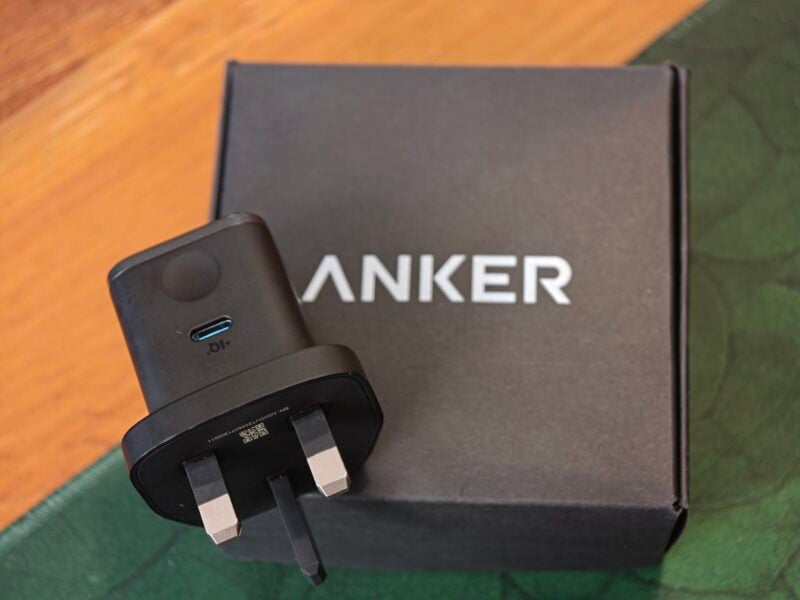
There isn't much excitement to be found in a wall charger. You plug it in, connect your phone, and forget about it until the battery's full. Anker's Nano Charger (45W, Smart Display) takes a different approach by putting a small live screen on the front and giving you actual control over how your device charges.
I've been using the Anker Nano Charger as a general-purpose charger, and it's the combination of fast charging and a lower-power Care mode that makes it worth talking about.
Before we dig into the review, I do not have an iPhone, iPad, or Macbook. Instead, I've tested the Nano Charger with Live Display with a Galaxy Z Fold 8 Ultra and an OPPO Find X9 Ultra. Where the Samsung only charged at up to 25W, the Find X9 Ultra managed to charge at the full 45W rate.
Design
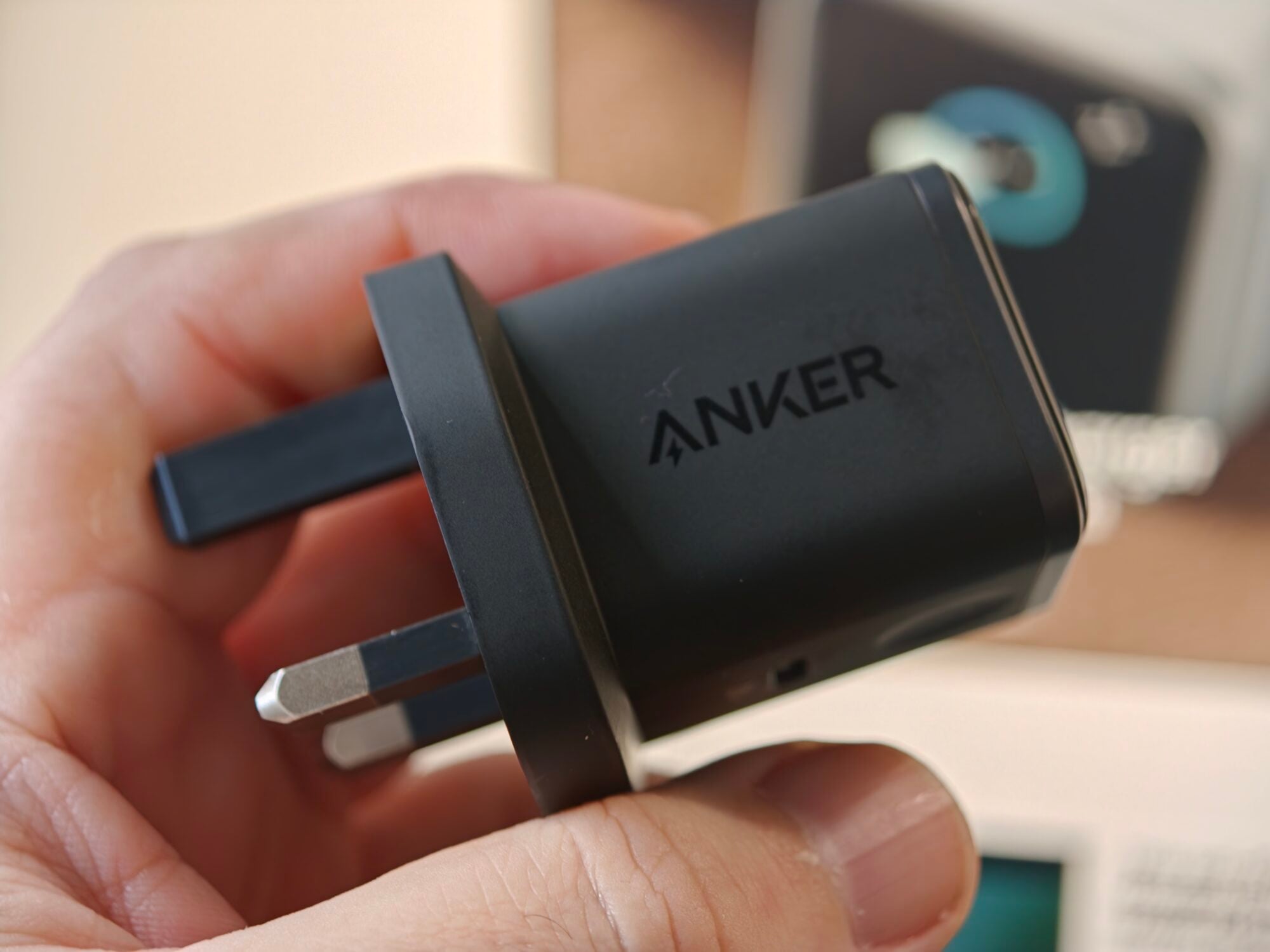
The Nano Charger is impressively compact and built around GaN technology, with folding prongs (for the US variant) that rotate through 90 and 180 degrees to fit whatever outlet you're dealing with.
That last part sounds like a small detail until you actually use it. Wall sockets aren't always conveniently positioned, especially in hotels, airports, or behind furniture, and being able to change the charger's orientation can be the difference between a tidy setup and something awkwardly hanging off the wall.
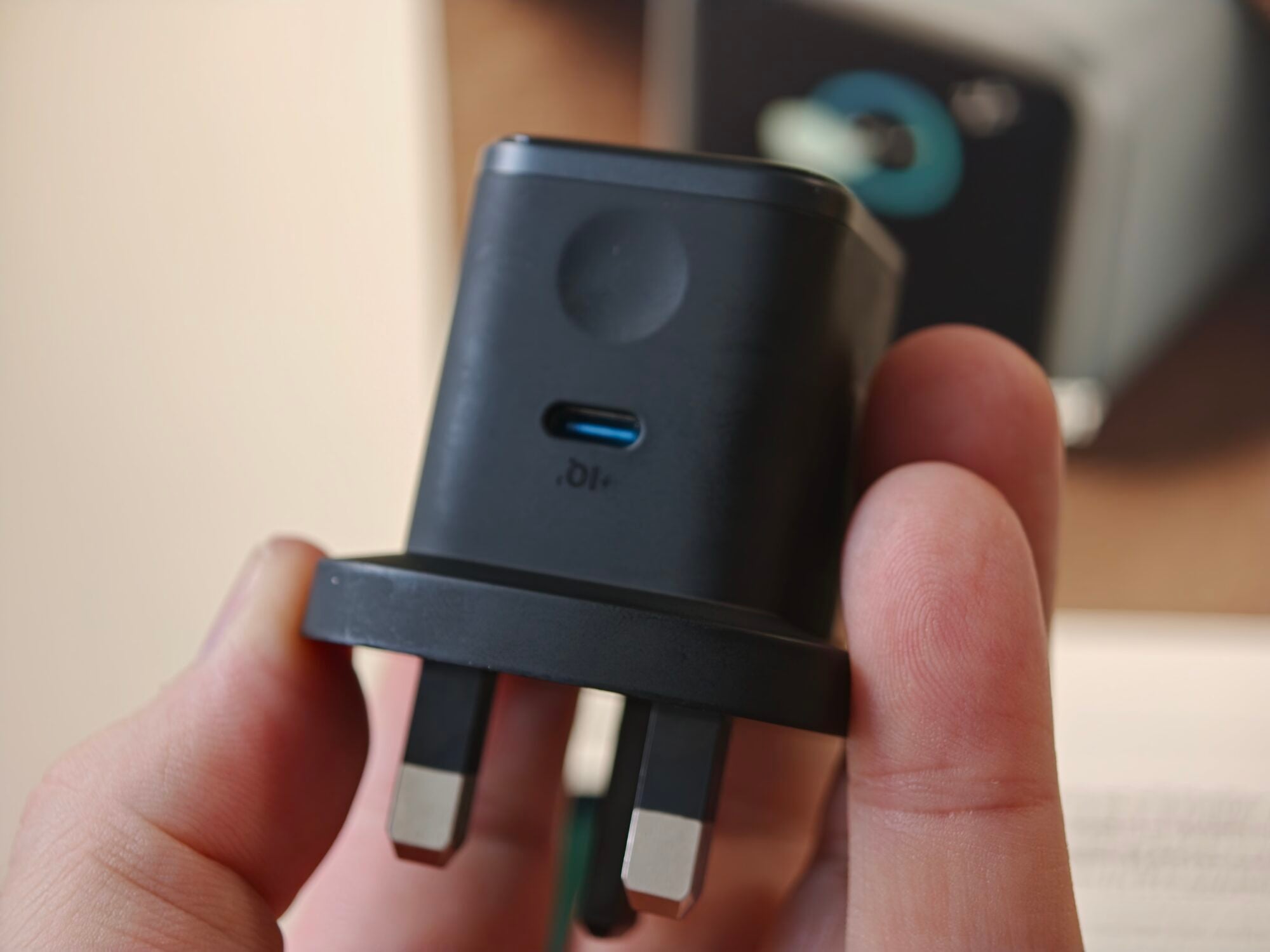
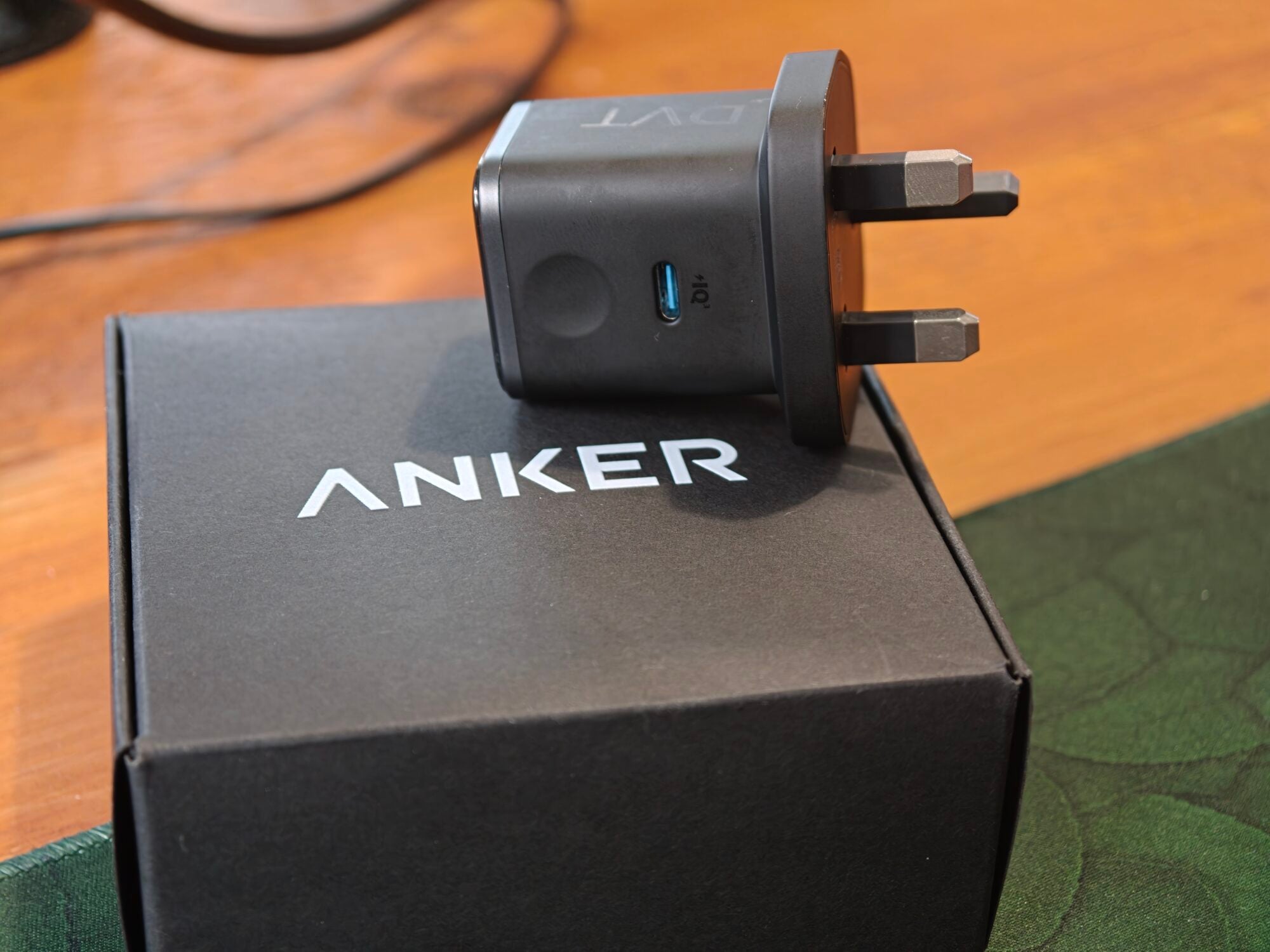
There's a single USB-C port on the side, below the control button. No cable is included, so you'll need to supply your own.
Display
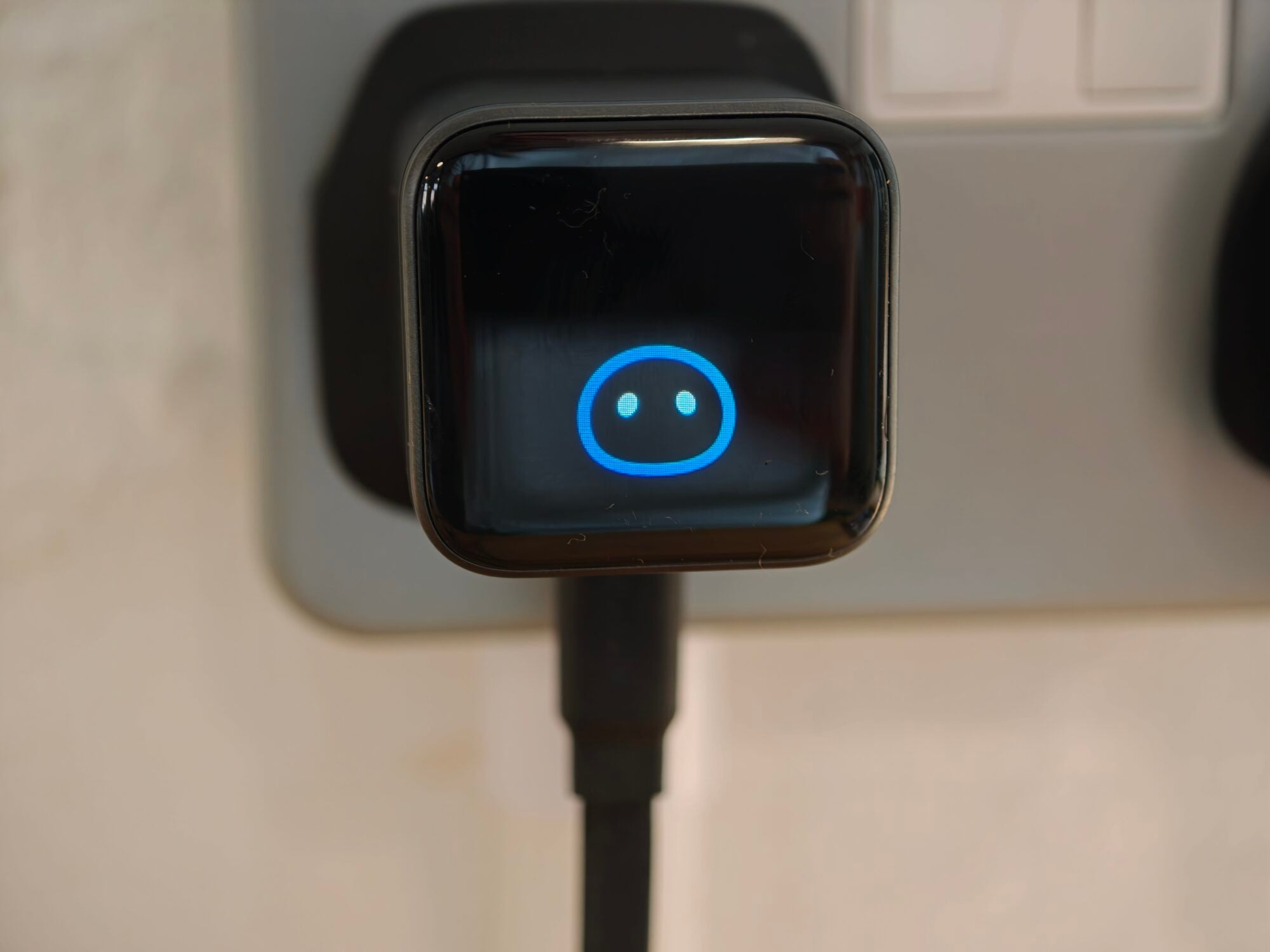
The smart display initially feels like the kind of feature that looks good on a spec sheet but doesn't do much in practice. After using it, being able to see what's happening while your device charges is genuinely useful.
Connect a compatible iPhone and the charger identifies the device and shows its battery level alongside the current charging power. You can cycle through additional readouts including temperature and charging mode.
That means there's no guessing whether you're getting a fast charge or just watching your phone's usual charging animation. If the charger is delivering 25W, 15W, or 5W, you can actually see it happening.
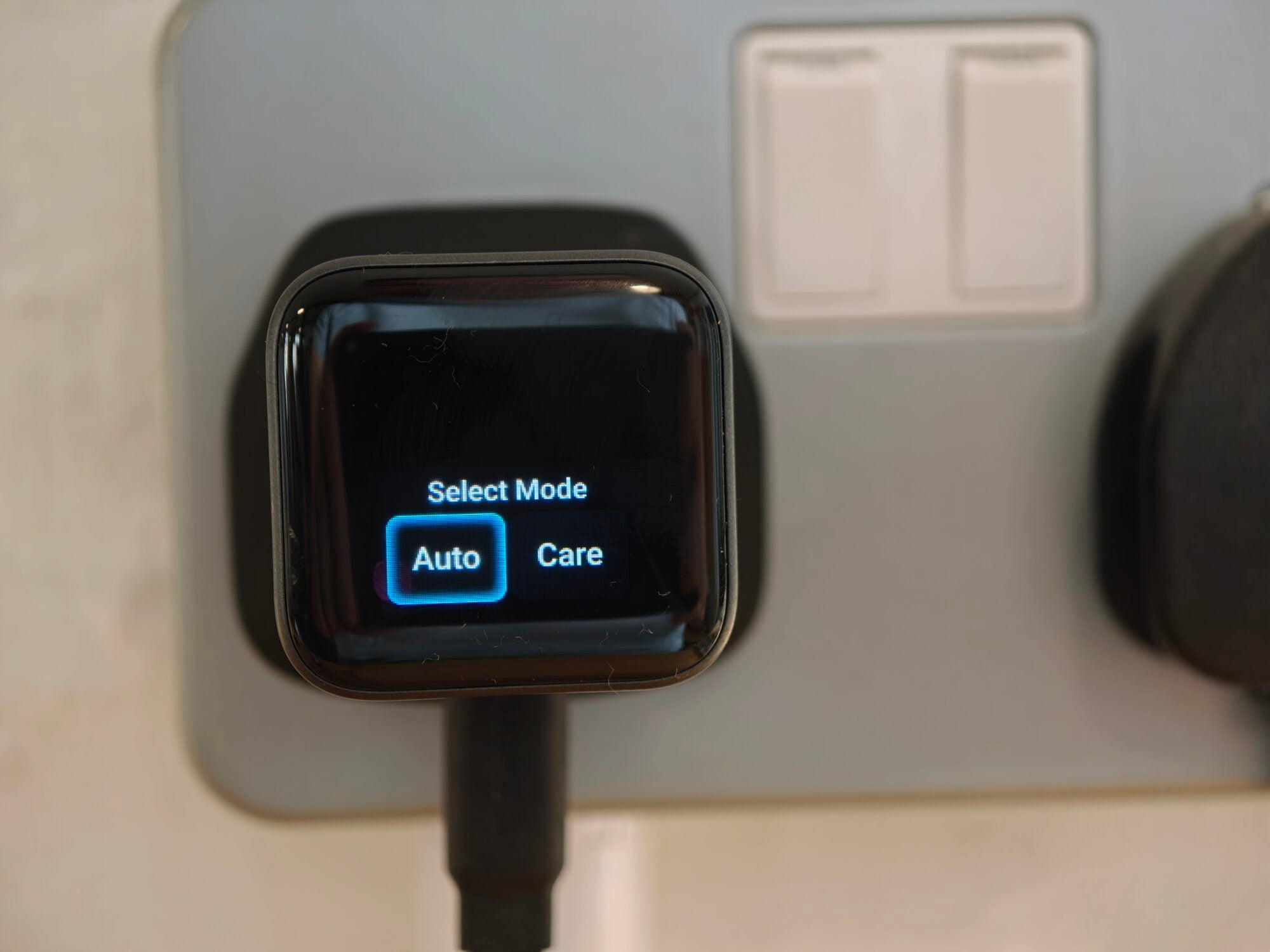
The display isn't a touchscreen. The control button navigates the information, a double tap switches charging modes, and a two-second press rotates the display, though only through 180 degrees rather than a full 90. Still, it's useful.
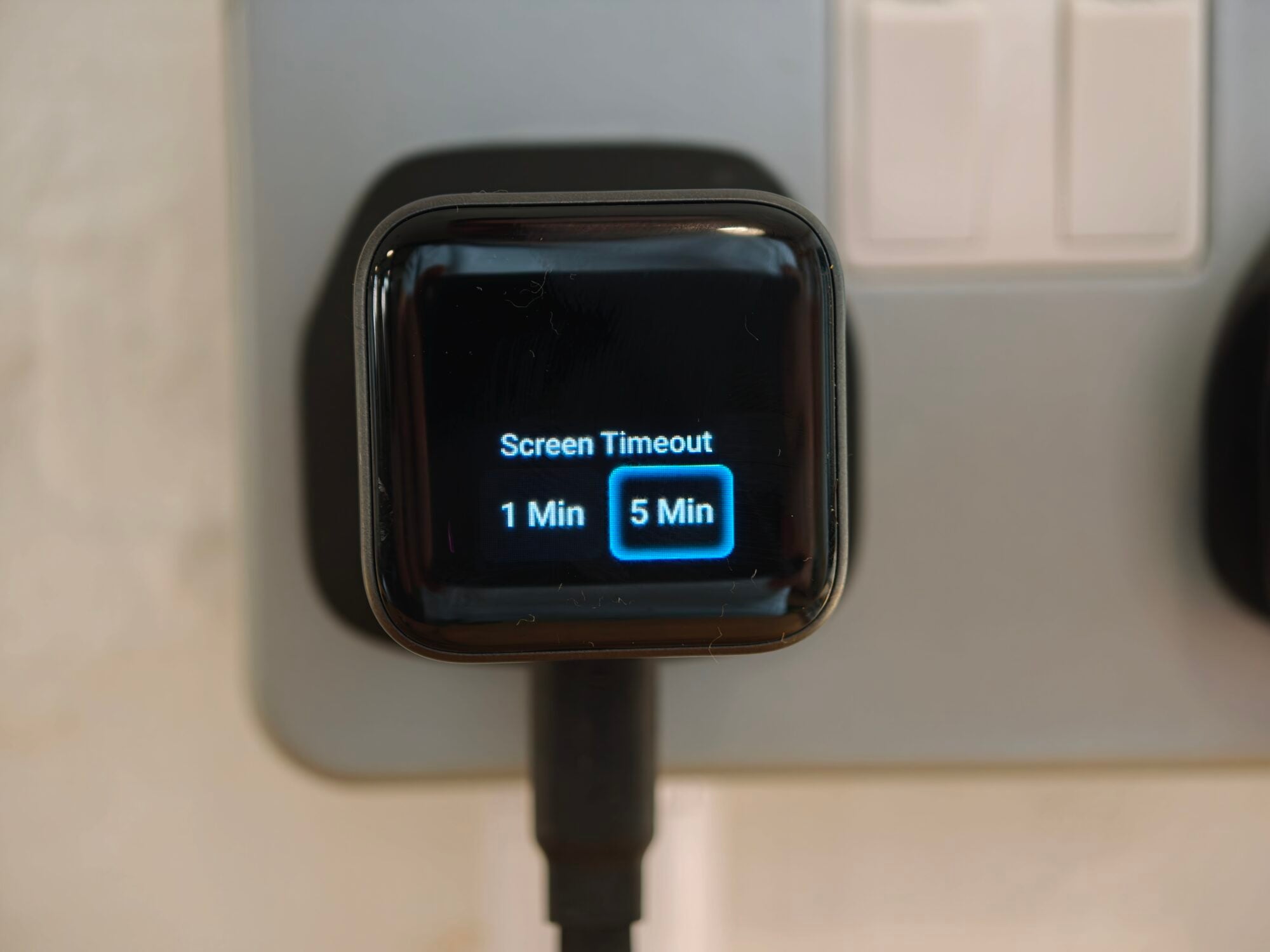
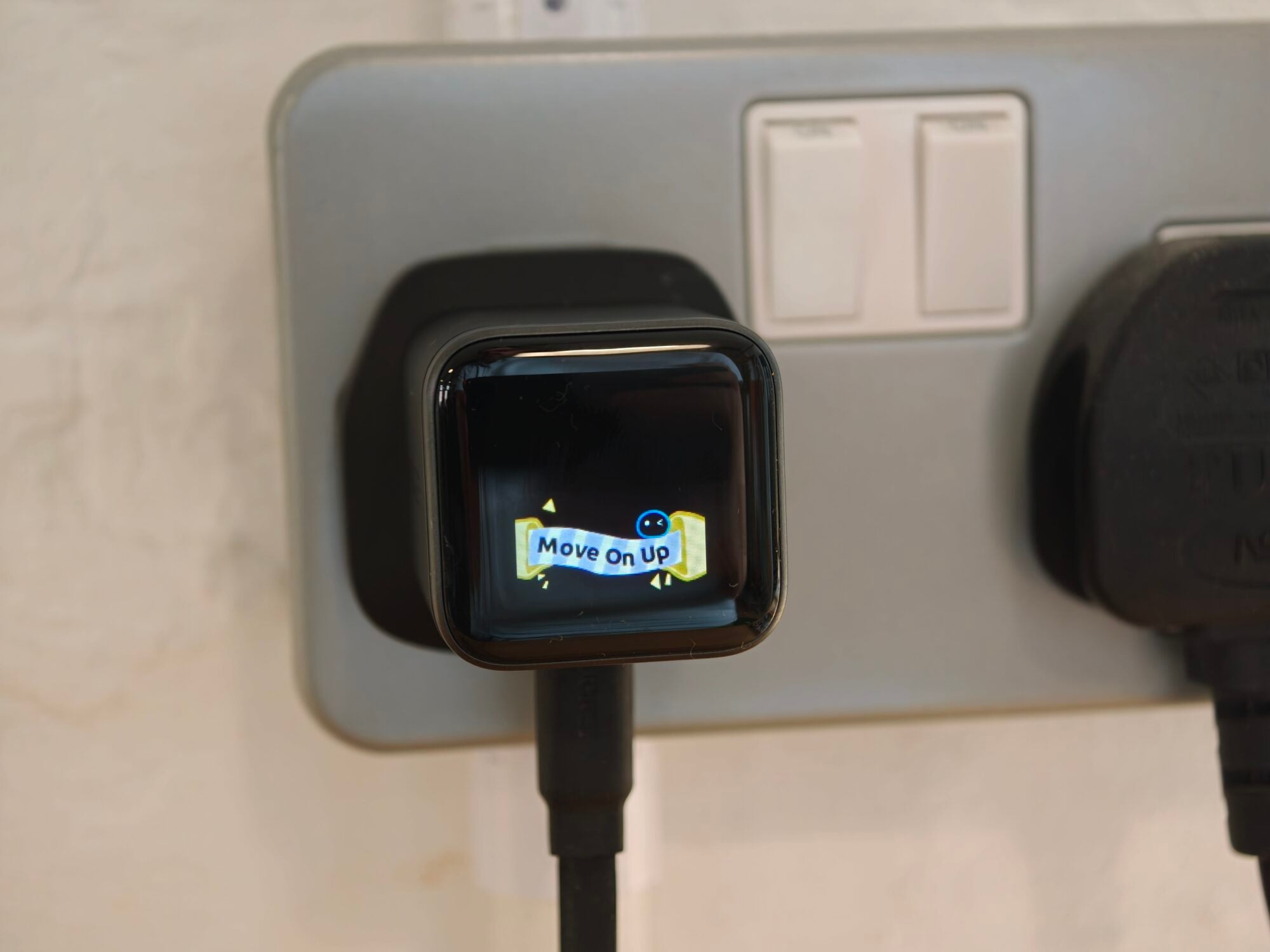
There's also a set of small animations that give the otherwise utilitarian charger some personality. One particularly sensible touch is that the display shuts off automatically after about a minute (or five if you've chosen to change the default), so you're not left with a glowing screen next to the bed all night.
Performance
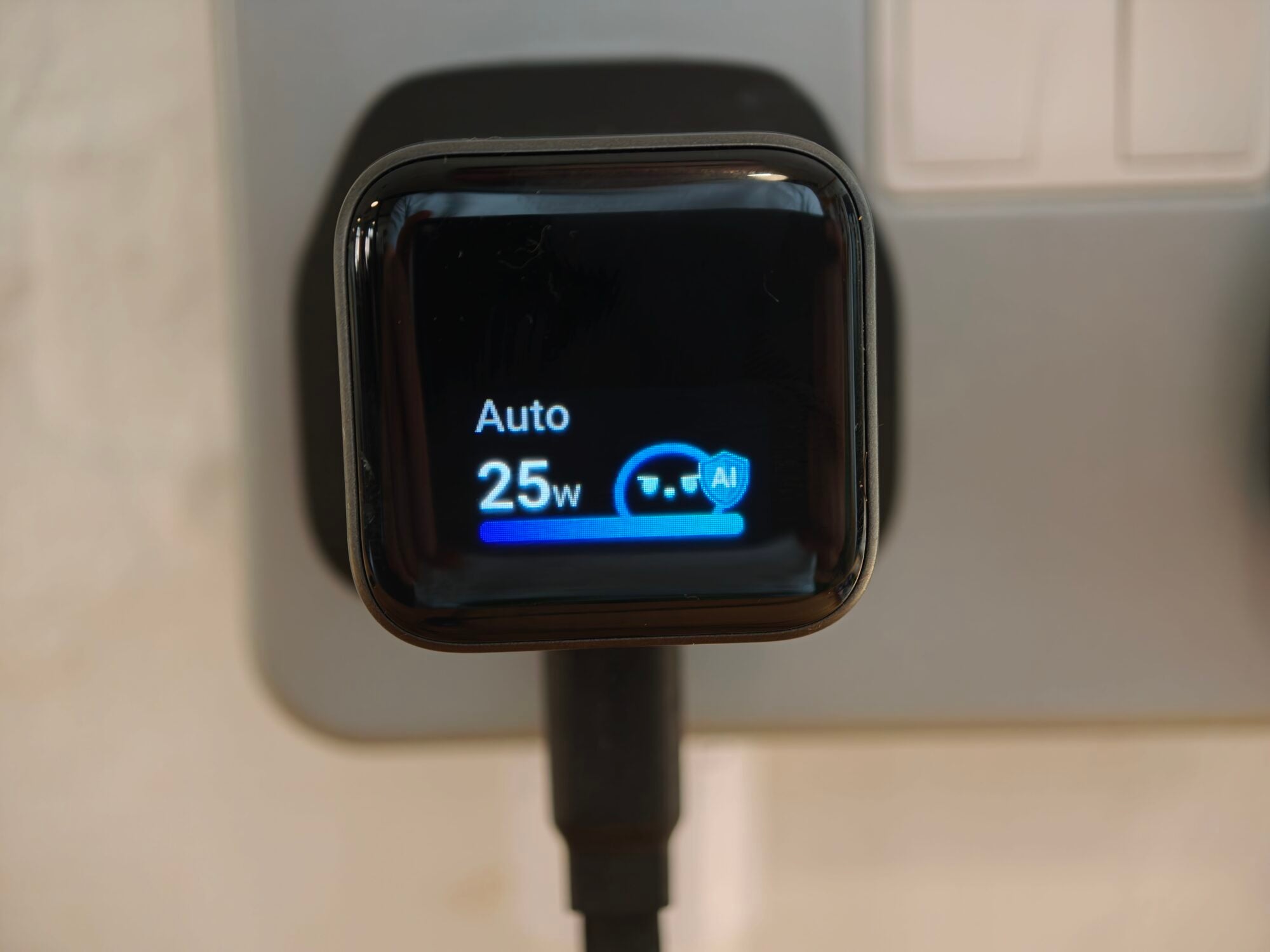
In Auto mode, the charger delivers up to 45W and dynamically adjusts its output based on the connected device's requirements and battery state.
That makes Auto mode the obvious choice when your phone is sitting at 15 percent and you need to leave the house in half an hour. Anker claims an iPhone 17 Pro can reach 50 percent in around 20 minutes on this charger.
Of course, 45W is a ceiling rather than something every device pulls continuously. The connected device controls how much power it requests, so seeing a lower number on the display isn't a sign anything's wrong.
Battery and Care Mode
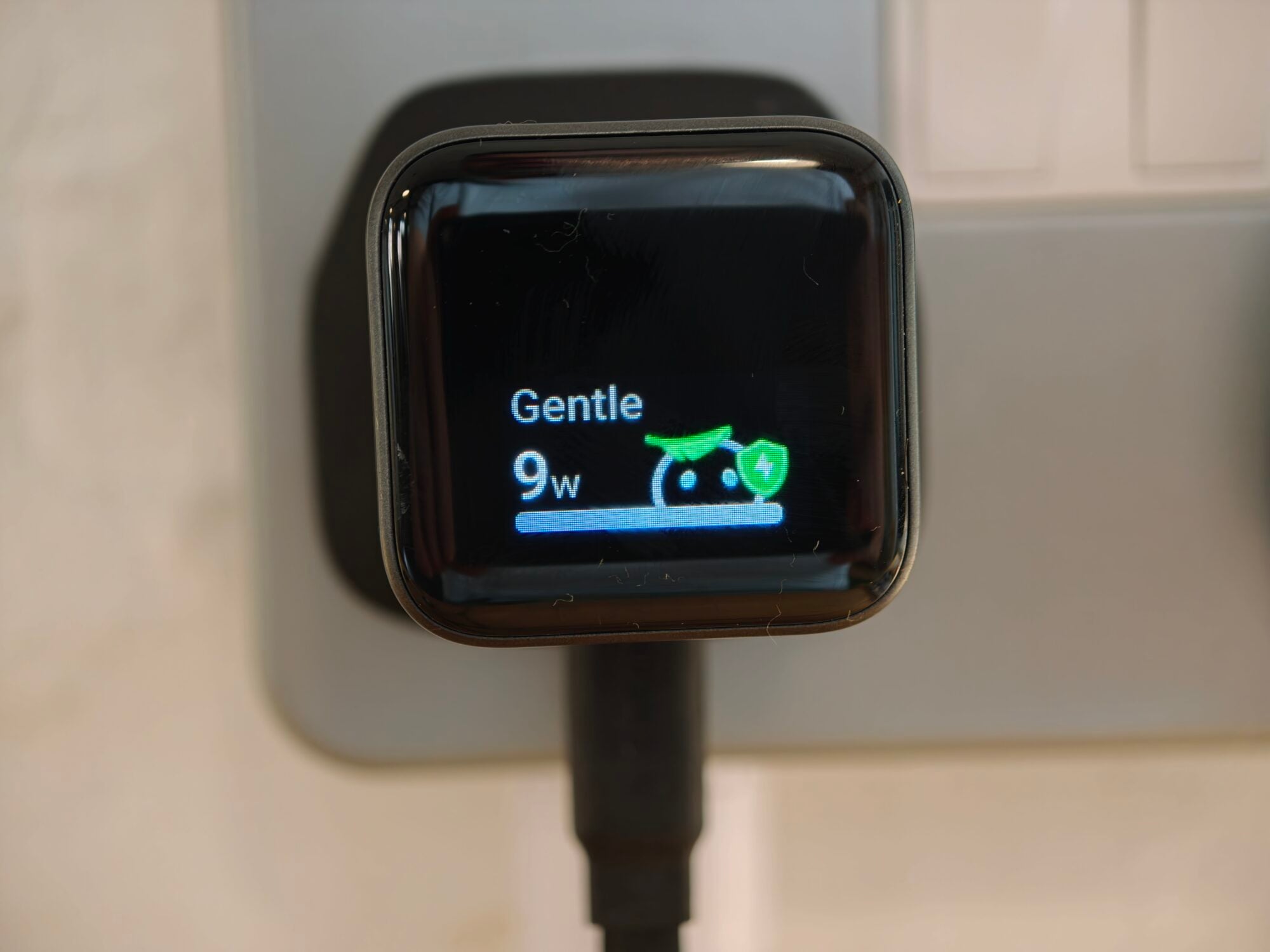
The more interesting feature here is Care mode. Double-tapping the control button switches between Auto and Care, and Care mode is built for longer charging sessions like leaving your phone plugged in overnight, prioritizing lower temperatures over maximum speed.
This is where the Nano Charger starts to make more sense than just buying another 45W brick. Fast charging matters when you're in a hurry, but there are plenty of times when speed isn't the priority, and hammering a device with maximum power for hours on end doesn't do much for it.
Anker says Care mode can keep a connected phone's battery up to 9°F cooler than with other 45W chargers. That figure comes from Anker's own testing, but the underlying logic holds up. Less aggressive charging over a long stretch generates less heat.
Care mode isn't magic battery-life insurance, but it's a sensible option for anyone who leaves their phone charging for hours at a time rather than grabbing a quick top-up.
Software and Features
This is probably where the charger earns its keep as an everyday travel accessory. A 45W charger sounds like overkill for something like a pair of earbuds, but that's missing the point, since the connected device negotiates the power it actually needs.
You can use the Nano Charger for a fast phone top-up, then plug in your earbuds or another low-power accessory without needing to carry a separate charger for it. Care mode is particularly useful here too, since small devices don't need much power and a gentler charging profile suits them well for overnight use.
A 45W output is also enough to charge many smaller laptops and tablets, though it's not a replacement for a higher-wattage laptop charger if your machine normally expects 65W, 90W, or more. Think of it as a lightweight travel or emergency option rather than a desktop replacement.
Worth noting too that the display's smartest tricks, like device identification and battery readouts, are aimed squarely at newer Apple hardware. Samsung, Pixel, and other USB-C devices will still charge fine, but they don't get the same level of on-screen detail. Which is a pity as it's the main party trick of the display.
Anker Nano Charger specifications
| Specification | Anker Nano Charger |
|---|---|
| Maximum output | 45W |
| Port | 1x USB-C |
| Technology | GaN |
| Charging | USB Power Delivery |
| Input | 100-240V, 50/60Hz |
| Charging modes | Auto / Care |
| Display | Smart display |
| Plug | Folding, 90°/180° |
| Cable included | No |
| Model | A121D |
Verdict
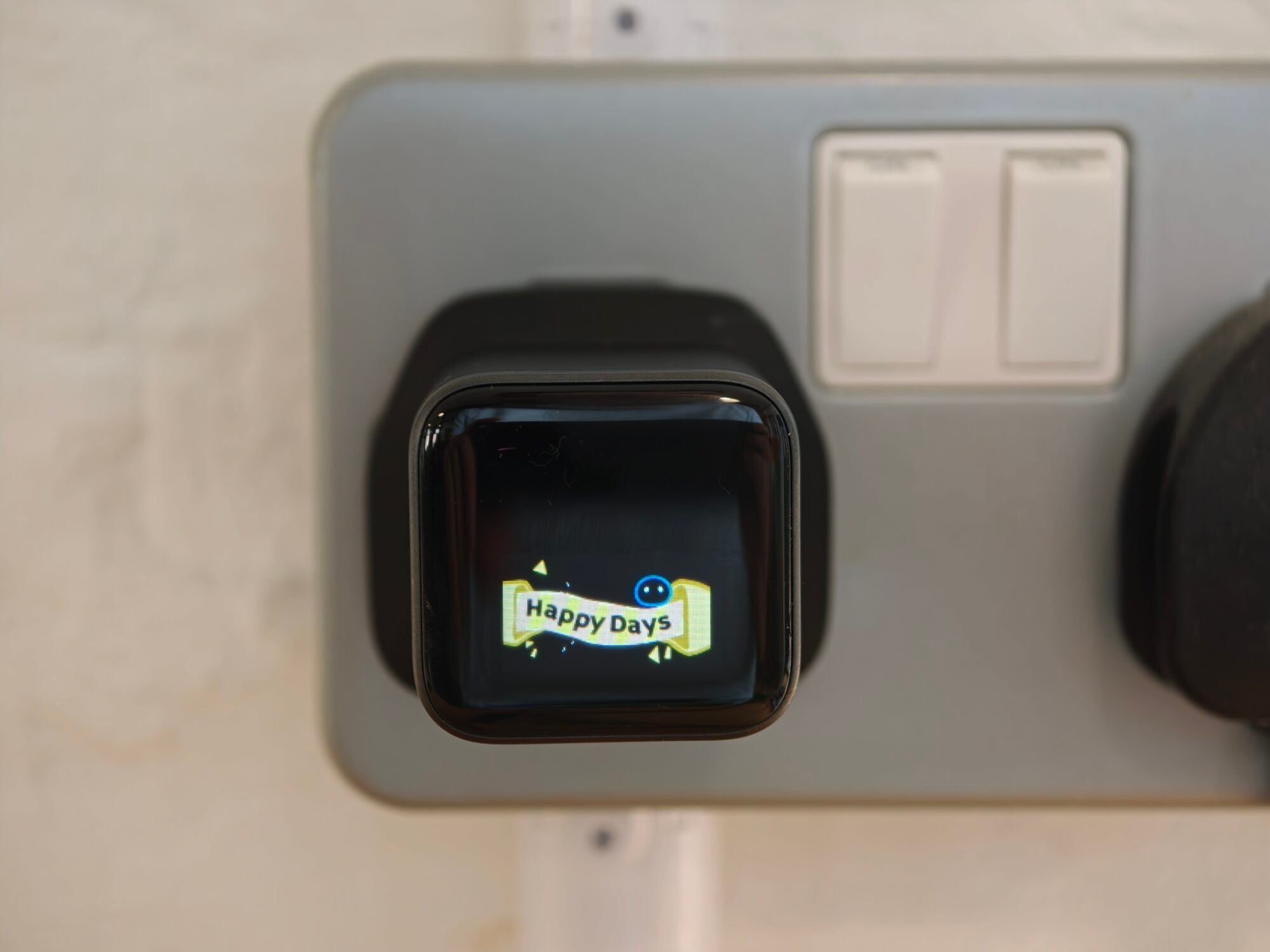
The Anker Nano Charger is an interesting take on an accessory that normally gets about as much attention as a kettle plug. Its 45W output delivers fast-enough charging when you need it, and Auto and Care modes give you a real choice between speed and a gentler profile.
The display isn't essential and neither are the animations, but paired with Care mode and device recognition (for supported Apple devices), they turn this from another anonymous USB-C brick into something that actually feels different. Something I would like in the next generation is folding prongs for the UK model, which would make it genuinely pocketable. And of course, device recognition for Android smartphones and tablets would be very welcome.
Pricing is the main sticking point, and it depends heavily on where you're buying. At $29.99 on Amazon in the US, it's good value for what you're getting. In the UK, where it's currently listed at £39.89 on Amazon, that value case gets tougher to make against basic 45W chargers.