



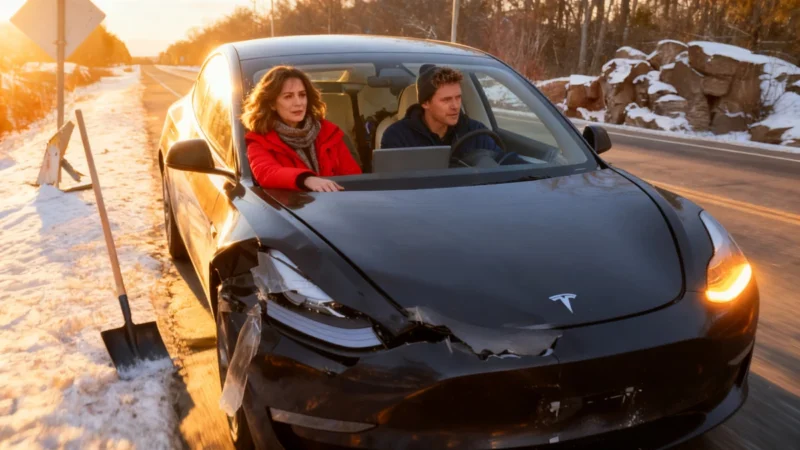
Why Are Electric Vehicle Repairs More Expensive?
While electric vehicles (EVs) can be less expensive to operate on a daily basis than gasoline-powered models, things change after a collision. According to a recent report by BCA Expertise and Prim’Act, based on 2.7 million expert assessments, repairs for electrified vehicles have cost an average of 23.2% more than for gasoline or diesel cars. So what’s driving these higher repair bills?
It’s More Than Just the Battery
The analysis found a sharp increase in cases involving EVs, plug-in hybrids, and hybrids in recent years. In 2022, these vehicles represented 5.7% of expert assessments. By 2025, that had risen to 12.5%. Over the same period, the average extra repair cost jumped from 13.7% to 23.2%.
Contrary to popular belief, the battery isn’t solely to blame. The main factor, according to the report, is the higher cost of repairs, especially when it comes to labor. Repairs are often performed in specialized workshops, which charge higher hourly rates. The study pegged the added cost at €13.20 (about $14.30) more per hour for these jobs. That difference quickly adds up.
Parts, Technology, and Heavier Builds
Another price driver is spare parts. Electrified vehicles are usually newer, loaded with more technology, and often positioned in higher-end segments. Then there’s the matter of weight. Thanks to their large batteries, EVs and plug-in hybrids are heavier than their gas or diesel counterparts. This extra weight can lead to more significant damage to some components in an accident.
Older Gas Cars, More Write-Offs
The report also found that traditional gas and diesel vehicles have been more frequently declared “total losses” after accidents. That’s because their residual value is typically lower, with the average gas or diesel model coming in at 13 years old, compared to an average of just 3.3 years for electrified vehicles evaluated. For older vehicles, repair costs after a major accident can easily exceed the car’s value.
At present, EVs undergoing expert assessment are much newer than most gas and diesel cars, which helps explain why some repair costs are higher. However, these differences may shrink as the electric fleet gets older and repair networks become more established.