



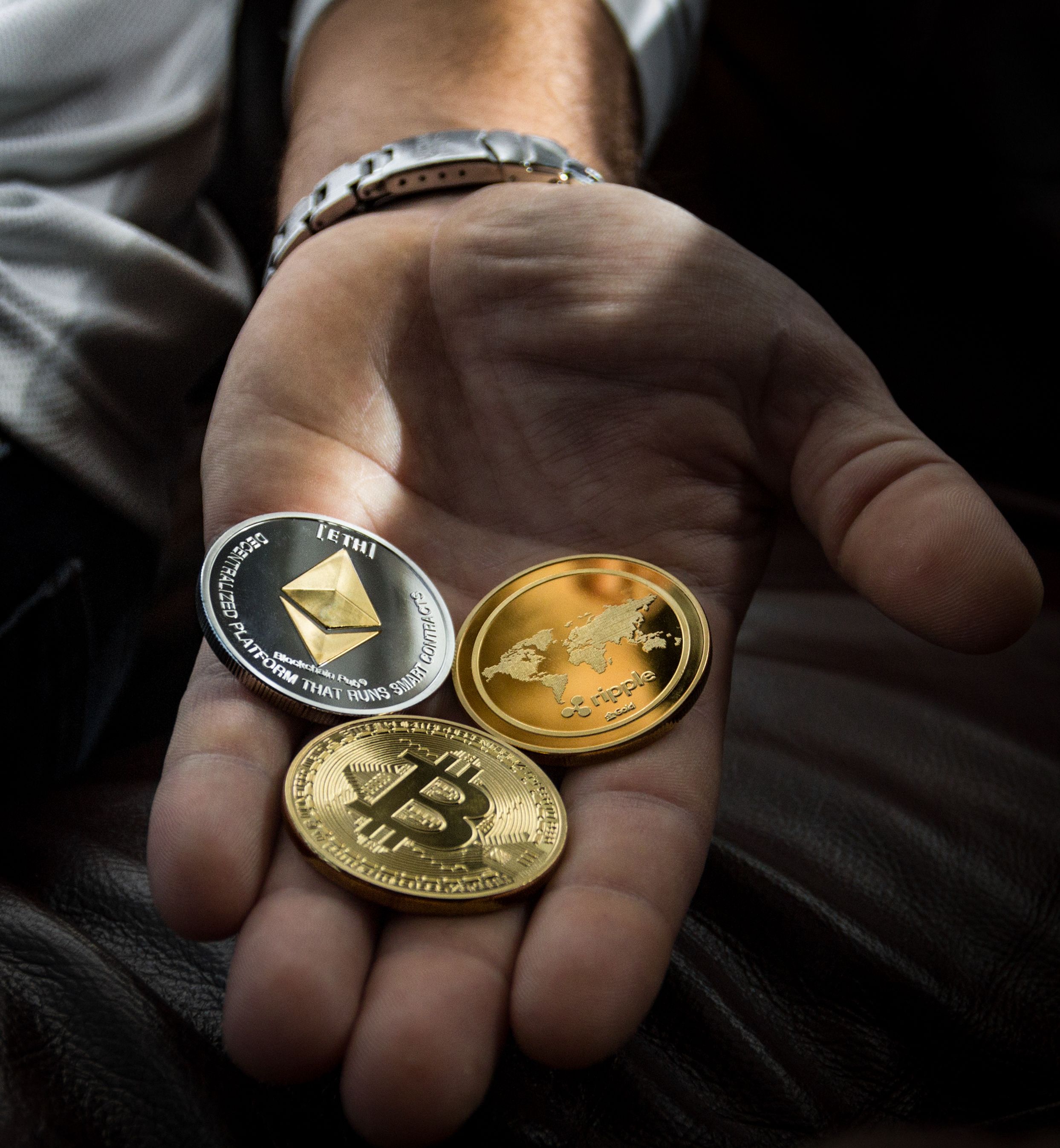
If you’ve been paying attention to the crypto industry, you know how far it has come. A decade ago, transacting these digital currencies often felt like a task reserved for programmers and tech enthusiasts. The process seemed quite intimidating at first, as you had to deal with long wallet addresses and confusing setup steps. Unfortunately, that was enough to keep many users on the sidelines.
Today, however, the experience looks very different. And one of the factors contributing to this shift is the rise of Android wallet apps. The applications have taken what was once a complicated process and turned it into something familiar to millions of smartphone users worldwide. As such, you no longer need to navigate complex software on a desktop computer to access the tokens.
Whether you’re on a commute or relaxing at home after work, you can check crypto prices today or even send funds across borders directly from your smartphone. And because many people love such convenience, it shouldn’t be a surprise that these tokens are actually becoming popular. But how exactly are Android wallet apps bringing them to the mainstream?
Simplifying a once-complicated user experience
Consider your favorite streaming platform, for instance. If its sign-up process was complicated, would you still have been eager to use it? Probably not. Especially now that people have become super discerning, no one would want such an experience. But when the platform feels intuitive from start to finish, many people will be drawn to it. It’s a big part of why Dovetail suggests that a great UX can increase conversion rate by up to 400%.
The same principle applies to cryptocurrency. For years, one of the biggest obstacles to mainstream adoption was complexity. Most early crypto wallets were designed with experienced users in mind, often featuring technical jargon that felt overwhelming to the average person. Just imagine a newcomer joining this industry and being met with terms like seed phrases, gas fees and network congestion.
Well, to a great extent, those terms can be quite discouraging when you are simply trying to understand how to send and receive digital money for the first time. After all, people don’t just fear making mistakes; they fear not understanding what they are doing at all. Thankfully, amid these challenges, Android apps have emerged to change the experience by simplifying the process.
Instead of throwing users into a world of unfamiliar terminology, they break down complex actions into simple prompts, much like other mobile apps do. QR code scanning is a good example. With a simple scan, you can instantly fill the recipient’s details and complete the transaction in seconds without needing to copy and paste long, error-prone wallet addresses.
Making crypto accessible through mobile-first convenience
You are probably aware of the financial inclusion challenges in some parts of the world. Now, imagine a young entrepreneur trying to access financial services in such regions. The process might be complicated, given that it may involve lengthy paperwork or even long travel distances.
But now imagine the same person holding an Android-powered smartphone. Suddenly, what required physical visits and long waiting times can now be initiated from a device that fits in a pocket.
What’s even more intriguing is the fact that these devices are almost everywhere. According to DemandSage, almost four (3.9) billion people now own these devices, meaning Android wallet apps have the potential to reach billions of users without requiring any infrastructure changes.
At the same time, these platforms can offer more than simple storage. Many now include services that can be accessed from a single mobile application, including:
- Peer-to-peer transfers
- Decentralized finance integrations
- Staking options
- Cross-border payment capabilities
Strengthening trust through security
Think about how cyberattacks have become common. In fact, some industry estimates, such as those from StatsPanda, suggest that over 3.4 billion cyberattacks occur daily. Now, add that to the fact that a growing number of people have been suspicious about cryptocurrencies. This combination has historically made trust one of the biggest barriers to mainstream adoption.
So, as powerful as simplifying usability is, you’d also want to assure users that their digital assets are secure. This explains why these apps build protection directly into the experience. Biometric authentication is now a standard feature, allowing users to secure their funds using fingerprints or facial recognition.
Layered security systems, such as encrypted backups, are also becoming increasingly useful. The systems work in the background to make sure your assets remain safe even if something goes wrong with your device. There is also the aspect of smart fraud detection. Using artificial intelligence, these applications can now detect malicious activity in real time and flag unusual transaction patterns before any damage is done.
In other words, Android-supported crypto apps are becoming more customer-focused. Many of them are now focusing on aspects such as security and usability, thereby enabling more users to adopt digital currencies.