



After roughly a decade and a half of pulling audiences away from cable, Netflix is now reportedly developing live, continuously-streaming channels organized by genre. The company may also be considering bundling other subscription services, such as NBCUniversal's Peacock, into its app. Here's the full details.
Is there trouble in paradise?
At Netflix's annual business review this spring, executives celebrated how profits were rising and customer defections remained at industry lows. However, subscriber engagement has been showing signs of decline, and has become a recurring topic in leadership meetings.
Subscribers may not be leaving, but they're watching less, which isn't good for business. Despite remaining the market leader, the company's stock is down more than 40% over the past year, according to The Wall Street Journal. In April, the share of total TV viewership fell to 8%, which is the lowest since May 2025.

Executives have discussed adding live channels that would continuously stream specific programs or content from a given genre, and bundling other subscription services into the app. They will include NBCUniversal's Peacock, and appear as tiles on Netflix's home page.
Eventually, it means you'll spend less time deciding what to watch, and have more background/passive viewing options. The average Netflix user spends 1 to 2 hours per day streaming content on the platform, and it takes users about 18 minutes to browse the platform to choose a show.

It's also nice to have one place to manage bundled services. Other services like Amazon already let you add channels like Paramount+ or MGM+ inside Prime Video. However, the ads are about to increase since live formats are explicitly being used to grow Netflix's ad revenue and targeting double growth in 2026.
Their current ad-supported tier reached 94 million users as of May 2025, and the company's ad revenue grew more than 2.5x to over $1.5 billion in 2025. In the US specifically, the ad-supported Standard with Ads plan has become an increasingly large share of new sign-ups.
Your password sharing habits are hurting Netflix
Apart from being more expensive than competitors across nearly every tier, the significant vulnerability in Netflix's engagement decline is in subscription sharing.
Broader research by Search Logistics shows that about 41% of all Netflix users access the platform without paying, either through a friend or family member's account or a shared household.
It's probably why the platform began cracking down on password sharing in markets including the US, UK, and Australia back in 2023. Households have to verify a primary location and charge extra for additional members outside that household. Otherwise, Netflix restricts access.
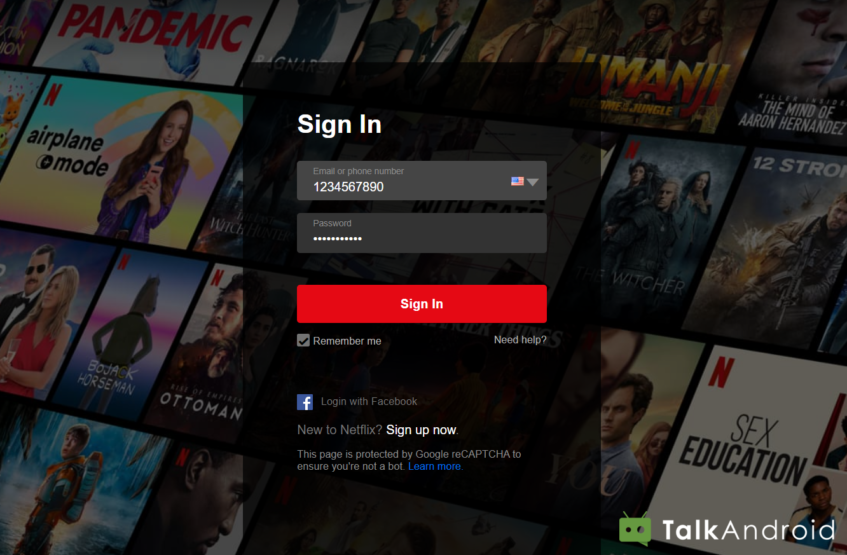
More recently, the streaming platform now requires profiles on a shared account, aside from kids' profiles, to have their own unique email login. Soon, you'll no longer share one account holder's credentials across multiple people.
Some users have raised concerns that the changes are less about convenience and more about gathering additional user data for advertising. After all, Netflix's own privacy policy permits sharing email addresses with advertising partners.