


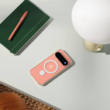

The smartphone industry in 2025 is marked by innovation at both extremes. While one end is driven by powerful AI integration, foldables, and algorithm-led user experiences, the other side is quietly redefining long-term ownership and repairability. The Fairphone 6, launched mid-year, represents a notable entry in this latter category. That is a device focused on user control, sustainability, and modular hardware design.
Fairphone's ethos centers on the idea that smartphones do not need to be disposable or glued shut. With the sixth generation, the company has pushed its modular mission further. Users can replace essential components like the battery, camera, USB-C port, and screen with ease, using basic tools. Even the backplate is modular, supporting swappable accessories for added utility. It is a phone that invites maintenance, not replacement.
Optimized Gaming on Modular Devices
Modular Android phones like the Fairphone 6 are not only redefining sustainability but also improving how users experience entertainment on the go. One of the clearest examples of this is the evolution of mobile slots, which now run smoothly on browser-based platforms without the need for app downloads. These lightweight casino titles are designed for quick access, fast loading, and full functionality across a wide range of Android devices.
With the Fairphone 6, players can enjoy these games directly through the browser, taking advantage of the phone’s efficient hardware layout and clean software environment. The modular design ensures optimal thermal control and long-term performance, allowing extended gaming sessions without overheating or slowdown. Whether spinning for real payouts during a commute or trying bonus rounds during a break, users benefit from instant access and reliable gameplay that doesn’t depend on app store restrictions.
What makes this combination stand out is the harmony between modular design and browser-first gaming. Fairphone’s hardware transparency and software stability complement the flexibility of mobile slots perfectly, offering a consistent and responsible mobile gaming experience. For developers and users alike, this represents a new standard of accessibility, where gaming is both sustainable and seamlessly integrated into the broader mobile ecosystem.
Android Meets Sustainable Design
Fairphone 6 ships with Android 15 and promises long-term software support, at least seven OS updates and eight years of security patches. The Android is updating all over again, so users are already seeing major benefits from broader access to features once limited to Pixel devices, including those expected in Android 16. This extended software longevity means the Fairphone 6 will remain both functional and secure well into the 2030s.
At the heart of its user experience is a new feature called Fairphone Moments. Designed to reduce digital noise, it allows users to switch from a full Android setup to a simplified mode with a physical toggle switch. This is a hardware-backed change in how the phone presents itself. It offers fewer distractions and greater control. The approach aligns with a broader push among open-source Android advocates who value customization, local data ownership, and freedom from vendor lock-in.
The Fairphone community has also welcomed alternative Android OS options. Support for operating systems like /e/OS and potential compatibility with custom ROMs expands Fairphone’s role as a modular device.
The Growing Appeal of Repairability
Beyond modularity, repairability is where the Fairphone 6 shines. In iFixit’s teardown, the phone earned a rare 10/10 score for repairability. Accessing core components requires minimal tools and no specialist training. The battery is replaceable in under a minute, and most other parts follow suit with just a few screws and no glue.
This emphasis on repair repositions the user from passive consumer to active participant in device care. It also underlines Fairphone’s stance that sustainable technology doesn’t need to look different to be different.
The company has also committed to availability of spare parts, regular firmware updates, and long-term support programs. These decisions, while not headline-grabbing, are meaningful for users who value transparency and independence from hardware cycles defined by planned obsolescence.
A Different Kind of Android Future
The Fairphone 6 does not claim to be the fastest or the flashiest Android device of 2025. What it offers instead is clarity of purpose. It is a phone built with care, designed for repair, and structured around user agency. Android hardware becomes more complex and less accessible so modular designs like this one chart an alternative path.
Productivity-focused users rely on open-source tools like Tasks.org and Markor to stay in control of their workflow. Meanwhile, casual users look for smoother ways to interact with web-based tools, and modular phones provide the flexibility and performance that align with both low-resource needs and high expectations. Add in long-term support and a growing aftermarket for accessories, and it’s clear that modular Android isn't just a throwback—it’s a viable model for future growth.
Fairphone 6 may not be the only modular Android phone, but it is the most complete vision of what that future could look like. If more manufacturers follow suit, the Android ecosystem could see a bigger change in which users have greater control over what runs on their phones and how those phones are built, maintained, and evolved.

