




Google released Android 16 QPR1 Beta 3 on July 17, 2025. The update targets critical bugs plaguing Pixel devices. Battery drain issues get resolved. Camera problems disappear. This beta marks a decisive push toward Android's fall stable release, delivering essential fixes that Pixel users have been demanding while introducing accessibility improvements that make the platform more inclusive for everyone.
Critical Bug Fixes Address User Complaints
Battery drain complaints finally see resolution in this latest beta release. The update tackles stability problems head-on. Notification delivery becomes more reliable across all supported devices. Camera issues that frustrated users with poor photo quality and sluggish responsiveness have been eliminated completely. The launcher now operates with noticeably smoother performance, while crashes that interrupted daily workflows become increasingly rare occurrences.

New Accessibility Features Enhance User Experience
A new keyboard magnifier debuts in QPR1 Beta 3. This feature significantly improves text input accessibility. Users with visual impairments benefit most from this addition. However, anyone preferring customizable input options will find value in the enhancement. The magnifier represents Google's broader commitment to making Android more inclusive and user-friendly for diverse needs and preferences.
Device Eligibility Focuses on Current Hardware
Android 16 QPR1 Beta 3 supports Pixel devices from the Pixel 6 onward. The Pixel Fold receives full compatibility. The Pixel Tablet joins the supported lineup. Older models like the Pixel 5a and earlier generations are excluded from this release cycle. Google's strategic decision to limit eligibility ensures consistent user experiences while allowing development resources to concentrate on current hardware capabilities and performance optimization.
Quarterly Release Strategy Transforms Android Updates
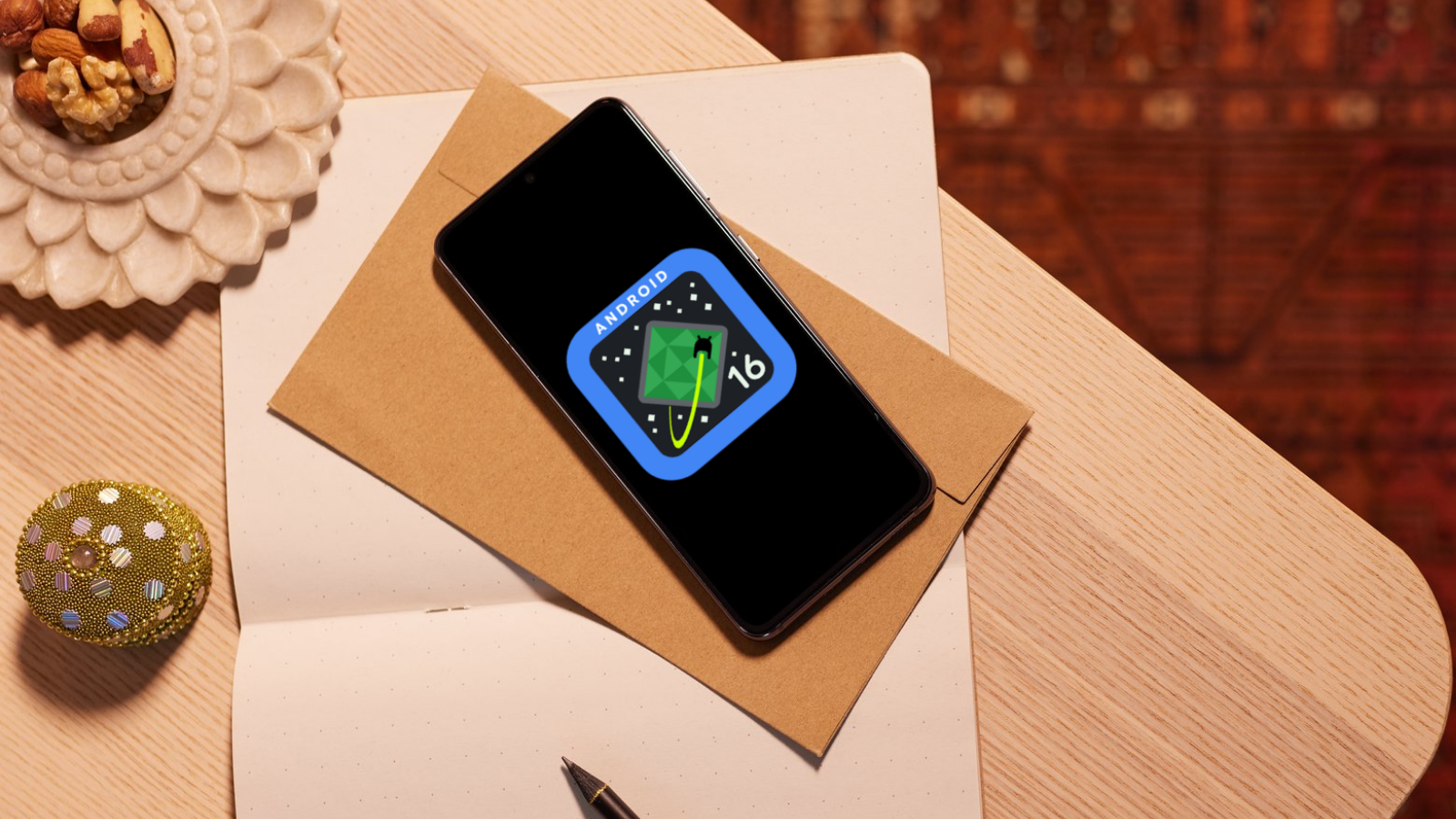
This beta represents Google's evolved approach to Android development and distribution. Quarterly Platform Releases allow faster deployment of meaningful improvements. Real-world usage data flows directly from the Pixel community to Google's development teams. Feature drops arrive more frequently than traditional annual cycles permitted. This dynamic update model creates a more responsive ecosystem where user feedback directly influences platform evolution and enhancement priorities.
Implications for Android's Broader Ecosystem
QPR1 Beta 3 sets important precedents for future Android development cycles. Polish and performance receive equal priority with new feature development. Accessibility improvements become standard components of regular updates rather than occasional additions. The beta program expands its role as a crucial bridge between developer intentions and real-world user experiences, creating a feedback loop that benefits the entire Android community through more refined, stable releases.
Android 16 QPR1 Beta 3 demonstrates Google's commitment to platform excellence. Crucial bug fixes restore user confidence. Accessibility improvements welcome broader audiences. The quarterly update strategy promises more responsive development cycles ahead, ensuring Pixel users receive timely improvements while contributing to Android's continued evolution toward a more polished, reliable mobile operating system.

