

In the 1990s, the Christmas list was a battle plan. You circled things in the Toys “R” Us catalogue, recorded the ads off the TV, and lobbied for months. Then on the morning itself you found out whether you'd got a Nintendo 64 or a pair of socks.
Most of these gadgets cost real money. A $299 PlayStation in 1995 is about $661 today, and a Sega Saturn was close to $900 in today's money. Some sold in the tens of millions. Others flopped so badly that the few surviving boxes now sell for more than they did new.
Here are 25 of them, with what they cost then and what an original is worth now. Inflation figures use the Bureau of Labor Statistics CPI data through September 2026; resale values are rough, from PriceCharting, which tracks eBay and other marketplace sales, unless stated.
1. Tamagotchi (1997)
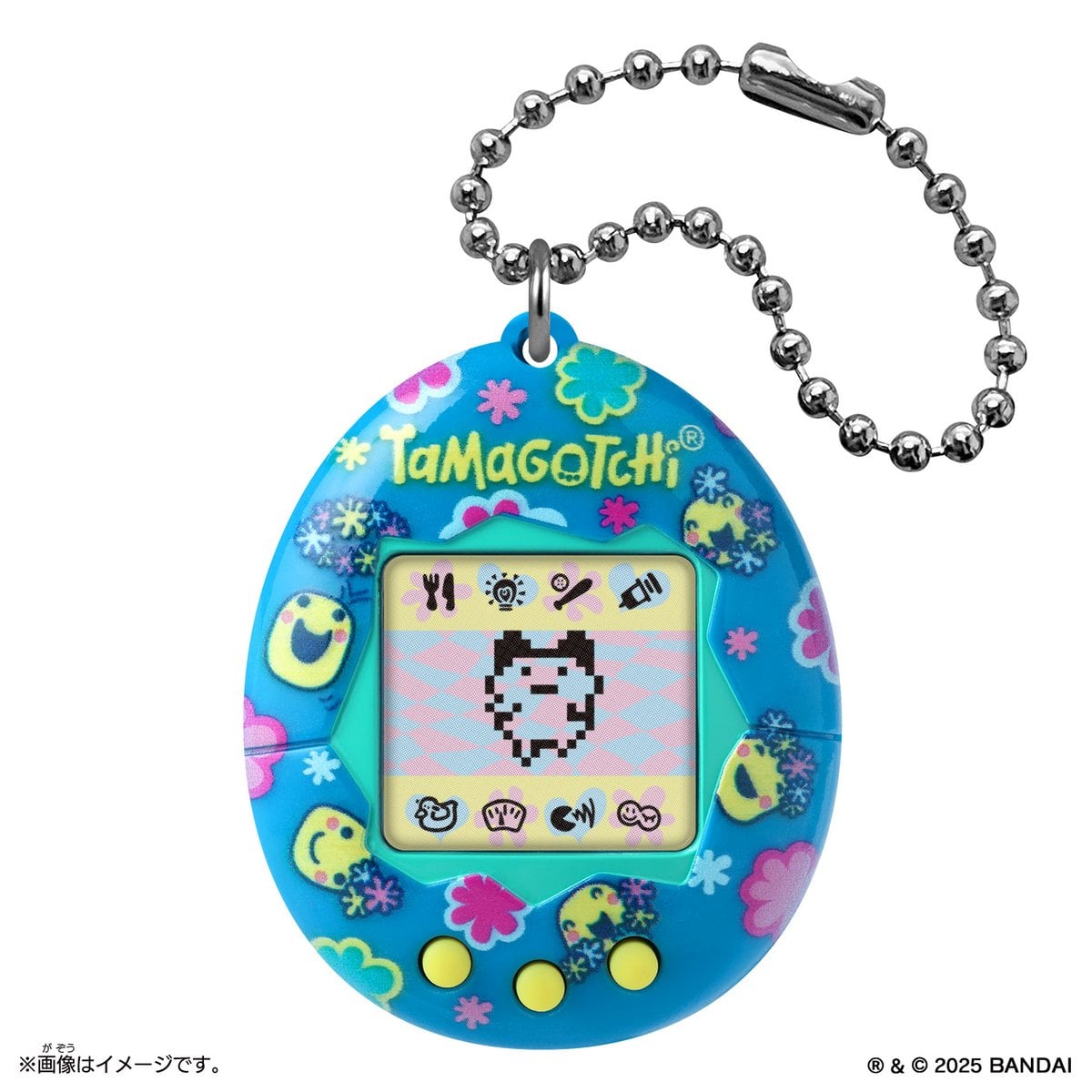
The egg-shaped pet that schools banned. It reached the US on May 1, 1997, after a craze in Japan, and went for about $15–18. FAO Schwarz sold 30,000 in its first three days and QVC sold 6,000 in five minutes. By mid-June more than 3.5 million had sold in the US.
Feed it, clean up after it, or it died. That was the whole game, and kids loved it. Bandai Namco's 2025 fact book puts lifetime sales at 98.1 million. Rare 1997 variants such as the Tamagotchi Ocean have sold for up to around $300 (2024), and Bandai still sells reissues and the new Tamagotchi Paradise.
Worth now: Still sold today
2. Nintendo 64 (1996)
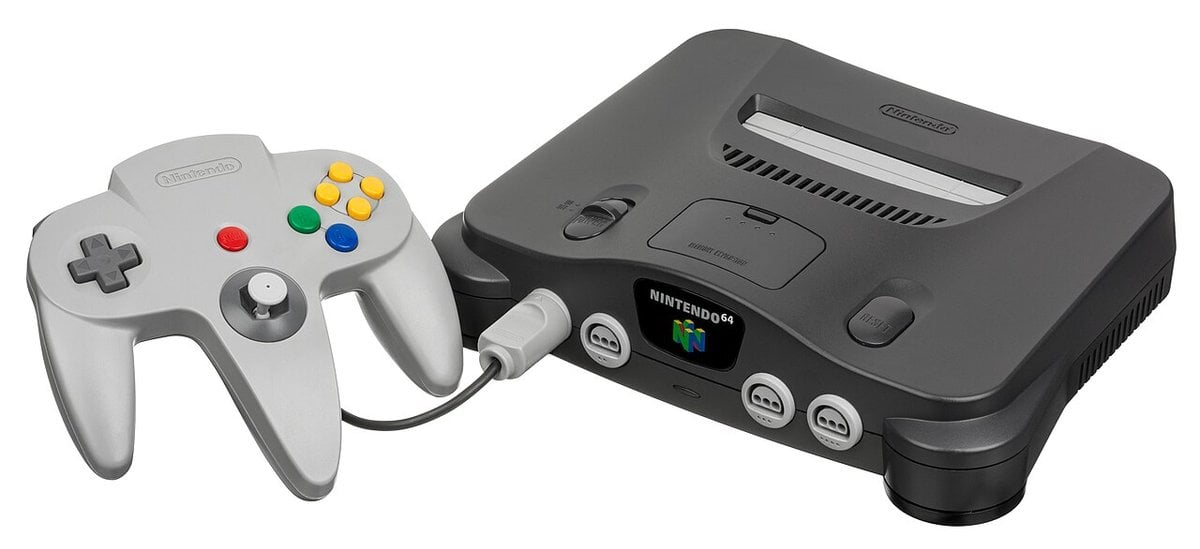
The N64 went on sale on September 26, 1996, for $199.99, about $429 today. Retailers sold 350,000 of the 500,000 launch units in three days, and 3.6 million in the US by the end of its first full year.
Super Mario 64 in 3D and a strange three-pronged controller made every other console look old. It sold 32.93 million worldwide, fewer than the PlayStation, but it owned the sleepover. A loose console goes for around $73 and a boxed one around $337 (2026).
Worth now: About $75 loose, $340 boxed
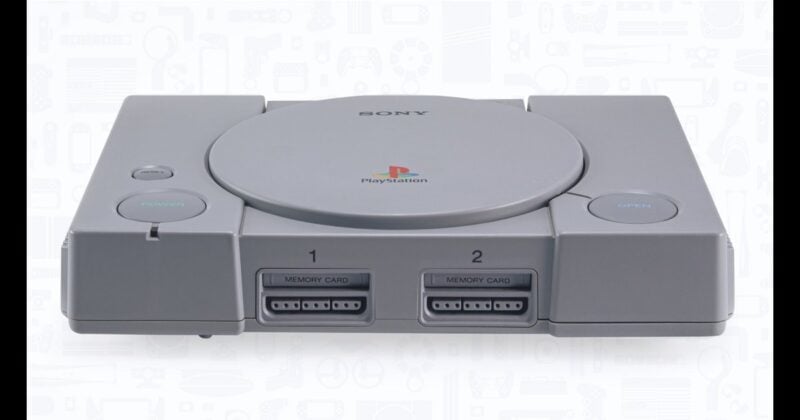
3. Sony PlayStation (1995)
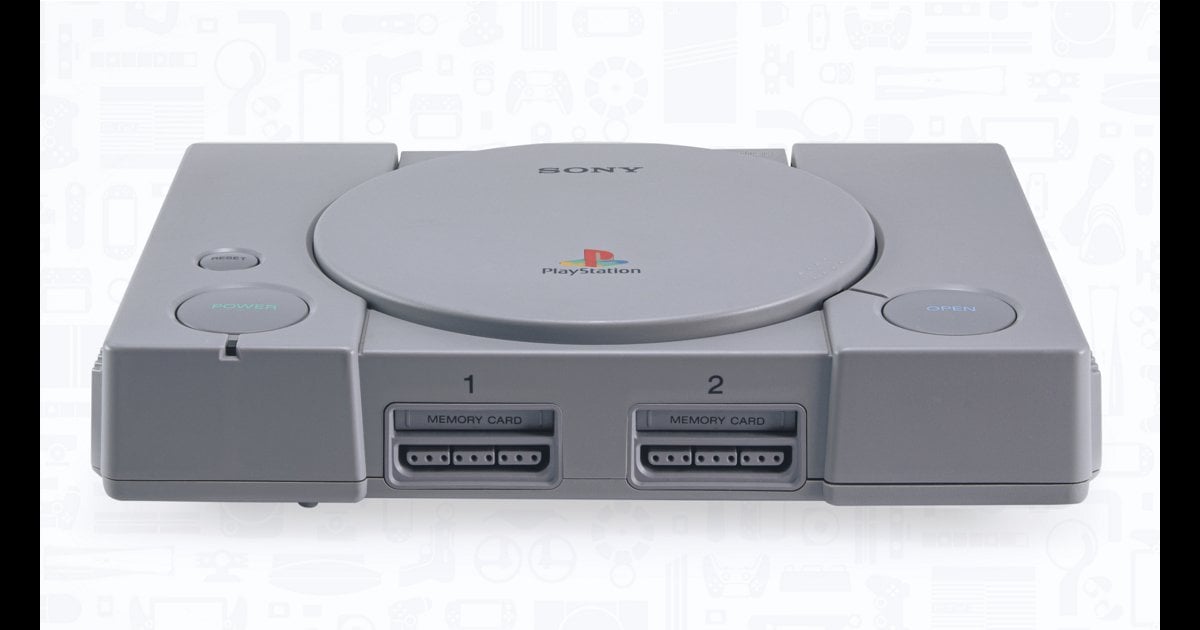
Sony's first console launched in North America on September 9, 1995, at $299, about $661 today. It sold more in two days than the Sega Saturn had in five months, and 800,000 in the US by the end of 1995.
CDs meant cheap games, big soundtracks and cutscenes, and the grey box became the console teenagers actually wanted. It finished with 102.49 million sold and was the first home console to ship more than 100 million. Because so many were made, they're cheap now: around $60 loose, $92 boxed (2026).
Worth now: About $60 loose, $90 boxed
4. Game Boy Color (1998)
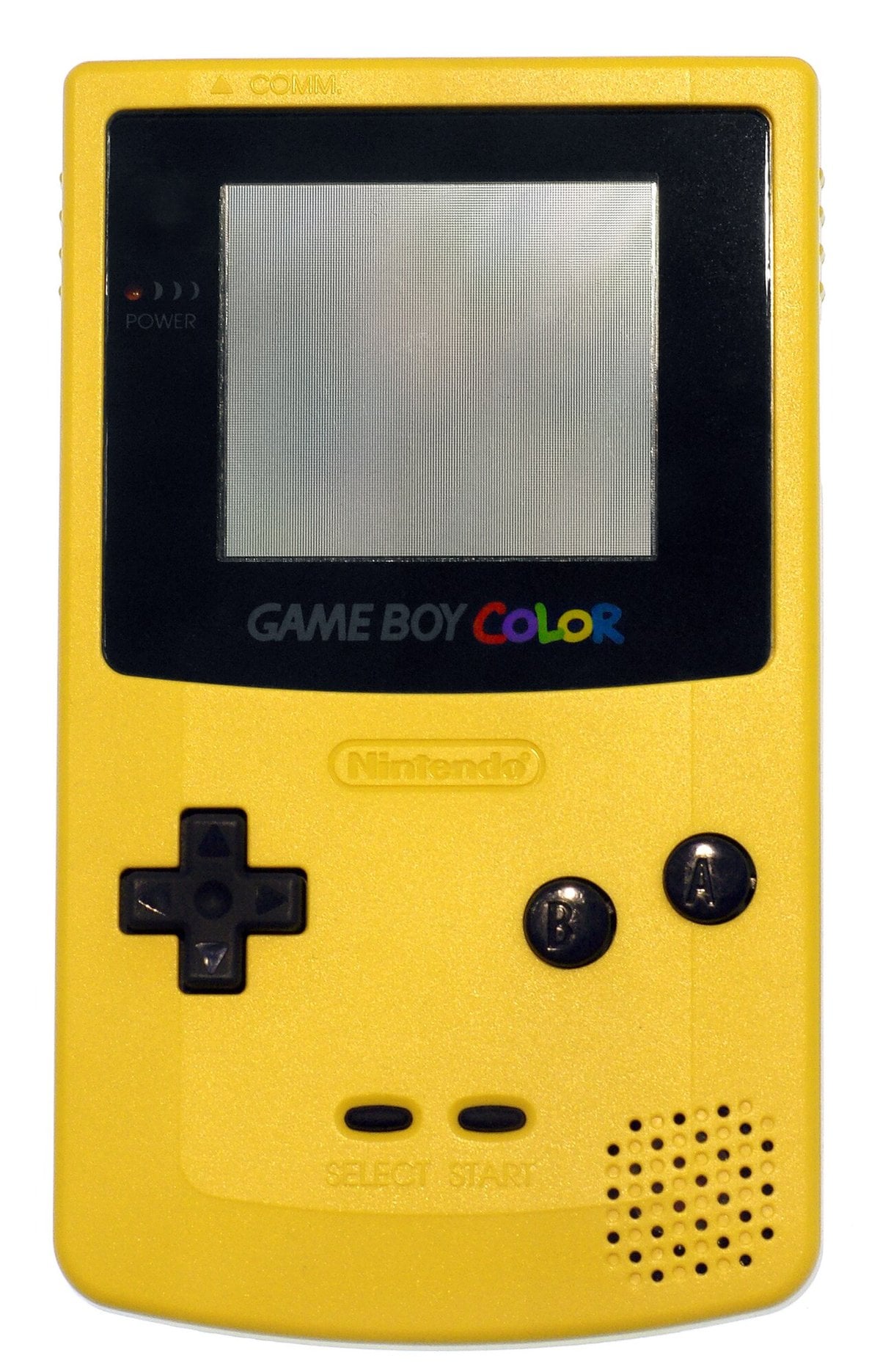
The Game Boy finally got a colour screen on November 18, 1998, for $79.95, about $165 today. It came in Berry, Grape, Kiwi, Dandelion, Teal and a see-through Atomic Purple that half the playground wanted.
Pokémon did the rest. Gold and Silver alone shipped 23 million copies. Nintendo counts the Game Boy and Game Boy Color together at 118.69 million units. A Teal one goes for around $70 loose or $184 boxed, while a boxed Pokémon Special Edition reaches about $1,120 (2026).
Worth now: About $70 loose; $1,000+ for boxed Pokémon editions
5. Furby (1998)
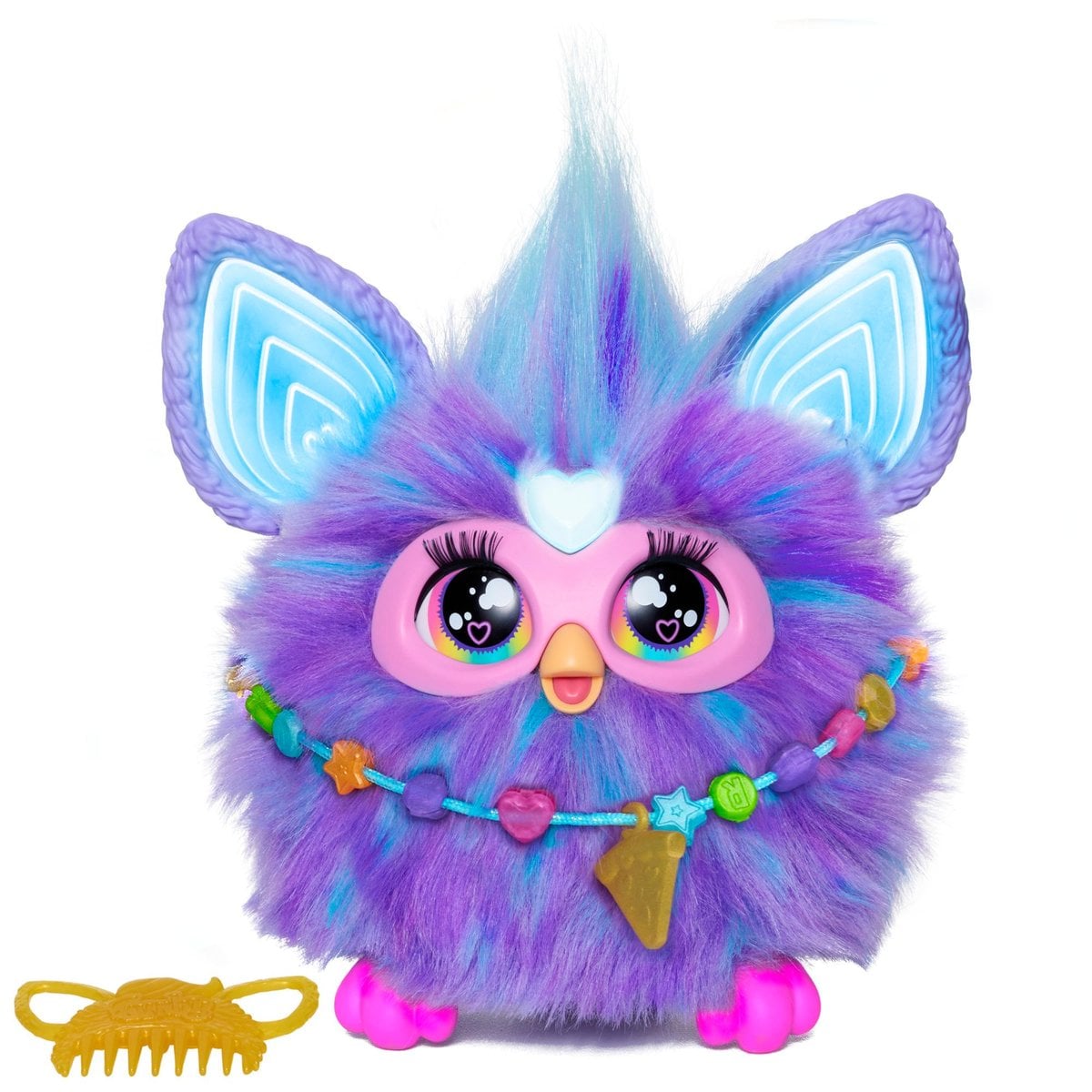
The talking owl-hamster launched on October 2, 1998, at about $35, roughly $72 today. Tiger Electronics sold 1.8 million that year, 14 million in 1999 and more than 40 million in three years. Shortages pushed resale prices past $100, sometimes several hundred.
It “learned” English over time, which was enough for the NSA to ban it from its offices until the ban was withdrawn. The good news: originals were made in such numbers that a sealed 1998 Furby sold on eBay for $34 in 2025. Hasbro relaunched the line in 2023.
Worth now: Still sold today
6. Super Nintendo (1991)
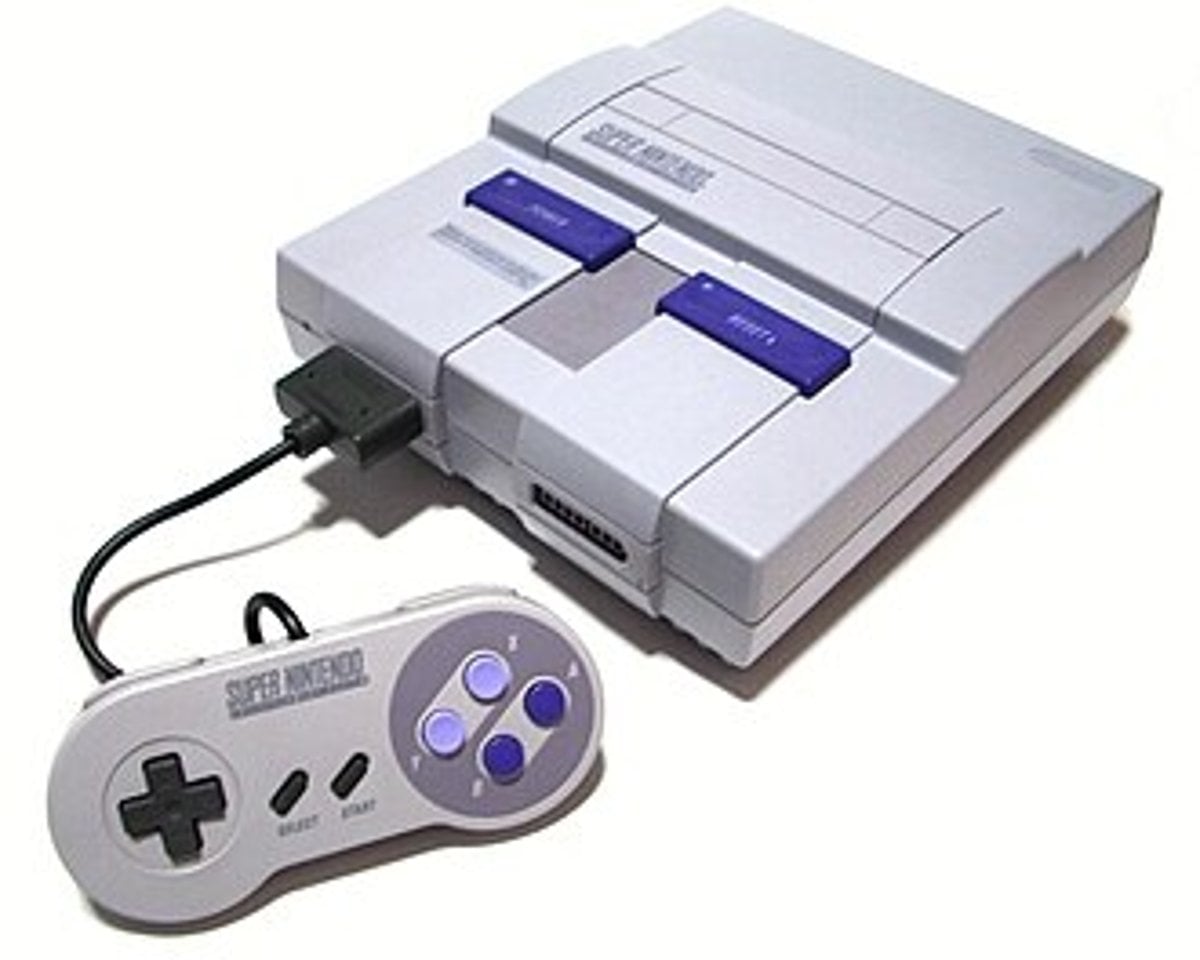
The SNES reached US stores in late August 1991 for $199, about $492 today, bundled with Super Mario World. It walked into the decade's console war against the Sega Genesis and came out with Street Fighter II, Donkey Kong Country and Zelda.
Nintendo sold 49.1 million worldwide, 23.35 million of them in North America. A loose console sells for around $91, a boxed one around $294, and sealed units near $1,190 (2026).
Worth now: About $90 loose, $295 boxed
7. Talkboy (1993)
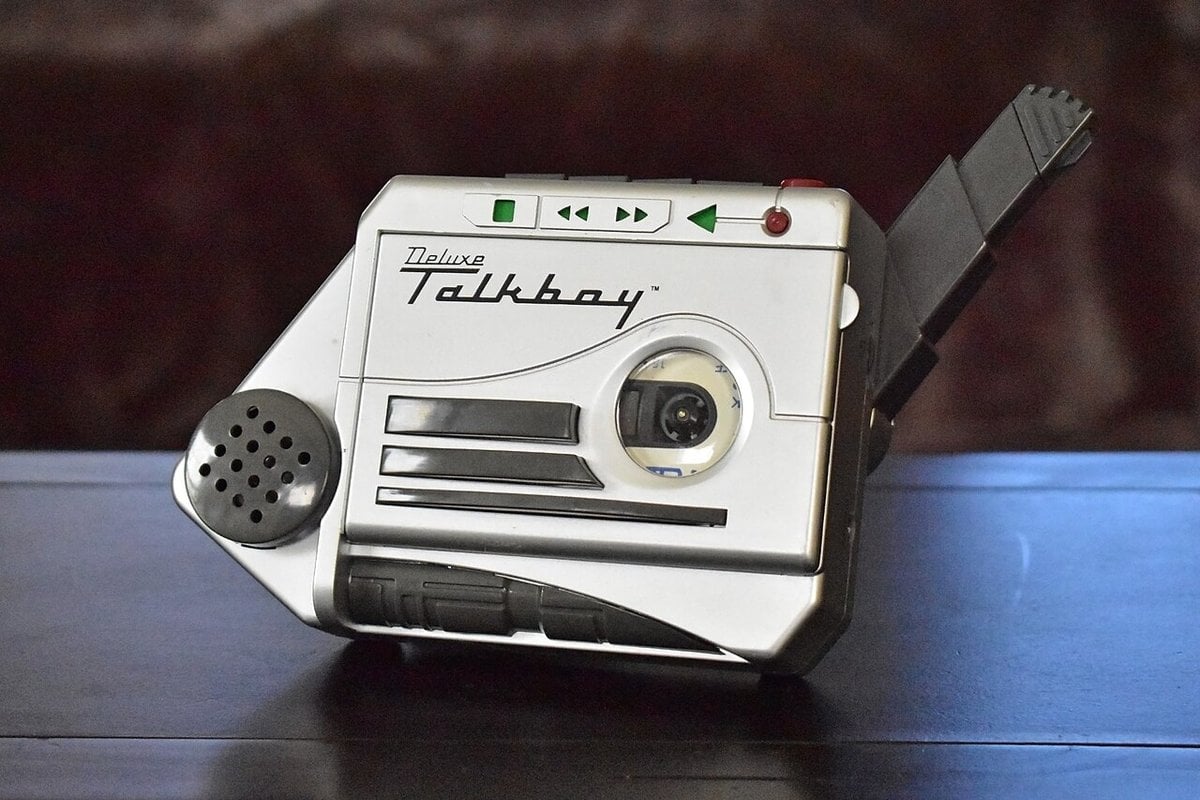
Kevin McCallister used one to fool a hotel in Home Alone 2, and every kid watching wanted one. Fox's talks with Mattel fell through, so Tiger Electronics built it. The voice-slowing Deluxe Talkboy arrived for Christmas 1993 at $30, about $70 today, though some stores charged $50 during the shortage.
Tiger sold hundreds of thousands and reckons it could have sold closer to 2 million with more factory capacity. Hasbro let the trademark lapse in 1999. A boxed Deluxe with tapes has been listed for around $380 on eBay (2024).
Worth now: Around $380 boxed
8. Game Boy Pocket (1996)
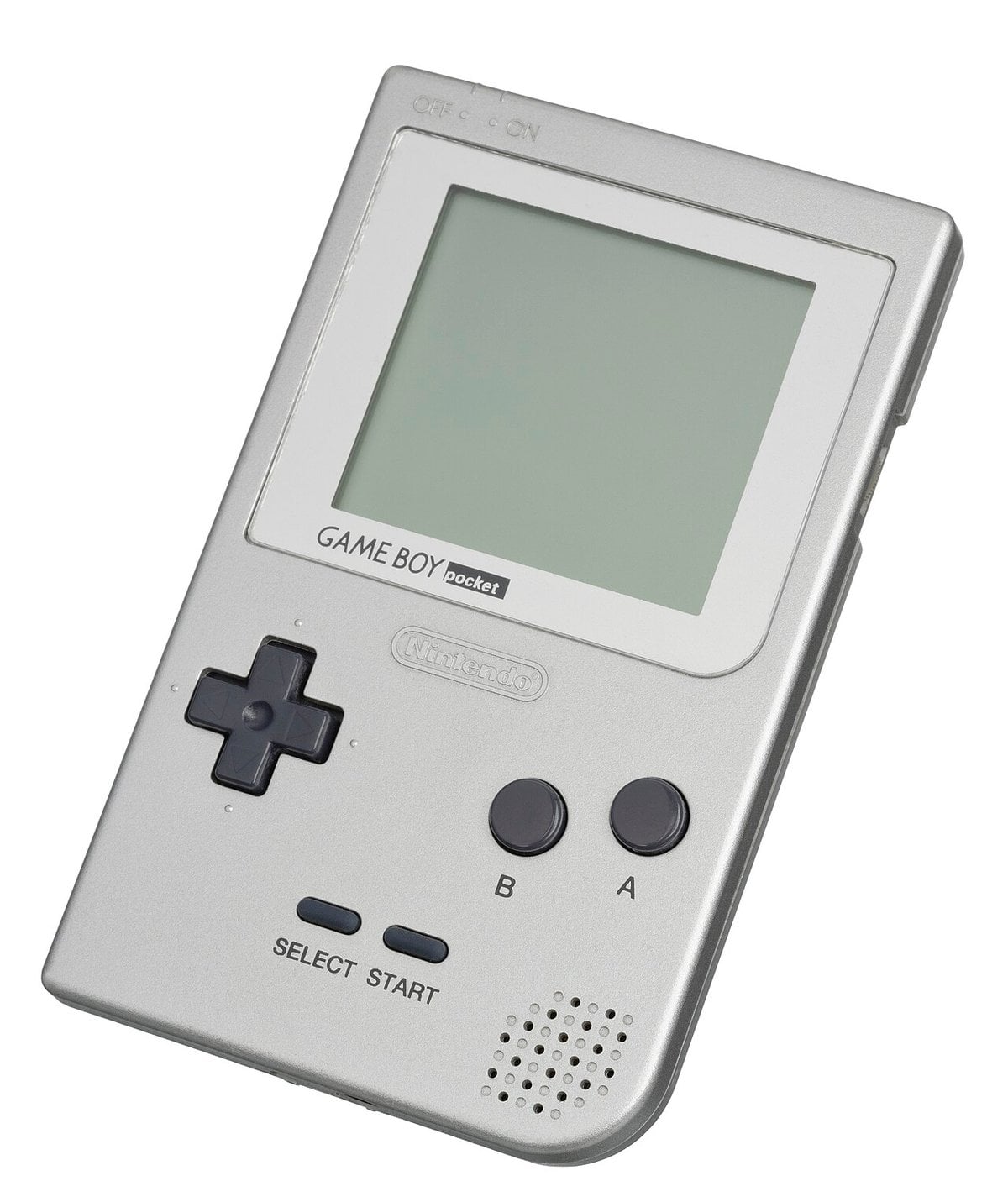
The Game Boy finally fit in a pocket on September 2, 1996, for $69.99, about $150 today. It was slimmer, had a new screen and ran on two AAA batteries instead of four AAs.
Critics said it was the same black-and-white games repackaged. Kids didn't care: it came in silver, black, clear and a run of bright colours, and Pokémon Red and Blue landed on it in 1998. Nintendo cut the price to $54.95 the following year. Most colours now go for around $55–85 loose, while the gold Nintendo Power 100 prize edition sells for about $1,640 (2026).
Worth now: About $55–85 loose
9. Pokémon Pikachu (1998)
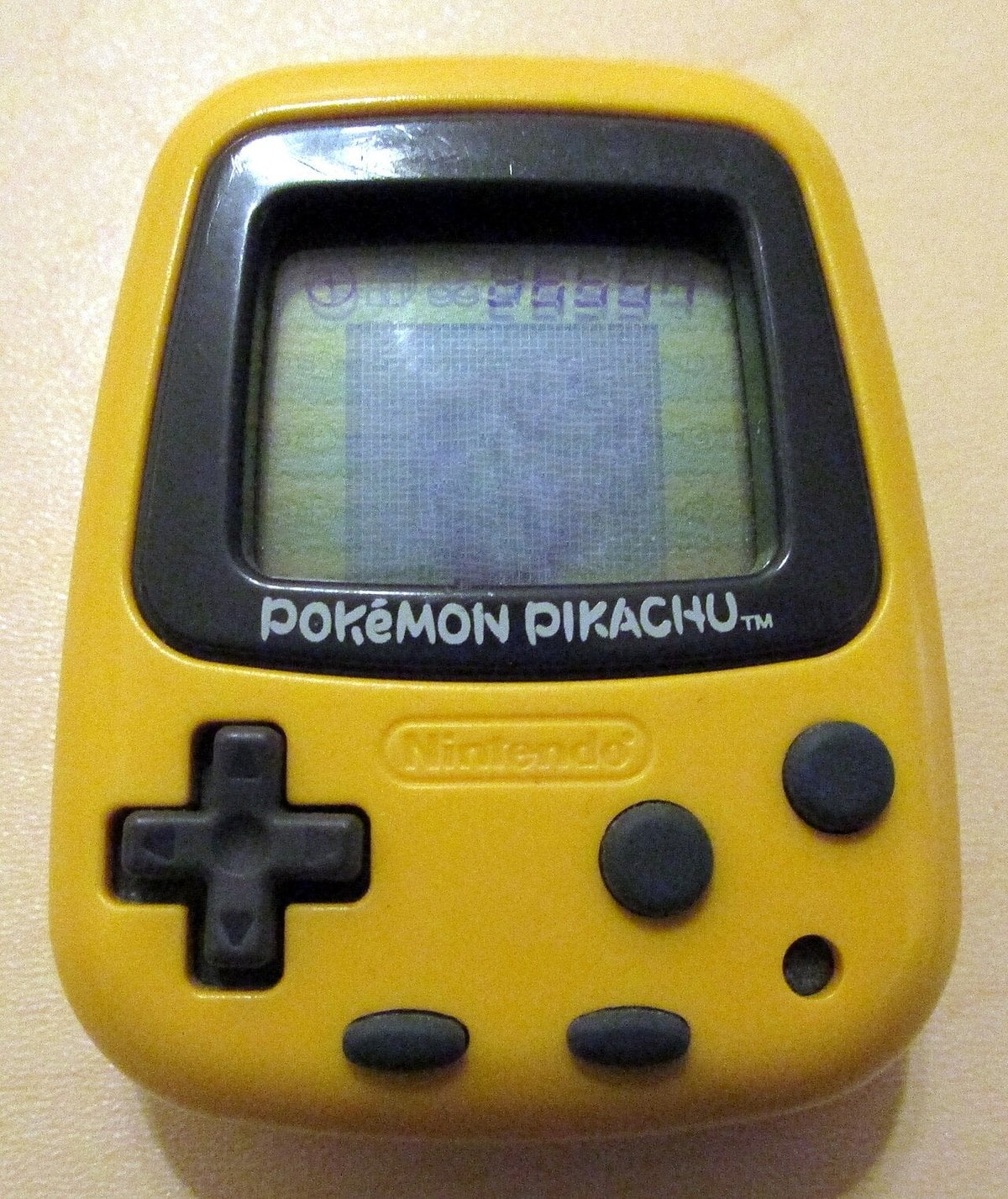
A Tamagotchi with Pikachu inside and a pedometer on the back. It reached North America on November 2, 1998, for $19.95, about $41 today. Every 20 steps earned a “watt” you could spend on presents for Pikachu; ignore him and he got angry, then stopped recognising you.
It got kids walking years before step counters were cool. The Pikachu 2 GS sequel could even beam watts into Pokémon Gold and Silver. Originals sold on eBay for between about $37 and $71 in 2025.
Worth now: About $40–70
10. Sega Dreamcast (1999)
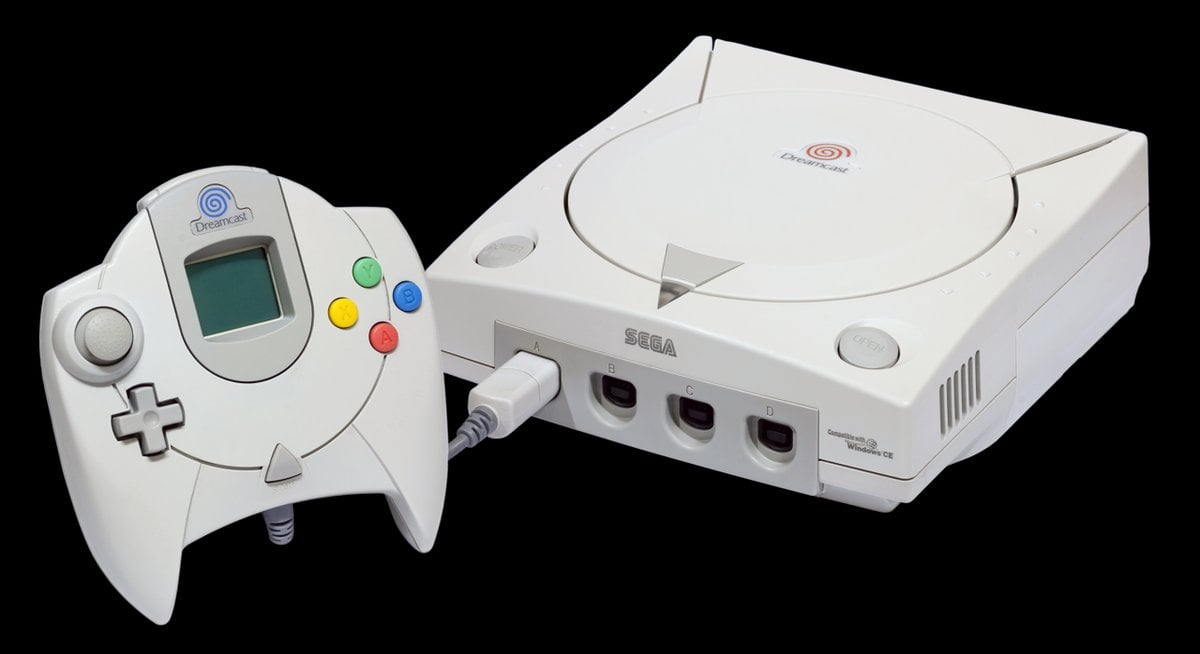
“9/9/99 for $199.” The Dreamcast launched on September 9, 1999, about $402 today, with a modem built in for online play. Sega presold 300,000 units and sold more than 225,132 in 24 hours, earning $98.4 million.
Sonic Adventure and Soulcalibur looked a generation ahead, but the PlayStation 2 was coming. Sega stopped making it in March 2001 after 9.13 million sales and quit consoles altogether. Today a loose one is around $139, boxed around $233 (2026).
Worth now: About $140 loose, $235 boxed
11. Sega Game Gear (1991)
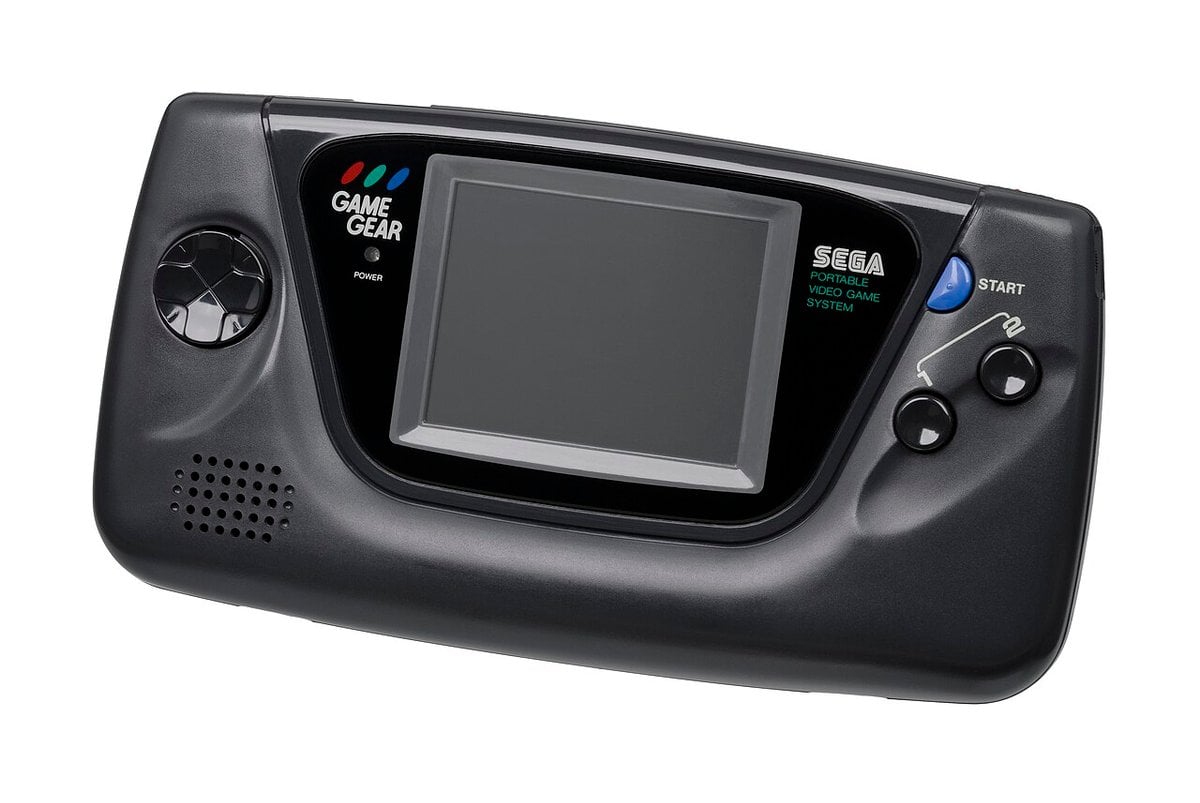
Sega's answer to the Game Boy arrived in North America in April 1991 for $149.99, about $371 today, with Columns in the box. It had what the Game Boy didn't: a backlit colour screen and a TV Tuner add-on that turned it into a pocket television.
The catch was six AA batteries for three to five hours of play. It's reported to have sold around 14 million units. A loose Game Gear now goes for around $137, a boxed one about $375 (2026).
Worth now: About $135 loose, $375 boxed
12. Game Boy Camera (1998)
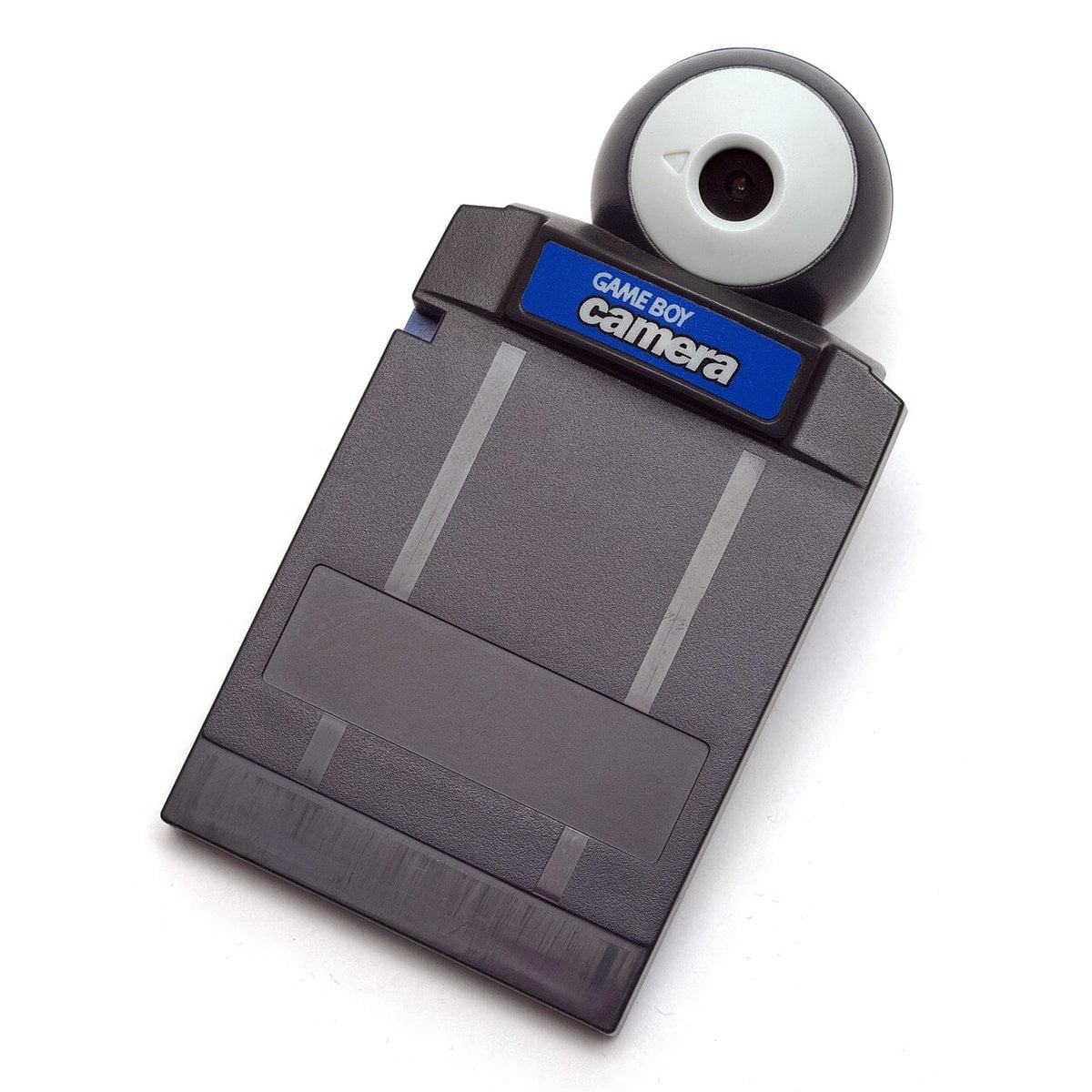
A digital camera for kids, years before phones had them. It plugged into the cartridge slot, launched in North America on June 1, 1998, and cost $49.95, about $103 today.
The 128×128-pixel sensor took grainy four-shade photos you could stretch, stamp and turn into animations. It sold close to 500,000 units in its first three weeks in Japan. Originals are cheap today: around $49 loose or $105 boxed (2026).
Worth now: About $50 loose, $105 boxed
13. Game Boy Printer (1998)
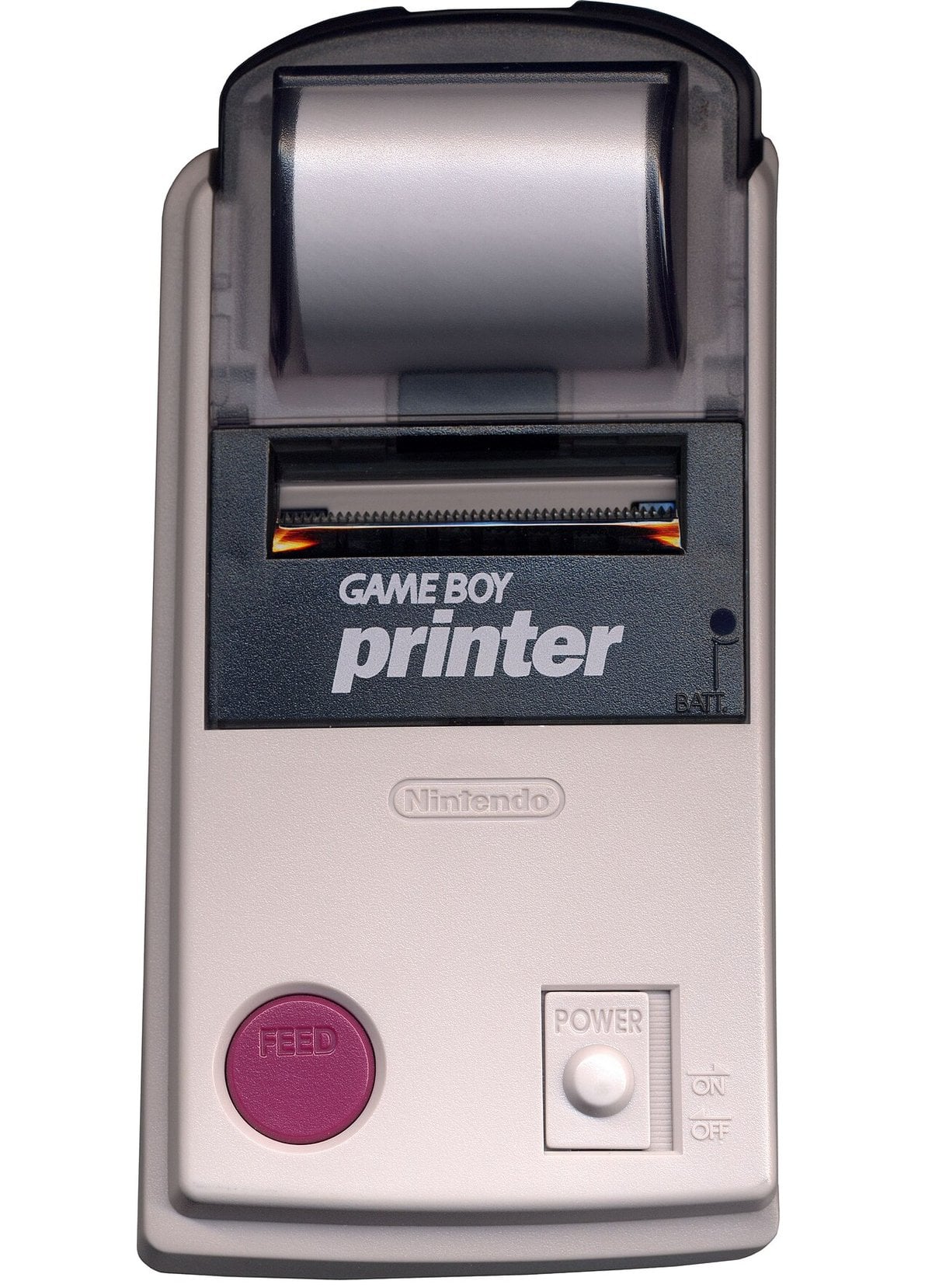
The camera's partner arrived the same day for $59.95, about $124 today. It printed on thermal paper with a sticky back, so every photo became a sticker. Refill rolls were $9.95.
Around 110 games supported it, including Pokémon Yellow, which let you print your Pokédex. Most were Japan-only, but 35 came out elsewhere. A loose US printer sells for around $65, boxed about $131, while Japan's yellow Pikachu Pocket Printer goes for about $269 loose (2026).
Worth now: About $65 loose, $130 boxed
14. Rumble Pak (1997)
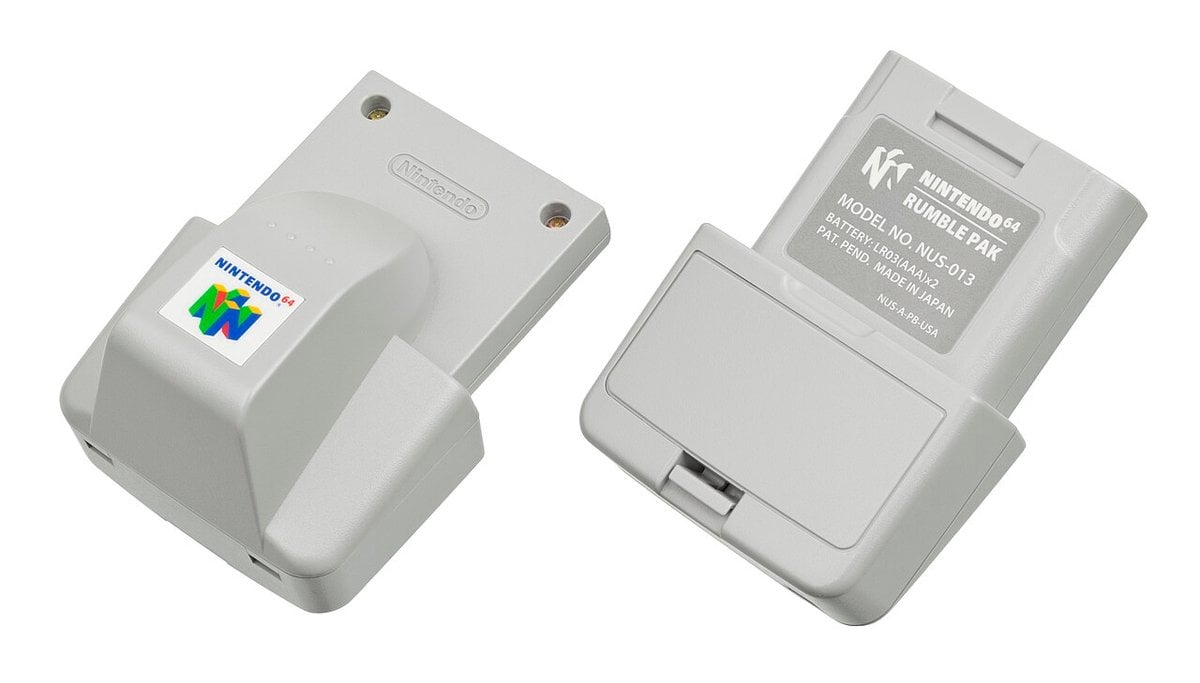
The controller that shook. Nintendo bundled it with Star Fox 64 in July 1997, then sold it on its own for $19.95, about $42 today. It took two AAA batteries and slotted into the back of the controller.
Feeling an Arwing take a hit was new in 1997. Electronic Gaming Monthly named it best peripheral of the year, and within one console generation rumble was standard on every controller. Originals are easy to find now, at roughly $30–60 (2026).
Worth now: About $30–60
15. Super Game Boy (1994)
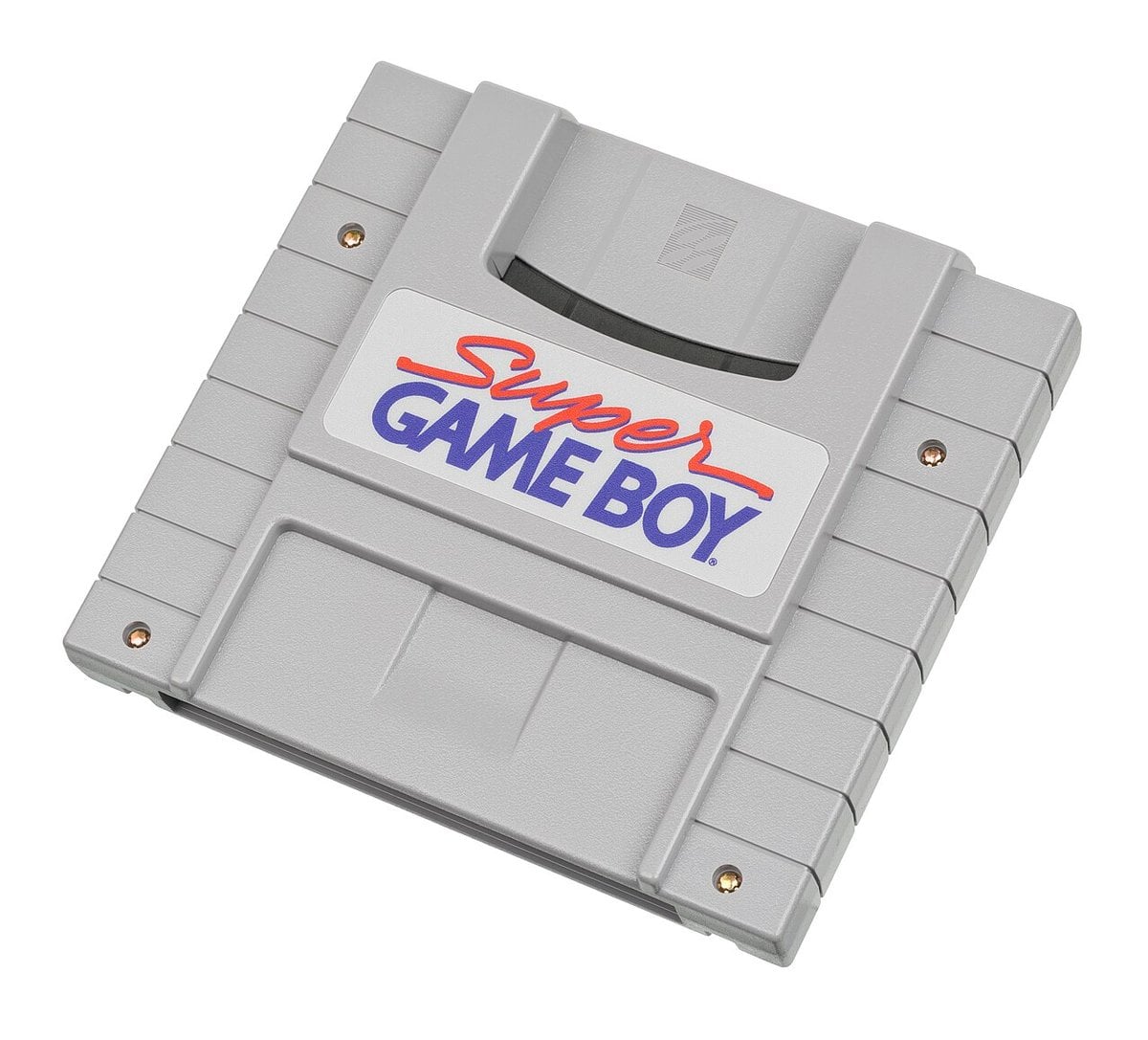
Game Boy games on the big TV, in colour. The Super Game Boy slotted into a Super Nintendo and launched in North America on July 22, 1994, for $59.99, about $136 today.
You could pick your own colour palettes and borders, and some games, Pokémon included, came with custom colours and frames built in. It also meant your sibling could watch you play. A loose one is around $32, boxed around $60 (2026).
Worth now: About $30 loose, $60 boxed
16. Sega Saturn (1995)
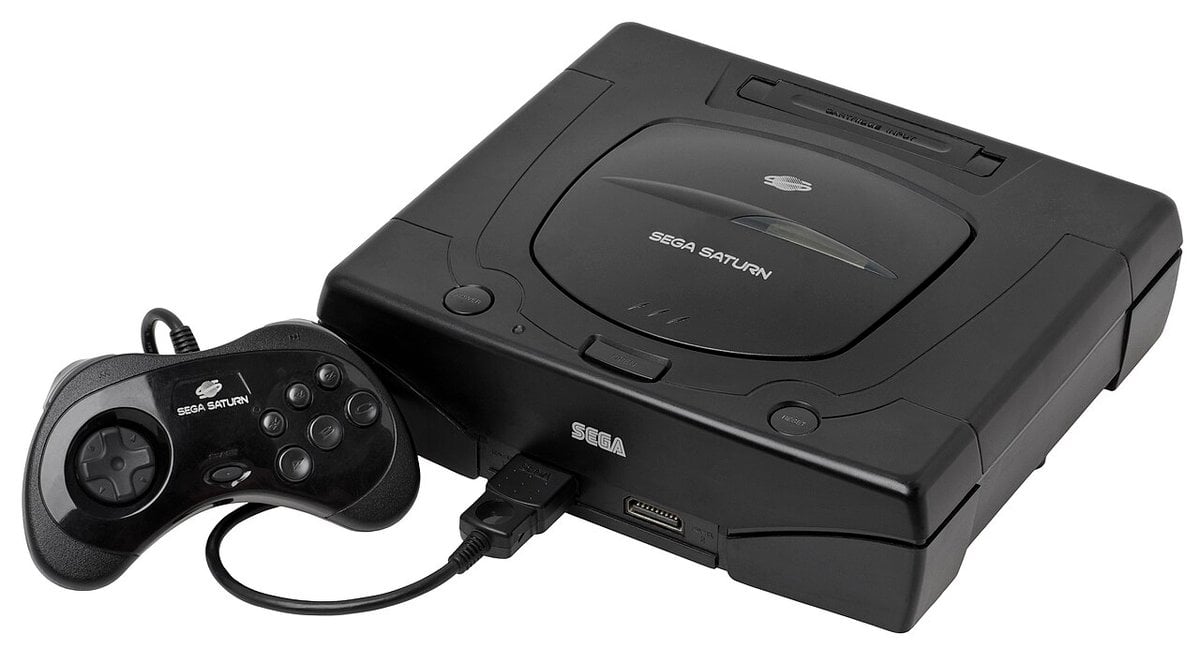
Sega launched the Saturn in a surprise on May 11, 1995, four months early, at $399. That's about $882 today, and it made the PlayStation's $299 look like a bargain.
Sega cut the price to $299 that October, but it was too late. The Saturn sold 9.26 million worldwide, only 1.8 million of them in the US, and became the console most kids saw at a friend's house rather than their own. Today a loose one goes for around $153, boxed around $265 (2026).
Worth now: About $150 loose, $265 boxed
17. Sega CD (1992)
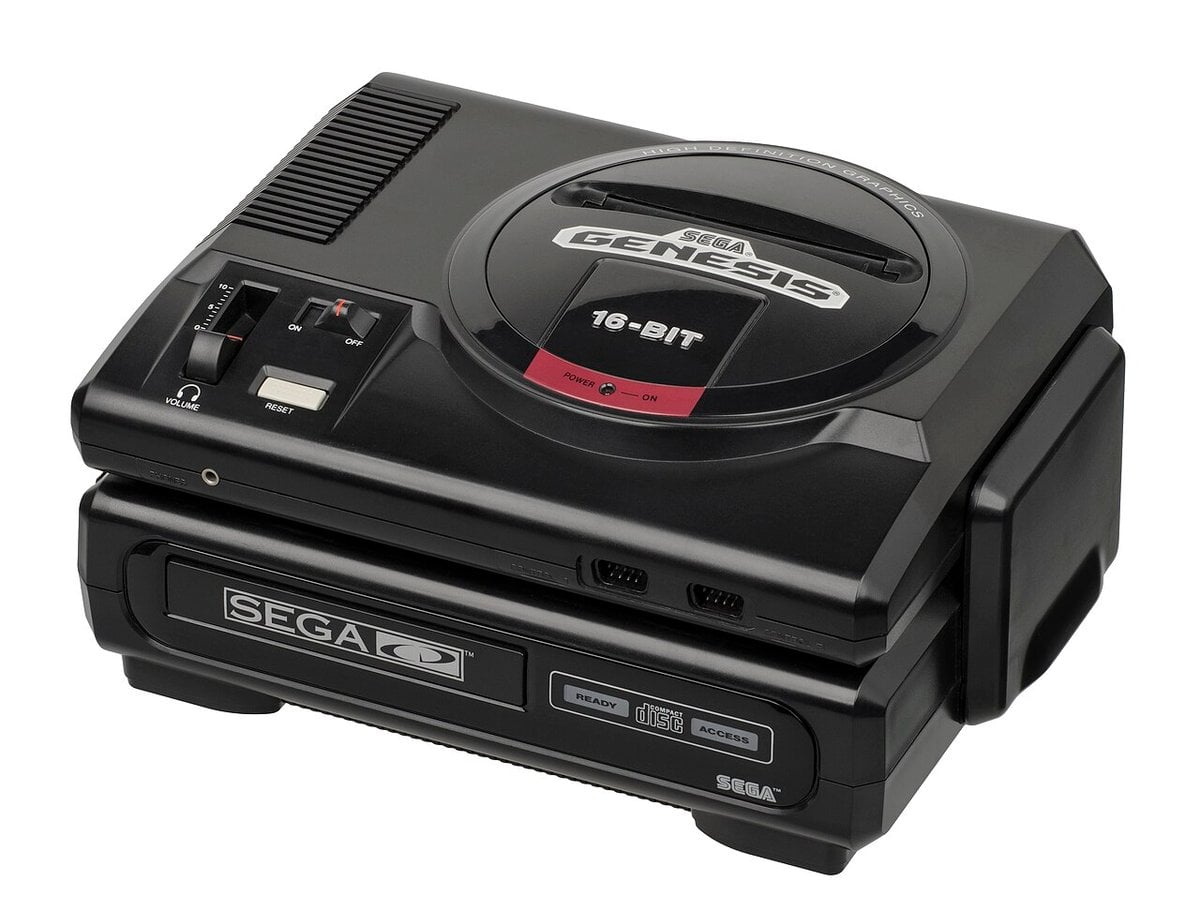
A CD drive that sat under the Genesis and promised movie-quality games. It launched in North America on October 15, 1992, for $299, about $718 today.
Full-motion video games like Night Trap were the draw, and Night Trap became the star of the 1993 congressional hearings on video game violence, which only made kids want it more. It sold about 1.5 million in the US by 1994 and 2.24 million worldwide. The front-loading Model 1 is now the pricey one, at around $400 loose or $1,010 boxed (2026).
Worth now: About $200–400 loose
18. Sega 32X (1994)
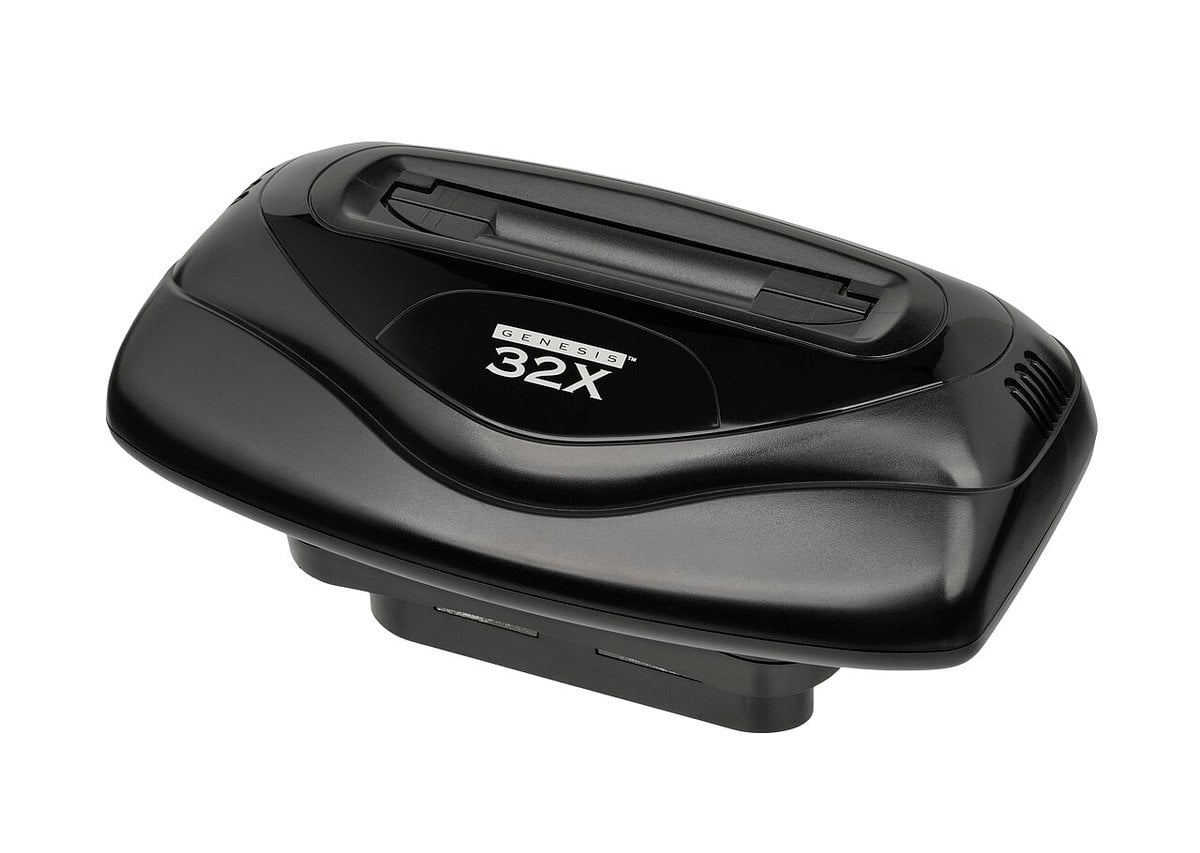
The mushroom-shaped cartridge that promised to turn a Genesis into an “arcade system”. It launched on November 21, 1994, for $159.99, about $364 today, with Doom and Virtua Racing.
Demand was real: retailers ordered more than a million and about 500,000 sold by Christmas 1994. Then the Saturn arrived, Sega cut the 32X to $99, cleared the last units at $19.95, and dropped it in 1996. A loose one now sells for around $199, boxed about $298 (2026), more than it cost new.
Worth now: About $200 loose, $300 boxed
19. Sega Channel (1994)
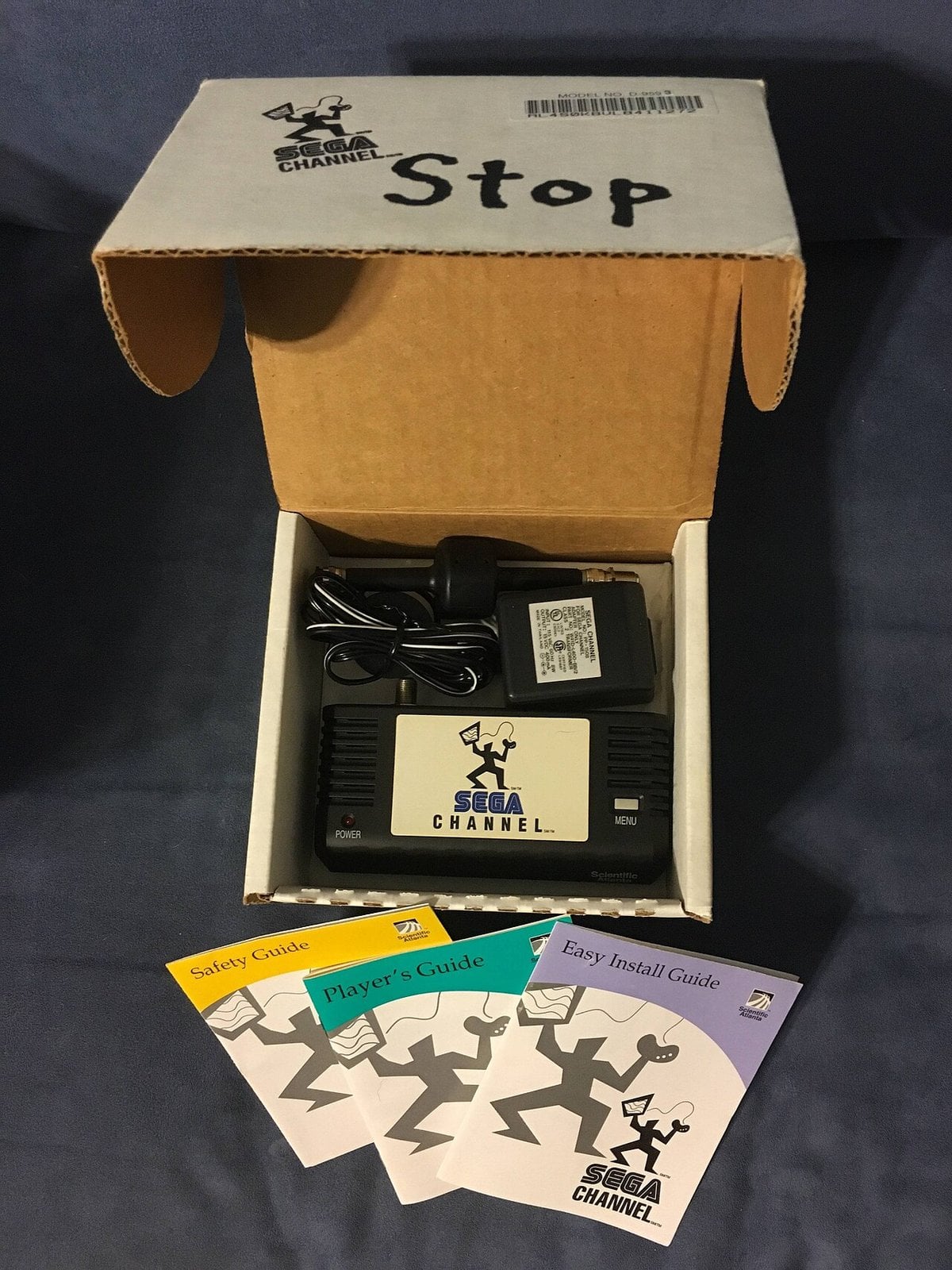
Game streaming, in 1994. The Sega Channel launched on December 12, 1994, and piped Genesis games down your cable TV line into an adapter cartridge. It cost about $15 a month plus a $25 activation fee that included the adapter.
For kids it meant new games every month without a trip to Blockbuster. It peaked at more than 250,000 subscribers and shut down on July 31, 1998. The adapter is now a collector's item, at around $80 loose or $189 boxed (2026).
Worth now: About $80 loose, $190 boxed
20. Lego Mindstorms (1998)
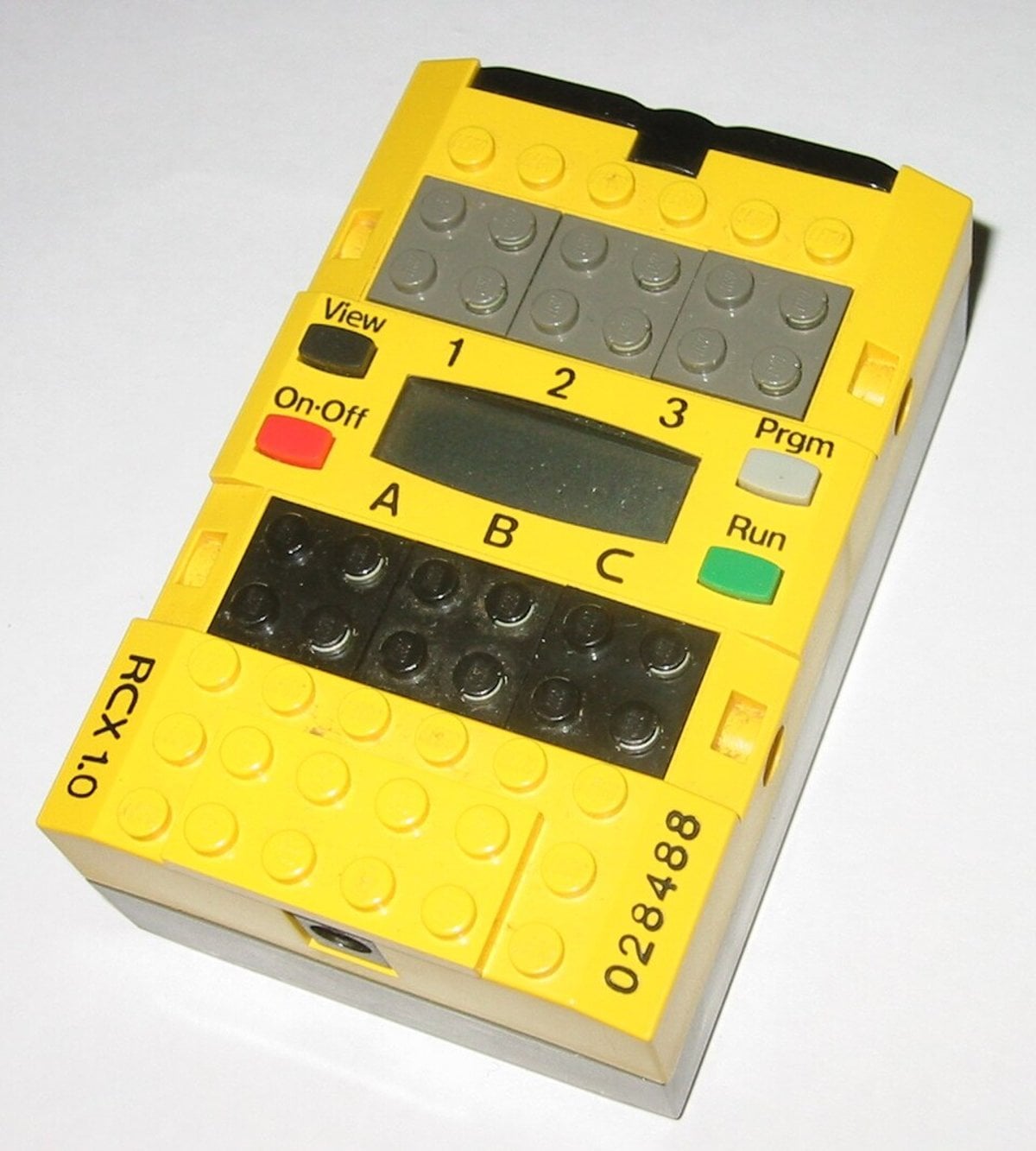
Lego you could program. The Robotics Invention System went on sale in September 1998 for $199, about $411 today, with a yellow RCX “brick” computer, motors and sensors.
The first production run of 60,000 to 100,000 sets sold out within three months, and Mindstorms kept going for more than two decades until Lego discontinued it on December 31, 2022. A complete 1.0 set sells for around $87 (2026), much less than it cost new.
Worth now: About $85–90 complete
21. Sega Nomad (1995)
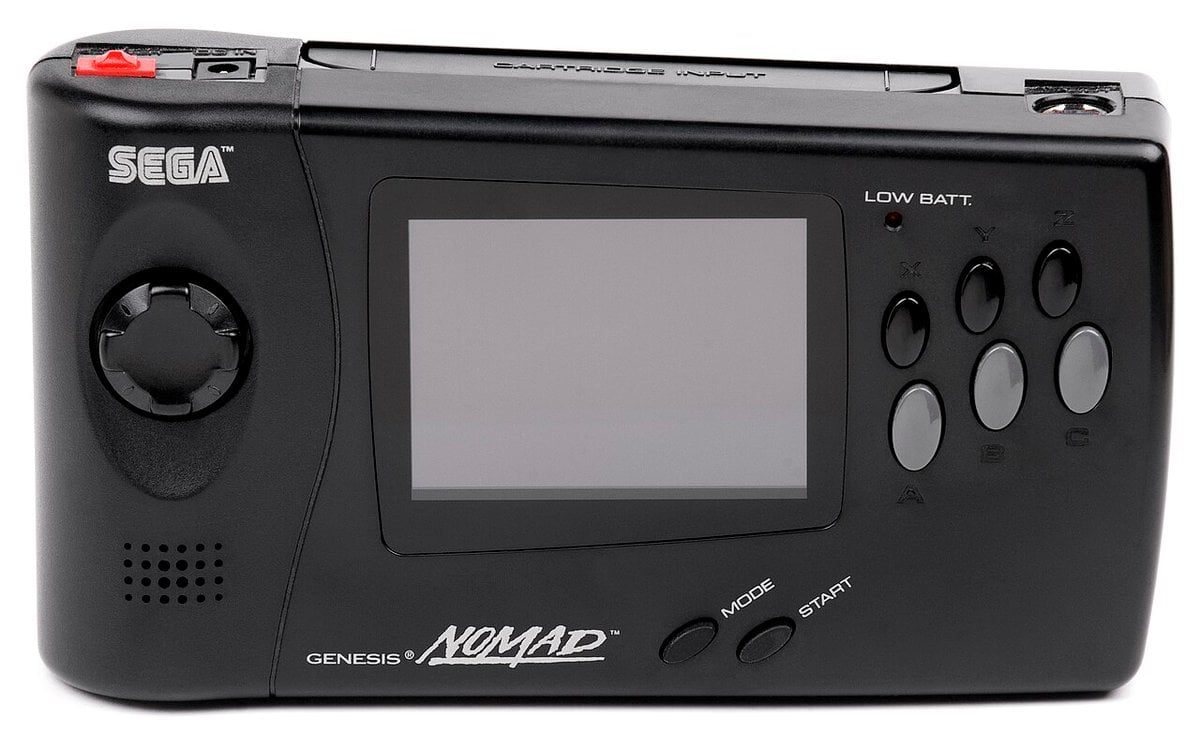
A whole Genesis in your hands. The Nomad launched in North America in October 1995 for $179, about $396 today, and played real Genesis cartridges on a backlit colour screen. It could even plug into a TV.
It was every kid's dream on a long car journey, at least for two to three hours, which is how long six AA batteries lasted. About 1 million sold before it was discontinued in 1999. That scarcity shows: a working Nomad goes for around $300, and boxed ones near $600 (2026).
Worth now: About $300 loose, $600 boxed
22. Virtual Boy (1995)
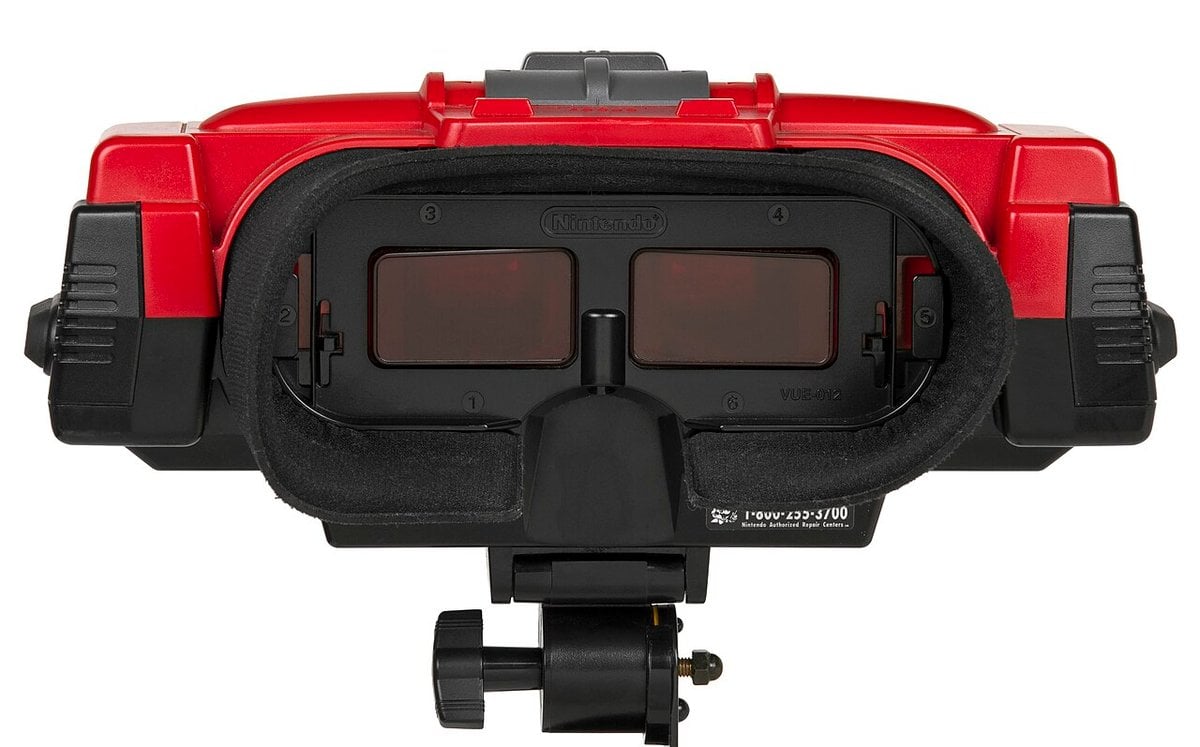
Nintendo promised 3D virtual reality, and the TV ads worked. The Virtual Boy launched in North America on August 14, 1995, for $179.95, about $398 today. In practice it was a red-and-black headset on a stand, and plenty of players complained of headaches.
It sold just 770,000 worldwide, Nintendo's worst-selling console, and was dropped in North America within a year. Its games returned on Nintendo Switch Online in February 2026 with a replica headset. Originals have climbed to around $400 loose and $787 boxed (2026).
Worth now: About $400 loose, $790 boxed
23. Tiger R-Zone (1995)
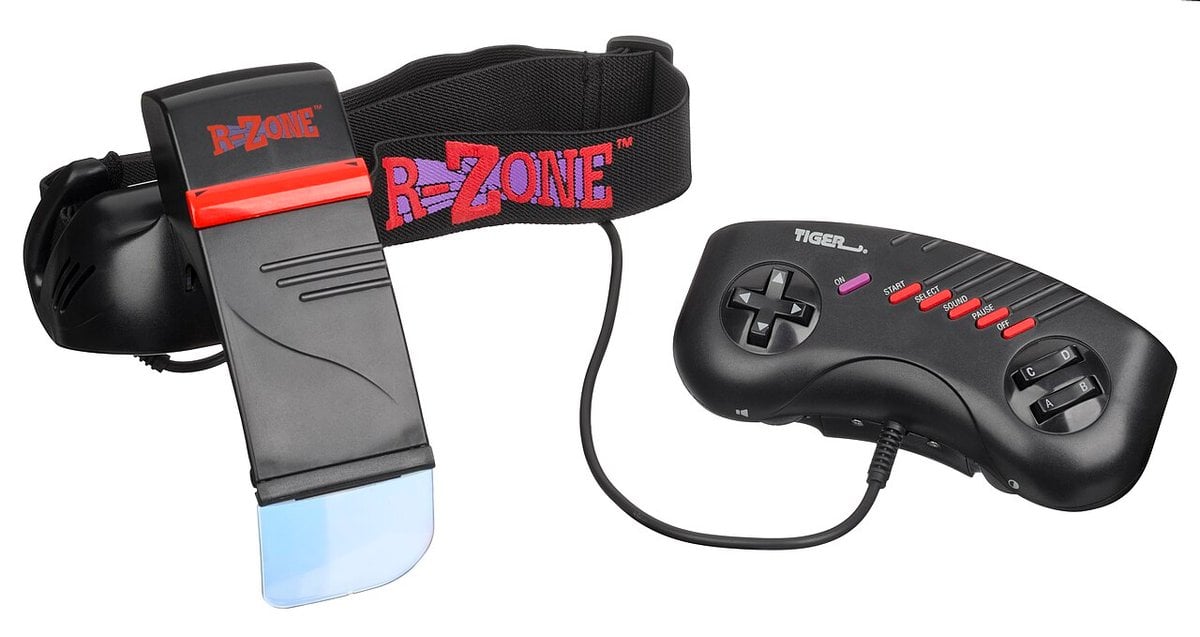
The Virtual Boy for kids whose parents said no. Tiger's R-Zone Headgear cost $29.99, about $66 today, and projected a red LCD game onto a little mirror in front of one eye.
It looked amazing in the catalogue. In real life it was a cheap LCD game strapped to your face. The Chicago Tribune called it “a waste of time and money”, and Tiger discontinued it in 1997. Boxed Headgear sets now sell for around $270 on the rare occasions they appear (2026).
Worth now: Around $270 boxed
24. Tiger Game.com (1997)
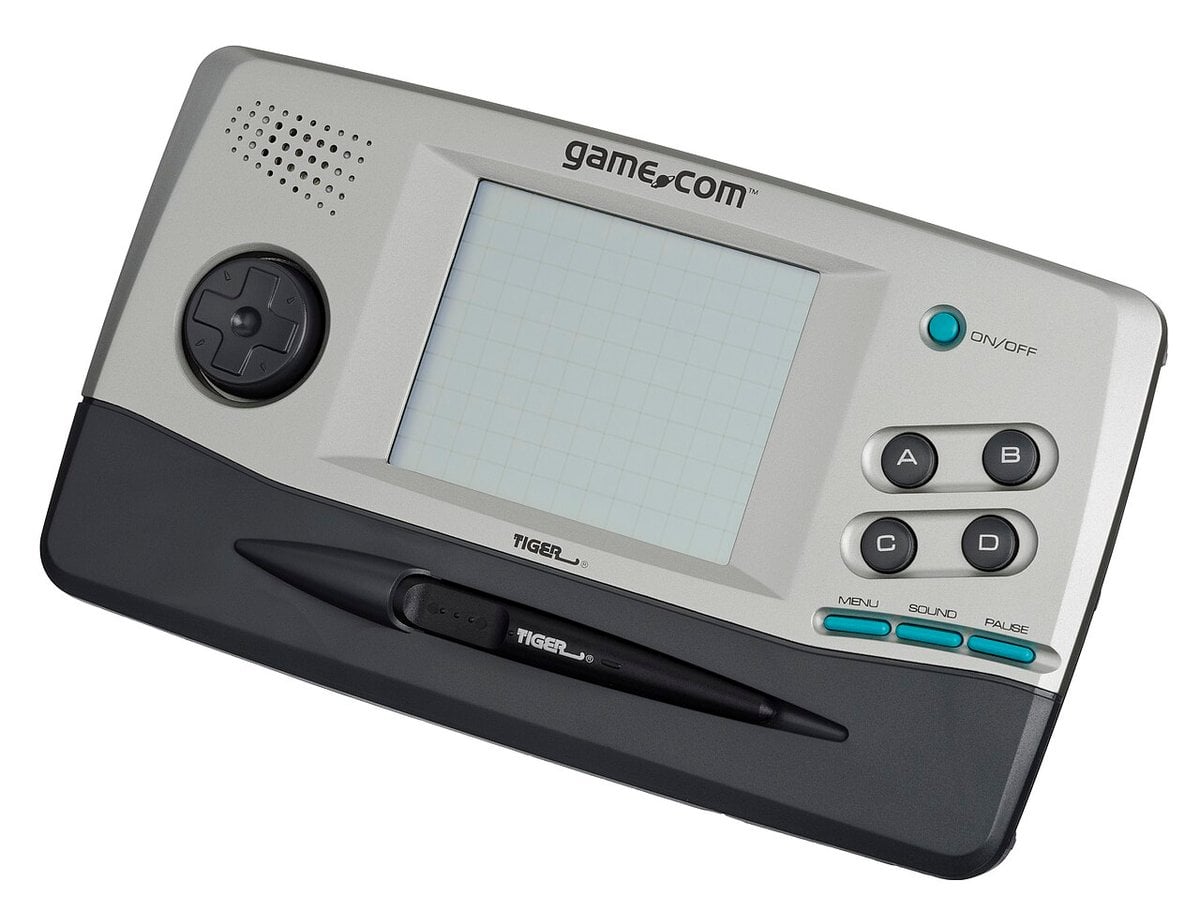
A handheld with a touchscreen and the internet, a decade early. Tiger's Game.com launched on September 12, 1997, for $69.95, about $147 today. It was the first games console with a touchscreen and the first handheld that could go online, if you bought a separate cartridge and modem.
The screen was blurry, games were slow, and fewer than 300,000 sold. PC World ranked it among the 10 worst consoles ever. Today a loose one is around $64, boxed around $105 (2026).
Worth now: About $65 loose, $105 boxed
25. Atari Jaguar (1993)
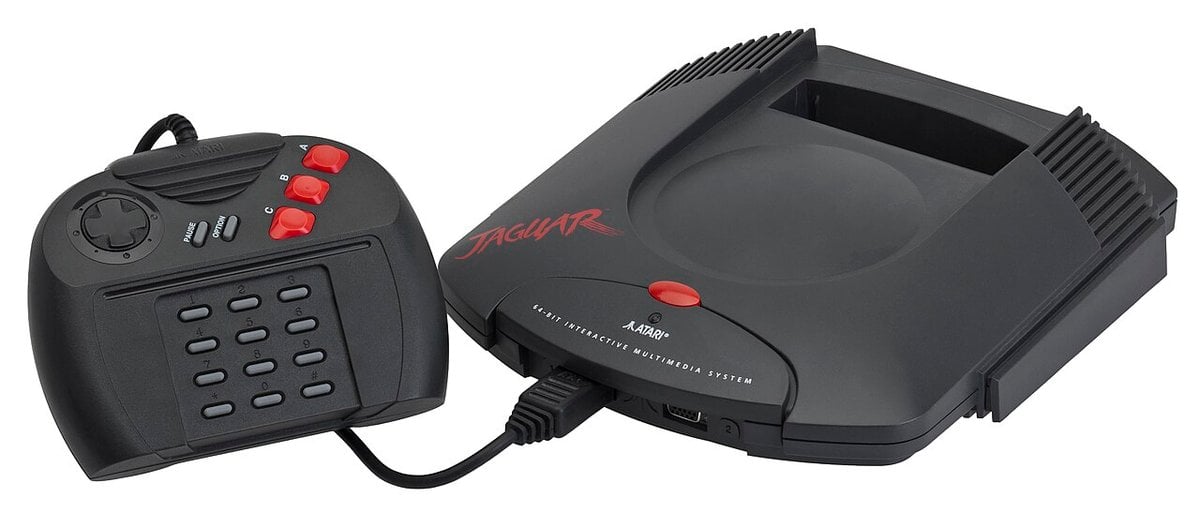
“Do the math.” Atari sold the Jaguar as the world's first 64-bit console, and the ads made Super Nintendo owners feel outgunned. It launched on November 23, 1993, for $249.95, about $583 today.
Almost nobody got one. Atari's own filing says it sold about 125,000 by the end of 1995 (other estimates say 250,000), and the price fell to $149.99. That rarity is why a loose Jaguar now sells for around $473 and a boxed one about $698 (2026), more than it cost new.
Worth now: About $470 loose, $700 boxed
Did You Know? The hottest toy of the decade wasn't a gadget. Tickle Me Elmo retailed for $28.99 in 1996, sold out its entire run of one million, and changed hands for up to $1,500 by the end of the year. One went for $18,500 in a Los Angeles radio charity auction.
The 25 at a glance
| Gadget | Year | Price then | Worth now |
|---|---|---|---|
| Tamagotchi | 1997 | $15–18 | Still sold today |
| Nintendo 64 | 1996 | $199.99 | $75 loose, $340 boxed |
| Sony PlayStation | 1995 | $299 | $60 loose, $90 boxed |
| Game Boy Color | 1998 | $79.95 | $70 loose; $1,000+ boxed Pokémon edition |
| Furby | 1998 | $35 | Still sold today |
| Super Nintendo | 1991 | $199 | $90 loose, $295 boxed |
| Talkboy (Deluxe) | 1993 | $30 | $380 boxed |
| Game Boy Pocket | 1996 | $69.99 | $55–85 loose |
| Pokémon Pikachu | 1998 | $19.95 | $40–70 |
| Sega Dreamcast | 1999 | $199 | $140 loose, $235 boxed |
| Sega Game Gear | 1991 | $149.99 | $135 loose, $375 boxed |
| Game Boy Camera | 1998 | $49.95 | $50 loose, $105 boxed |
| Game Boy Printer | 1998 | $59.95 | $65 loose, $130 boxed |
| Rumble Pak | 1997 | $19.95 | $30–60 |
| Super Game Boy | 1994 | $59.99 | $30 loose, $60 boxed |
| Sega Saturn | 1995 | $399 | $150 loose, $265 boxed |
| Sega CD | 1992 | $299 | $200–400 loose |
| Sega 32X | 1994 | $159.99 | $200 loose, $300 boxed |
| Sega Channel | 1994 | $15/month + $25 | $80 loose, $190 boxed |
| Lego Mindstorms | 1998 | $199 | $85–90 complete |
| Sega Nomad | 1995 | $179 | $300 loose, $600 boxed |
| Virtual Boy | 1995 | $179.95 | $400 loose, $790 boxed |
| Tiger R-Zone | 1995 | $29.99 | $270 boxed |
| Tiger Game.com | 1997 | $69.95 | $65 loose, $105 boxed |
| Atari Jaguar | 1993 | $249.95 | $470 loose, $700 boxed |
Resale values are rough 2024–2026 marketplace figures from PriceCharting, eBay and lovemoney. Condition makes a big difference.
The Bottom Line
The gadgets every kid got are now the cheapest to buy back. Nintendo and Sony made so many PlayStations, Game Boys and N64s that a working one costs less today than it did in 1996, before you even count inflation. Furby and Tamagotchi went one better: you can still buy a new one in a shop.
The flops are where the money is. The Atari Jaguar, Virtual Boy, Sega Nomad and 32X all sell for more than their original price, because hardly anyone bought them the first time. If one of those is in your parents' loft, check it before the next car boot sale.