


2012 was the year the smartphone app became a gold rush. Facebook paid $1 billion for a photo-sharing app, a drawing game hit 50 million downloads in 50 days, and an app that told you who was standing near you was crowned the breakout hit of SXSW.
Most of those apps didn't make it. Some were bought and quietly switched off. Some were crushed by Instagram, Snapchat or Facebook itself. A handful are now bigger than anyone predicted, and a couple of the dead ones have been dug up and relaunched by their fans.
Here are 25 apps and games that were everywhere in 2012, what they were worth at the time, and exactly where each one stands in November 2026. We'll start with the ones that didn't make it.
The ones that didn't make it
1. Vine
Twitter bought Vine in October 2012, months before it even launched, for a reported $30 million. Its six-second looping videos went public in January 2013, so Vine's real peak came later: by December 2015 it had over 200 million active users.
Twitter stopped uploads in October 2016 and shut it down in January 2017. In November 2025 an early Twitter employee launched diVine, a Jack Dorsey-funded reboot that restored well over 100,000 archived Vines.
Status in 2026: Dead, but an unofficial reboot (diVine) is live.
2. Google+
Google+ was Google's all-out attack on Facebook. In September 2012 Google said it had 400 million registered users and 100 million monthly actives, announced by executive Vic Gundotra.
It never became the Facebook rival Google wanted. Google shut down consumer Google+ on 2 April 2019, deleting accounts and pages.
Status in 2026: Dead.
3. Skype
In 2012 “Skype me” was a verb. Microsoft had just paid $8.5 billion for it, and in March 2012 Skype set a record of 35 million people online at the same time.
Competition grew, and Microsoft pushed its own Teams instead. Skype peaked at more than 300 million monthly users but had shrunk to about 36 million by 2023. Microsoft retired it on 5 May 2025, moving users to Teams.
Status in 2026: Dead.
4. Draw Something
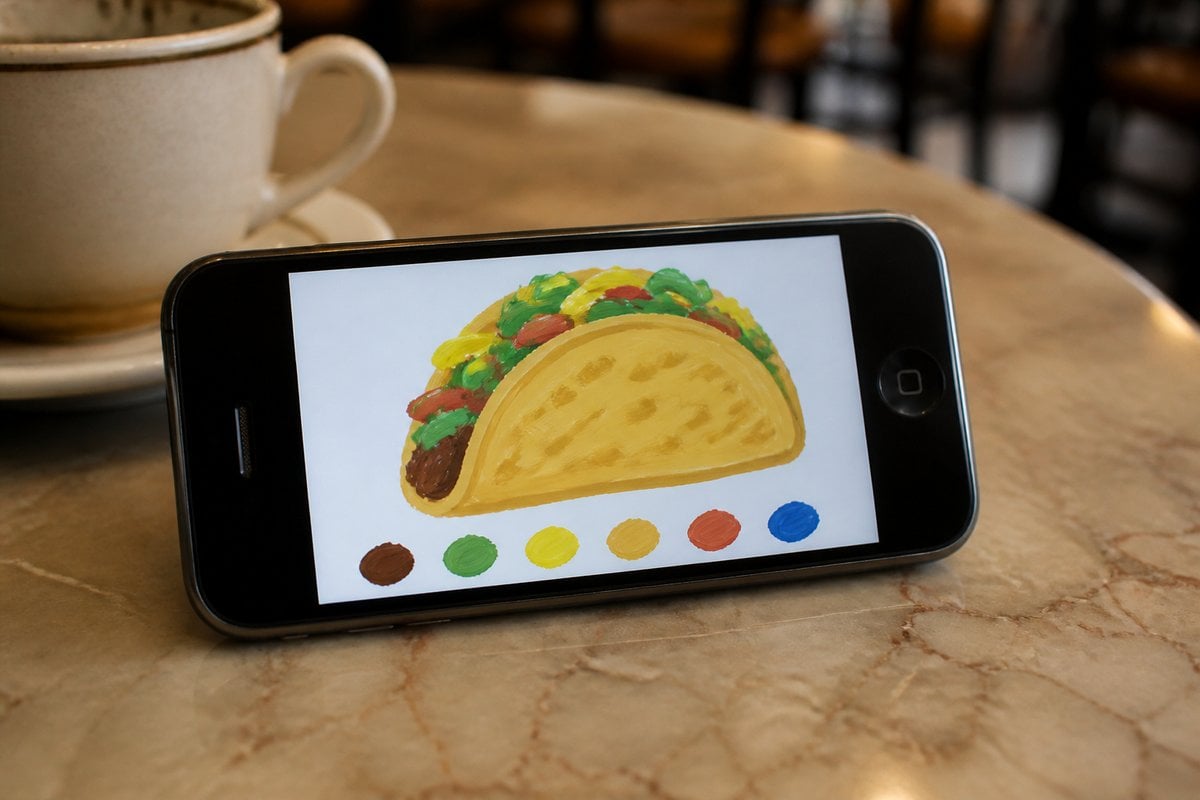
OMGPOP's Pictionary-style game was the fastest-rising app of 2012, hitting 50 million downloads in 50 days. Zynga bought OMGPOP in March for about $180 million (TechCrunch heard $210 million). Daily players peaked at 15 million on the day of the sale and fell to 10 million within weeks.
The collapse was brutal. Zynga closed the OMGPOP studio in 2013, and Draw Something was later pulled from the App Store after a closure notice from Zynga.
Status in 2026: Dead.
5. Path
Path, led by Dave Morin, was the “private Facebook”, originally capped at 50 friends. It had already turned down a $100 million offer from Google in 2011. Then in February 2012, with about 2 million users, it was caught uploading users' entire address books to its servers without asking.
It never recovered. The FTC fined it $800,000 in 2013, Korea's Kakao bought it in 2015, and it shut down on 18 October 2018.
Status in 2026: Dead.
6. Viddy
Viddy was billed as “the Instagram for video” and exploded in spring 2012 thanks to automatic sharing into Facebook feeds. It claimed 50 million users at its height, raised $30 million that May at a reported valuation of around $370 million, and Mark Zuckerberg was among its users.
Then Facebook changed its algorithm and the traffic vanished. Vine and Instagram video finished the job. Fullscreen bought Viddy for $20 million in 2014 and closed it on 15 December that year.
Status in 2026: Dead.
7. Socialcam

Socialcam was Viddy's direct rival, riding the same Facebook sharing wave in 2012. It passed 16 million downloads by July 2012, and that month design-software giant Autodesk bought it for $60 million.
The Facebook traffic dried up for Socialcam just as it did for Viddy. Autodesk shut it down in October 2015.
Status in 2026: Dead.
8. Highlight
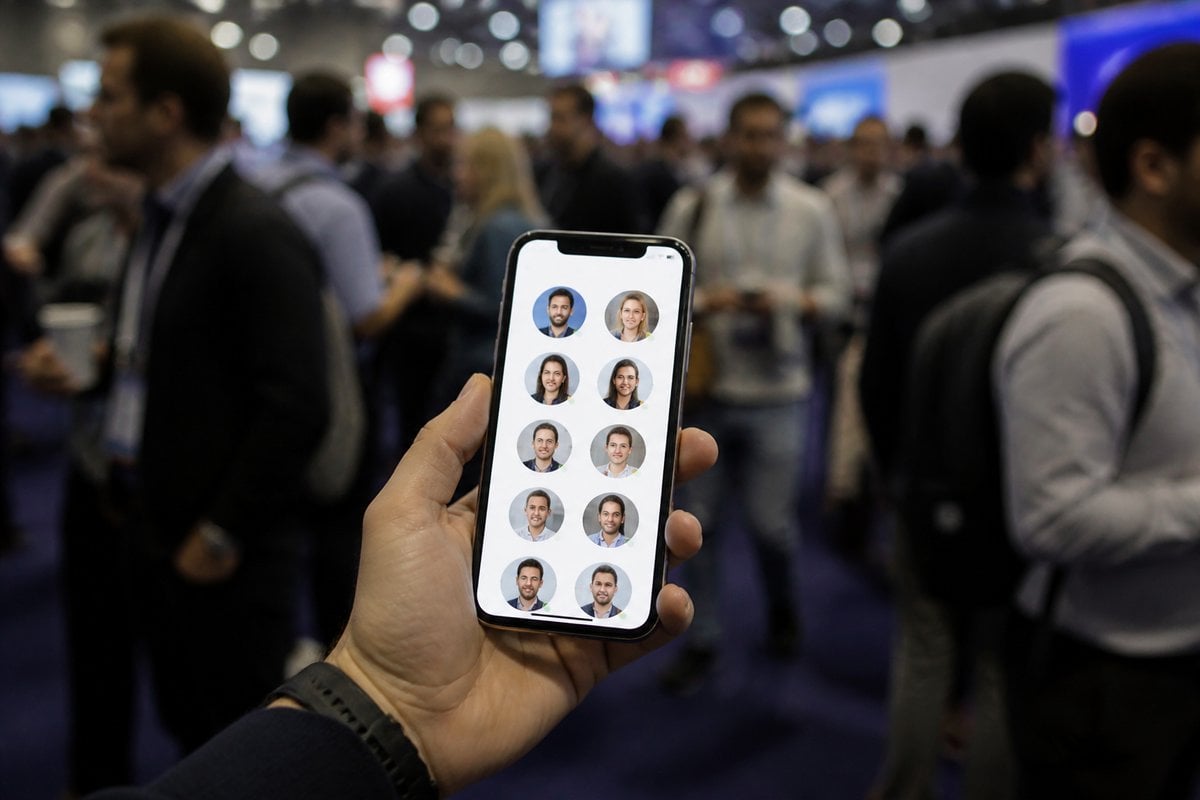
Highlight was the breakout app of SXSW 2012. It ran in the background and pinged you when someone nearby shared your friends or interests. Tech journalists loved it at a packed conference.
It never worked as well outside the crowds, since it needed lots of nearby users willing to share their location. Highlight was taken down in 2015, and in 2016 Pinterest acqui-hired the team. Founder Paul Davison had the last laugh, though: he went on to co-found the audio app Clubhouse.
Status in 2026: Dead.
9. Bump
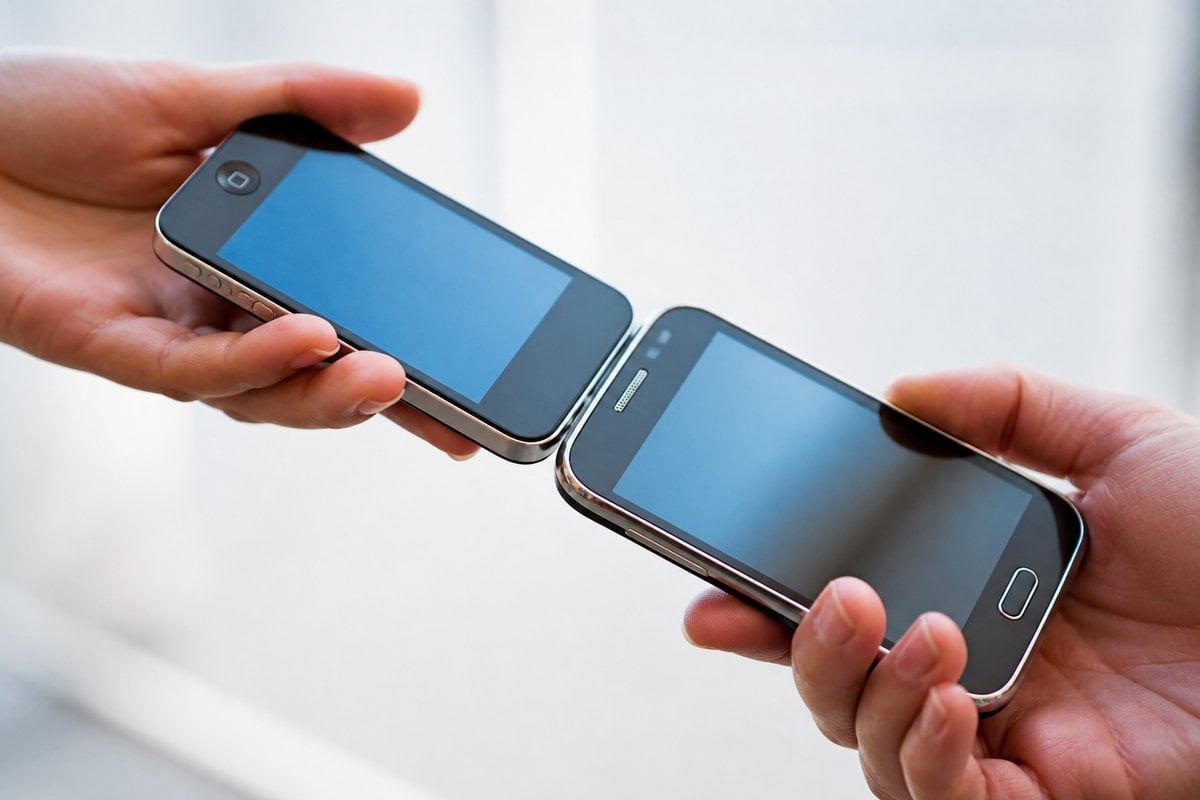
Bump let you swap contacts and photos by physically bumping two phones together, and it was a fixture on early smartphones. It had been installed 77 million times by February 2012 and 125 million times by February 2013.
Google bought the company in September 2013 for an undisclosed price, and moved the team onto other projects. Bump and its sister app Flock were pulled from the app stores and shut down on 31 January 2014, barely four months after the deal.
Status in 2026: Dead.
10. Sparrow
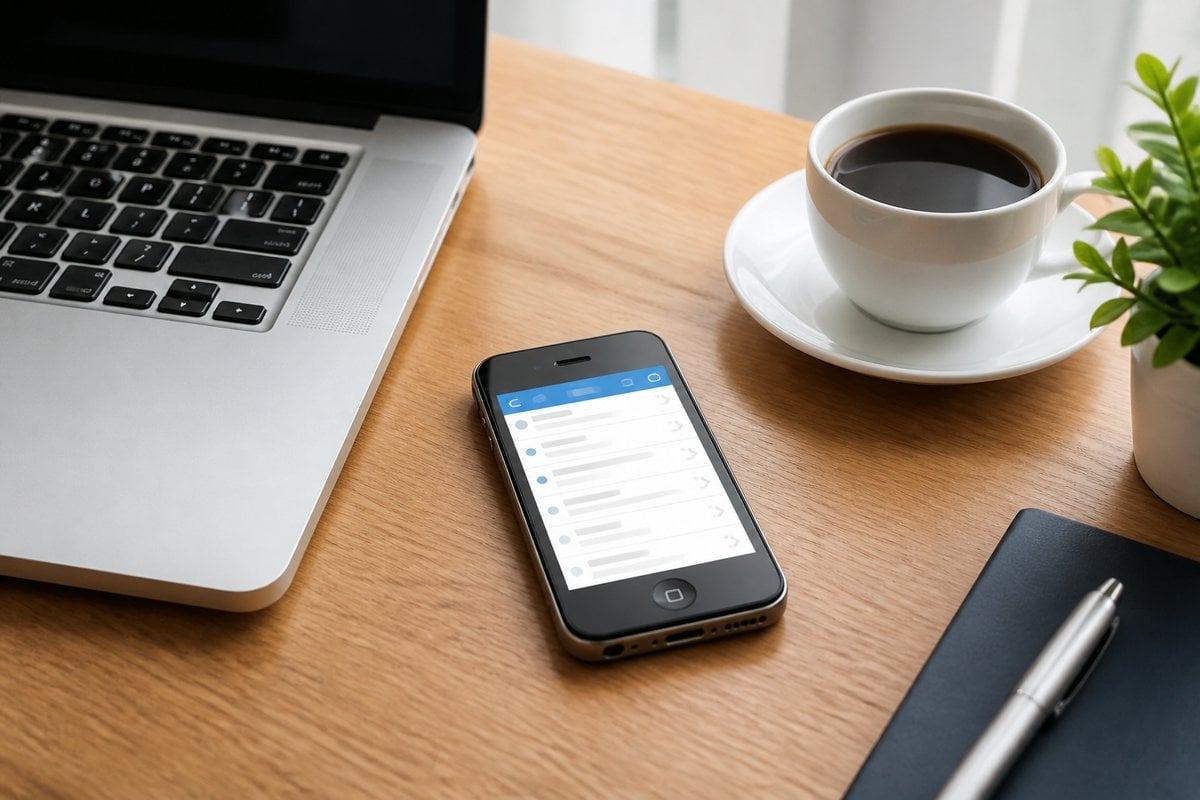
Sparrow was the slick email app power users raved about in 2012, first on the Mac and then on iPhone. Just as it was taking off, Google bought it in July 2012 for what The Verge reported was under $25 million, and its five staff joined the Gmail team.
Sparrow said the apps would get support and critical updates but no new features, and it was never developed again.
Status in 2026: Acquired by Google; abandoned.
11. Pocket
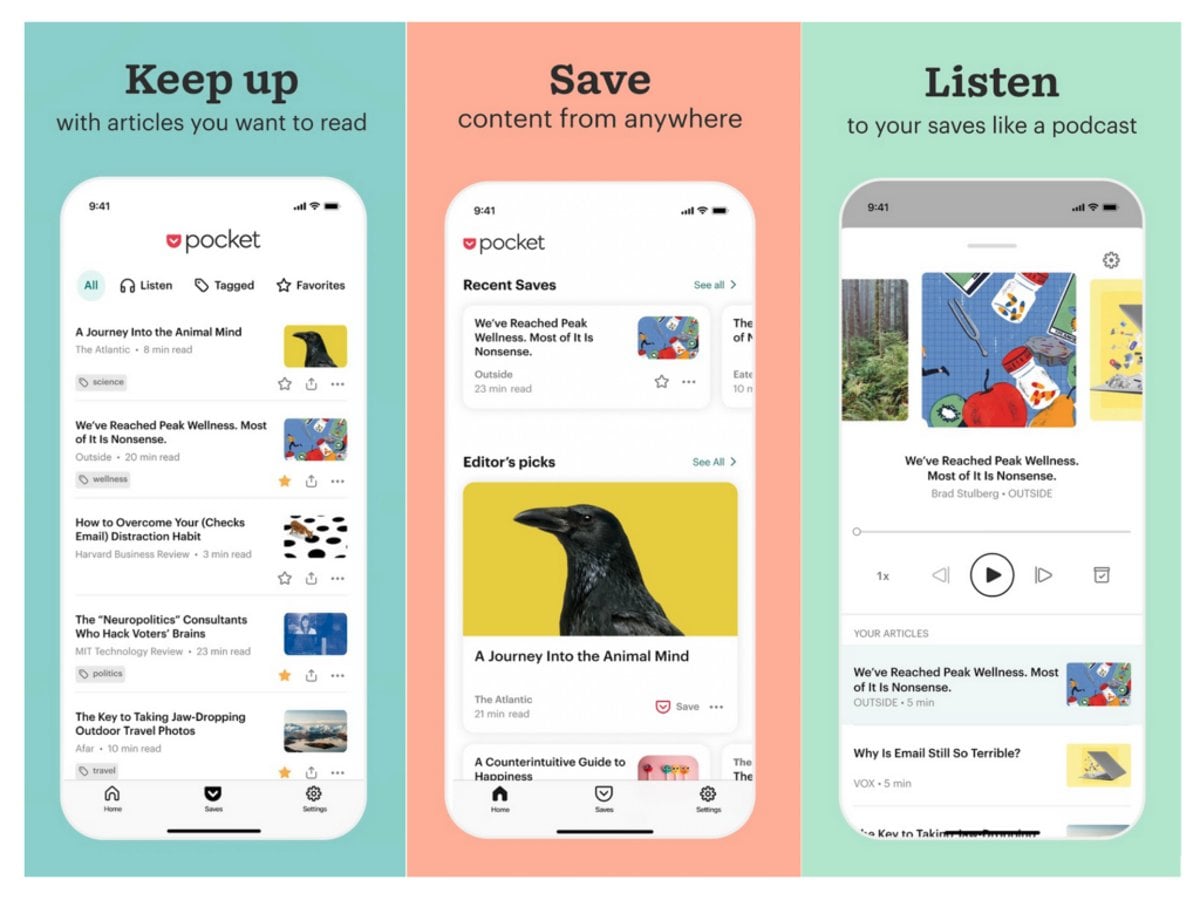
In April 2012 the paid app Read It Later rebranded as Pocket, went free, and opened up to its 4.5 million users as a place to save articles, videos and images. By December it had 7.4 million users and 240 million saves.
Firefox maker Mozilla bought it in 2017 and built it into the browser. Then, in May 2025, Mozilla announced it was shutting Pocket down to focus on Firefox. The service closed on 8 July 2025, and user data was deleted that October.
Status in 2026: Dead.
12. Foursquare
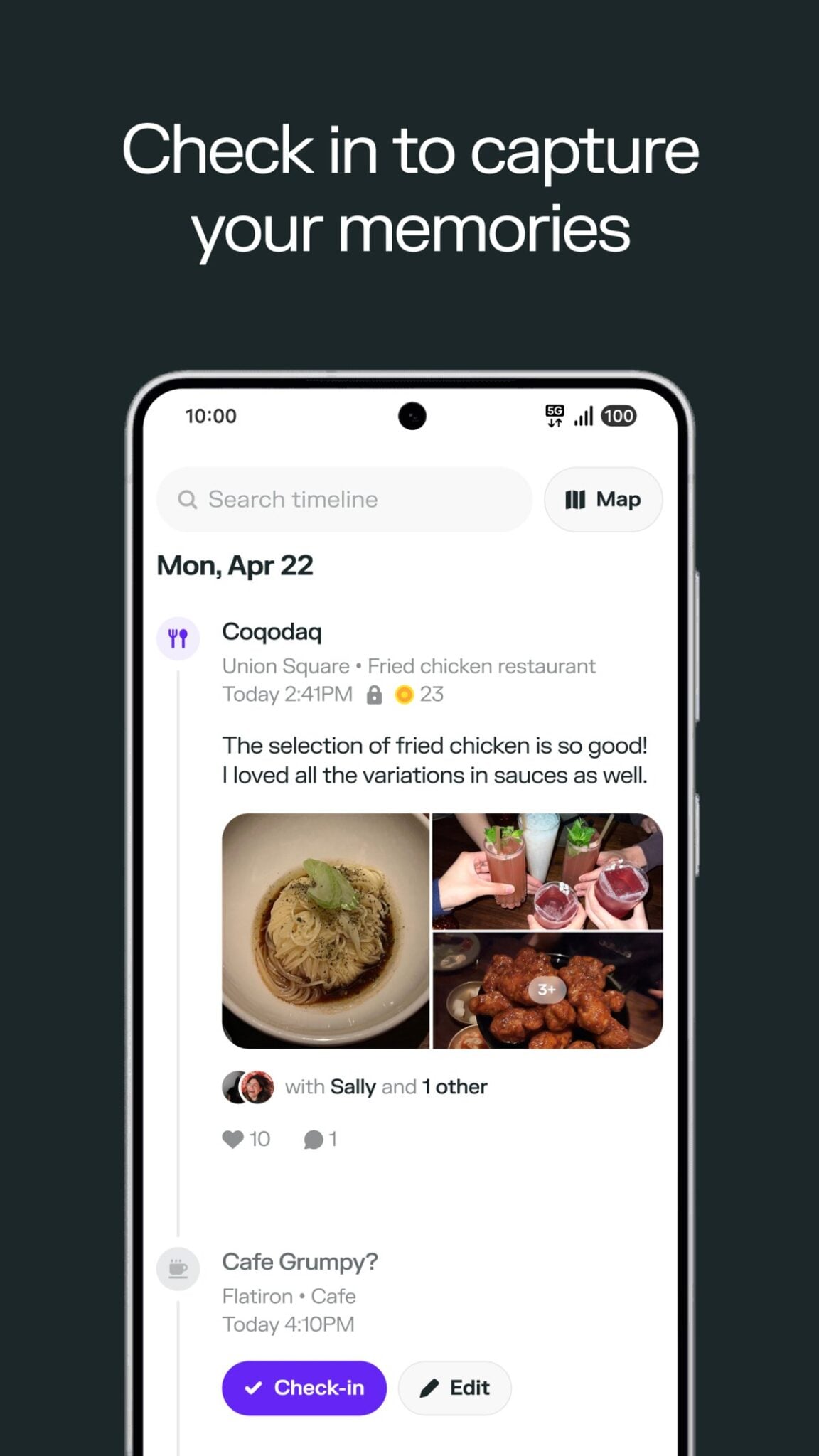
Checking in, earning badges and fighting to become “mayor” of your local coffee shop was a real pastime in 2012. In April that year Foursquare announced 20 million users and 2 billion check-ins, with a million new sign-ups a month.
In 2014 it split check-ins off into a separate app, Swarm. The original Foursquare City Guide app was switched off on 15 December 2024, with the website following in April 2025. Foursquare the company now sells itself as a location-data business.
Status in 2026: City Guide is dead; Swarm is still going.
13. FarmVille
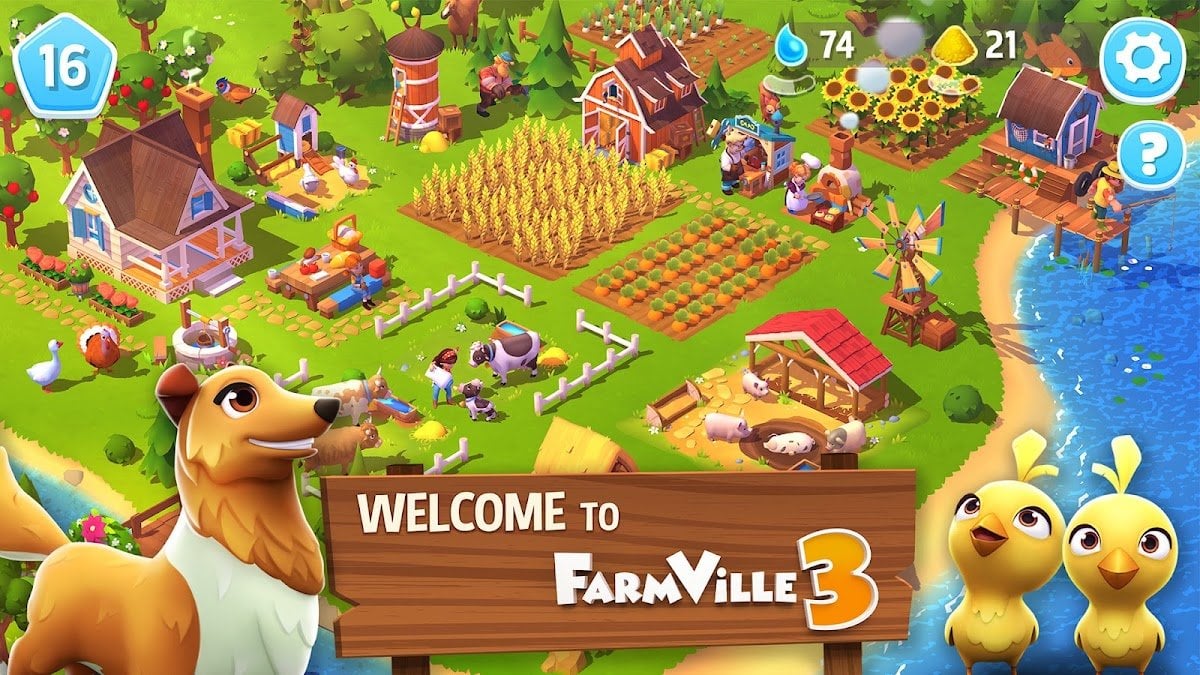
FarmVille had technically peaked before 2012, with close to 80 million monthly players in early 2010, and it was the reason your relatives sent you endless Facebook requests. Zynga's 2012 sequel, FarmVille 2, still hit almost 15 million monthly players within a month of launch.
When Adobe killed Flash, the original went with it: Zynga shut down FarmVille on 31 December 2020. The brand lives on in FarmVille 3, a mobile game launched in 2021.
Status in 2026: Original dead; FarmVille 3 still going under Zynga.
The ones still going
14. Instagram
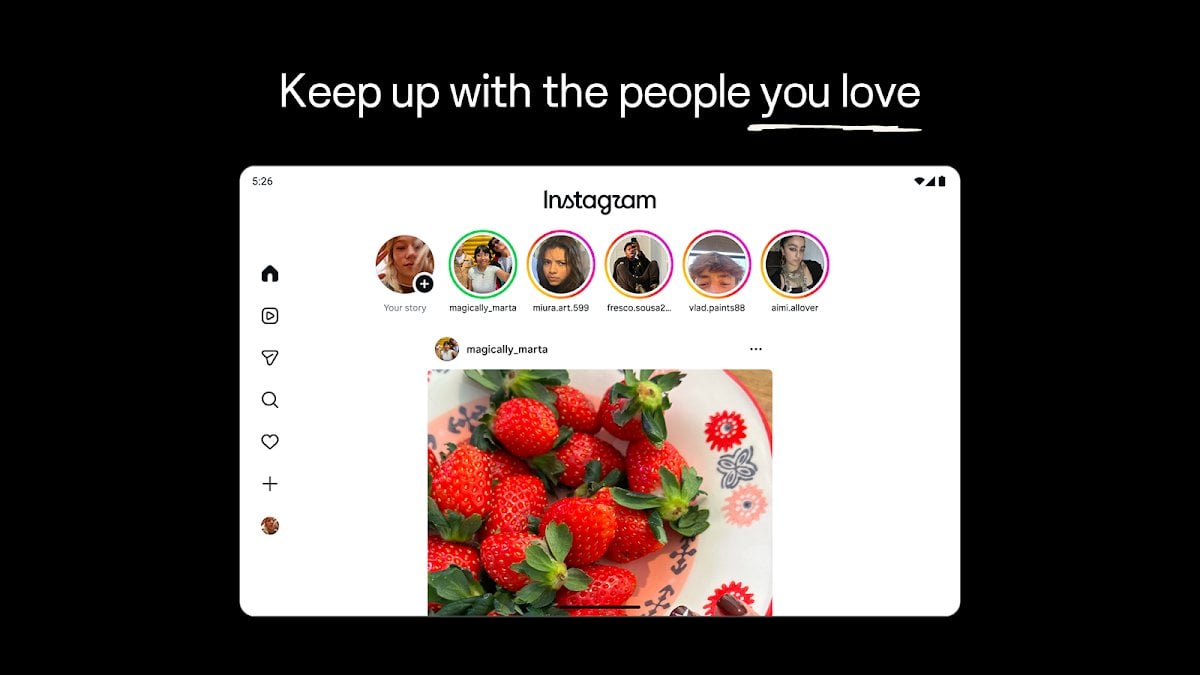
In April 2012, Facebook agreed to buy Instagram for about $1 billion in cash and stock, when it had just over 30 million users. The app had only just launched on Android, and within a year nearly half of its 100 million users were on Android.
It's now one of the best deals in tech history. In September 2025 Mark Zuckerberg announced that Instagram had reached 3 billion monthly active users.
Status in 2026: Acquired by Facebook (now Meta), and bigger than ever.
15. Snapchat
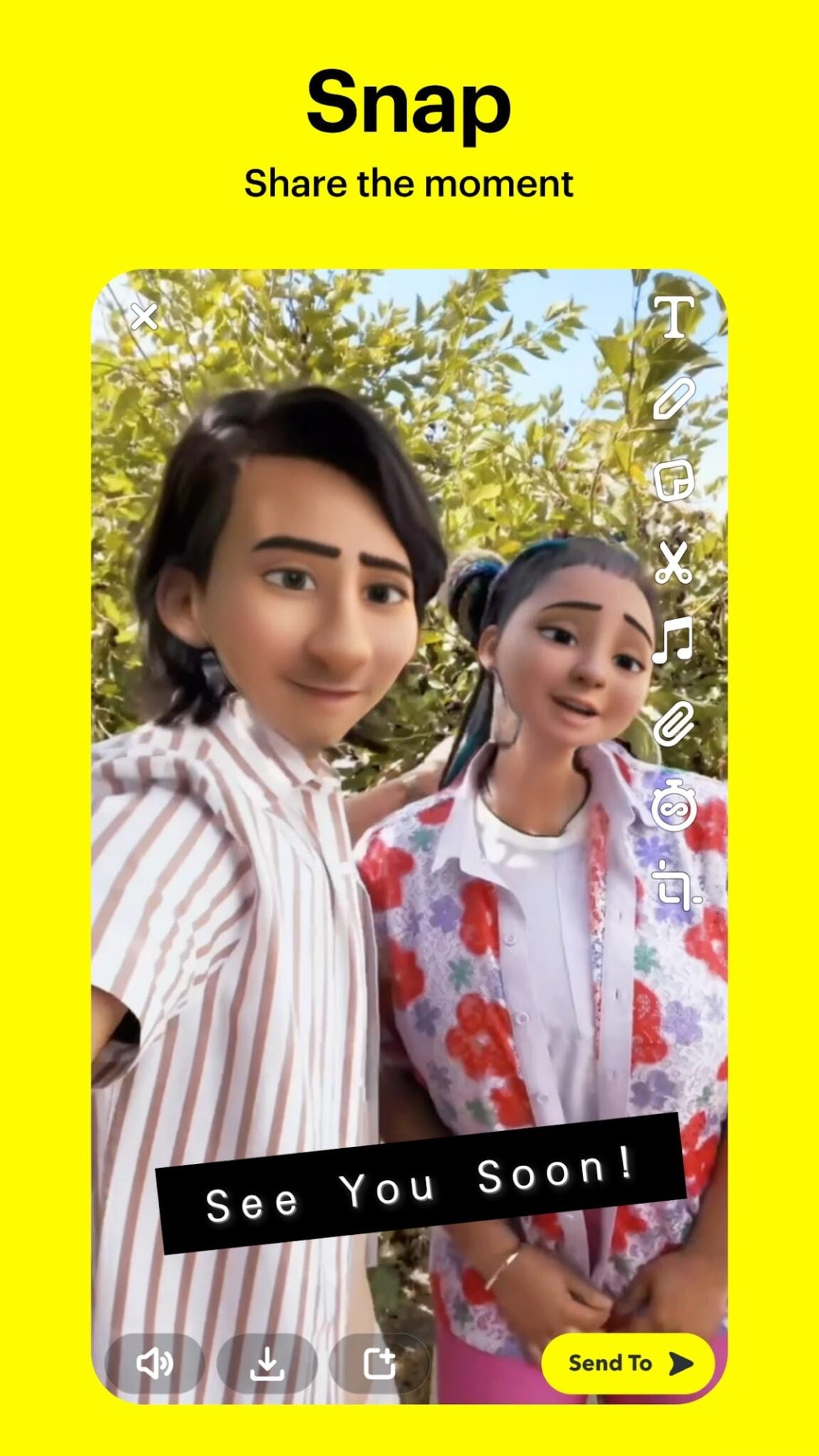
Snapchat started life in July 2011 as an iPhone app called Picaboo and was renamed in 2012. By the time the Android version arrived in October 2012, users were sending about 20 million disappearing photos a day. Facebook launched a copycat app, Poke, that December, and a year later Snapchat reportedly turned down a $3 billion offer from Facebook.
Snap Inc. went public in 2017. In its Q3 2026 results it reported 495 million daily active users, though growth has slowed.
Status in 2026: Still going, as a public company.
16. Pinterest

Pinterest was the breakout of early 2012. comScore data showed it passing 10 million monthly US visitors faster than any standalone site in history, reaching 11.7 million. Wedding planners, recipe hunters and home decorators adopted it almost overnight.
Unlike most of this list, it kept growing. Its Q3 2026 results showed 661 million monthly active users, up 21 million on the previous quarter.
Status in 2026: Still going, and still growing.
17. Tumblr
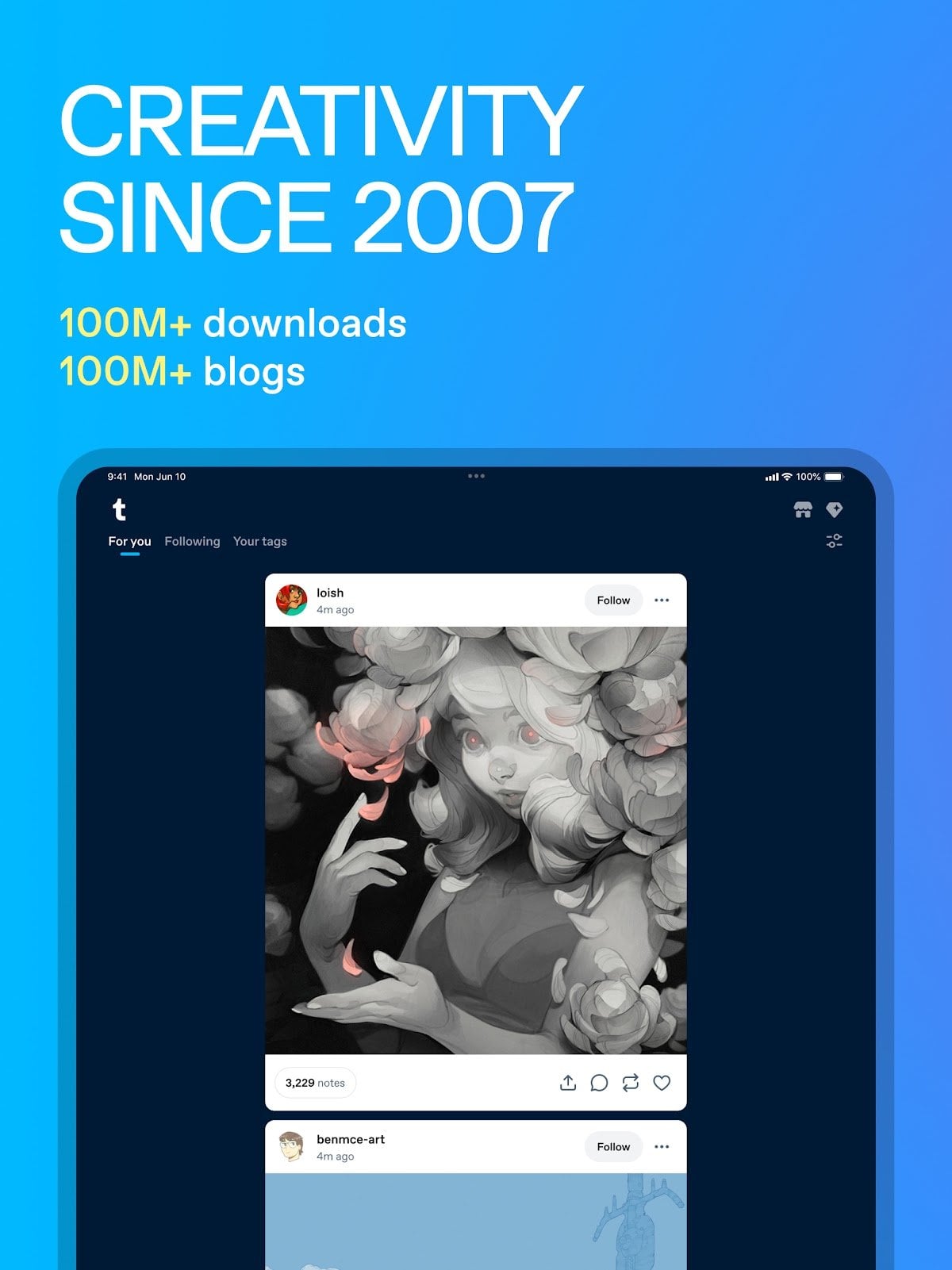
In January 2012 founder David Karp said Tumblr was reaching about 120 million people and 15 billion page views a month. Yahoo bought it for $1.1 billion the following year.
It's been downhill since. Yahoo wrote down nearly half the price, Verizon banned adult content in 2018, and in 2019 sold Tumblr to WordPress owner Automattic for a reported price of around $3 million. In October 2025 Automattic CEO Matt Mullenweg called it his “biggest failure or missed opportunity”, saying it costs far more to run than it earns.
Status in 2026: Still going under Automattic, but losing money.
18. Angry Birds
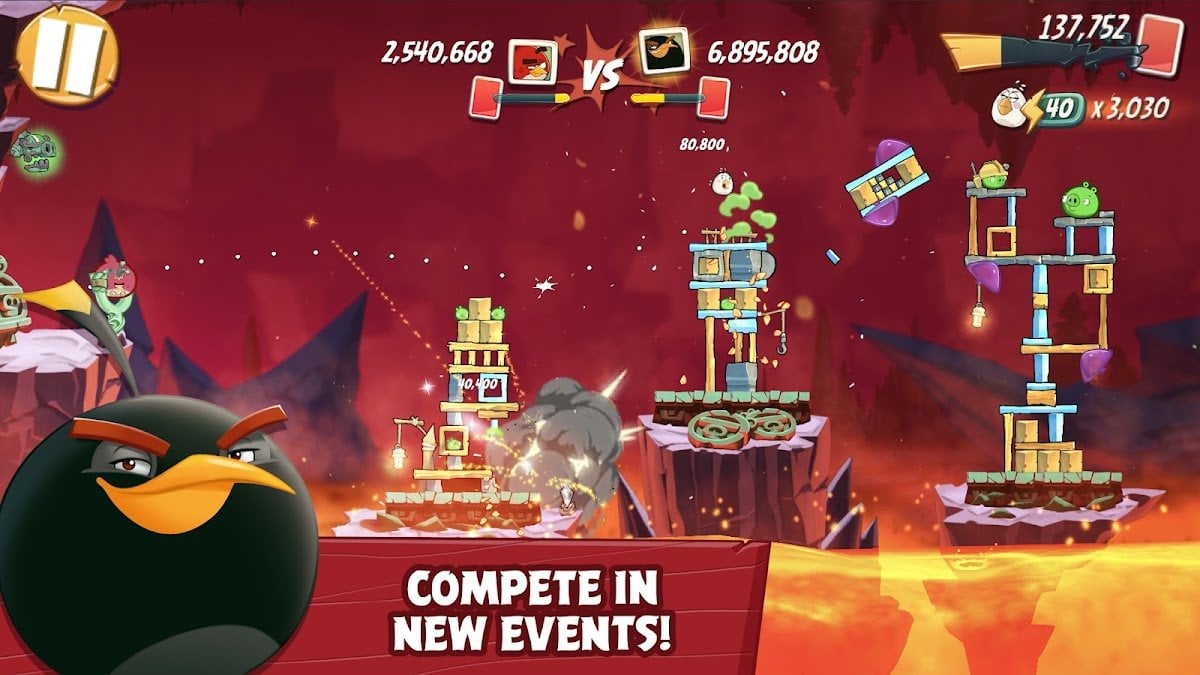
In May 2012 Rovio announced that the Angry Birds games had passed 1 billion downloads, the first mobile game series to get there.
Growth stalled after that, but the birds survived. Sega bought the company in 2023 for €706 million, and in January 2026 folded Angry Birds licensing into its global operations. Rovio says The Angry Birds Movie 3 is due in cinemas on 23 December 2026.
Status in 2026: Acquired by Sega; still going.
19. Temple Run
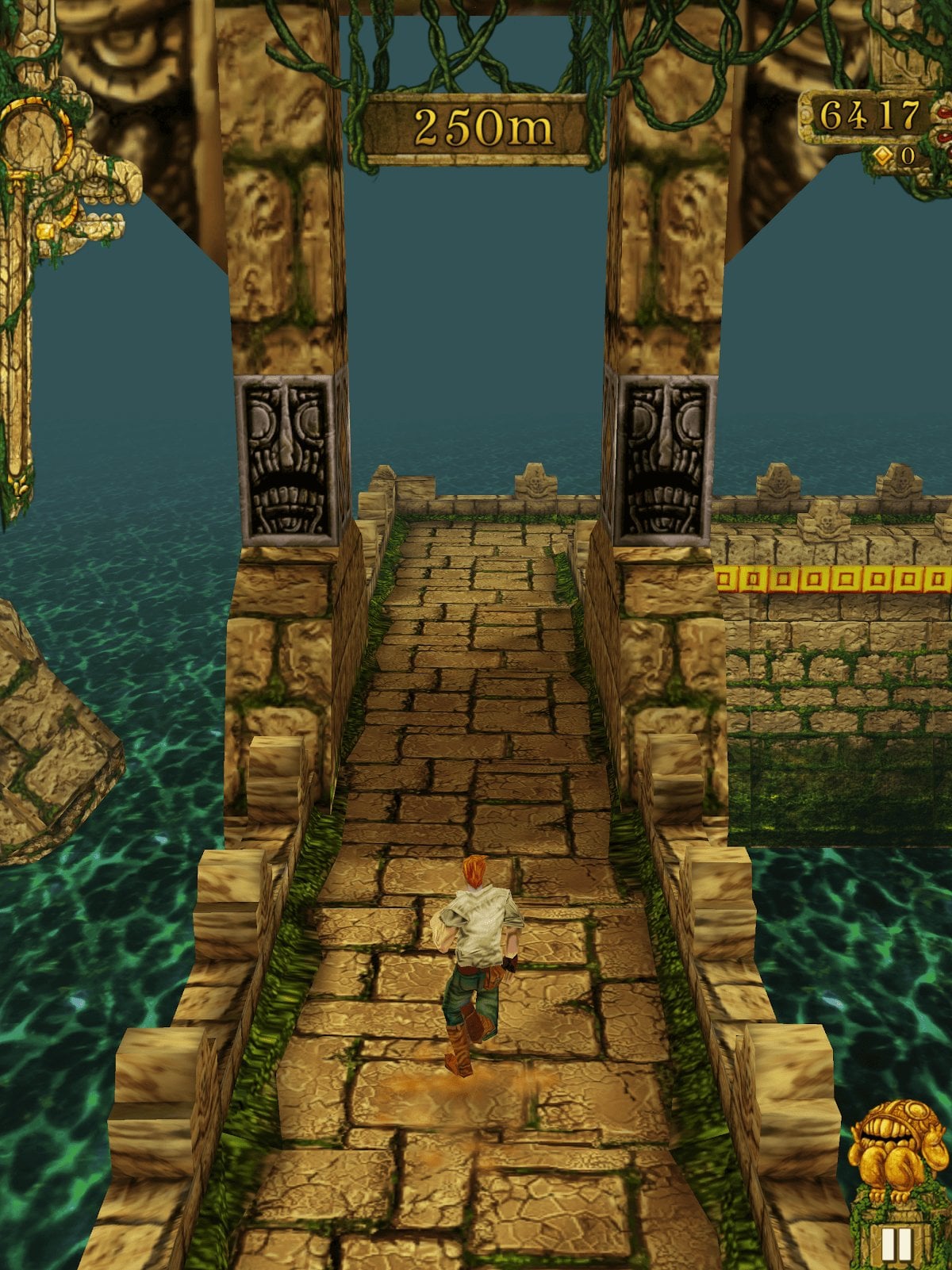
Imangi Studios' Temple Run popularised the endless-runner genre. Temple Run reached Android in March 2012 and got 1 million downloads in three days. By August it had passed 100 million downloads.
Temple Run 2 followed in 2013, and by 2014 the series had hit 1 billion downloads. Both games are still on Google Play today, Temple Run 2 alone with over 1 billion installs.
Status in 2026: Still going, still independent.
20. Words With Friends
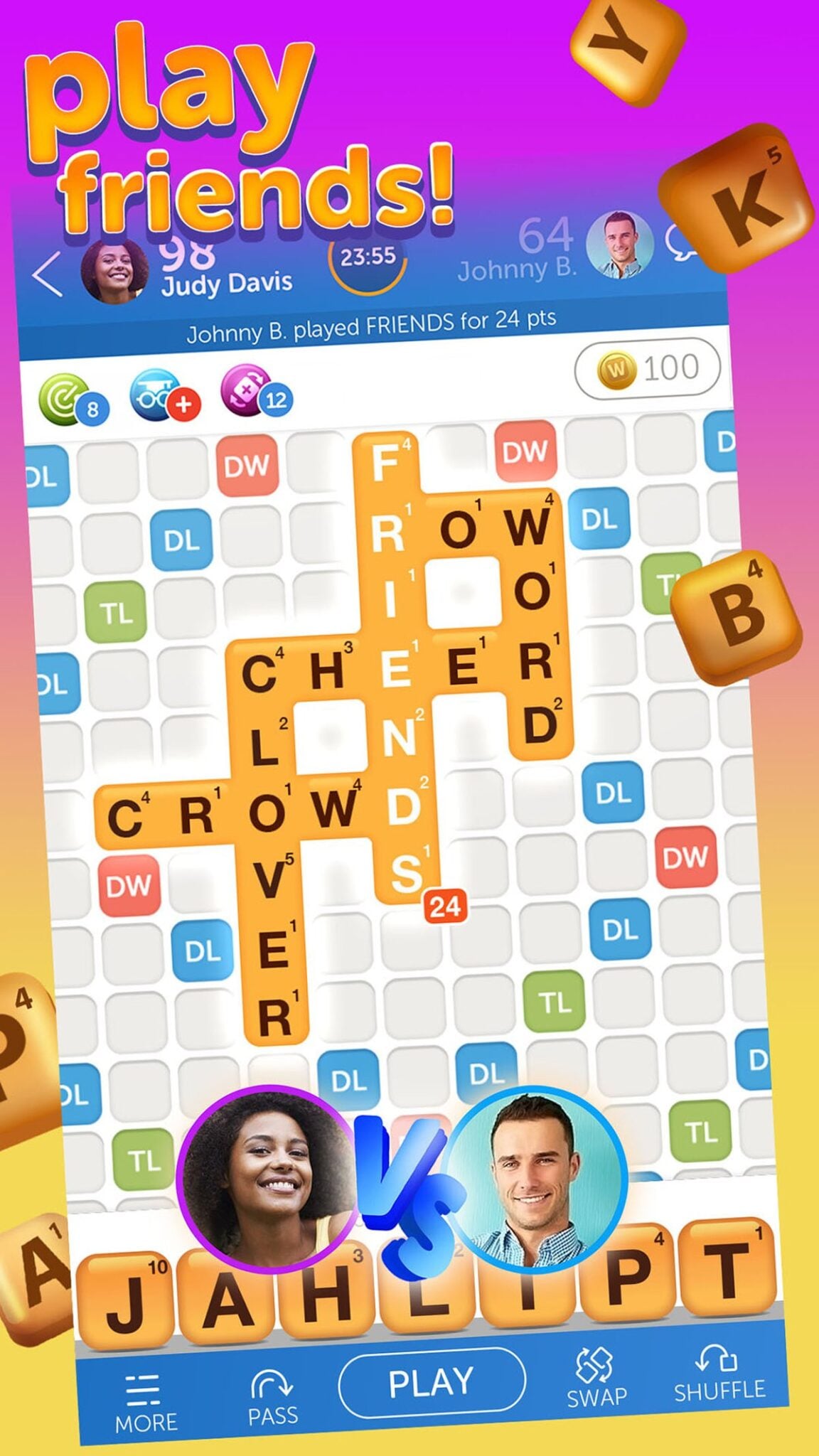
The Scrabble-style game was so addictive that Alec Baldwin was removed from an American Airlines flight in December 2011 for refusing to stop playing it. Zynga had bought its maker, Newtoy, for $53.3 million, and at GDC 2012 said daily players had grown from 2 million to 9 million.
The craze faded, but the game never went away. Zynga itself was bought by Take-Two Interactive in 2022 for $12.7 billion, and Words With Friends is still on the app stores.
Status in 2026: Still going, under Zynga (owned by Take-Two).
21. Fruit Ninja
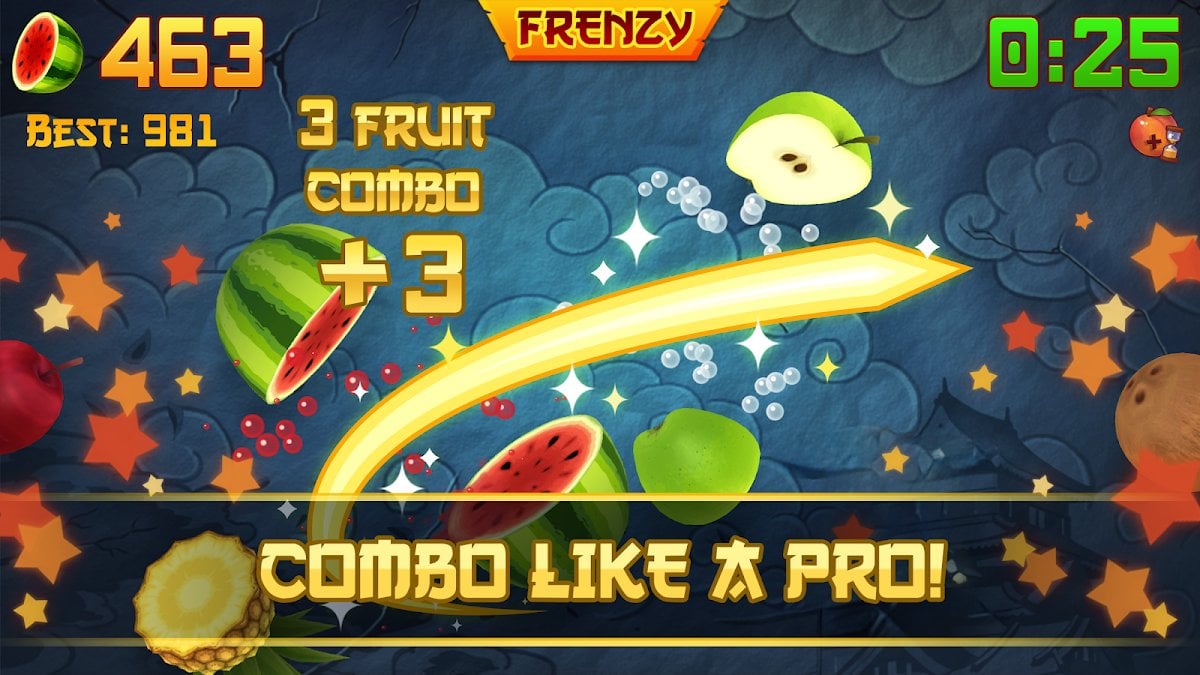
Australian studio Halfbrick's fruit-slicing game was the perfect touchscreen showcase. By May 2012 it had passed 300 million downloads and was installed on a third of all US iPhones, with players having sliced 1.5 trillion pieces of fruit.
It aged far better than most 2012 hits. By its 10th anniversary in 2020 the original had passed 1 billion downloads, and it still has over 500 million installs on Google Play alone.
Status in 2026: Still going.
22. Cut the Rope
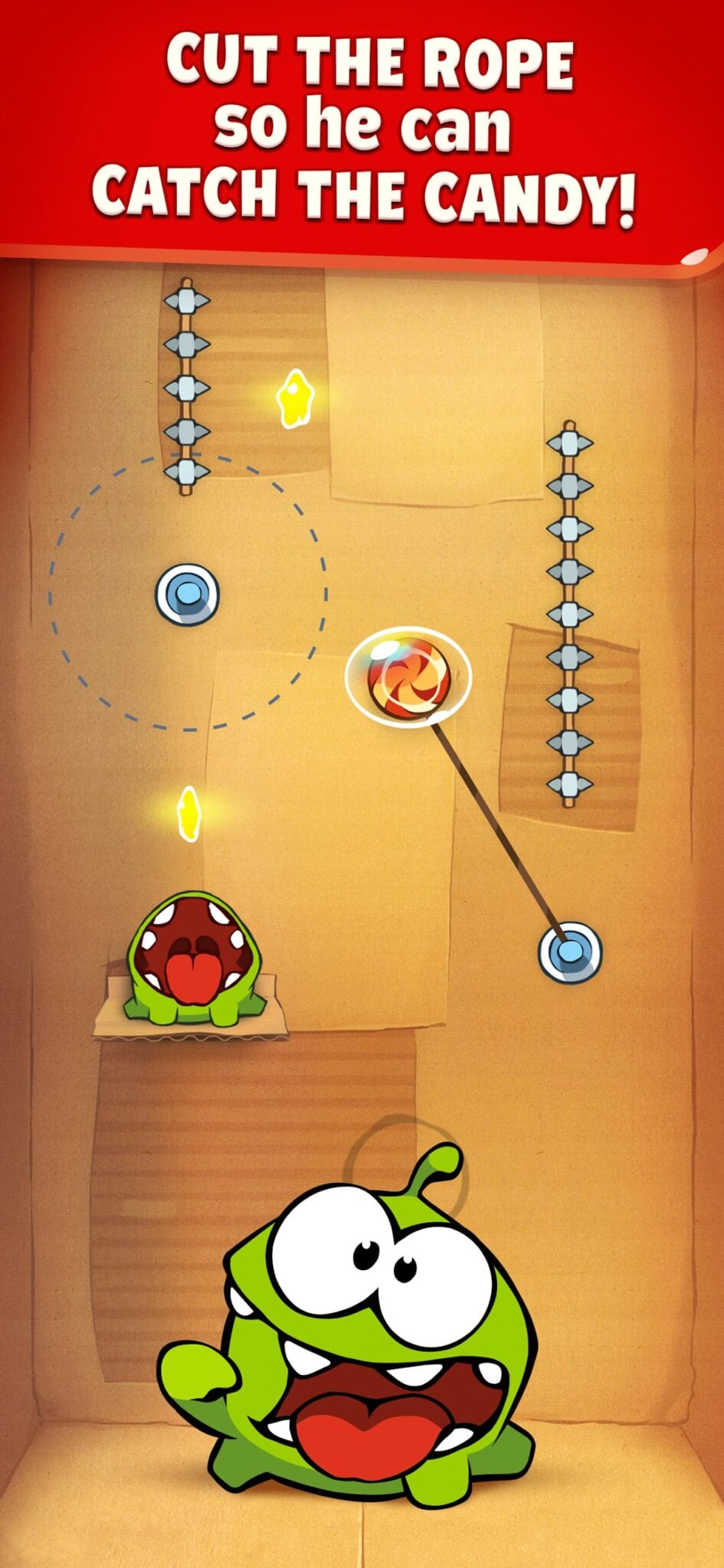
ZeptoLab's physics puzzler about feeding candy to a green monster called Om Nom was a 2011 and 2012 staple. By June 2012 it had passed 100 million mobile downloads and was spreading to browsers, toys and merchandise.
Om Nom turned into a full franchise. ZeptoLab marked the game's 15th anniversary in October 2025 with over a billion downloads across about ten titles, plus an animated series, Om Nom Stories.
Status in 2026: Still going.
23. Talking Tom
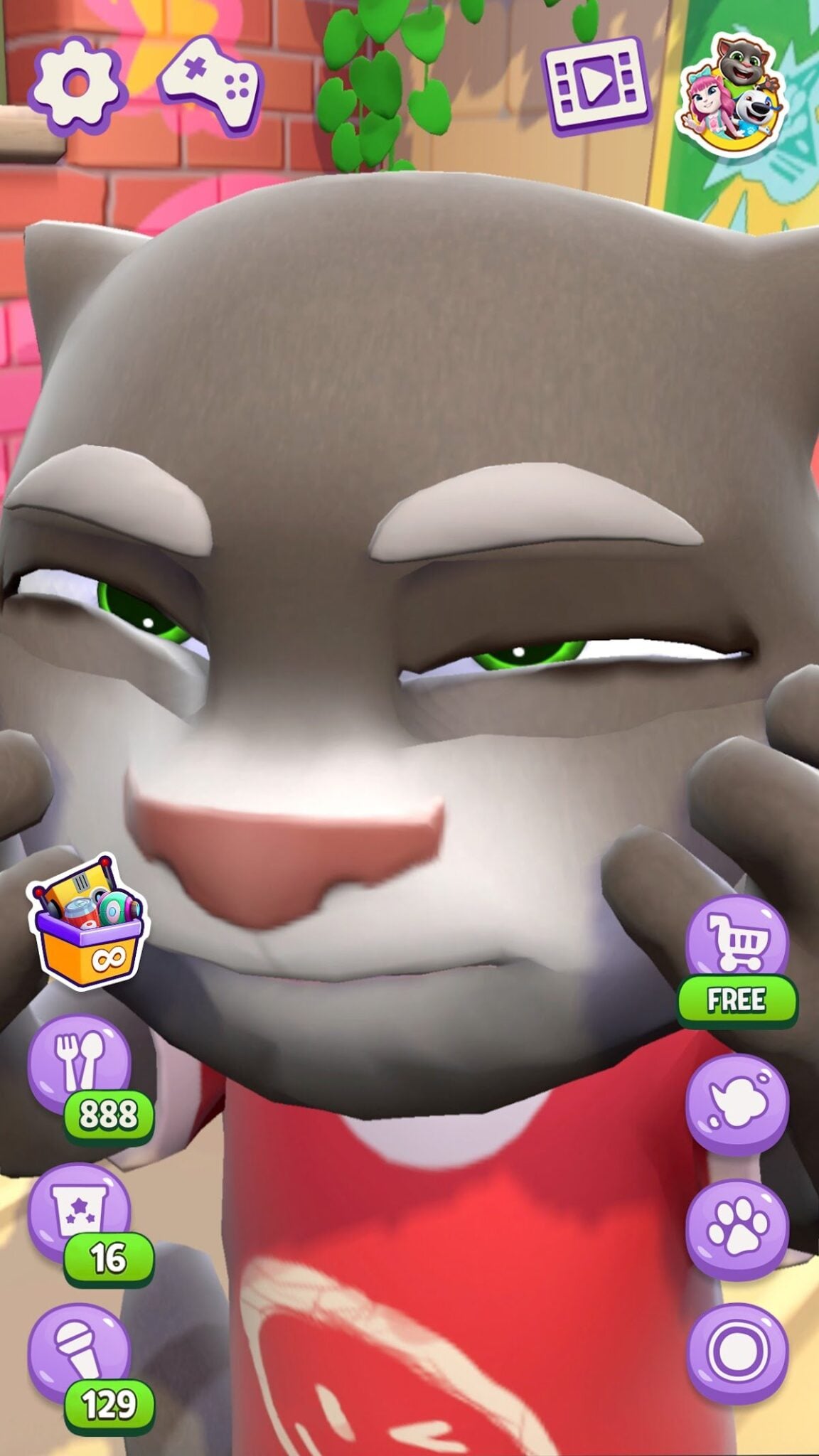
A cartoon cat that repeated whatever you said in a squeaky voice sounds like a fad. Slovenian studio Outfit7's Talking Friends apps passed 200 million downloads by October 2011 and 1 billion by June 2013.
It wasn't a fad. In 2017 the founders sold Outfit7 for $1 billion, and it ended up owned by China's Zhejiang Jinke. The franchise has now passed 25 billion downloads, with new titles still launching in 2025.
Status in 2026: Acquired by Chinese investors; still going.
24. Shazam
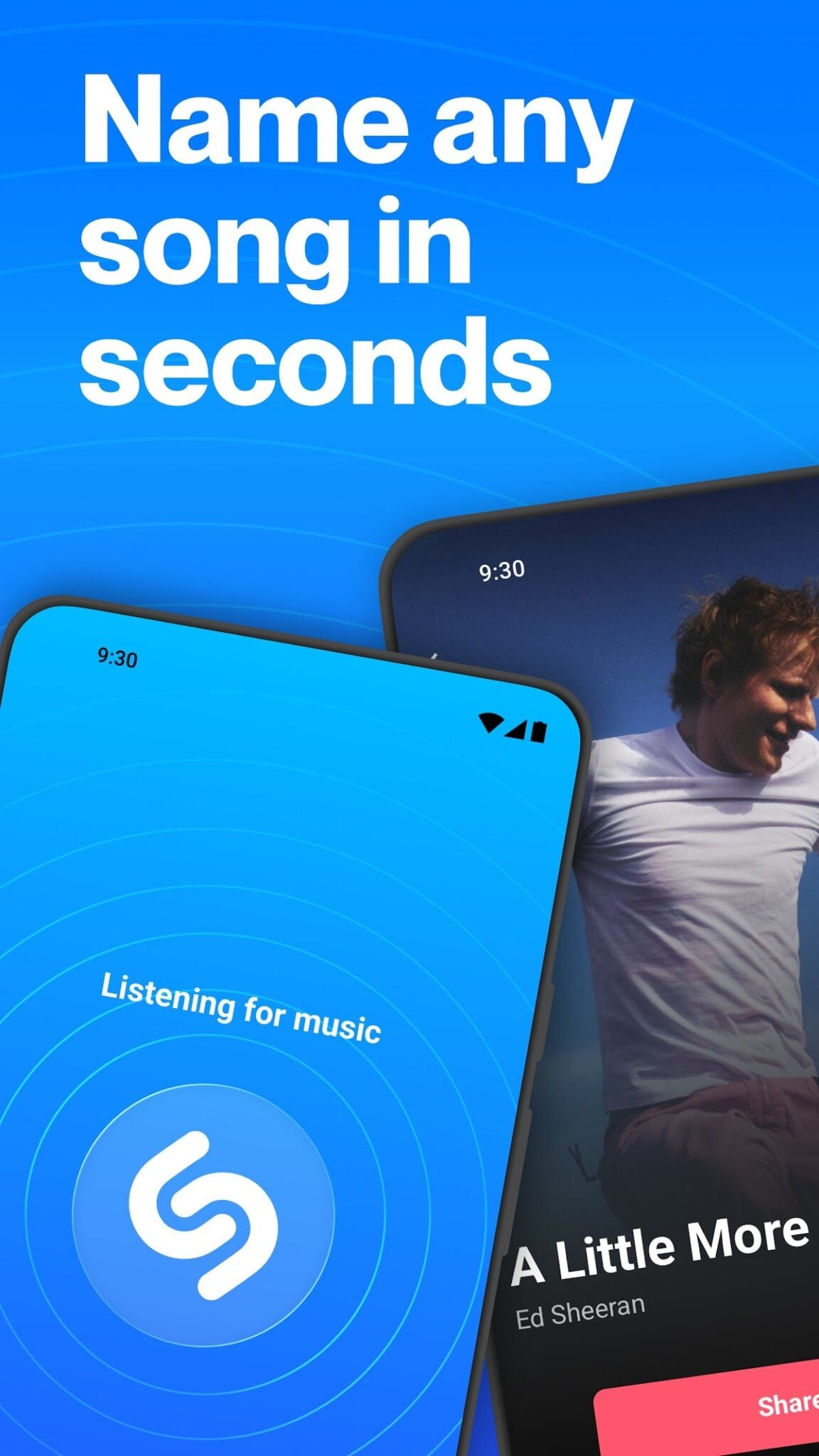
Holding your phone up to a pub speaker was a 2012 ritual. That September the British company claimed more than 250 million users.
Apple bought it in 2018 for a reported $400 million and made it ad-free. In November 2024 Apple said Shazam had passed 100 billion song recognitions and had over 300 million monthly users. Unusually, it's still on Android.
Status in 2026: Acquired by Apple; still going.
25. Flipboard
Flipboard turned the news into a glossy, page-flipping magazine, launching as an iPad exclusive in 2010. In May 2012 it finally came to Android, launching first on the Samsung Galaxy S3, and it went on to rack up over 500 million installs on Google Play.
It's still run by co-founder Mike McCue, but it has pivoted. In 2024 it launched Surf, a browser for the “open social web”, and in August 2026 it bought Graze, a startup that builds custom feeds for Bluesky.
Status in 2026: Still going; pivoted to the open social web.
Did You Know? Shazam is older than the iPhone. It launched in the UK in 2002 as a text-message service: you dialled 2580, held your phone up to the music, and got the song name back by SMS.
The 25 at a glance
| App | Peak | What happened | Status in 2026 |
|---|---|---|---|
| Vine | 2013–2015 | Bought by Twitter for a reported $30M | Dead; unofficial reboot diVine |
| Google+ | 2012 | 100M monthly users, never caught on | Dead (April 2019) |
| Skype | 2012 | Microsoft paid $8.5B; lost to rivals | Dead (May 2025) |
| Draw Something | 2012 | Zynga paid ~$180M; players left within weeks | Dead |
| Path | 2011–2012 | Address-book scandal; sold to Kakao | Dead (October 2018) |
| Viddy | 2012 | Facebook traffic vanished; sold for $20M | Dead (December 2014) |
| Socialcam | 2012 | Bought by Autodesk for $60M | Dead (October 2015) |
| Highlight | 2012 | SXSW hype; team acqui-hired by Pinterest | Dead (2015) |
| Bump | 2012 | Bought by Google, shut in four months | Dead (January 2014) |
| Sparrow | 2012 | Bought by Google for a reported <$25M | Acquired by Google; abandoned |
| 2012 | Bought by Mozilla in 2017 | Dead (July 2025) | |
| Foursquare | 2011–2012 | Split into Swarm; City Guide shut | City Guide dead; Swarm still going |
| FarmVille | 2010 | Original killed with Flash | Original dead; FarmVille 3 going |
| 2012 onward | Bought by Facebook for $1B with 30M users | Acquired by Meta; 3B monthly users | |
| Snapchat | 2012 onward | Turned down a reported $3B Facebook offer; IPO 2017 | Still going; 495M daily users |
| 2012 onward | Fastest standalone site to 10M US visitors | Still going; 661M monthly users | |
| Tumblr | 2012–2013 | Yahoo paid $1.1B; sold for a reported $3M in 2019 | Still going under Automattic; loss-making |
| Angry Birds | 2011–2012 | 1B downloads; Rovio sold to Sega for €706M | Acquired by Sega; still going |
| Temple Run | 2012 | 100M downloads in a year; sequel in 2013 | Still going |
| Words With Friends | 2011–2012 | Zynga bought maker; Take-Two bought Zynga | Still going (Zynga/Take-Two) |
| Fruit Ninja | 2011–2012 | 300M downloads by 2012; 1B by 2020 | Still going |
| Cut the Rope | 2011–2012 | Became the Om Nom franchise | Still going; 1B+ downloads |
| Talking Tom | 2011–2013 | Outfit7 sold for $1B in 2017 | Still going; 25B+ downloads |
| Shazam | 2012 onward | Bought by Apple for a reported $400M | Acquired by Apple; still going |
| 2012 | Pivoted to the open social web | Still going |
The Bottom Line
The 2012 app boom had two kinds of winners: the apps that built something people came back to every day, and the founders who sold at the top. Instagram, Snapchat and Pinterest are bigger now than anyone imagined. Draw Something, Viddy and Socialcam sold for tens or hundreds of millions and faded within a couple of years.
The biggest lesson is how much of the decade belonged to Facebook. It bought the winner (Instagram), copied the rival (Snapchat, with Poke), and a change to its news feed was enough to sink Viddy. Meanwhile, the games that kept it simple, like Fruit Ninja, Temple Run and Talking Tom, quietly outlived almost everything else.