

Twenty years ago, the phone in your pocket was probably made by Nokia, Motorola, Samsung, Sony Ericsson, LG or Siemens. At least three of those names no longer appear on any new phone.
The phone business is brutal. The iPhone and Android wiped out a generation of market leaders in under five years, and the ones that survived that had to fight Samsung and Apple for whatever was left. Some brands were sold, some went bankrupt, and a few were revived by new owners only to vanish a second time.
Here are 18 phone brands that no longer make phones, ordered from most famous to most obscure. Each one was checked against November 2026: any brand that has been revived and is selling phones today is left out.
1. BlackBerry
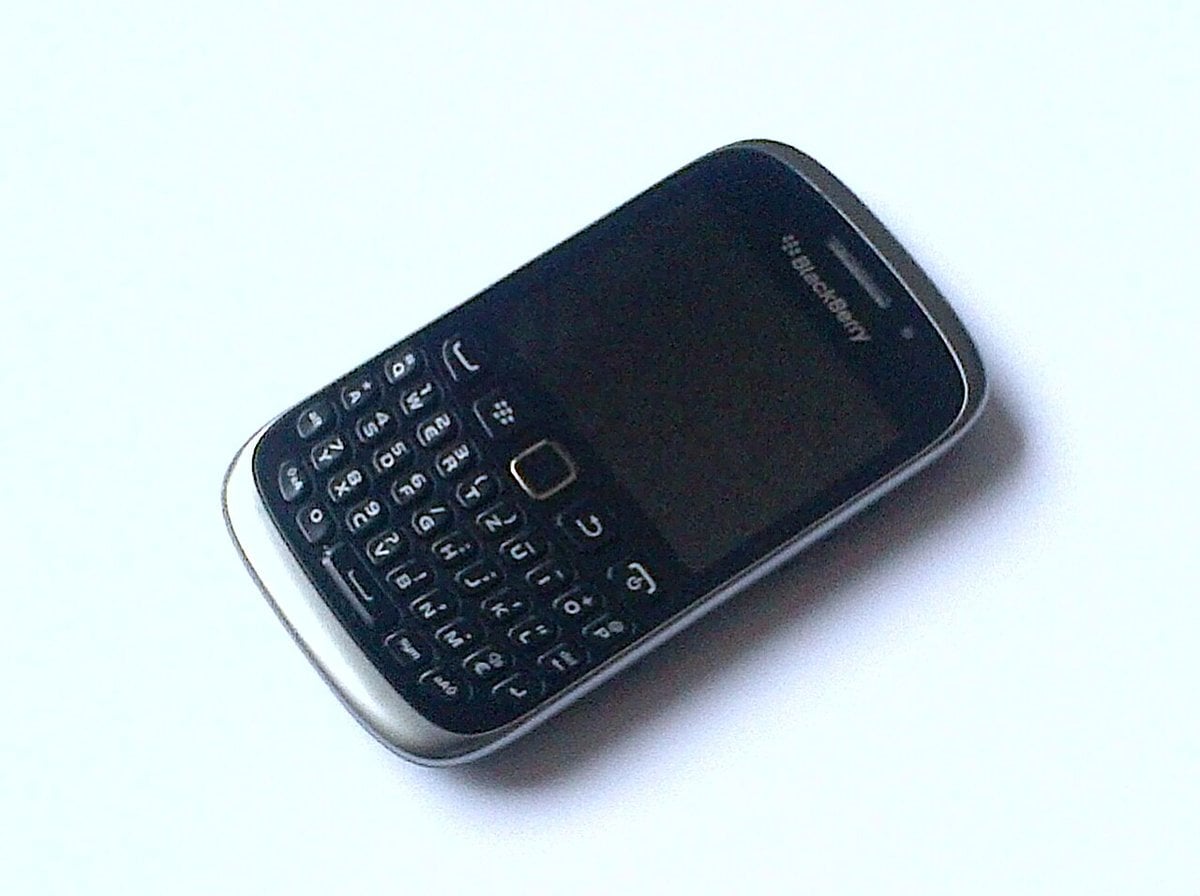
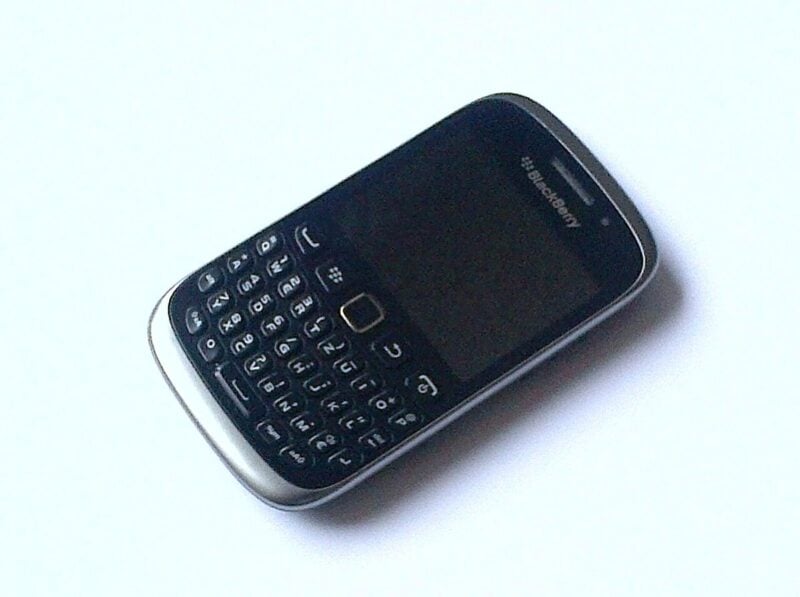
For a few years, BlackBerry was the smartphone. The BlackBerry Curve was the best-selling smartphone in the US in 2009, when the company reportedly held around half of the US smartphone market (Wikipedia). The iPhone and Android ended that quickly, and BlackBerry 10 arrived too late to stop the slide.
In September 2016 BlackBerry said it would stop designing its own phones and license the name instead. TCL's Android BlackBerrys followed until the licence ran out in August 2020. A US startup, OnwardMobility, promised a 5G BlackBerry, then shut down in February 2022 without shipping one. Today's “BlackBerry-style” keyboard phones come from other brands.
Last phone: BlackBerry KEY2 and Evolve range, 2018.
2. Palm
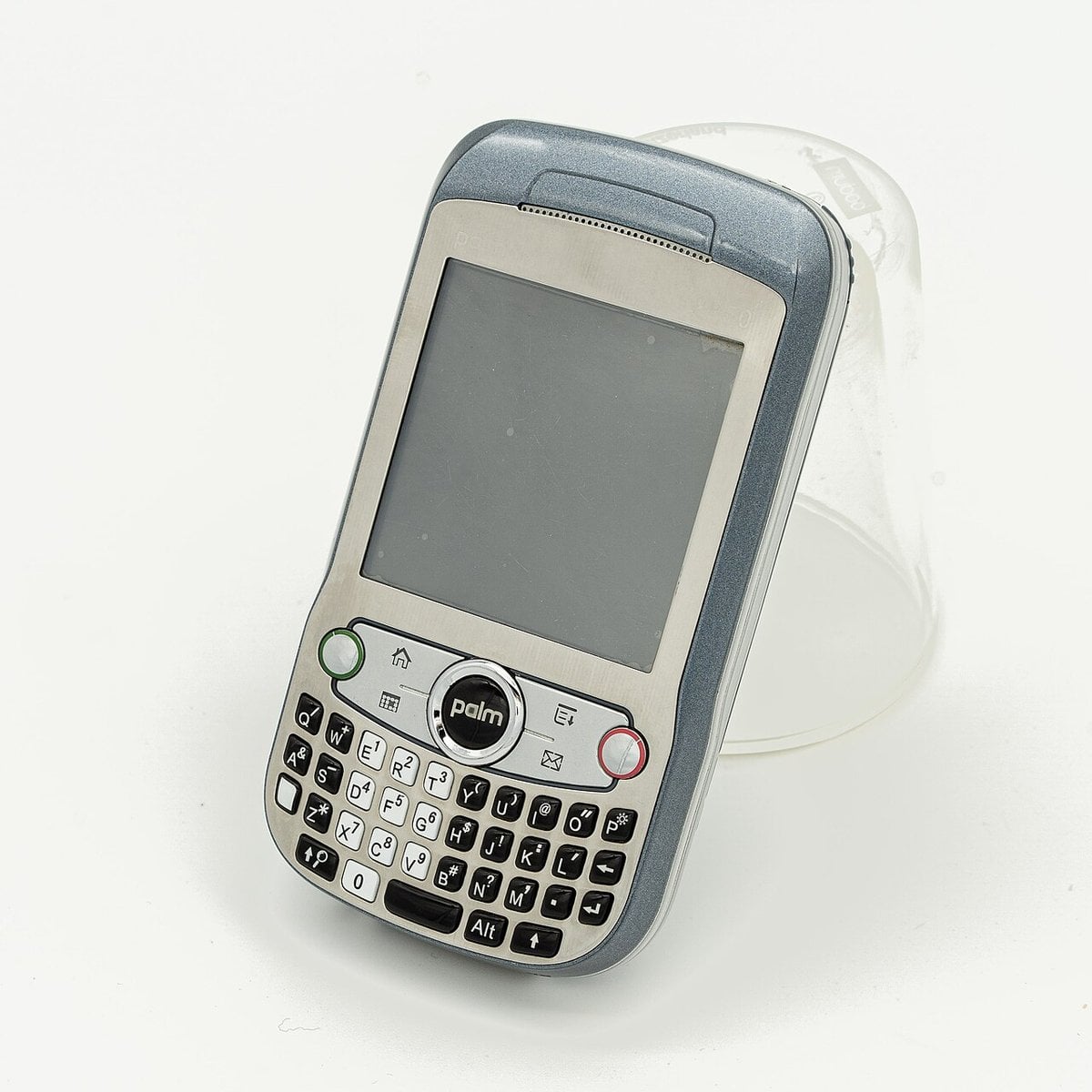
Palm defined the handheld computer with the PalmPilot, and in early 2003 it still held 36% of the handheld market, according to IDC. Its Treo smartphones, led by the Treo 650 of late 2004, put Palm into the phone business properly.
The 2009 Palm Pre, with its card-style multitasking, was the fastest-selling phone in Sprint's history and still not enough. HP bought Palm for about $1.2 billion in 2010, then on 18 August 2011 abruptly killed every webOS device. TCL bought the name and released a credit-card-sized Palm companion phone on Verizon in 2018. No Palm phone has followed. The brand's most recent product was a pair of earbuds in 2021.
Last phone: Palm (the “companion” phone), 2018.
3. Sony Ericsson
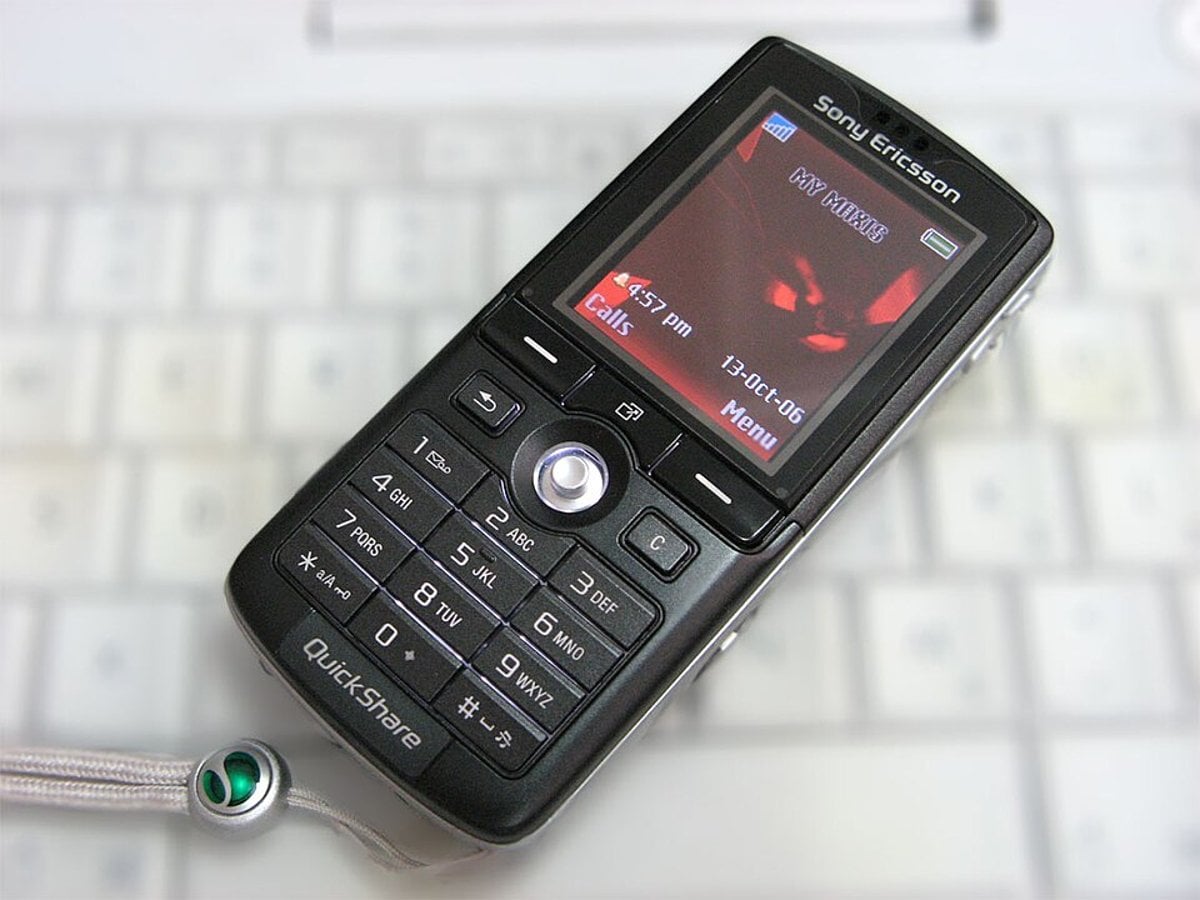
Sony's consumer electronics and Ericsson's radio know-how came together in a 50/50 joint venture in 2001. By 2007 Sony Ericsson was the world's fourth-largest phone maker with about 9% of the market, and it shipped 103.9 million handsets in its best financial year (Wikipedia). The Walkman W800 and its camera twin, the K750i, sold about 15 million between them.
Then smartphones arrived. Profits collapsed in 2008 and thousands of jobs went. Sony bought Ericsson out for €1.05 billion, and on 16 February 2012 the company became Sony Mobile Communications. Sony still sells Xperia phones, but the two-name brand is gone.
Last phone: Xperia arc S and the late-2011 Xperia range, 2011.
4. LG
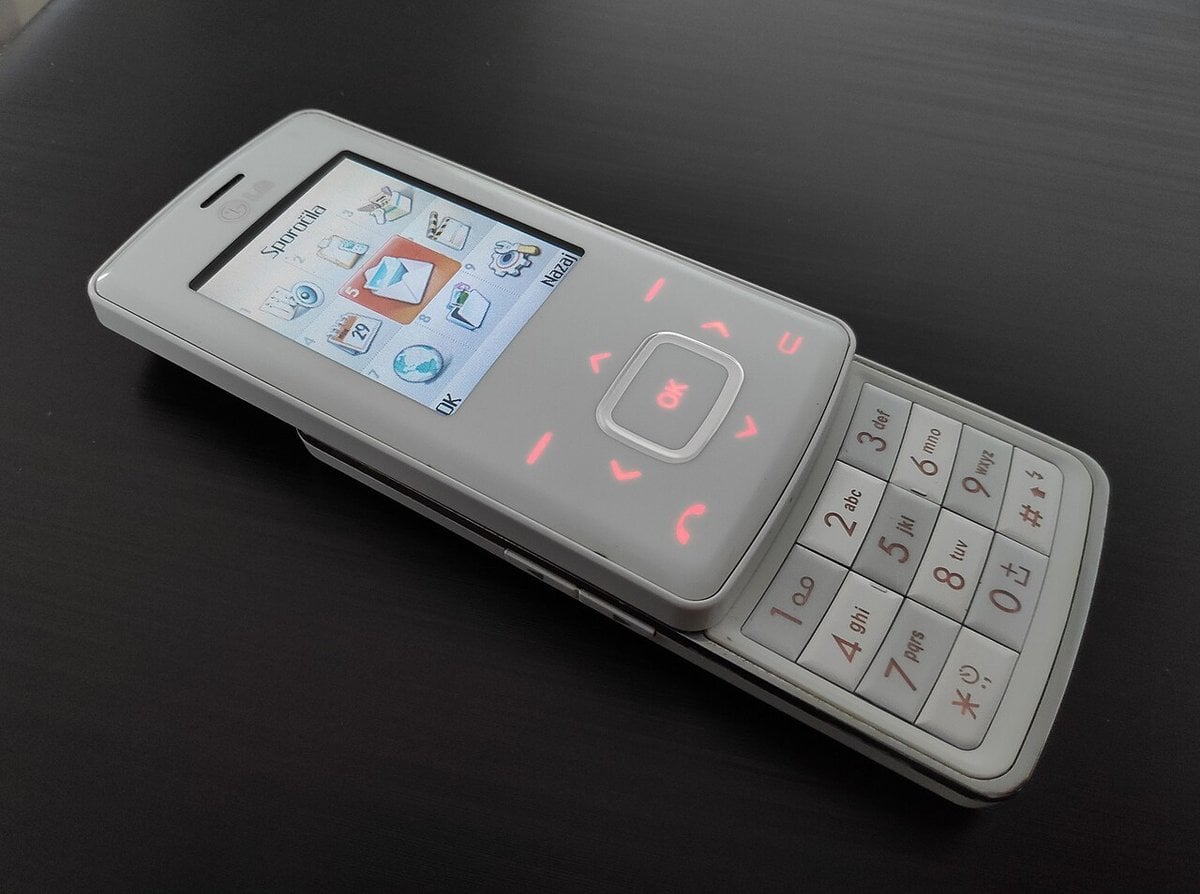
LG made some of the most interesting phones of the 2000s, including the Chocolate and the 2006 LG Prada, the first phone with a capacitive touchscreen. It also built Google's Nexus 4 and Nexus 5, and was still the world's third-largest handset maker in 2013.
Its G and V flagships never cracked Samsung and Apple, and the mobile division lost roughly $4.5 billion over six years, by most reports. On 5 April 2021 LG became the first major brand to quit smartphones outright, finishing the wind-down by 31 July. The swivelling LG Wing was its last big experiment, and budget W41 models for India, released in March 2021, were among the very last launches.
Last phone: LG W41 series, 2021.
5. Microsoft Lumia
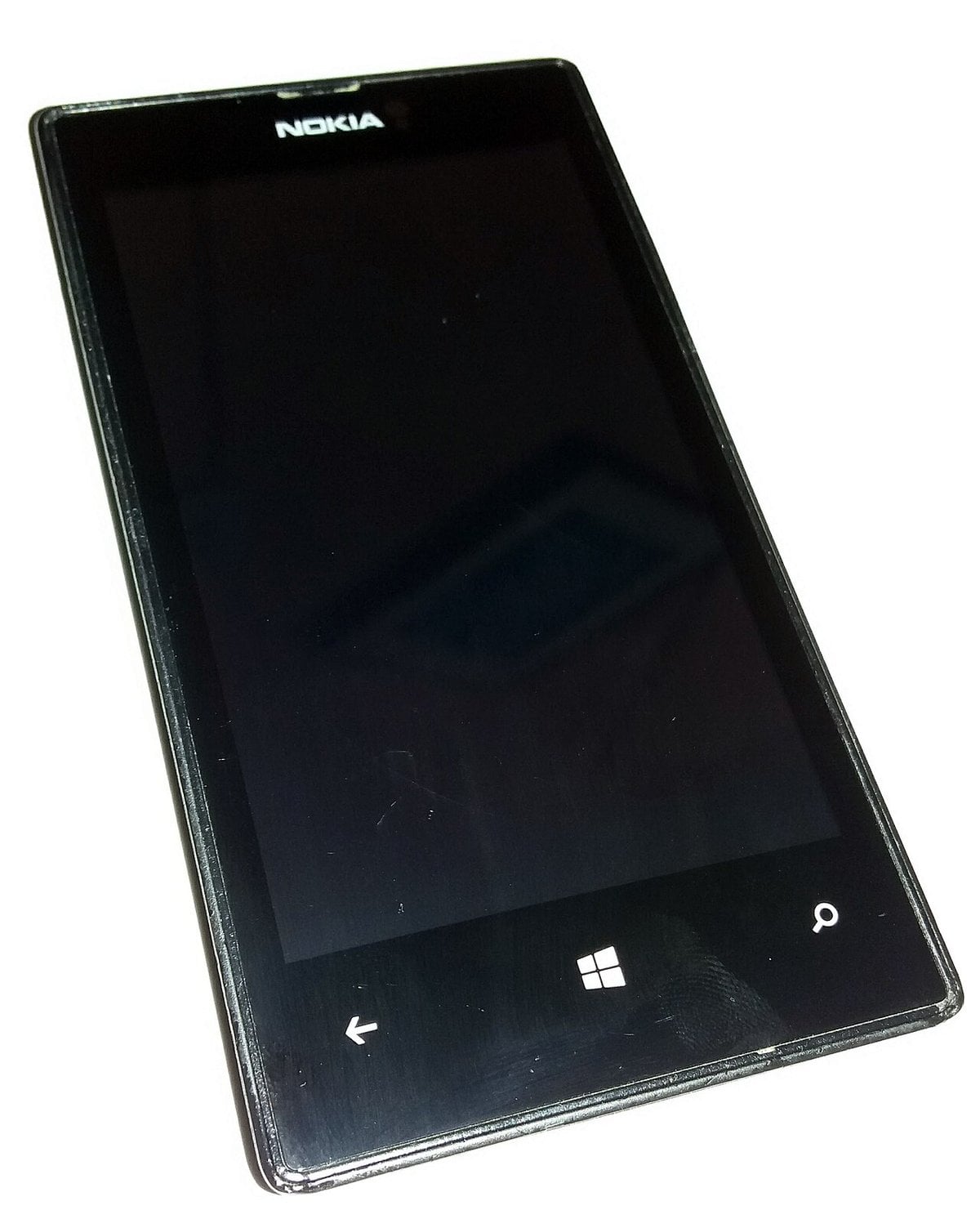
Lumia began as Nokia's Windows Phone range and became Microsoft's when it bought Nokia's phone business in 2014. The cheap Lumia 520 was its biggest hit: by mid-2013 it was the most popular Windows Phone in the world.
App developers never came in big enough numbers. In July 2015 Microsoft announced a $7.6 billion write-down on the Nokia deal and 7,800 job cuts. The Lumia 650, released in February 2016, turned out to be the last Lumia. By that September, Windows Central put Windows 10 Mobile at less than 1% of users.
Last phone: Microsoft Lumia 650, 2016.
6. Siemens
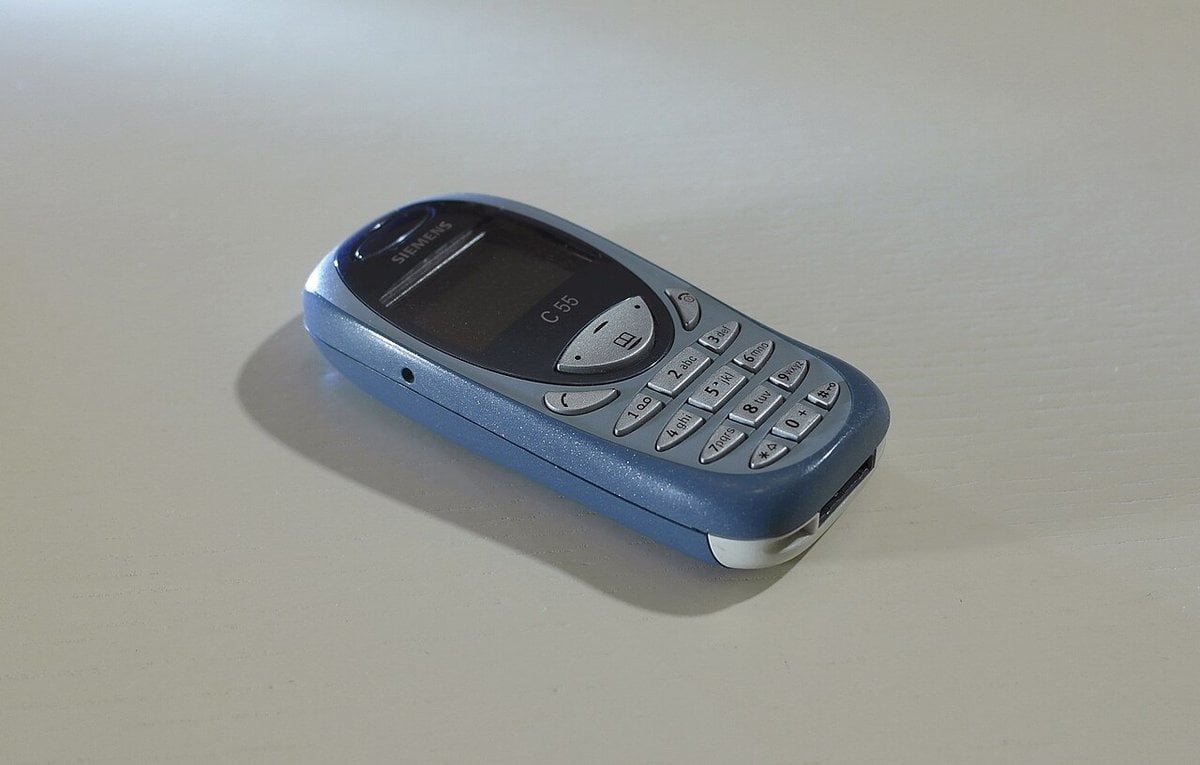
Germany's Siemens was the world's fourth-biggest phone maker in 2000 and still held 8.5% of the market in 2003 (Wikipedia). The SL45 was billed as the world's first phone with an MP3 player, and the C55 was one of its best sellers.
By early 2005 its share had slid to 5.6%, and Siemens effectively paid Taiwan's BenQ to take the loss-making division, investing €250 million before handing it over. BenQ-Siemens lasted a year. BenQ stopped funding the German arm, BenQ Mobile filed for insolvency on 29 September 2006, and its factory in Kamp-Lintfort closed in January 2007 with up to 3,000 jobs gone.
Last phone: BenQ-Siemens E52 and SF71 range, 2007.
7. Ericsson
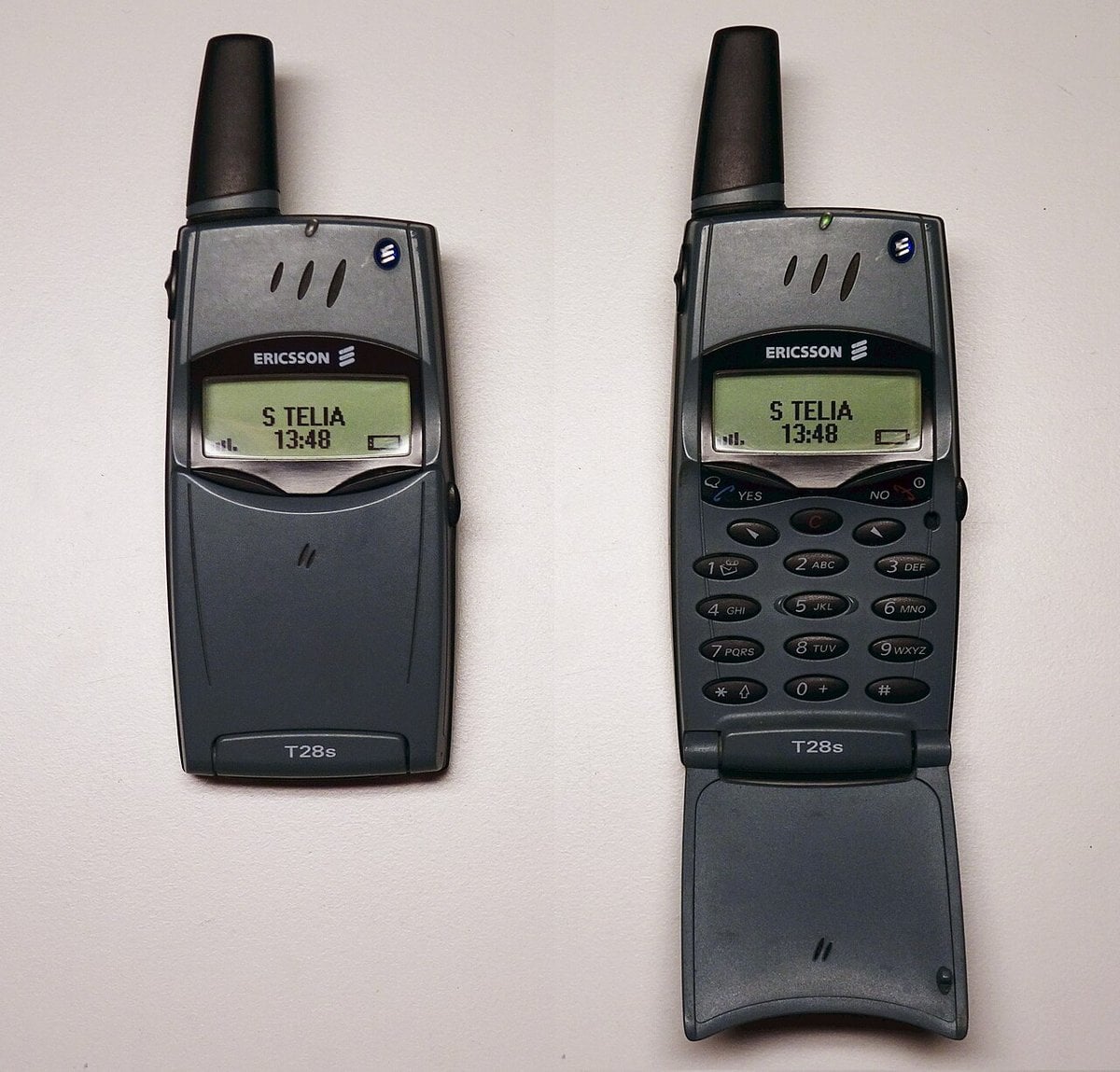
Before Sony was involved, Ericsson was the world's third-largest phone maker, with about 10% of the market in 2001. The GH388 and the slim T28 were its signature phones, and the R380 of 2000 was the first phone to run Symbian.
Then a small fire at a Philips chip plant in Albuquerque in March 2000 left Ericsson an estimated 7 million phones short, and the phone division lost SEK 24 billion that year (Ericsson). In January 2001 Ericsson said it would stop making its own handsets and cut 11,000 jobs. Phones moved to Sony Ericsson that October. Ericsson itself still builds mobile networks.
Last phone: Ericsson T68, 2001.
8. Amazon Fire Phone
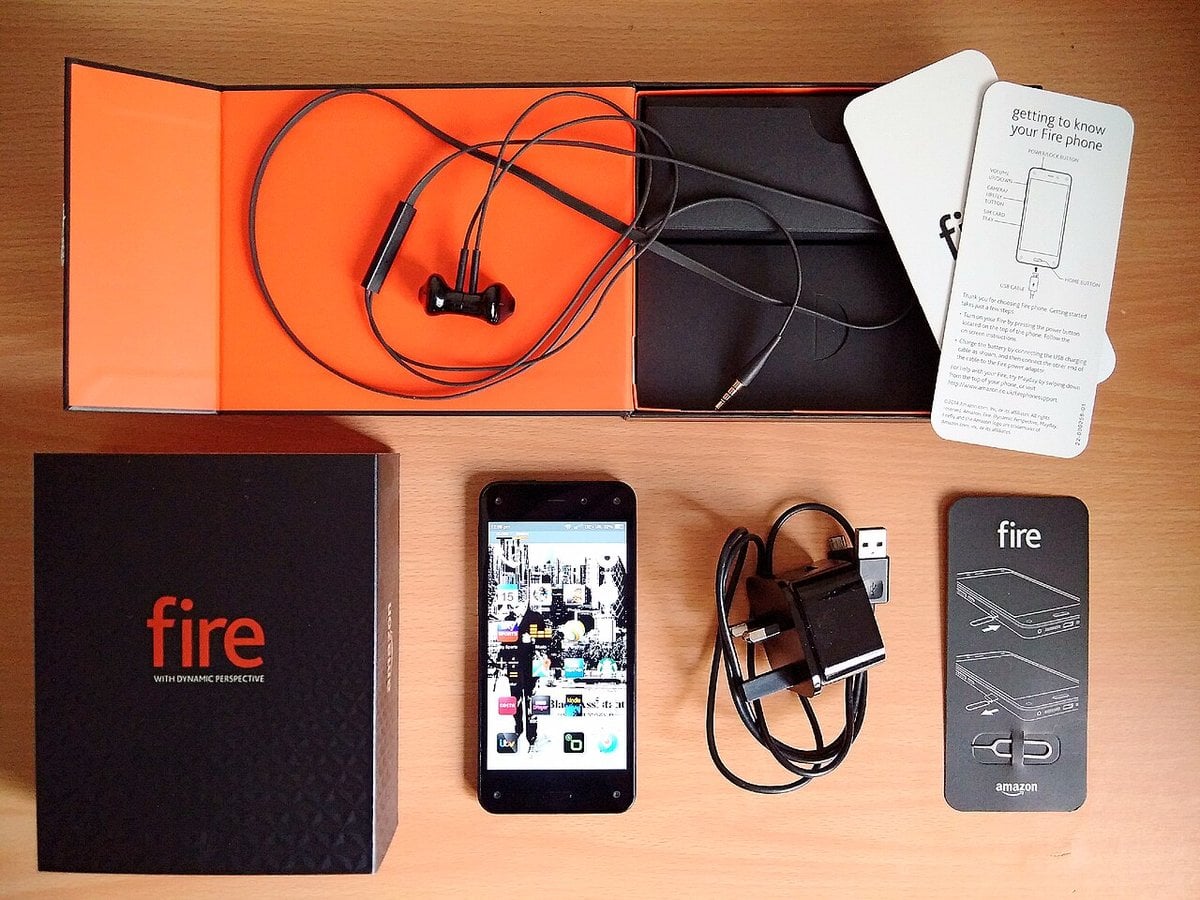
Amazon's only smartphone launched in July 2014 with a 3D-effect interface called Dynamic Perspective and Firefly, a button that identified products so you could buy them on Amazon. It cost $199 on a two-year AT&T contract. Six weeks later it was 99 cents.
Amazon never published sales figures. The Guardian estimated no more than 35,000 in the first 20 days, and in October 2014 Amazon took a $170 million charge, mostly tied to the phone (Wikipedia). By August 2015 it had sold through its stock and stopped making it. The Fire name lives on in tablets and TV sticks.
Last phone: Fire Phone, 2014.
9. T-Mobile Sidekick (Danger)
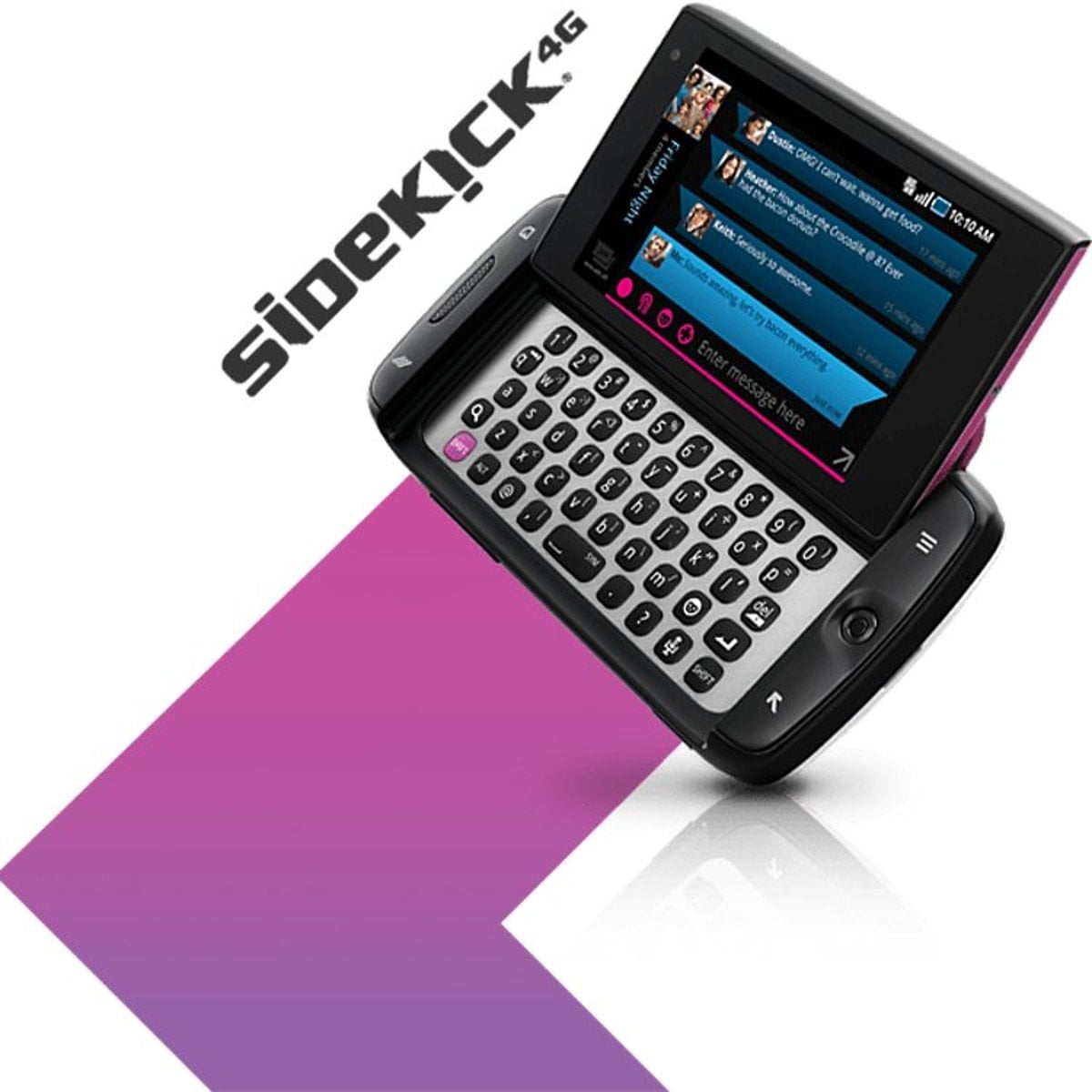
The Sidekick was built by Silicon Valley startup Danger and sold by T-Mobile from October 2002, for $200 plus $40 a month. Its screen swung round to reveal a full keyboard, and it became a celebrity and teen status symbol: Paris Hilton's was famously hacked in 2005. Actual sales were modest, about a million by 2009 (Wikipedia).
Microsoft bought Danger in February 2008 for a rumoured $500 million, and in October 2009 a server failure wiped Sidekick users' data. Danger's servers were switched off on 31 May 2011, leaving only a Samsung-built Android model carrying the name.
Last phone: Sidekick 4G (made by Samsung), 2011.
10. Handspring
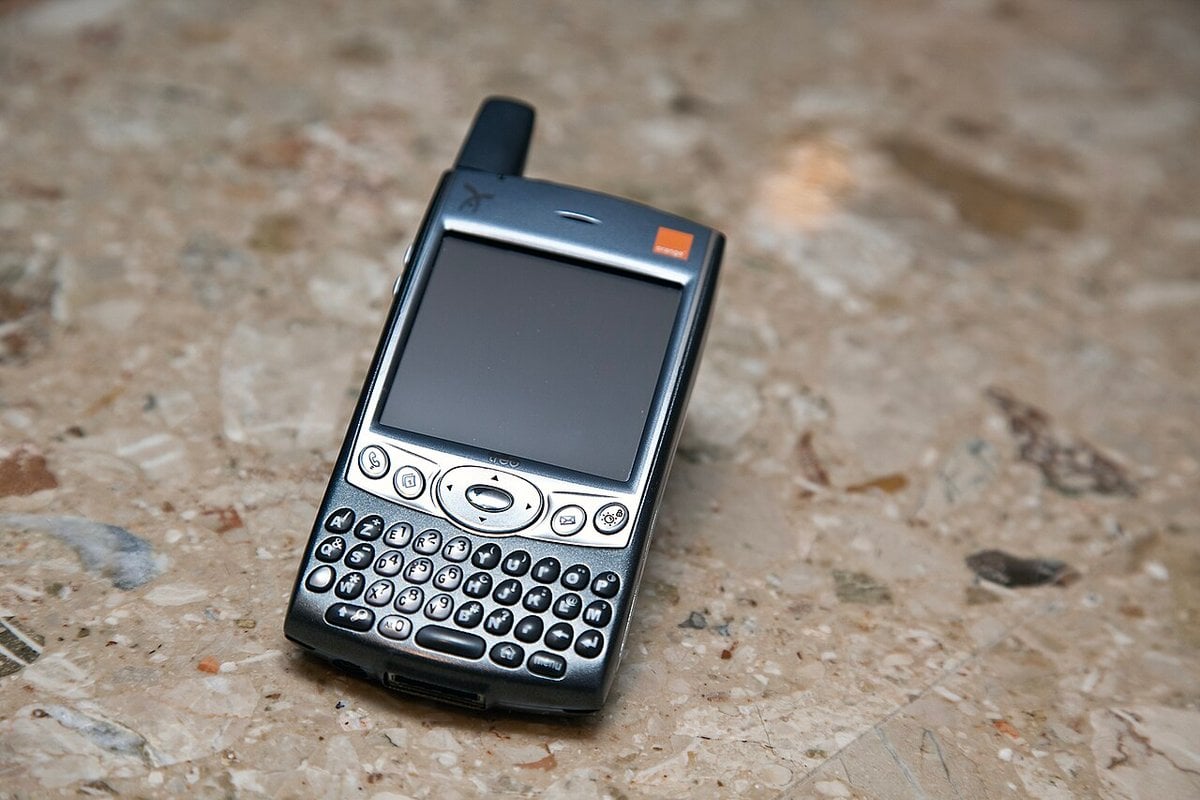
Handspring was founded in 1998 by Jeff Hawkins, Donna Dubinsky and Ed Colligan, the people behind the PalmPilot, after they fell out with Palm's then-owner 3Com. Its Visor handhelds took on their old company from 1999, and in 2002 it added a phone to the idea with the Treo 180 (Wikipedia).
Handhelds were already fading. By early 2003 Handspring had just 2.9% of the market, and in June 2003 Palm agreed to buy it for about $169 million. The Treo 600 was the first Treo to be rebranded as a Palm product, and the Treo name carried on without Handspring.
Last phone: Handspring Treo 600, 2003.
11. Essential
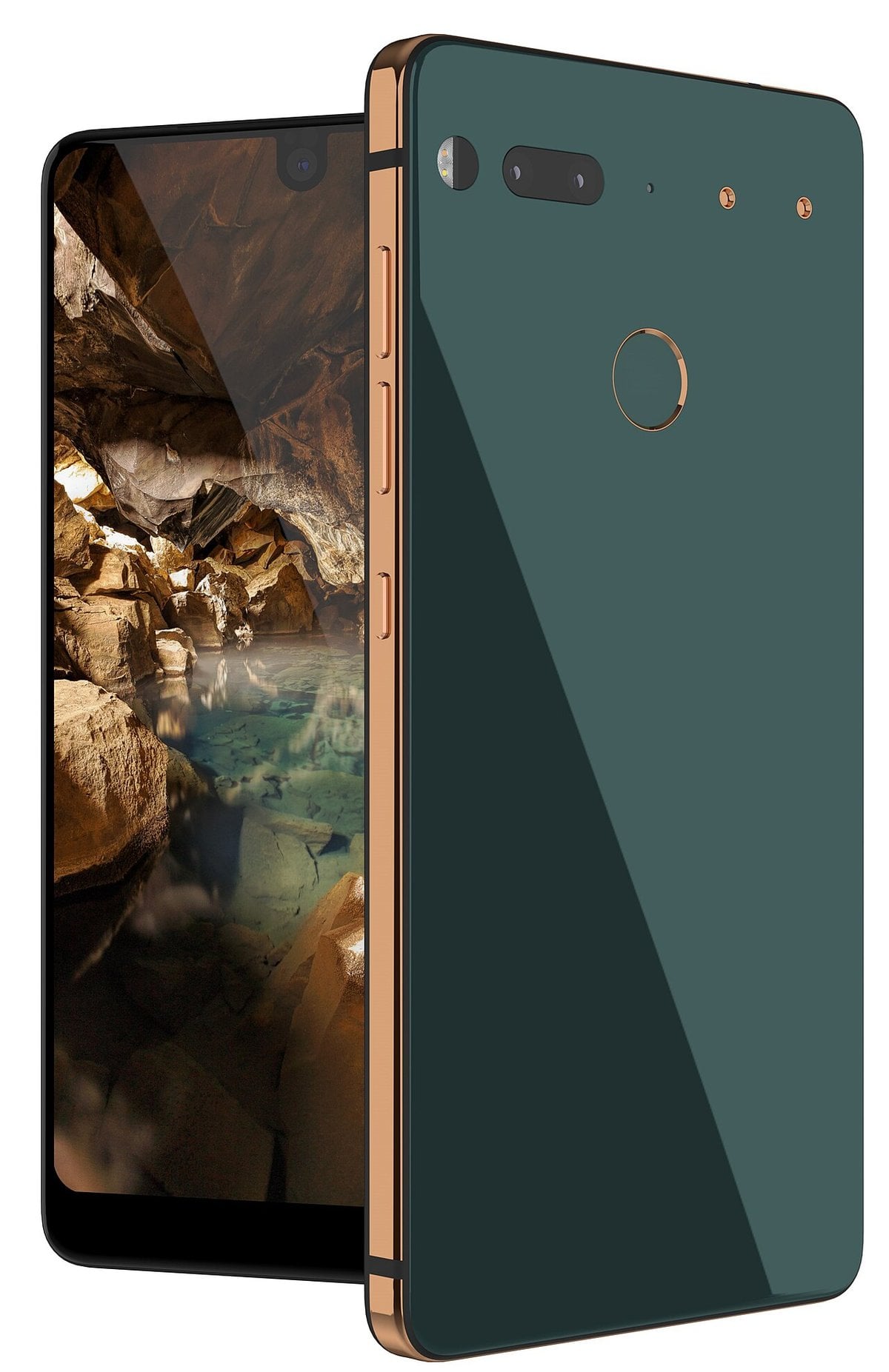
Android co-founder Andy Rubin's startup raised $330 million, at an estimated $1 billion valuation, before launching the Essential Phone (PH-1) at $699 in 2017. It was a Sprint exclusive in the US, and buyers were scarce.
The phone reportedly sold fewer than 90,000 units in its first six months, and big layoffs followed in late 2018. Essential bet the company on Project Gem, a tall, narrow phone that looked more like a TV remote, then announced in February 2020 that it was shutting down, with one final security update for the PH-1.
Last phone: Essential Phone (PH-1), 2017.
12. Sanyo
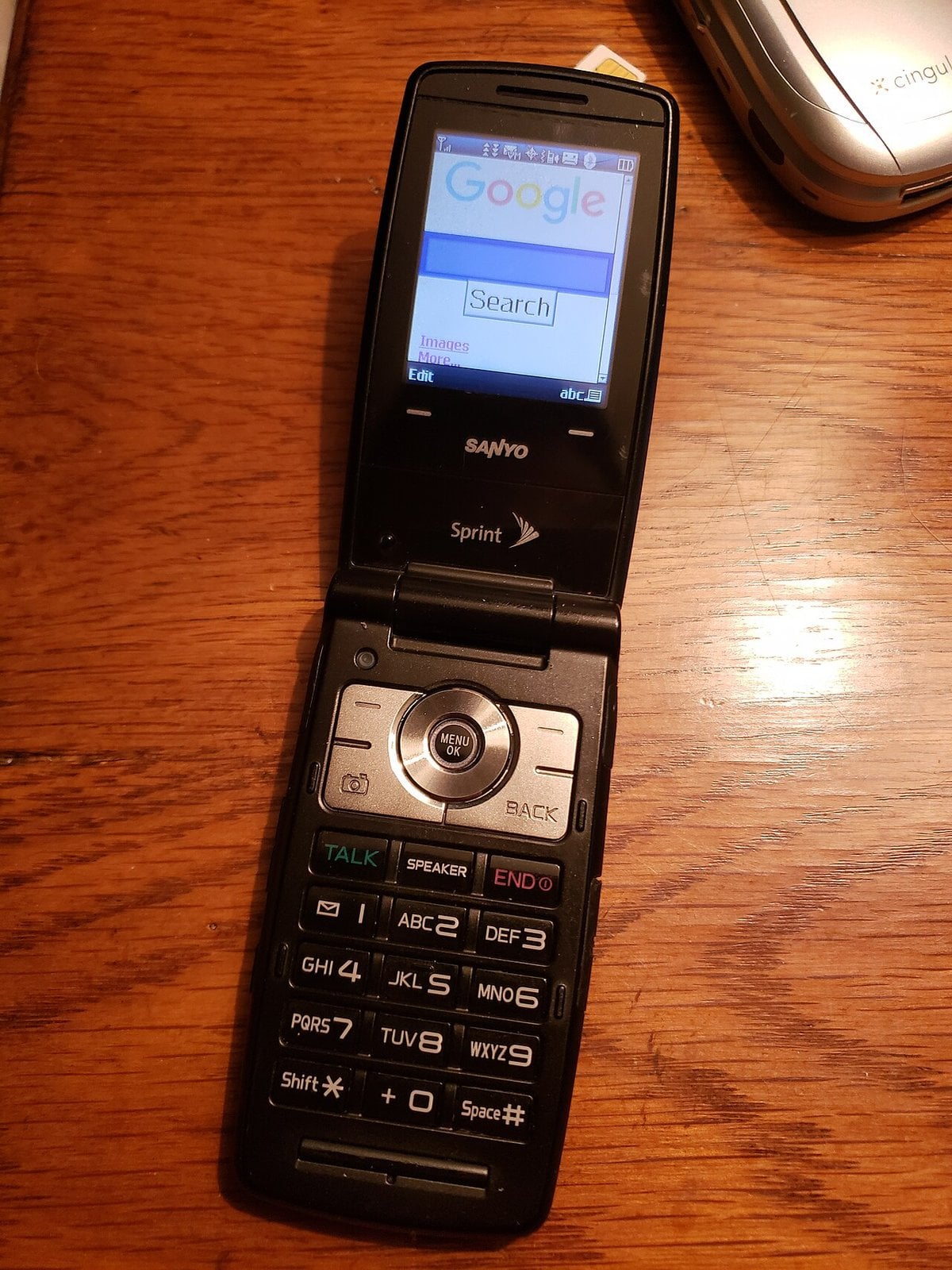
Japan's Sanyo made CDMA phones for Sprint in the US and Bell Mobility in Canada (Wikipedia). Its best known was the Katana, an ultra-slim 2006 flip phone that looked a lot like the Motorola RAZR and spawned a whole family of follow-ups.
Sanyo's wider finances were in trouble, and in 2008 it sold its phone division to Kyocera, including its Japanese, US and Canadian operations. Panasonic took control of Sanyo in December 2009 and in October 2010 announced plans to retire the Sanyo brand in most markets. Kyocera kept the name on a few Sprint phones for a while, including the Android-powered Sanyo Zio in October 2010.
Last phone: Sanyo Zio (made by Kyocera), 2010.
13. Microsoft Kin
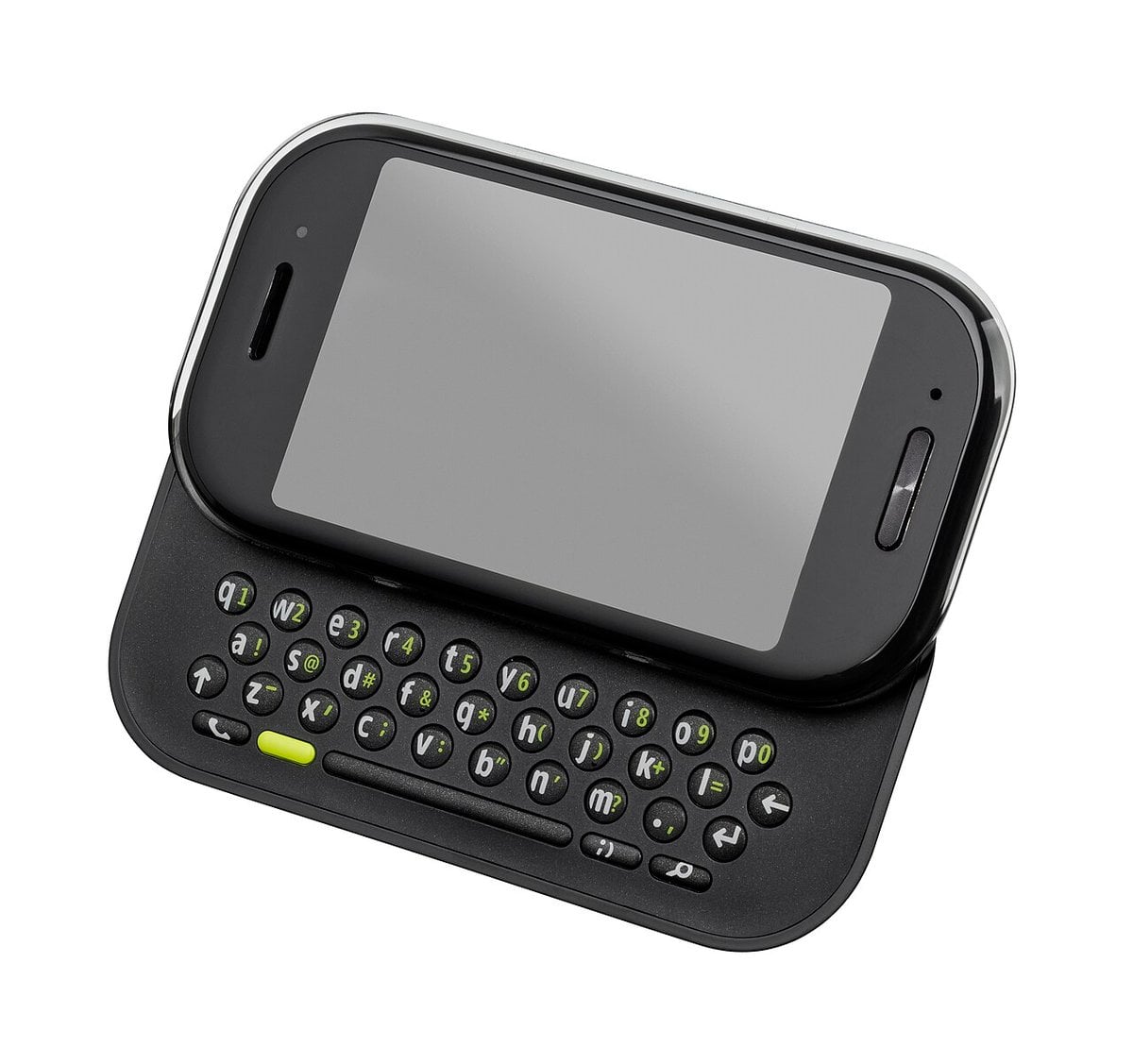
Microsoft's own-brand Kin was meant to be its answer to the Sidekick: two social-networking handsets, the Kin One and Kin Two, built by former Danger staff and sold by Verizon from May 2010, with plans starting at $39.99 a month.
Verizon stopped selling them after just 48 days, on 30 June 2010. The project had reportedly cost Microsoft about $1 billion over two years (Wikipedia). Microsoft cancelled the European launch and moved the team onto Windows Phone. Unsold stock came back in December 2010 as cut-down ONEm and TWOm feature phones, and kin.com closed in January 2011.
Last phone: Kin ONEm and TWOm, 2010.
14. Razer Phone
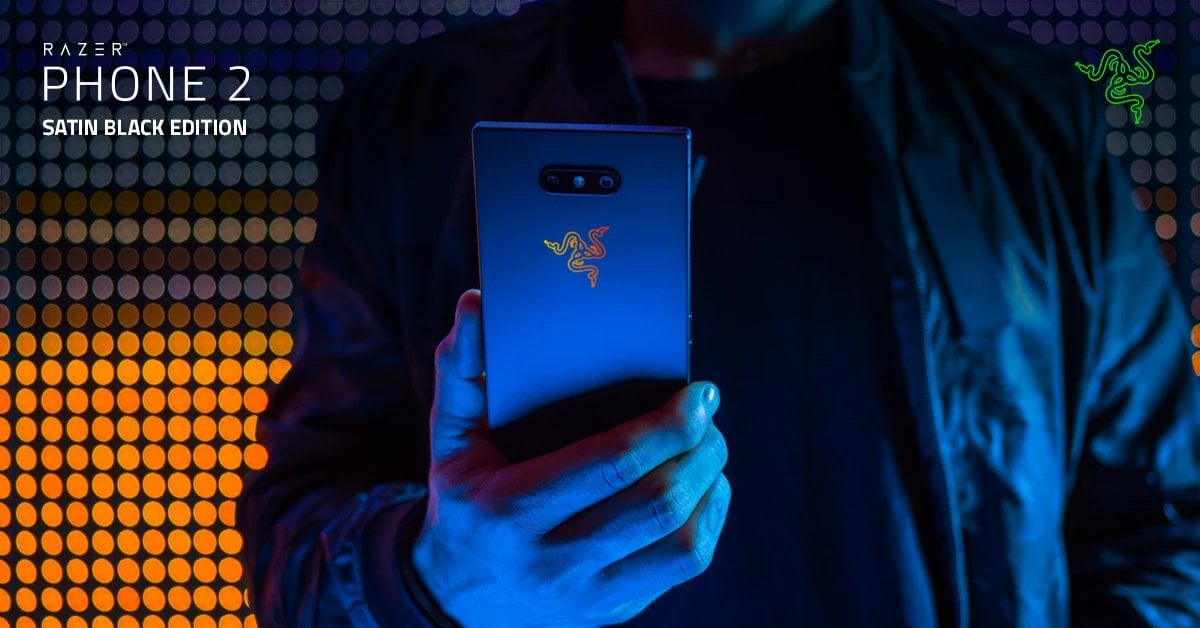
Gaming brand Razer bought Nextbit, maker of the cloud-storage Robin phone, in January 2017, and launched the Razer Phone that November with a 120Hz screen and 8GB of RAM, specs that were rare on phones at the time.
The Razer Phone 2 followed in 2018, but neither sold well. In February 2019 Razer laid off about 30 people in a reorganisation, reportedly most of its mobile team, and the Razer Phone 3 was reportedly cancelled. Razer still makes laptops, mice and phone accessories, but it no longer makes phones.
Last phone: Razer Phone 2, 2018.
15. RED Hydrogen
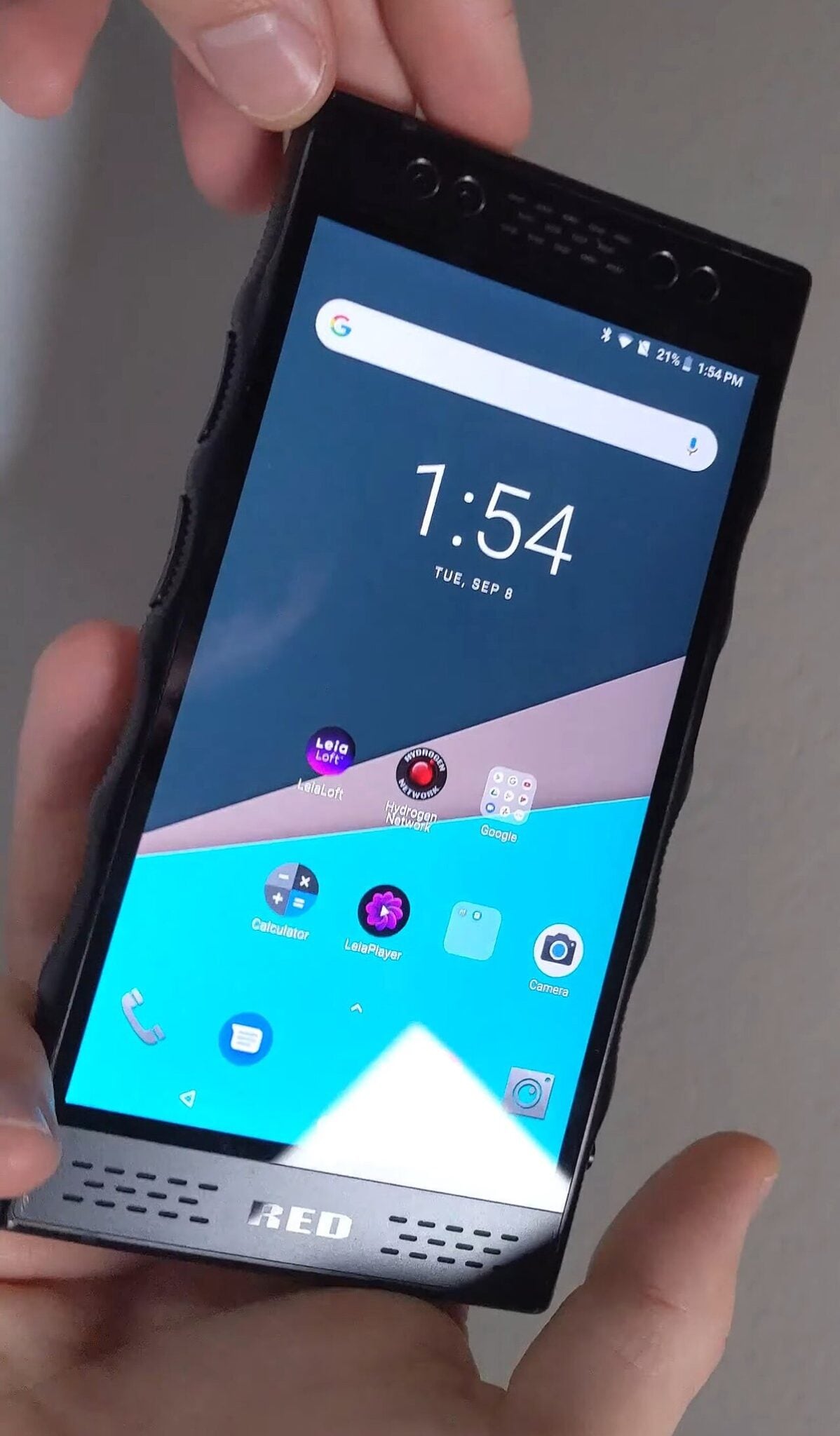
RED, the company behind high-end digital cinema cameras, released the Hydrogen One in the US on 2 November 2018 through AT&T and Verizon. It was priced at about $1,300, reports varied slightly, and its big idea was a “holographic” screen.
Reviews were mixed at best: CNET gave it 7.9/10, The Verge 3/10 (Wikipedia). Promised modular camera add-ons were dropped in 2019, and in October 2019 RED cancelled the Hydrogen line as founder Jim Jannard retired. RED itself went back to cameras and was bought by Nikon in 2024 for 13.1 billion yen, about $87 million.
Last phone: Hydrogen One, 2018.
16. Sendo
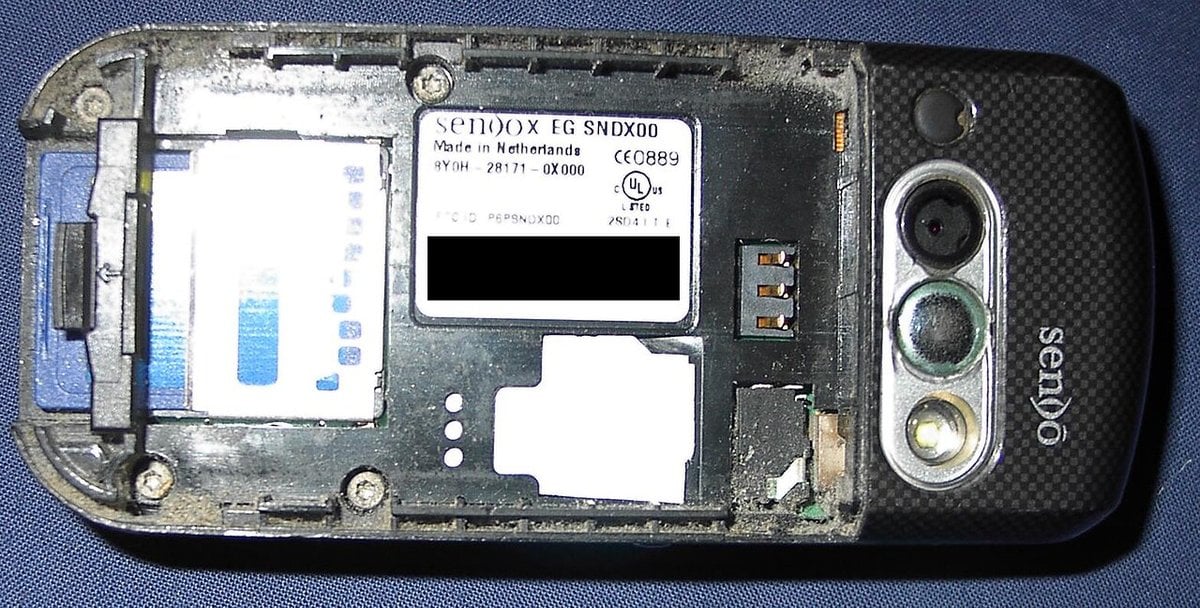
Birmingham-based Sendo was founded in 1998 by former Philips and Motorola staff and made cheap pay-as-you-go handsets. Microsoft took about 10% of the company in 2001 and picked it as launch partner for its first Windows smartphone.
It went badly wrong. Sendo dropped Microsoft for Symbian in late 2002, sued it for alleged misuse of its technology, and the case was settled out of court (Wikipedia). Sendo sold 5 million devices in 2004, and its Series 60 Sendo X earned good reviews. It still went into administration in June 2005, and Motorola bought its technology and engineers.
Last phone: Sendo X, its final flagship, 2004.
17. Benefon
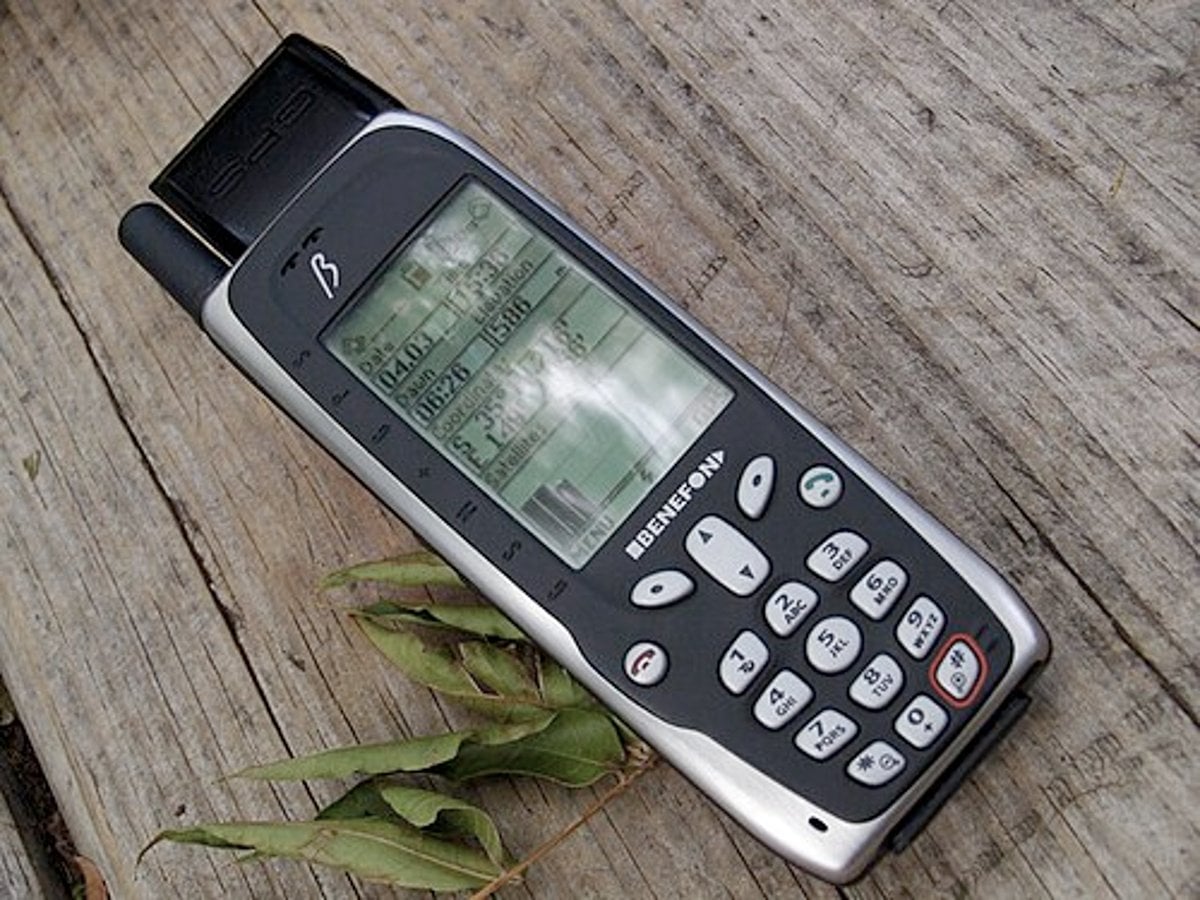
Benefon was set up in Salo, Finland, in 1988 by Jorma Nieminen, former head of Nokia's mobile phone section. It specialised in tough and GPS phones: the 1999 Benefon Esc! had built-in GPS and downloadable maps, and the 2000 Twin was among the first dual-SIM phones (Wikipedia).
It never escaped the niche. Benefon entered bankruptcy protection in 2004, was taken over and renamed GeoSentric in 2007, and its phone production closed. Its GPS handset line, Twig, was sold to its own management in 2011, reportedly for one euro, and now makes personal safety and tracking devices.
Last phone: Benefon Twig Discovery, 2006.
18. Neonode
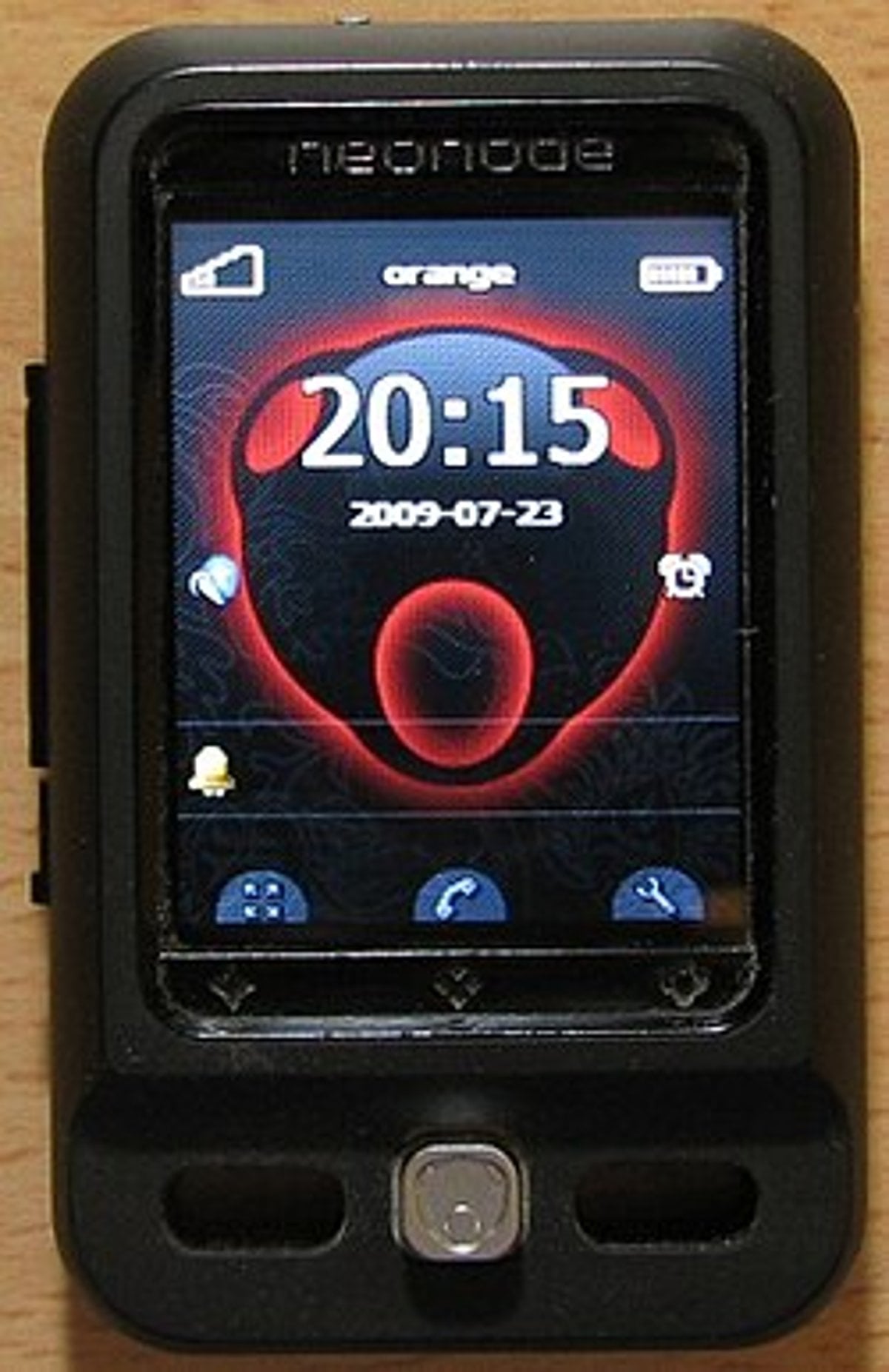
Swedish startup Neonode's N1, launched in early 2005, had a large touchscreen and almost no buttons. You controlled it with swipes, including a left-to-right slide to unlock it, two years before the iPhone (Wikipedia).
The N1 and its successor, the N2, never found a mass market. A failed share issue in November 2008 left the company short of cash, and Neonode declared bankruptcy on 9 December 2008. It was restarted immediately as a technology company, and today it licenses its zForce optical touch sensors to other manufacturers and trades on Nasdaq as NEON.
Last phone: Neonode N2, 2007.
Did You Know? One person founded two of the companies on this list. Andy Rubin co-founded Danger, maker of the Sidekick, in 1999, left in 2003 to create Android, and later launched Essential, which shut down in 2020.
The 18 at a glance
| Brand | Peak years | Best-known phone | Gone since | What happened |
|---|---|---|---|---|
| BlackBerry | 2008–2011 | BlackBerry Curve | 2020 | Lost to iPhone and Android; TCL licence ended, 5G revival never shipped |
| Palm | 2000–2006 | Treo 650 | 2011 (one-off revival 2018) | Bought by HP, which killed webOS; TCL revival lasted one phone |
| Sony Ericsson | 2005–2008 | K750i / W800 | 2012 | Sony bought out Ericsson and renamed it Sony Mobile |
| LG | 2006–2013 | LG Chocolate | 2021 | About $4.5 billion of losses; quit phones entirely |
| Microsoft Lumia | 2012–2014 | Lumia 520 | 2016 | $7.6 billion Nokia write-down; Windows Phone abandoned |
| Siemens | 2000–2003 | Siemens C55 | 2006 | Paid BenQ to take it; BenQ Mobile went insolvent |
| Ericsson | 1996–2000 | Ericsson T28 | 2001 | Factory fire and losses; phones moved to Sony Ericsson |
| Amazon Fire Phone | 2014 | Fire Phone | 2015 | Cut to 99 cents in six weeks; $170 million charge |
| T-Mobile Sidekick (Danger) | 2004–2008 | Sidekick | 2011 | Microsoft bought Danger; data loss; servers switched off |
| Handspring | 1999–2003 | Treo 600 | 2003 | Bought by Palm for about $169 million |
| Essential | 2017 | Essential Phone (PH-1) | 2020 | Under 90,000 sales in six months; company closed |
| Sanyo | 2005–2008 | Sanyo Katana | 2010 | Phone arm sold to Kyocera; Panasonic retired the brand |
| Microsoft Kin | 2010 | Kin Two | 2010 | Pulled after 48 days; reported $1 billion cost |
| Razer Phone | 2017–2018 | Razer Phone | 2019 | Weak sales; mobile team cut, Phone 3 cancelled |
| RED Hydrogen | 2018–2019 | Hydrogen One | 2019 | Poor reviews; line cancelled, RED sold to Nikon |
| Sendo | 2002–2004 | Sendo X | 2005 | Microsoft fallout; administration, tech sold to Motorola |
| Benefon | 1999–2004 | Benefon Esc! | 2007 | Bankruptcy protection; renamed GeoSentric |
| Neonode | 2005–2007 | Neonode N1 | 2008 | Bankrupt; reborn as a touch-sensor licensor |
Peak years are approximate. Sales and cost figures are reported estimates.
The Bottom Line
Most of these brands didn't die because their phones were bad. BlackBerry, Palm, Sony Ericsson and LG all made hits, then lost a platform war or a price war to Apple and Samsung and never got the scale back. The newcomers — Essential, Razer, RED, Amazon — learned that a clever idea isn't enough when the phone has to compete with an iPhone on the same carrier shelf.
The pattern since 2010 is clear. A handful of giants sell most of the world's phones, and the big names that lose their footing rarely get it back. Several of these brands were revived once and disappeared again.