

The best-selling phone in history had a monochrome screen, no camera and a built-in torch. It cost about $100. Guinness World Records says the Nokia 1100 shipped more than 250 million units, and no iPhone, Galaxy or flip phone has beaten it.
Ranking phones by sales is harder than it sounds. Nokia rarely published figures for individual models, and Apple doesn't report iPhone unit sales at all, so most of the numbers below are estimates from analysts and the press. Sources sometimes disagree by tens of millions.
Here are the 25 best-selling phones of all time, counting down from #25 to #1. Each one is ranked by the most credible lifetime figure we could find. Where sources disagree, we say which figure we used and give the range.
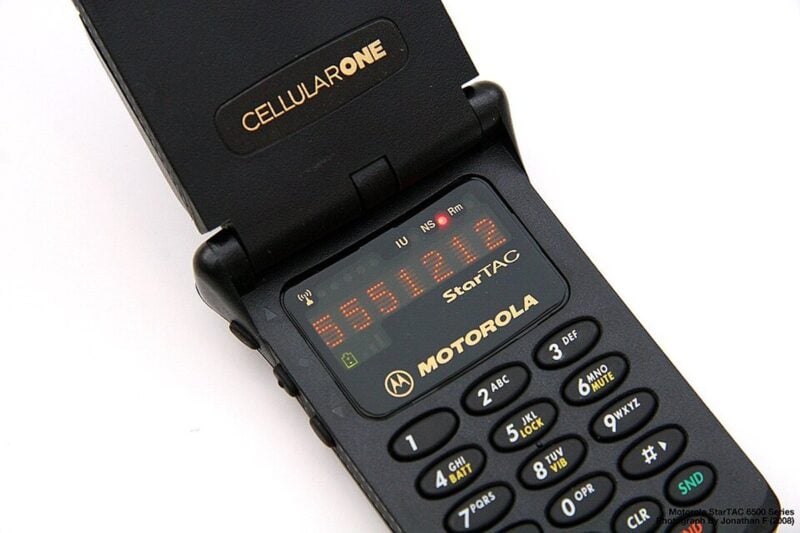
25. Motorola StarTAC — about 60 million
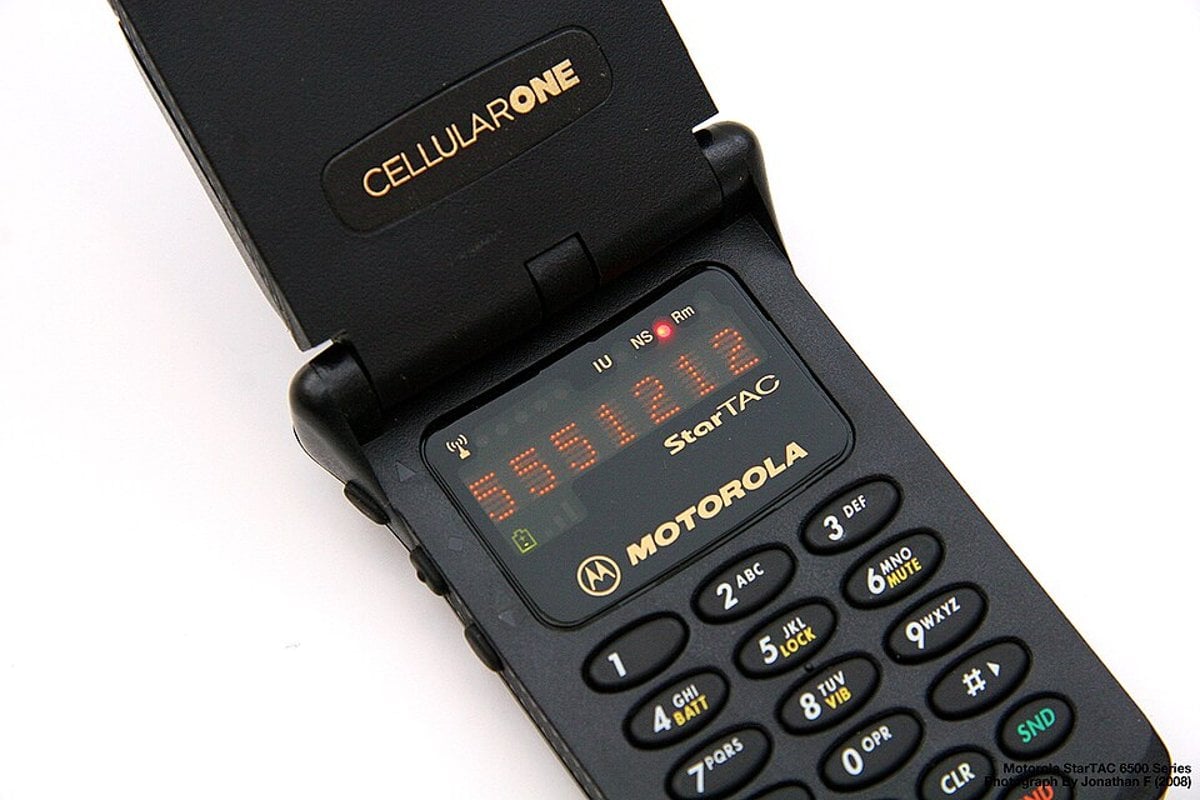
Motorola unveiled the StarTAC in January 1996 at $1,000, roughly $2,000 in today's money. At about 88 grams it was the smallest, lightest phone you could buy, and Motorola sold it as something you'd wear, not just carry.
It's often called the first clamshell phone, although NEC had a flip design earlier. Most buyers got it on contract because of the price. The StarTAC turned the mobile phone into a fashion item, and the RAZR later cashed in on the same idea. The Telegraph's bestseller list, as reported by Windows Central, puts its sales at 60 million.
Units sold: About 60 million (estimated)
24. iPhone 4S — just over 60 million
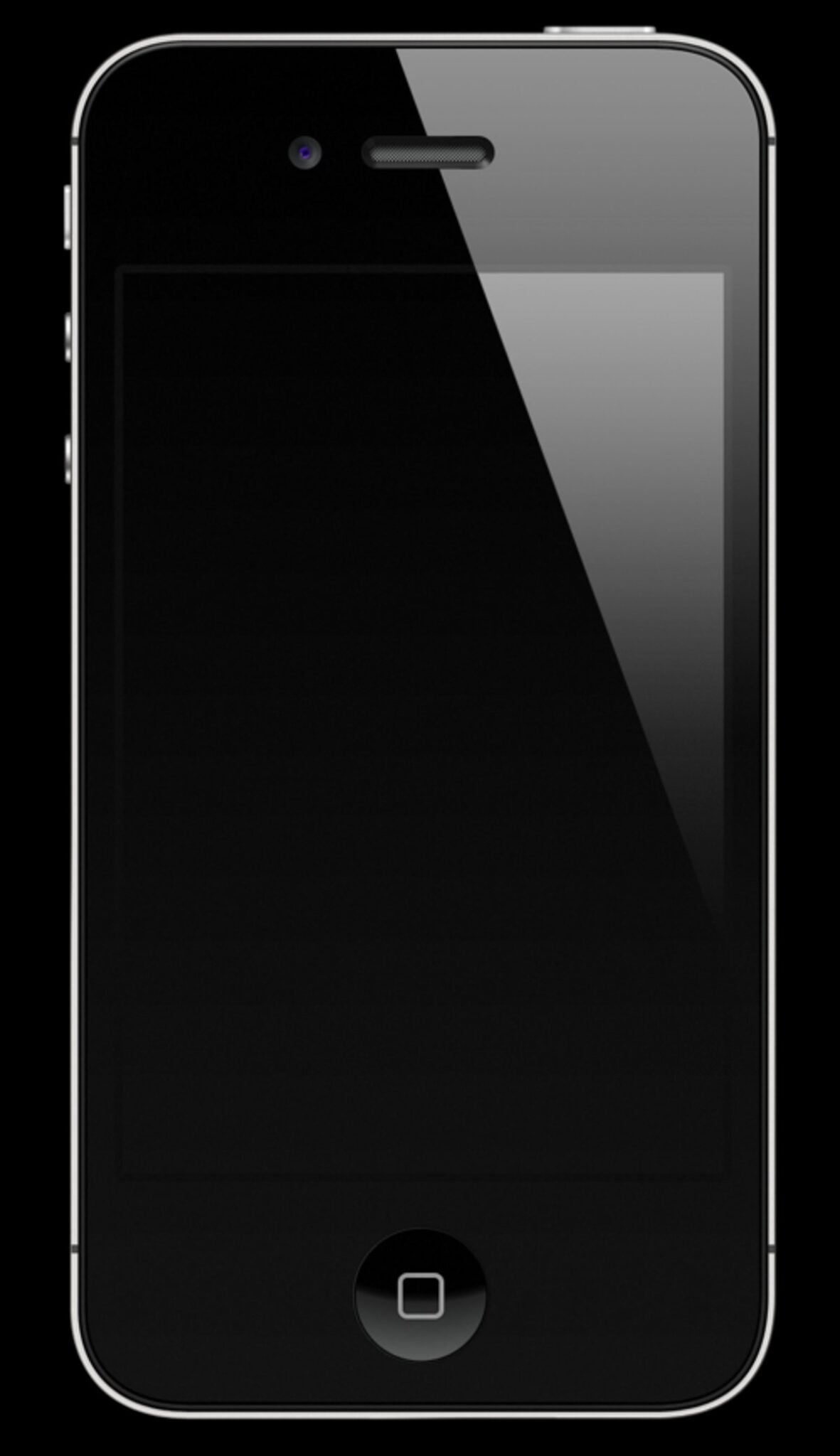
Fans were expecting an iPhone 5 in October 2011. What they got was an upgraded iPhone 4, from $199 on contract. They bought it anyway. Apple sold more than four million in the first weekend, a record for any phone at the time.
The “S” stood for Siri, the voice assistant that launched as a 4S exclusive and was the feature reviewers talked about most. A 16-month gap since the iPhone 4 had also built up demand. The Telegraph estimated sales at just over 60 million.
Units sold: Just over 60 million (estimated)
23. Nokia 5130 XpressMusic — about 65 million
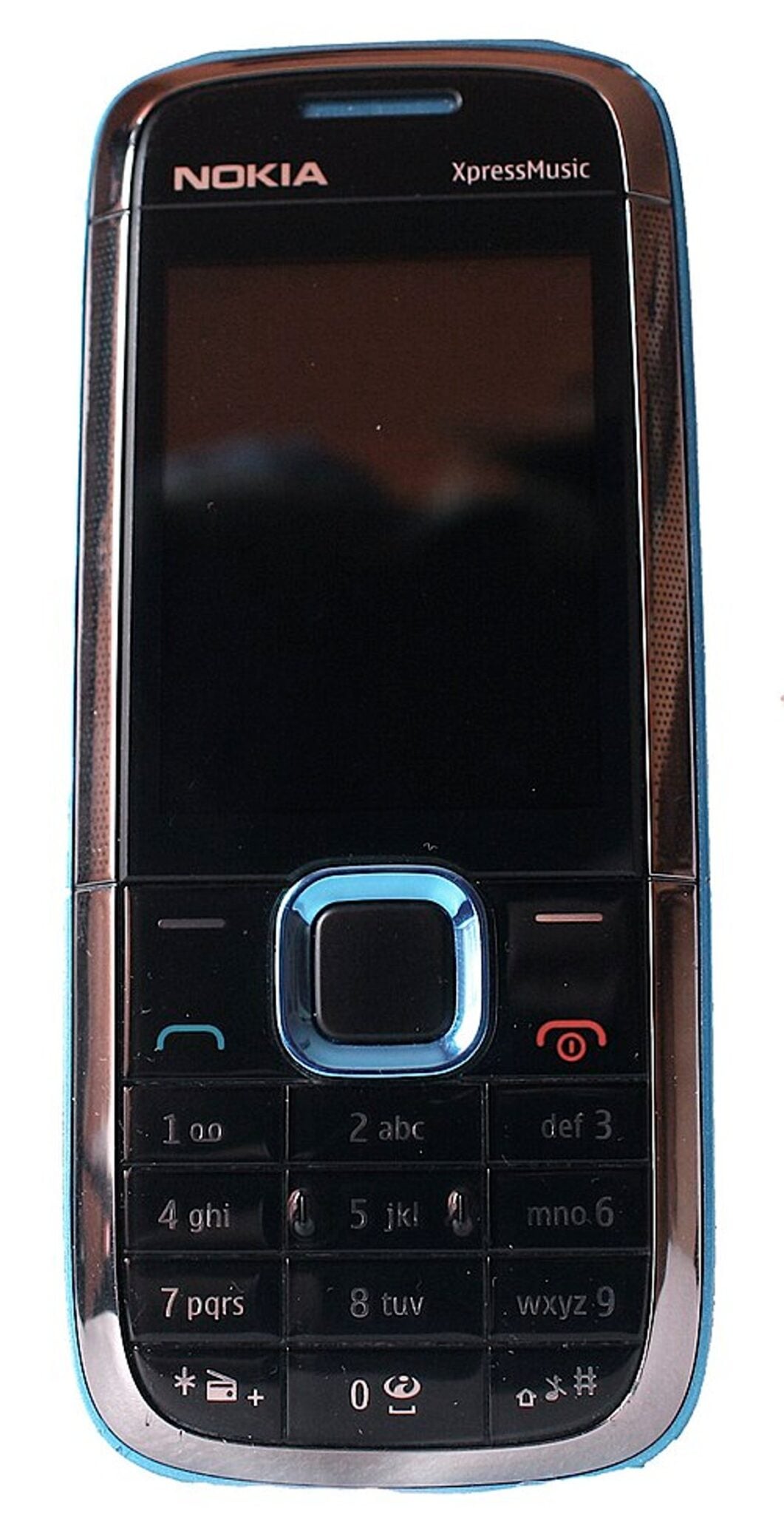
Before every phone was a music player, Nokia sold the XpressMusic range to people who wanted one. The 5130 arrived in Nokia's 2009 lineup as one of the few XpressMusic models without 3G.
It had dedicated music keys, a 3.5mm headphone jack, a 2-megapixel camera, Opera Mini and up to 21 hours of music playback. It was a music phone at a feature-phone price. The Telegraph's list puts lifetime sales at 65 million. Nokia never confirmed a figure.
Units sold: About 65 million (estimated)
22. Samsung Galaxy S III — about 70 million
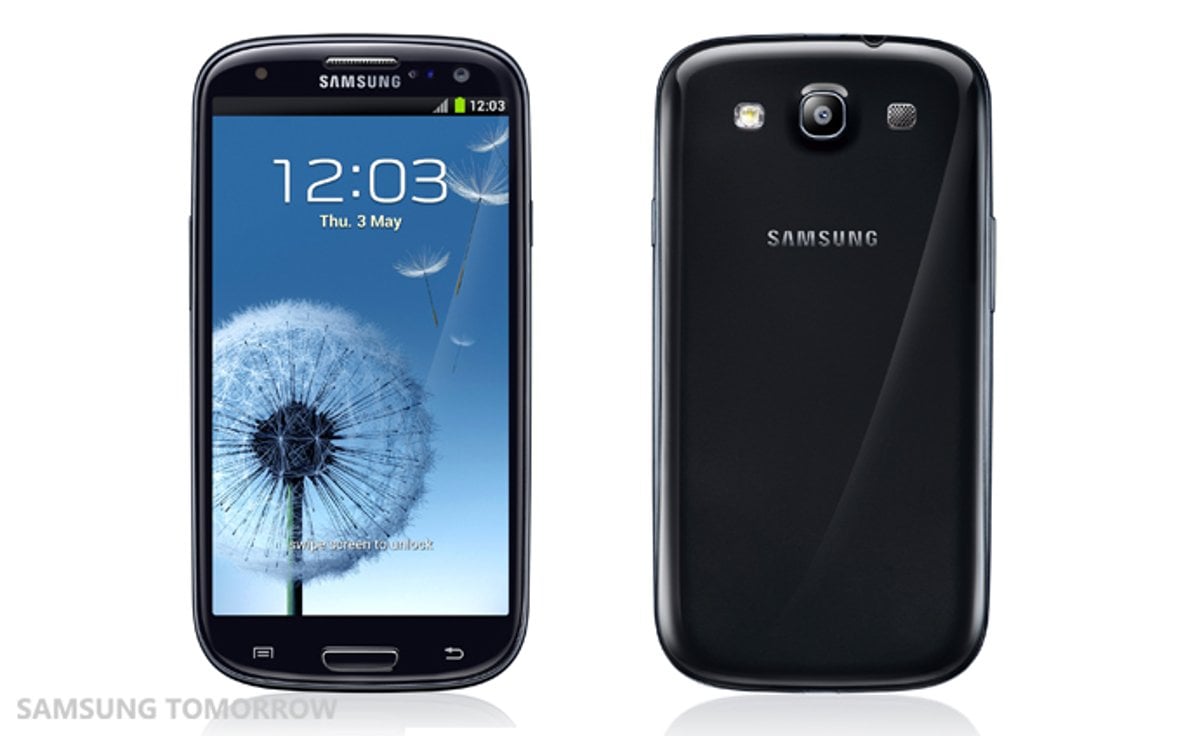
Samsung launched the Galaxy S III in London in May 2012 with around nine million pre-orders already booked. It reached 20 million sales in 100 days. In the third quarter of 2012, Strategy Analytics said it had overtaken the iPhone 4S as the world's best-selling smartphone.
Its big screen and quad-core chip made it Android's answer to the iPhone, and the press called it an “iPhone killer”. Sales passed 50 million in April 2013, and Computerworld reported a lifetime total of 70 million in 2015.
Units sold: About 70 million (reported)
21. Nokia 6010 — about 75 million
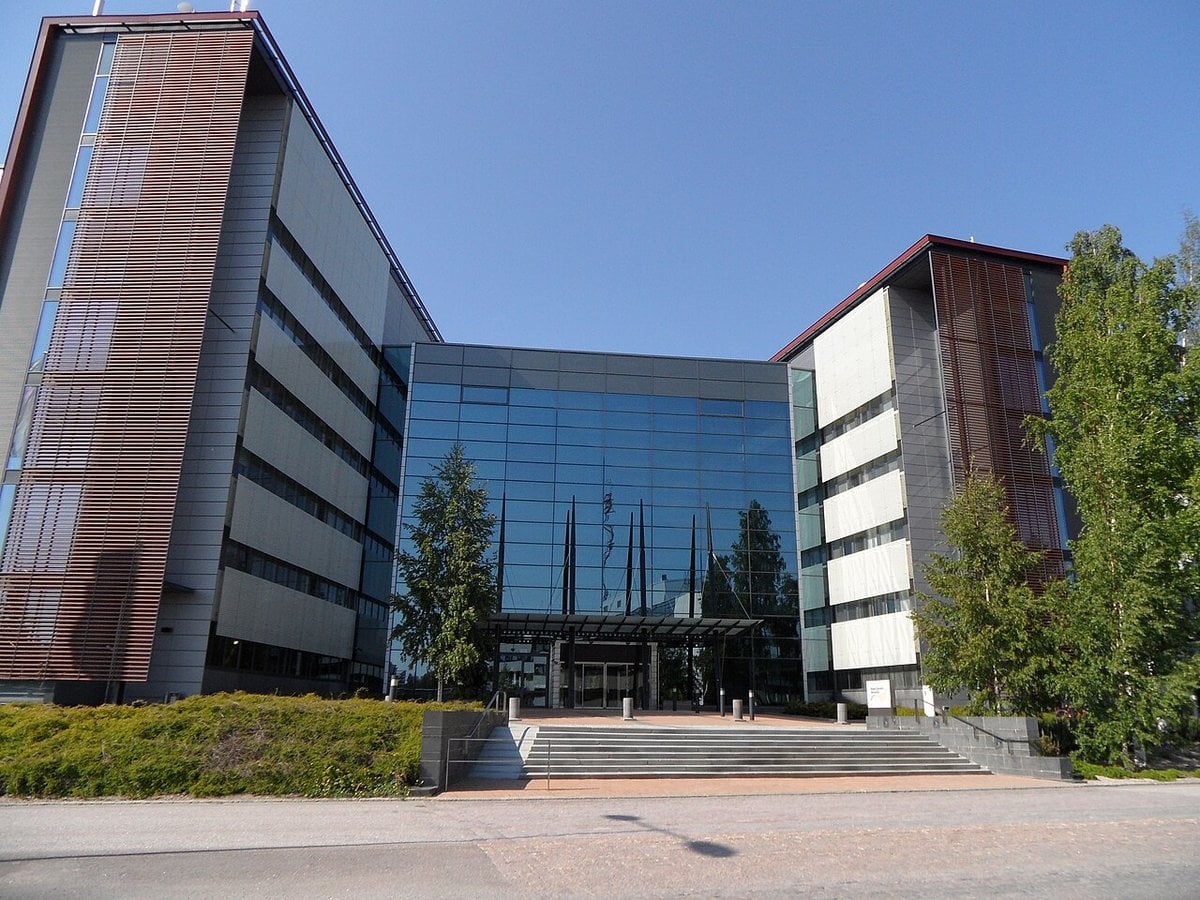
The 6010 came out in 2004 and was about as ordinary as a phone could be. It had a small colour screen, polyphonic ringtones, Java games, GPRS internet and an instant messaging client for ICQ and AOL. It had no camera.
That was the point. It was a dependable Series 40 phone, sold through carriers including T-Mobile in North America. Like most Nokias of the era, it took Xpress-on covers. The Telegraph's bestseller list puts its sales at 75 million.
Units sold: About 75 million (estimated)
20. Samsung Galaxy S4 — 70–80 million
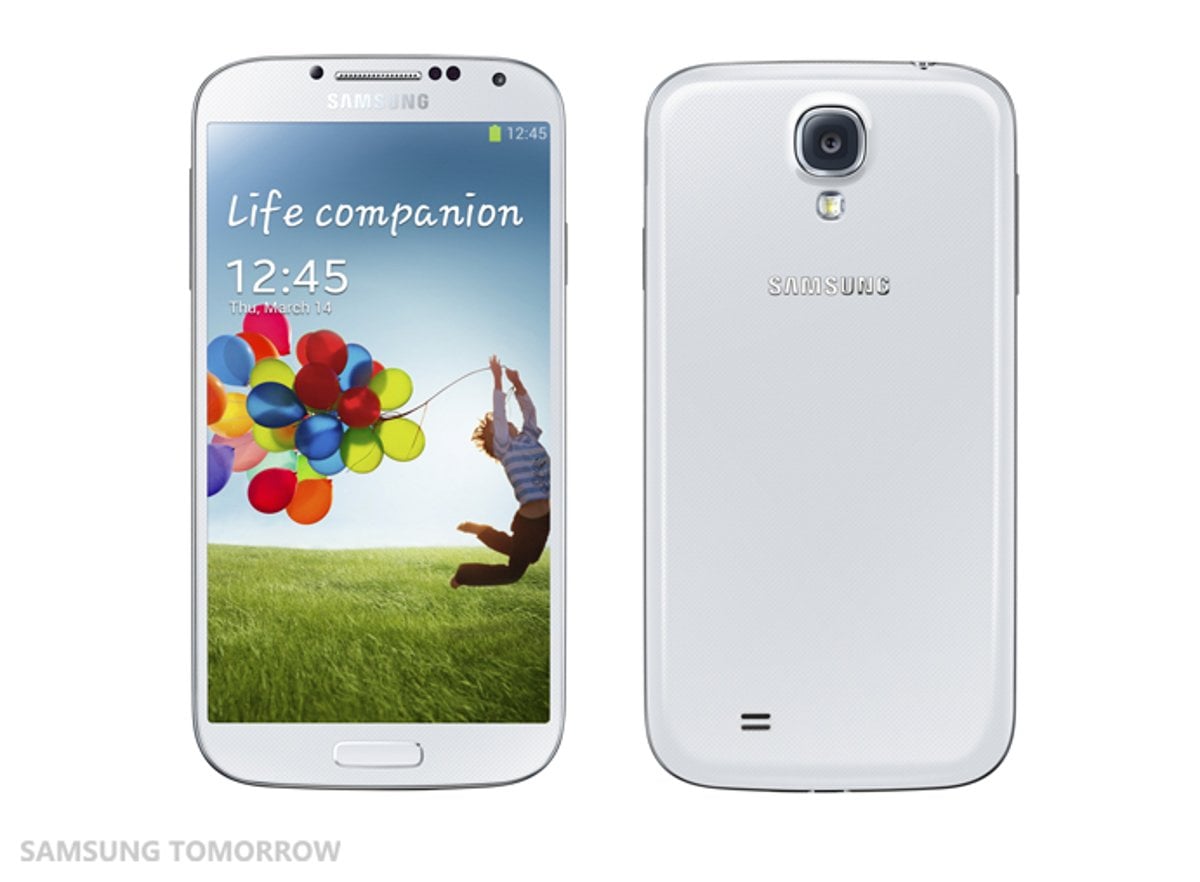
The Galaxy S4 went on sale in April 2013 on 327 carriers in 155 countries. It was Samsung's fastest start yet: 10 million in under a month and 20 million by the end of June, according to Yonhap.
It had a 5-inch Full HD screen and a faster chip, it reviewed well, and Samsung took 10 million pre-orders within two weeks of announcing it. The Telegraph's figure of more than 80 million, repeated by the Motley Fool, would make it the best-selling Android flagship ever. Computerworld reported 70 million in 2015. We've ranked it on the 80 million figure.
Units sold: 70–80 million (reported)
19. Nokia 1208 — about 100 million
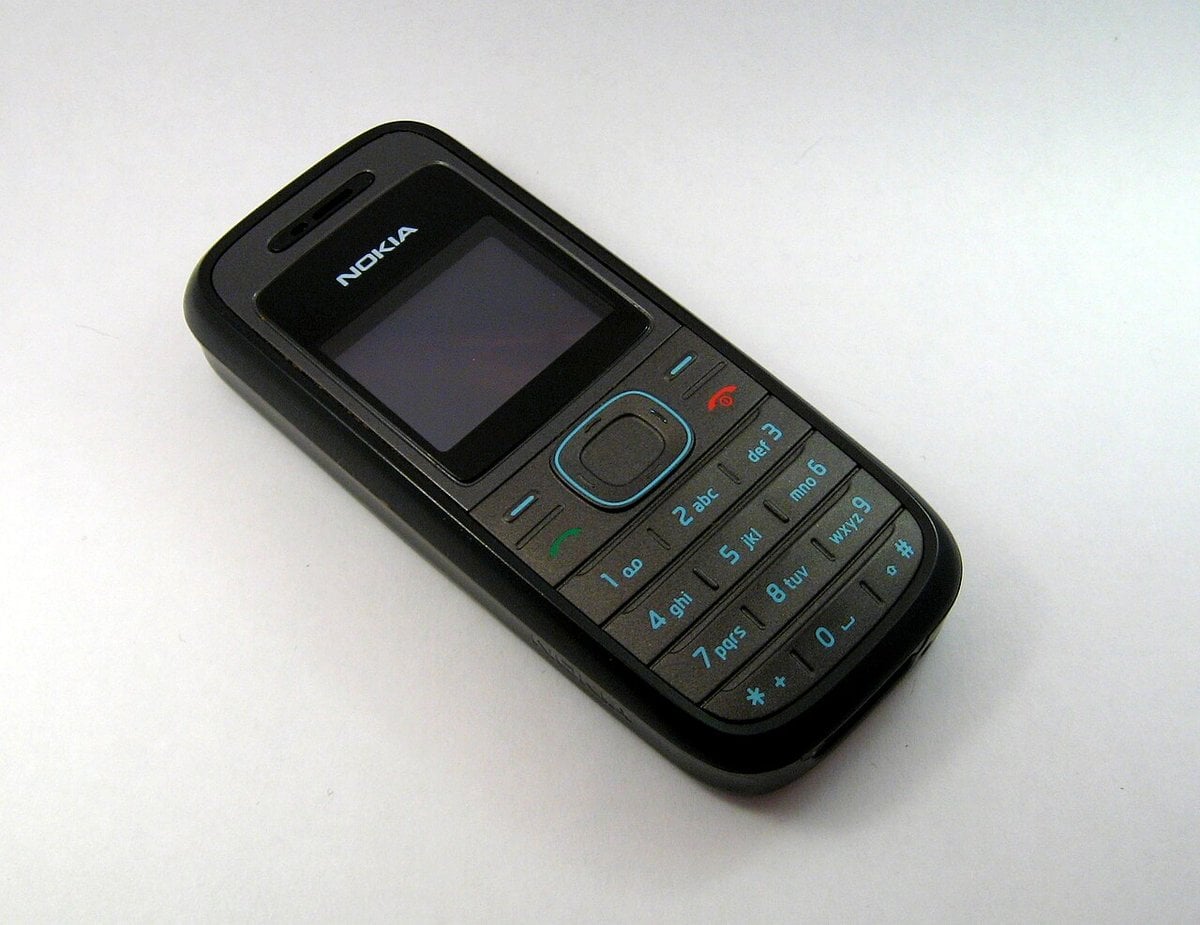
The 1208 was announced in May 2007 as part of Nokia's “Ultrabasic” range, phones built for people buying their first handset. It ran Nokia's simple Series 30 software and had a small colour screen, interchangeable covers, a loudspeaker and a 700mAh battery.
That's an unremarkable spec sheet, and its customers didn't care. They wanted calls and texts at a price they could afford, from a brand they trusted. The Telegraph's list credits the 1208 with 100 million sales, more than any iPhone released before the iPhone 5.
Units sold: About 100 million (estimated)
18. iPhone 12 — more than 100 million
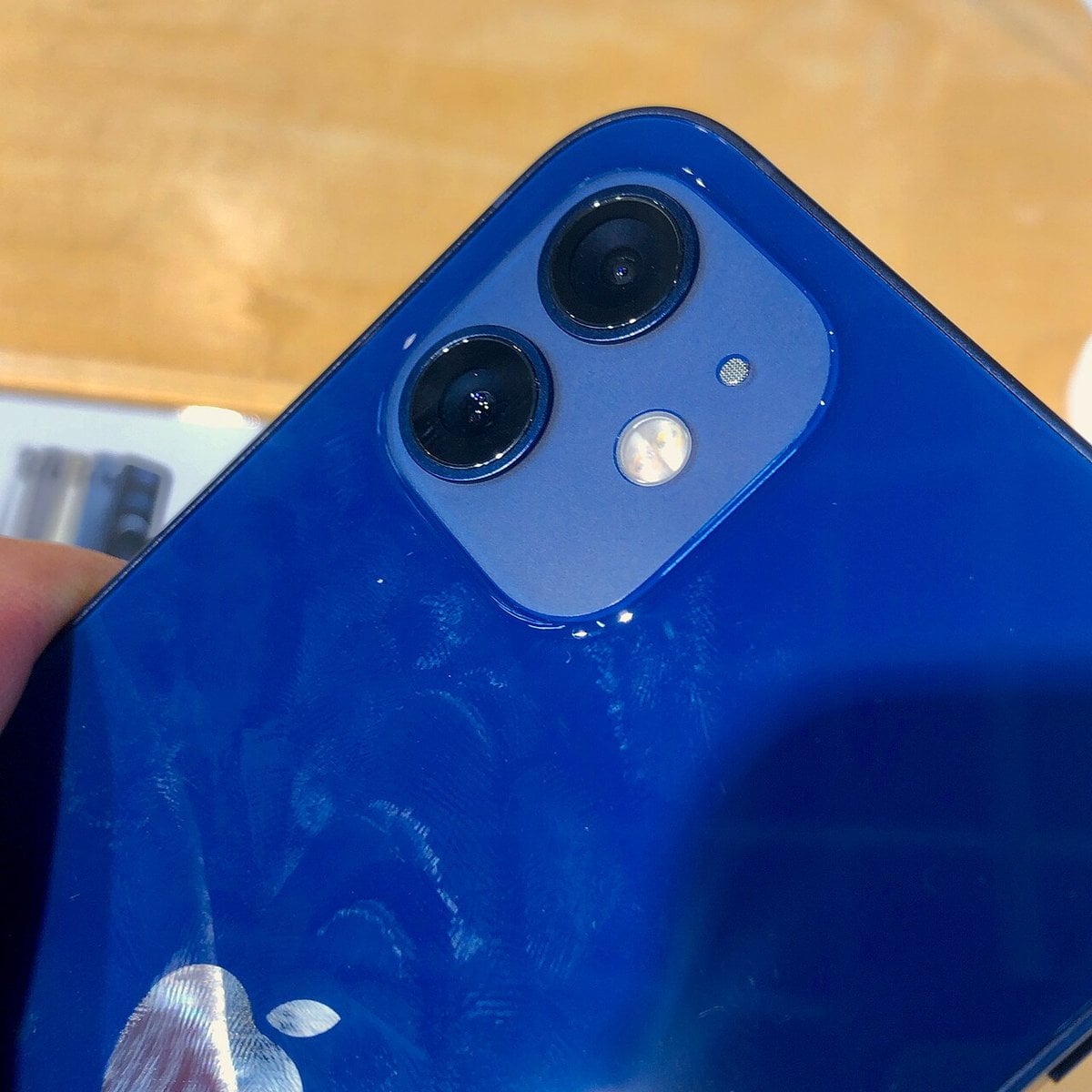
The iPhone 12 launched in October 2020 from $799, with the 12 mini $100 cheaper. It brought 5G, OLED screens across the range, MagSafe and a flat-edged design that recalled the iPhone 4 and 5.
Counterpoint Research says the series passed 100 million sales in April 2021, seven months after launch. That's two months faster than the iPhone 11 and level with the iPhone 6. Counterpoint called it Apple's first “super-cycle” in six generations. No firm has published a final lifetime total, so the real figure is almost certainly higher.
Units sold: More than 100 million (Counterpoint estimate, April 2021; final total unknown)
17. iPhone 8 and 8 Plus — 86–125 million
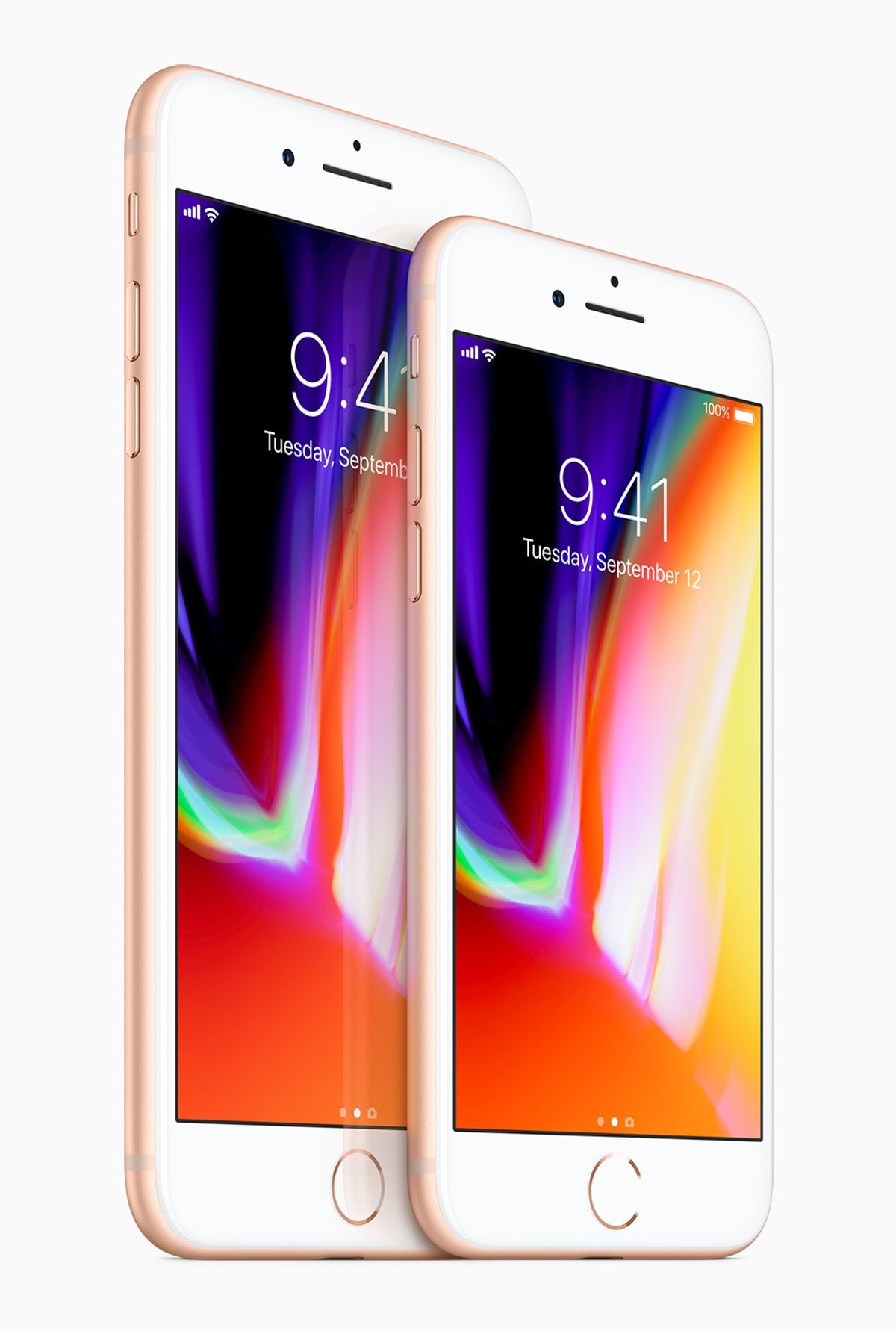
The iPhone 8 launched alongside the iPhone X in September 2017, from $699. The X got the attention. The 8 got a lot of the sales. It was the last flagship iPhone with a home button and Touch ID, it added wireless charging, and it kept the familiar design.
It also stayed on sale for about two and a half years. Estimates vary widely: Wikipedia's compiled figure is 86.3 million, while Visual Capitalist's ranking uses about 125 million. We've ranked it on the higher figure.
Units sold: 86–125 million (estimated)
16. Nokia 3310 — 126–136 million
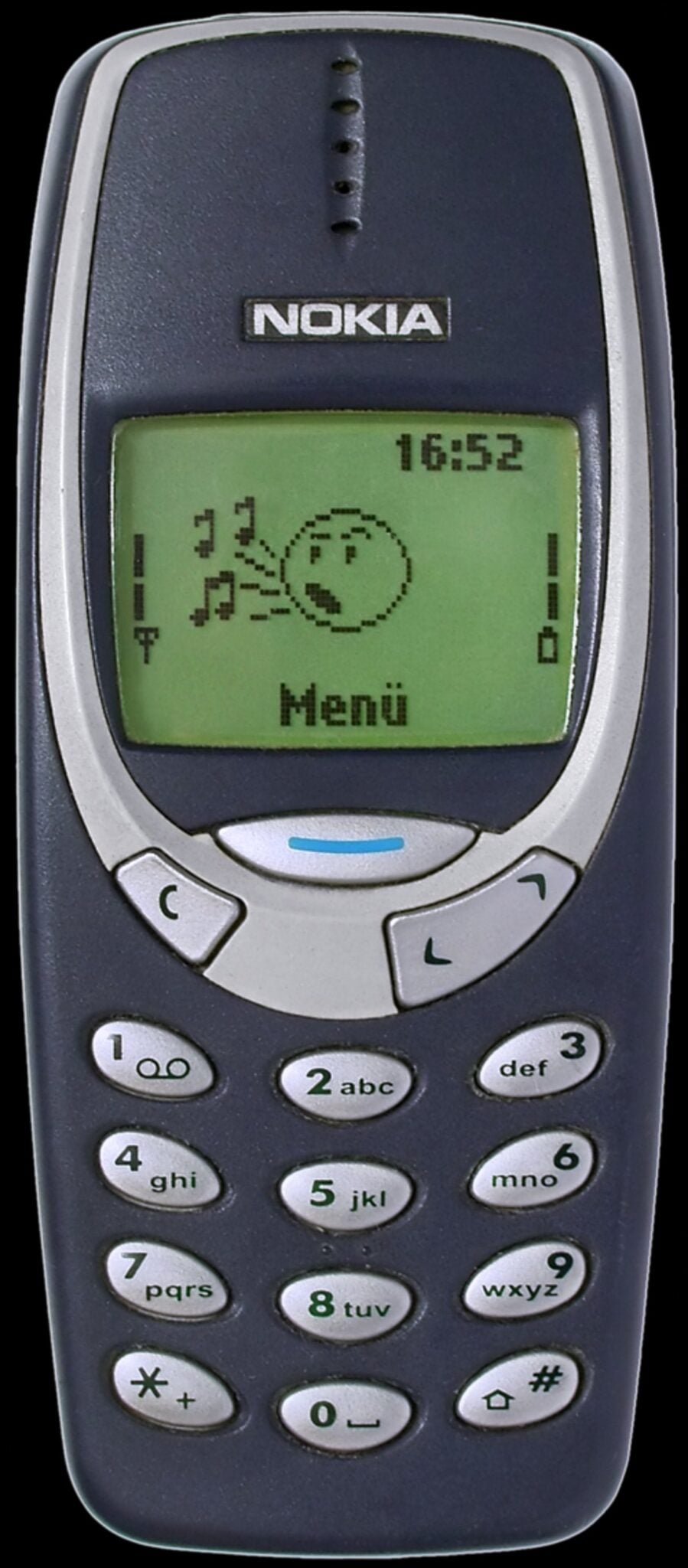
Nokia announced the 3310 on 1 September 2000 to replace the 3210. It became the phone people mean when they say “indestructible”. It had Snake II, swappable Xpress-On covers and a build with a reputation for surviving almost anything.
Nokia's own 2005 press materials put its sales at about 126 million, which is the figure we've used. The Telegraph's list has 136 million. The 3310 is so well remembered that HMD brought it back in 2017 as a €49 retro phone.
Units sold: About 126 million (Nokia figure; other estimates up to 136 million)
15. Nokia 1600 — about 130 million
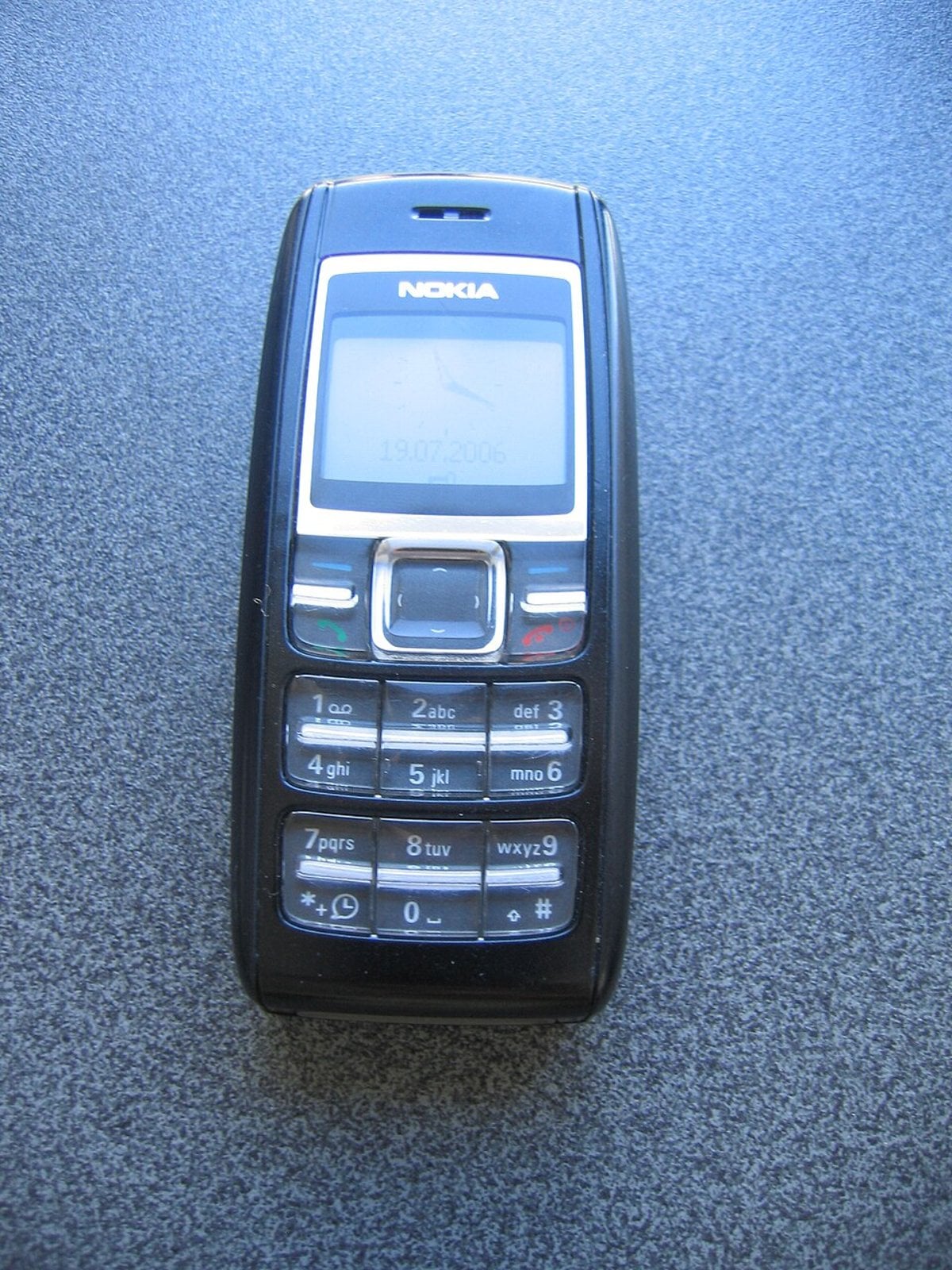
Announced in May 2005, the 1600 put a 65,000-colour screen on a phone built for prepaid customers in developing countries. For many buyers, it was their first colour display.
It also had a speaking clock, which was a new feature then: hold the star key and the phone reads out the time. It came with a ringtone composer and a calculator. The 1600 was cheap and simple, and it suited people who used a phone mainly for calls and texts. The Telegraph's list credits it with 130 million sales.
Units sold: About 130 million (estimated)
14. Motorola RAZR V3 — about 130 million
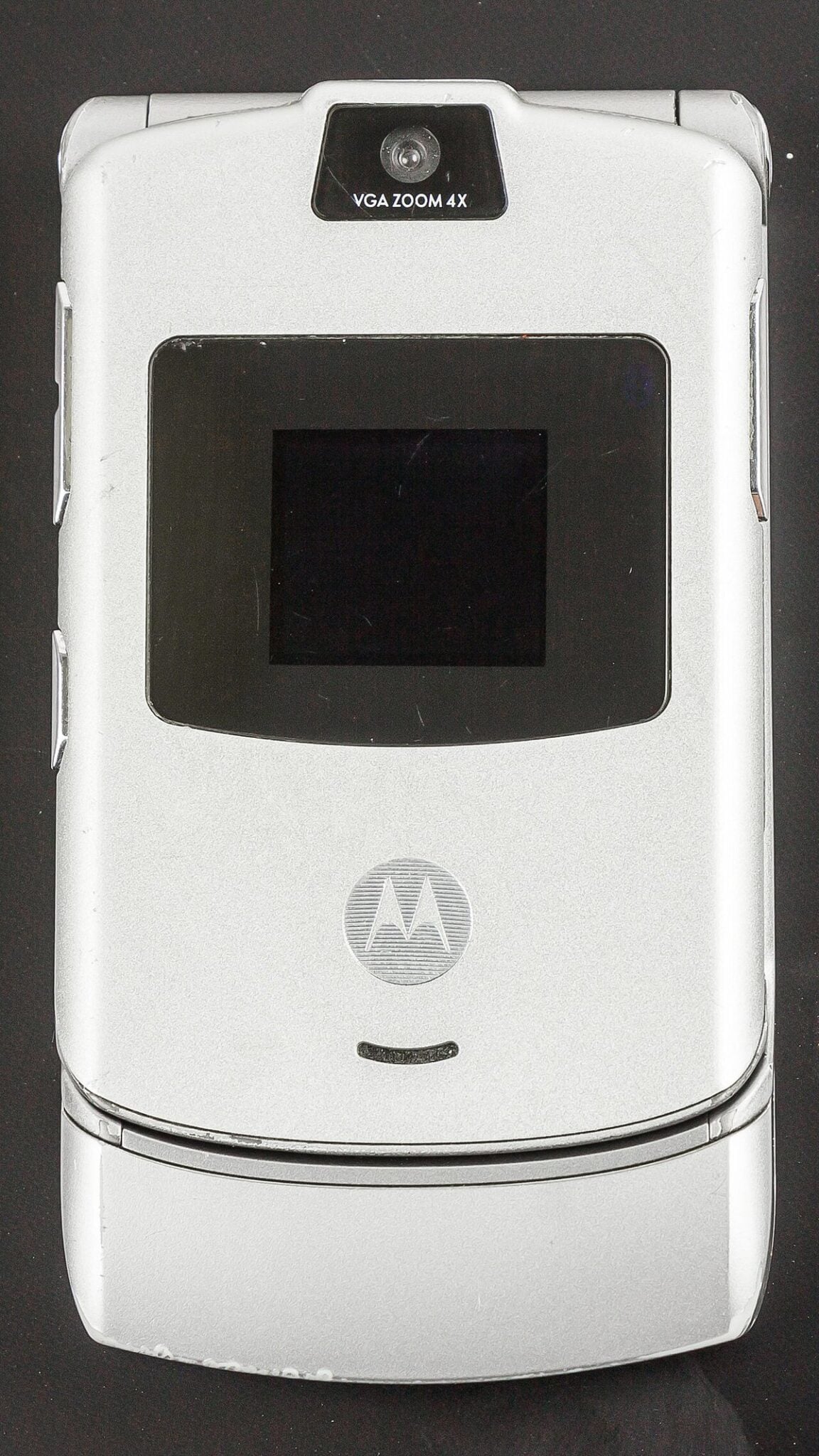
Motorola unveiled the RAZR V3 in Chicago in July 2004. Its thin aluminium shell made every other phone look clumsy. It launched as a premium product (BGR puts the price at $449), and then price cuts brought it to the mass market.
A pink edition followed in 2005, and the RAZR was the most popular phone in the US in 2005, 2006 and 2007. Motorola said it shipped the 50 millionth RAZR in July 2006. The Telegraph's figure of 130 million makes it the best-selling flip phone ever made.
Units sold: About 130 million (estimated)
13. Nokia 2600 — about 135 million
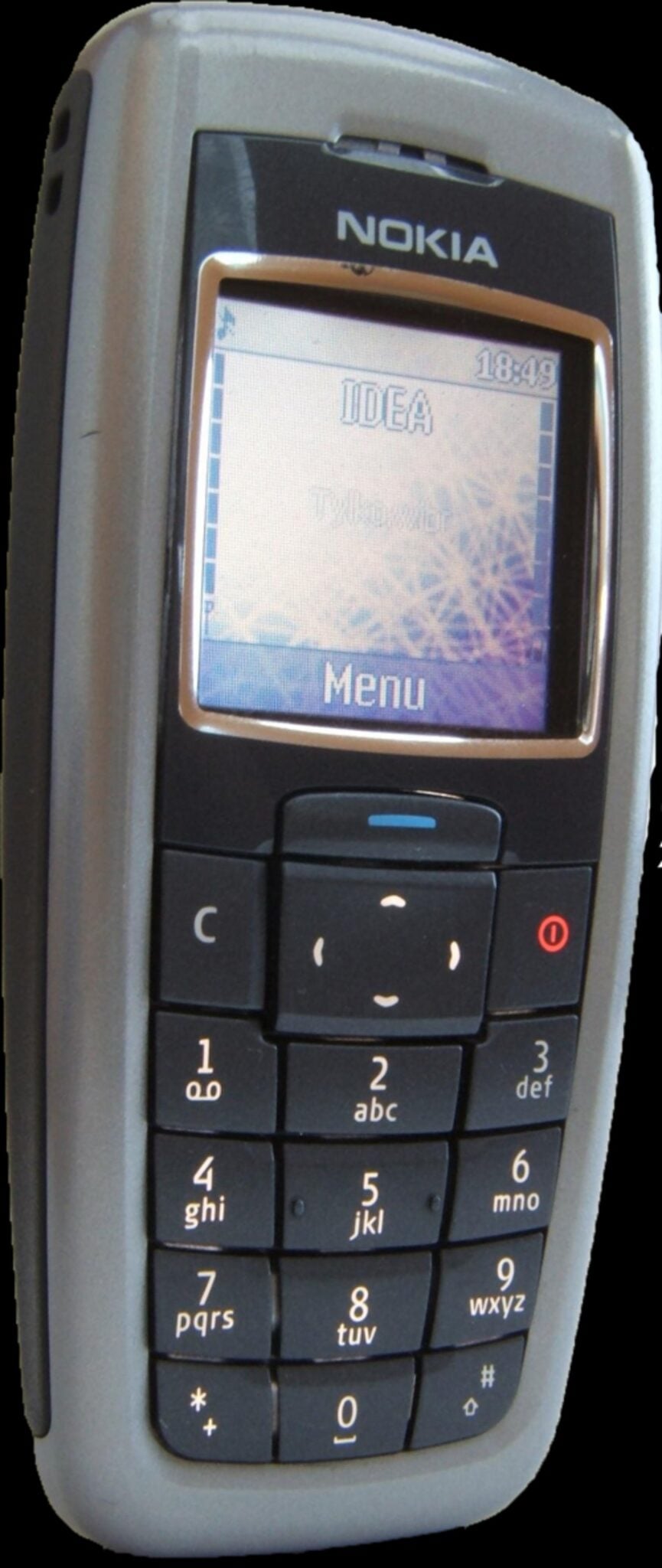
The 2600 was announced in Asia in April 2004 and sold as an easy-to-use entry-level phone. It had a 128×128 colour screen, polyphonic ringtones, a few preloaded games and, unusually, a basic spreadsheet app. It had no camera, Bluetooth or radio.
It sold on the same formula as most Nokia hits of the period: a cheap, sturdy phone with menus anyone could use. The Telegraph's list puts its sales at 135 million. Some tallies include its successors, the 2610, 2626 and 2630.
Units sold: About 135 million (estimated)
12. iPhone 5 — 70–146 million
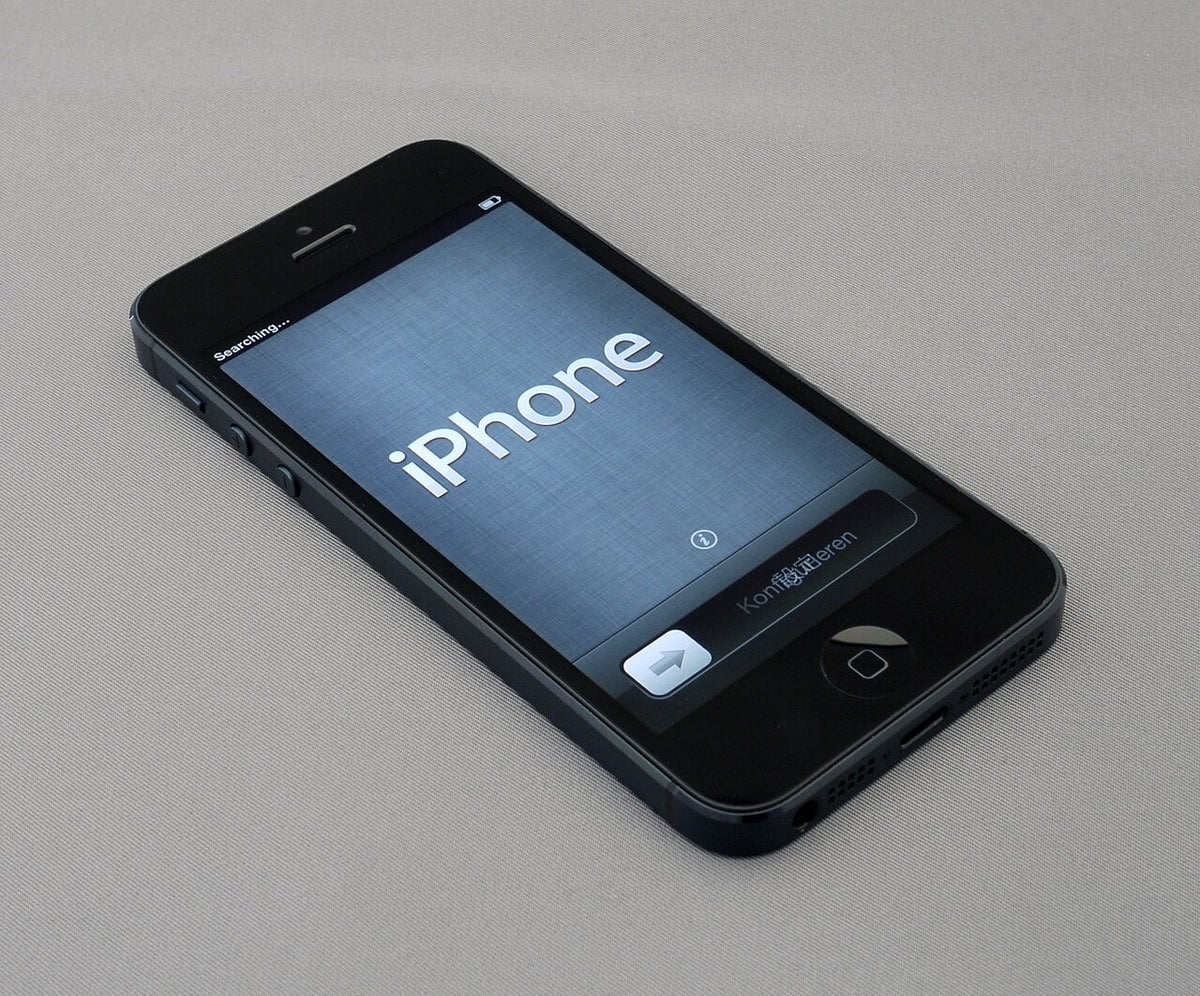
The iPhone 5 went on sale in September 2012 at $649 unlocked. Apple sold more than five million in the first weekend. It was the first iPhone with a taller 4-inch screen, LTE and the Lightning connector, in a thinner, lighter aluminium body.
Figures vary a lot. The Motley Fool reported more than 70 million in its first 12 months, and Visual Capitalist's ranking uses about 146 million over its lifetime. We've ranked it on the lifetime estimate.
Units sold: About 146 million (estimated; 70 million in its first year)
11. Nokia 5230 — about 150 million
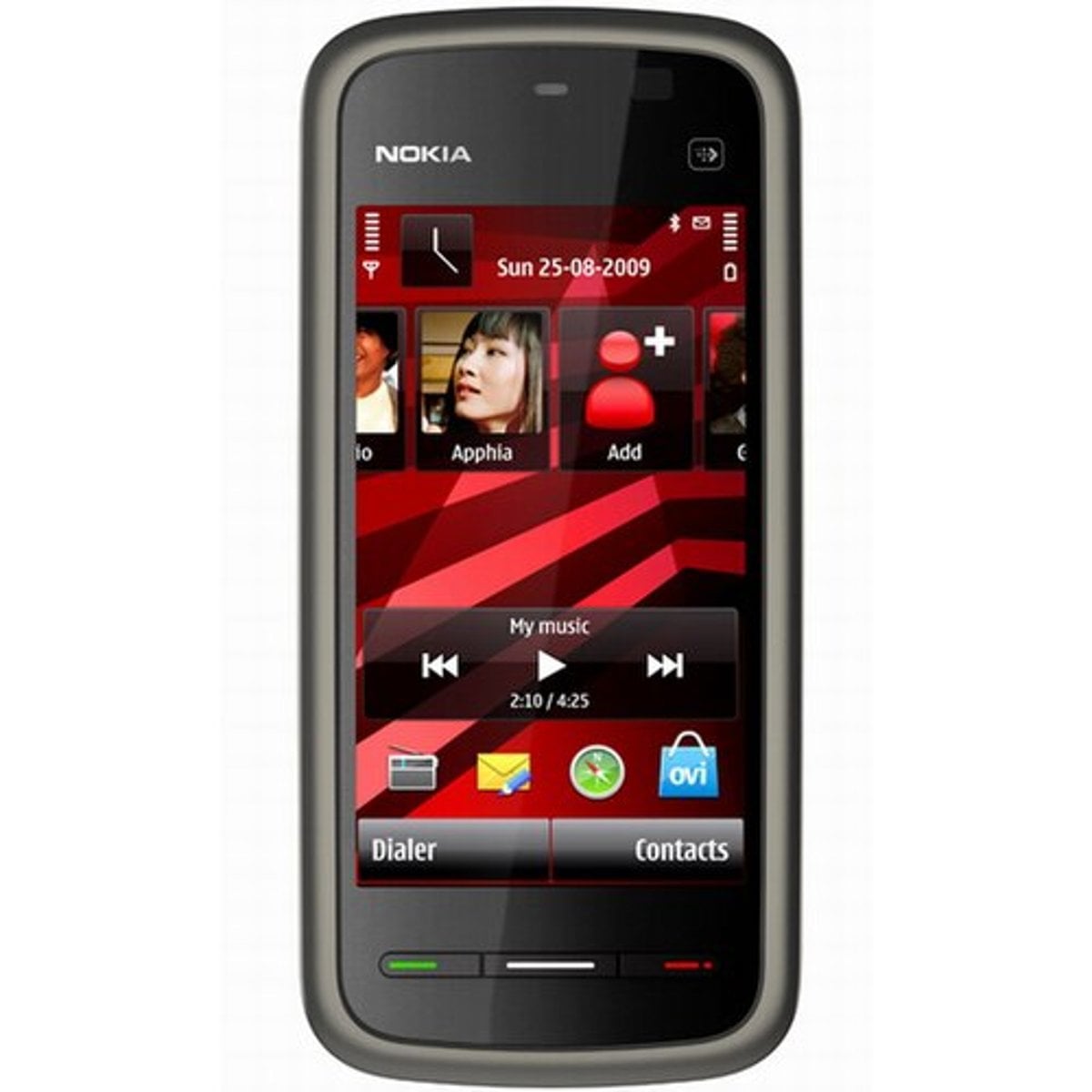
Nokia announced the 5230 in August 2009 at an estimated €149. A Comes With Music version, with unlimited music downloads, cost €259. It was one of the cheapest touchscreen smartphones on the market: a 3.2-inch screen, 3G, GPS and a 3.5mm headphone jack.
From January 2010, Nokia made Ovi Maps navigation free on the 5230, which gave buyers sat-nav without a subscription. The Telegraph's list credits it with 150 million sales, which would make it the best-selling Symbian touchscreen phone. Wikipedia marks the figure as disputed.
Units sold: About 150 million (estimated; disputed)
10. Nokia 1200 — about 150 million
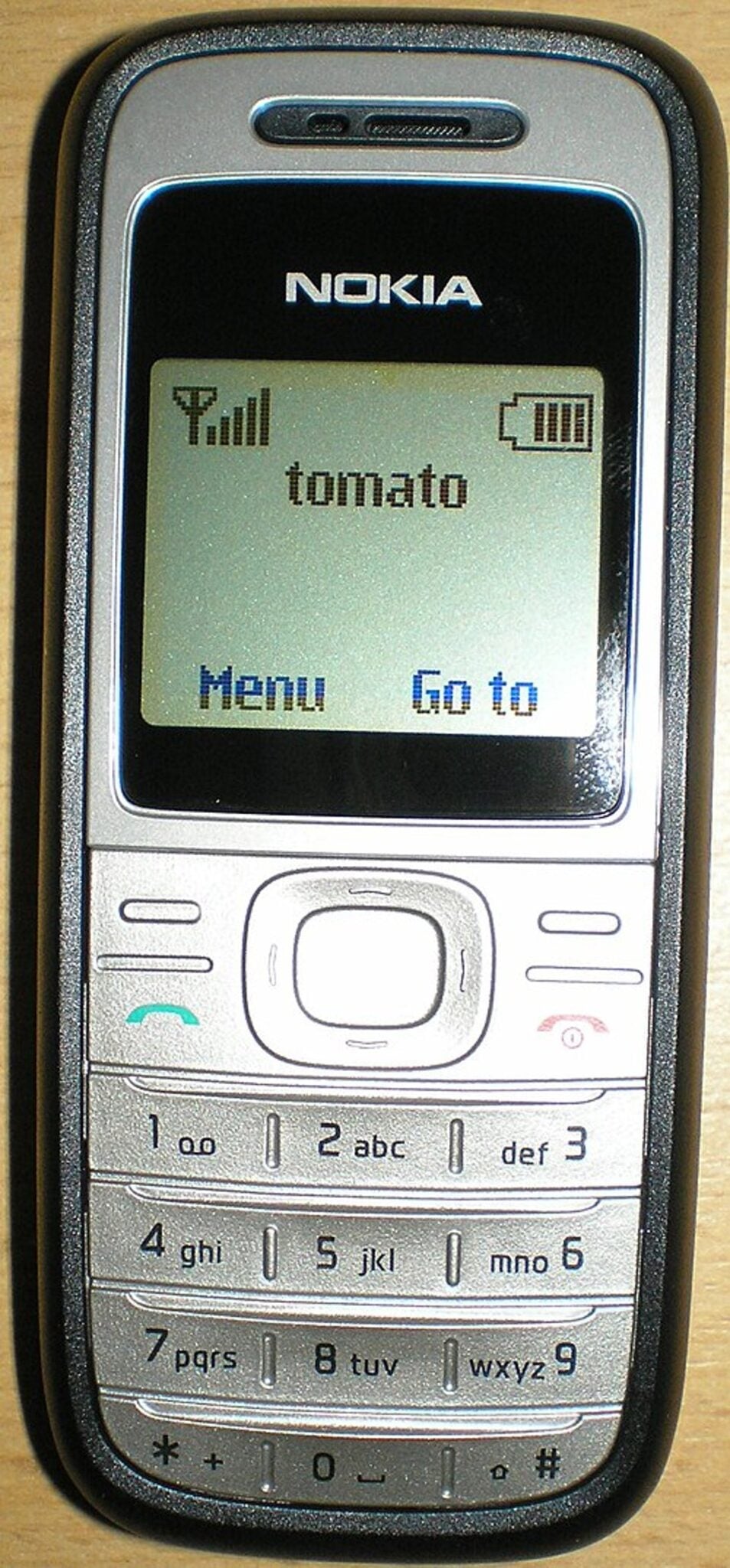
Nokia announced the 1200 in May 2007 at about €35 and aimed it at emerging markets in Africa, India and China. Its standout features were built for shared use: several separate phonebooks and call-time tracking, so several people could share one handset.
It also had a built-in torch and around 390 hours of standby. It was cheap, practical and designed around how its buyers actually lived. The Telegraph's list credits it with 150 million sales.
Units sold: About 150 million (estimated)
9. iPhone 11 — about 159 million
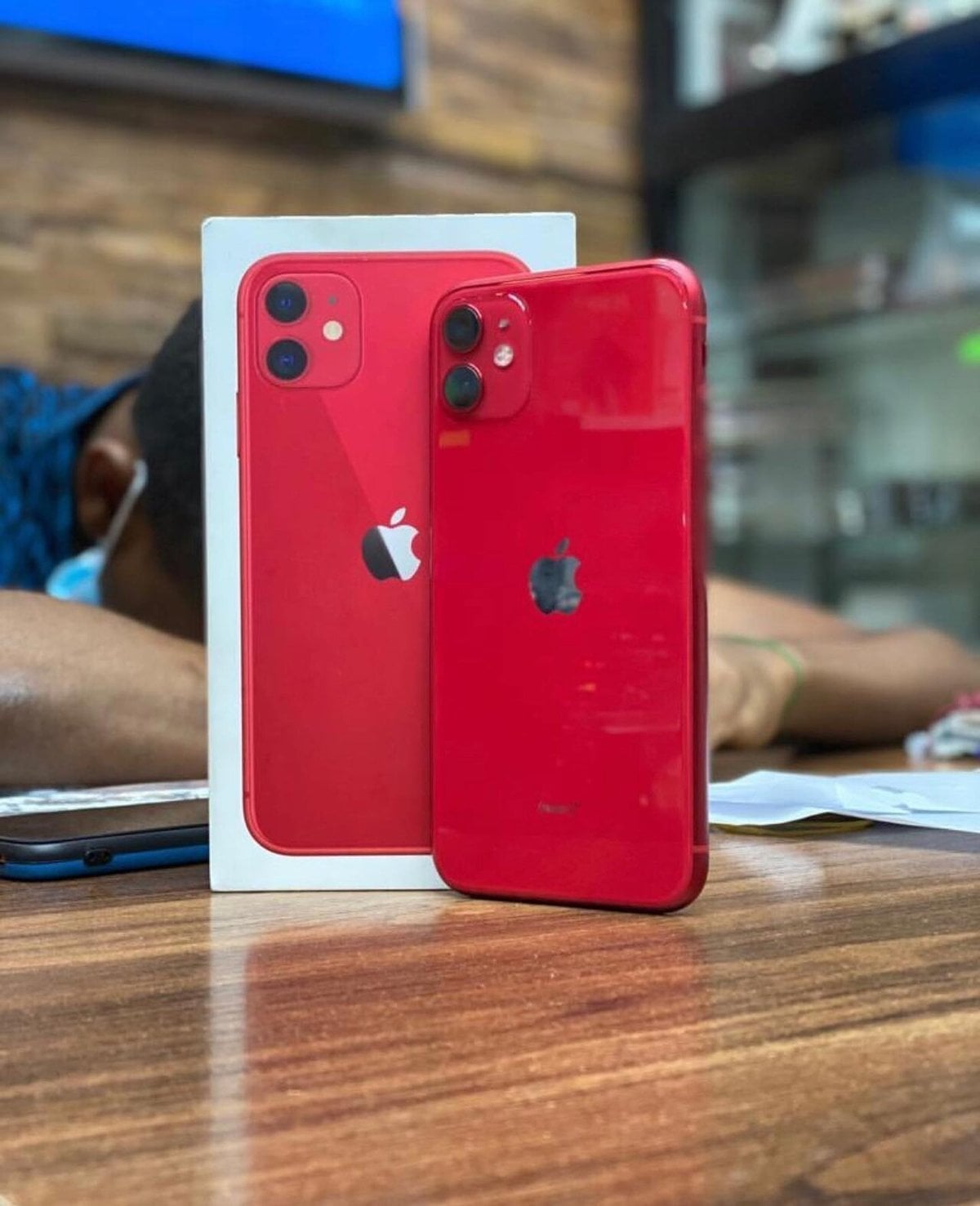
The iPhone 11 launched in September 2019 at “just $699”, as Apple's own press release put it. It was the cheapest model in the range, but it had the ultra-wide camera, Night mode and the battery life reviewers liked.
The iPhone 11 series took about nine months to pass 100 million sales, according to Counterpoint. IDC reported that the iPhone 11 alone had sold about 159.2 million units by March 2022, and that count stops in March 2022. It's the newest phone on this list with a credible long-run sales figure.
Units sold: About 159 million (IDC estimate, March 2022)
8. iPhone 7 and 7 Plus — about 160 million
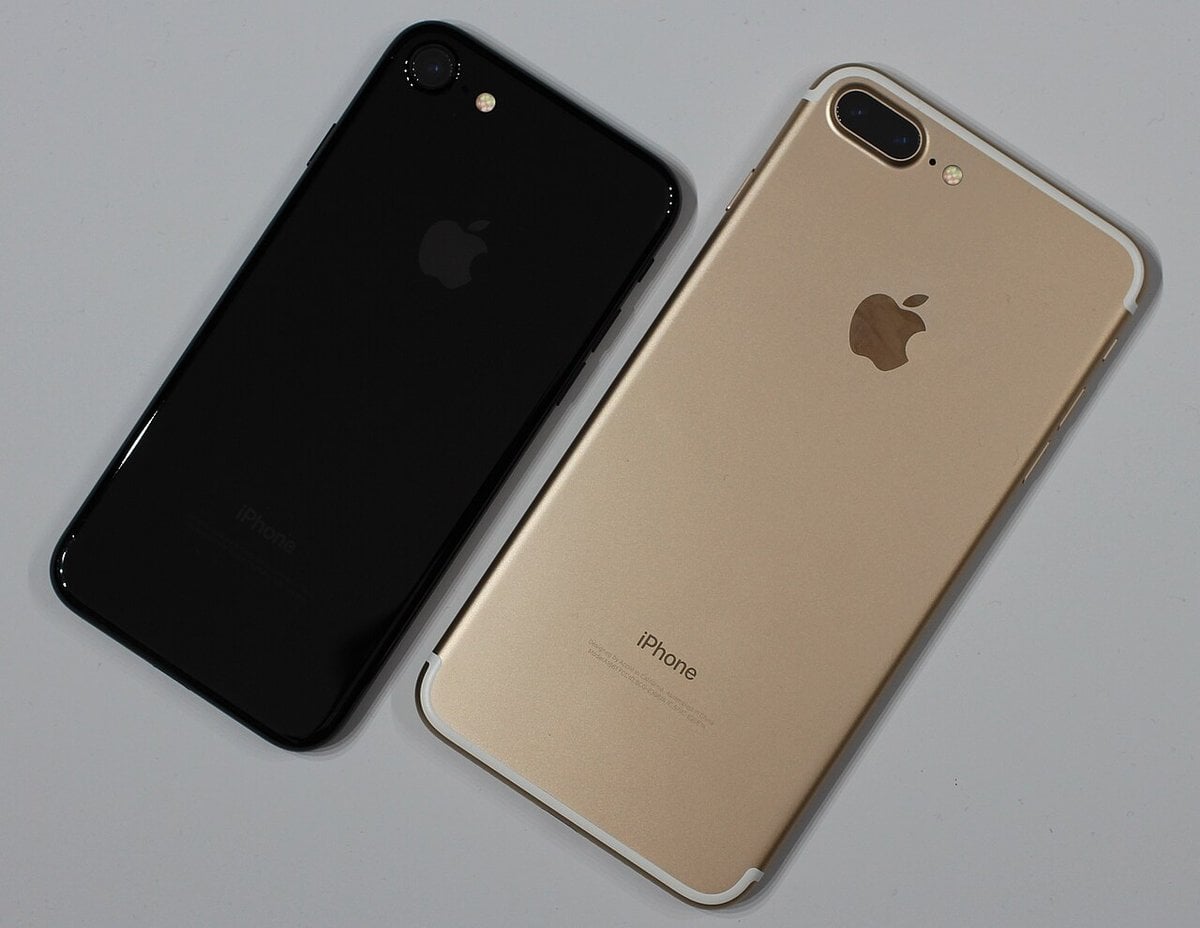
The iPhone 7 removed the headphone jack in September 2016. Critics hated it, and buyers didn't seem to mind. It started at $649, it was the first water-resistant iPhone, and the 7 Plus added a second camera for 2x zoom and Portrait mode.
Strategy Analytics said the iPhone 7 and 7 Plus were the world's two best-selling phones in Q1 2017, with 21.5 million and 17.4 million units. Lifetime estimates run from 78 million to about 160 million. We've used Visual Capitalist's 160 million.
Units sold: About 160 million (estimated; low estimates around 78 million)
7. Nokia 3210 — about 160 million
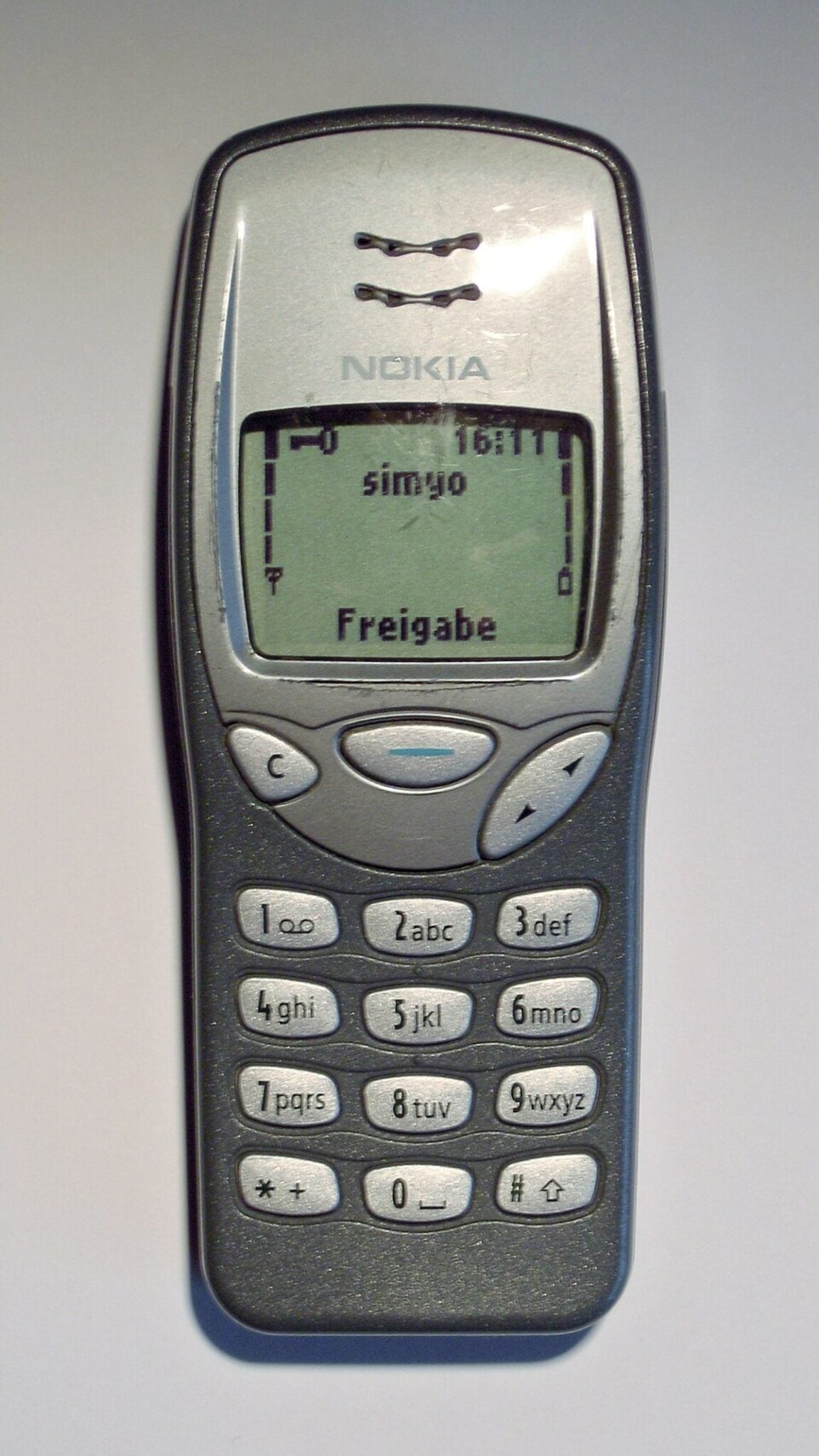
Nokia unveiled the 3210 at CeBIT in March 1999. It was the first mass-market phone with no sticking-out antenna. Nokia aimed it at 15- to 25-year-olds, and they loved it.
The 3210 came with Snake preloaded, Xpress-on covers you could swap for any colour, T9 predictive texting and picture messages you could send by SMS, such as a “Happy Birthday” image. The Telegraph and The Independent both put its sales at 160 million. Android Authority's list uses “150+ million”.
Units sold: About 160 million (estimated)
6. iPhone 5s — 52–165 million
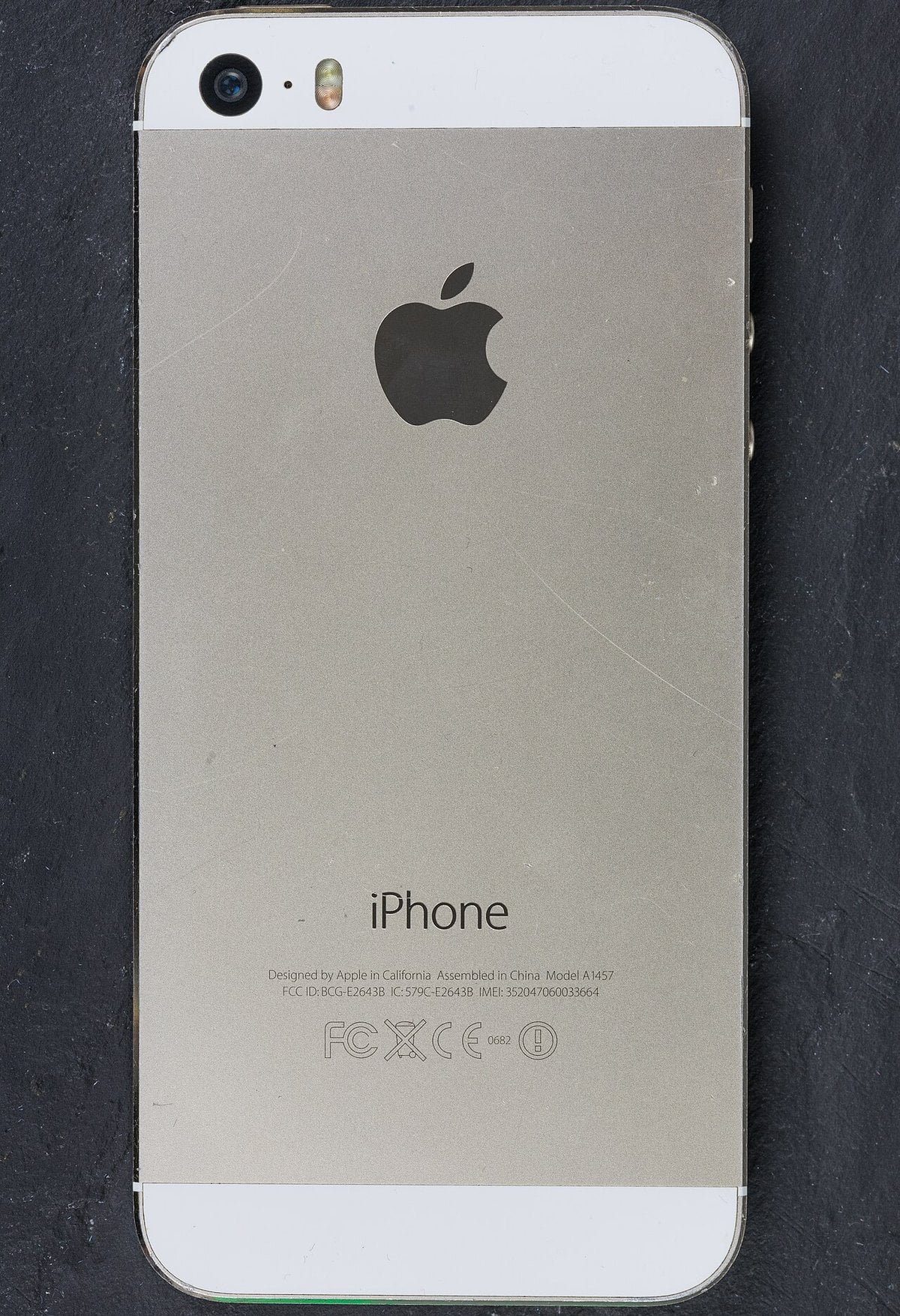
The iPhone 5s launched in September 2013, from $199 on contract. It introduced Touch ID, the fingerprint sensor in the home button, and the A7, the first 64-bit chip in a smartphone. Together with the cheaper 5c, it sold nine million in its first weekend, a record at the time.
This is the most disputed iPhone figure on the list. Visual Capitalist's ranking uses about 165 million. The figure in Wikipedia's model-by-model list is 52 million. We've ranked it on the widely cited higher estimate, but treat it with caution.
Units sold: About 165 million (estimated; disputed, low estimates around 52 million)
5. iPhone 6s and 6s Plus — about 174 million
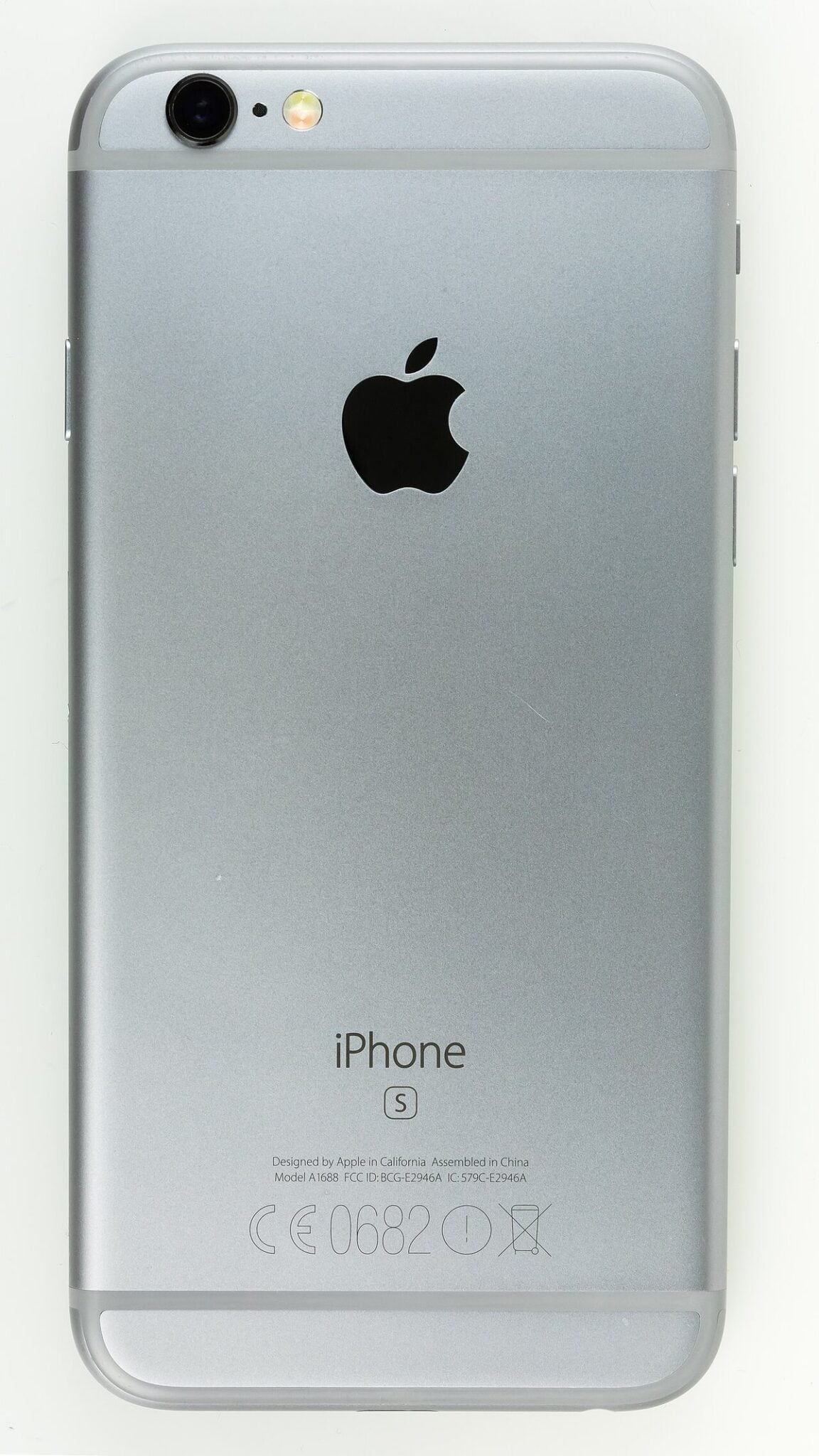
The iPhone 6s looked almost identical to the iPhone 6 and still beat its launch record. It sold 13 million in its first weekend in September 2015, against 10 million for the 6.
It added 3D Touch, Live Photos and a 12-megapixel camera, the first on an iPhone to shoot 4K video. It was reportedly the best-selling phone of 2016, more than a year after launch. Estimates put lifetime sales at about 174 million.
Units sold: About 174 million (estimated)
4. Nokia 105 — more than 200 million
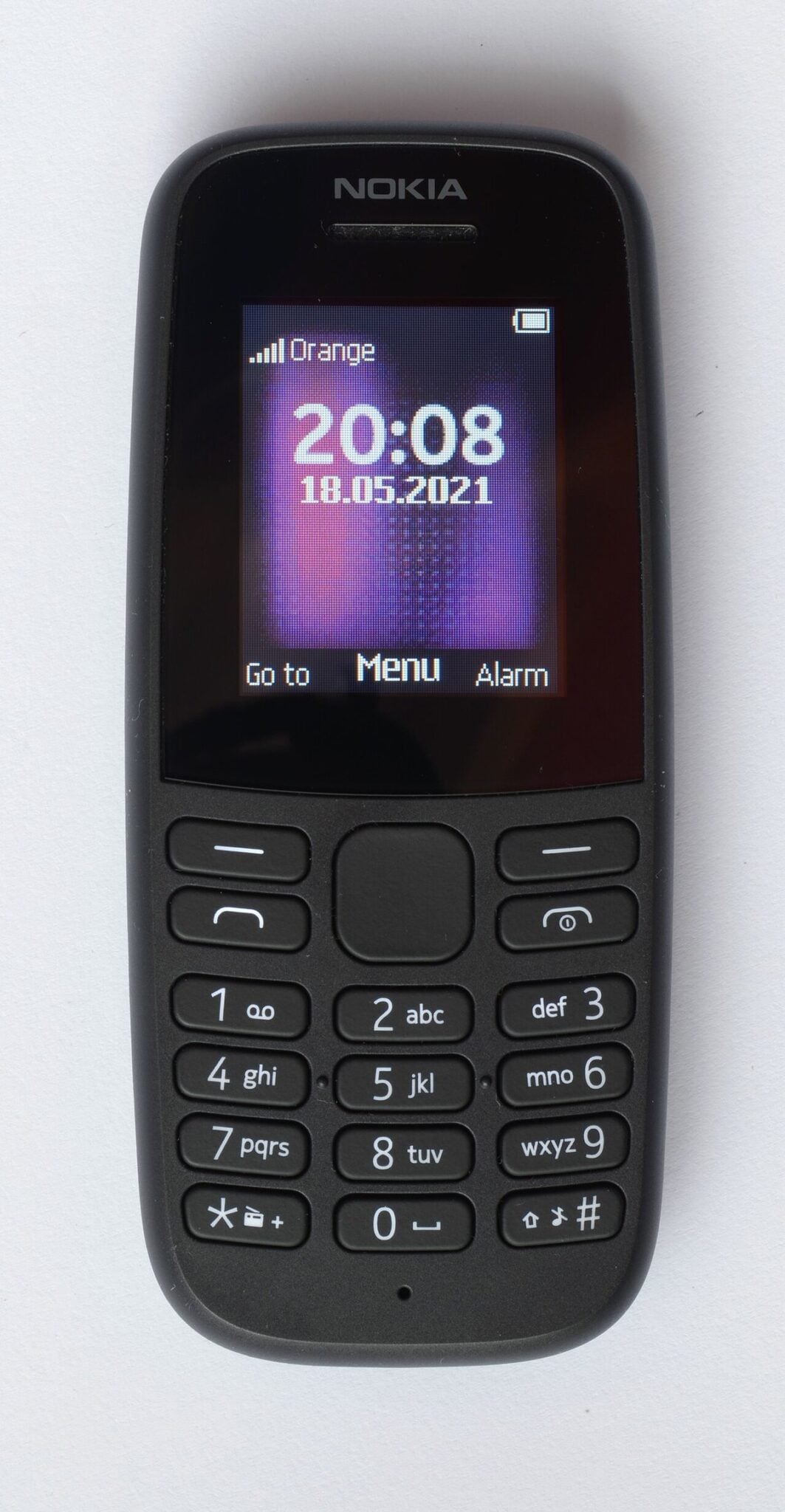
Nokia launched the 105 at Mobile World Congress in February 2013 for €15 ($20). It had a torch, FM radio and about a month of standby, and standby time was its main selling point.
It has been refreshed several times since, by Nokia and then by HMD. In 2017 HMD said “well over 200 million Nokia 105s” had been sold, with that year's model averaging $14.50. The figure covers every generation combined, and the 105 is still on sale.
Units sold: More than 200 million (HMD figure, all generations, 2017)
3. iPhone 6 and 6 Plus — about 222 million
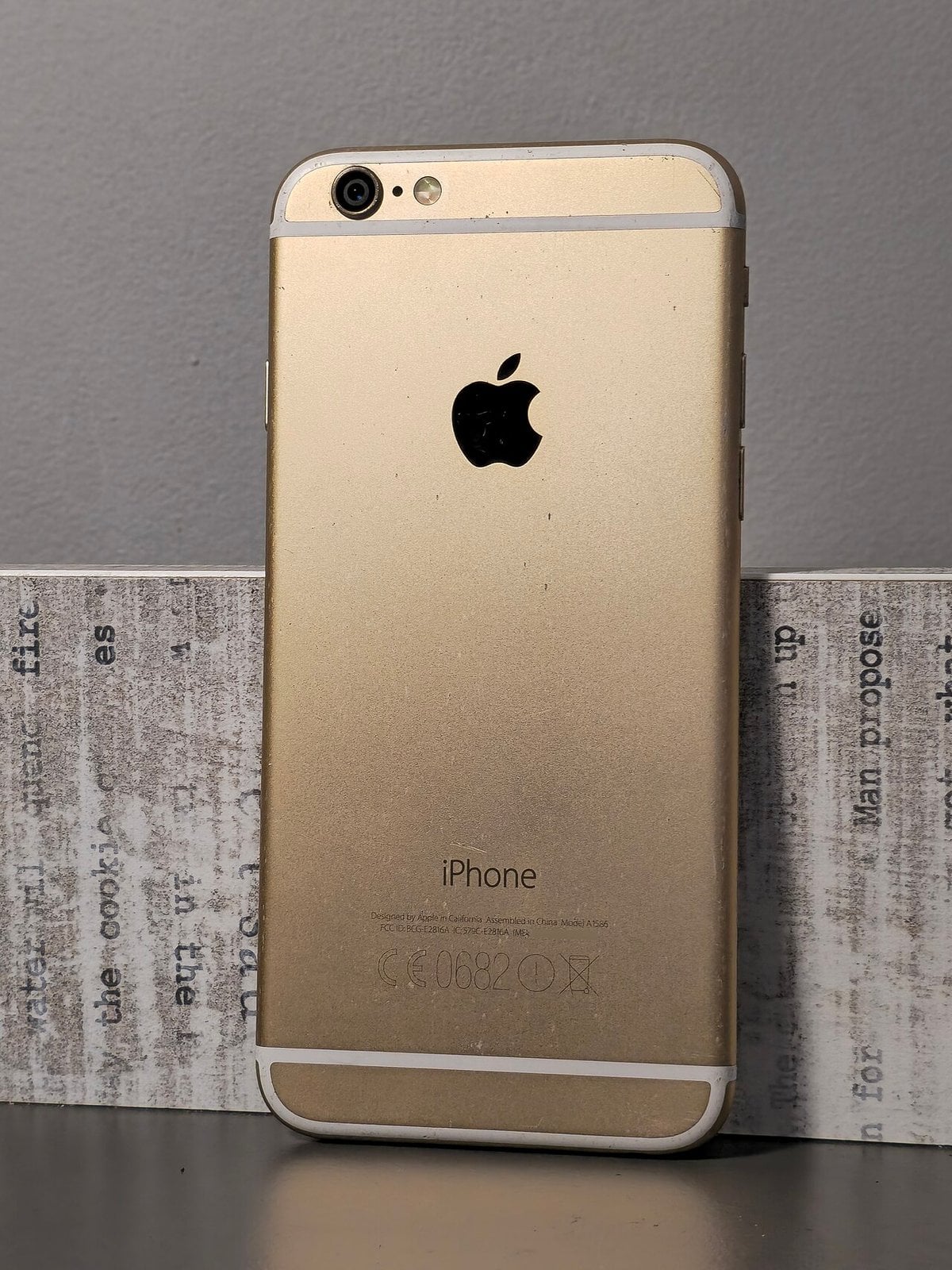
The iPhone 6 and 6 Plus went on sale in September 2014 from $199 and $299 on contract. Apple took more than four million pre-orders in the first 24 hours.
These were Apple's first big-screen iPhones, at 4.7 and 5.5 inches, and Counterpoint says they met pent-up demand for larger screens. Counterpoint also reported that the iPhone 6 was the best-selling smartphone for 10 months straight. Estimates range from 220 million to 224 million, which makes it the best-selling smartphone ever.
Units sold: About 222 million (estimated; range 220–224 million)
2. Nokia 1110 — about 248 million
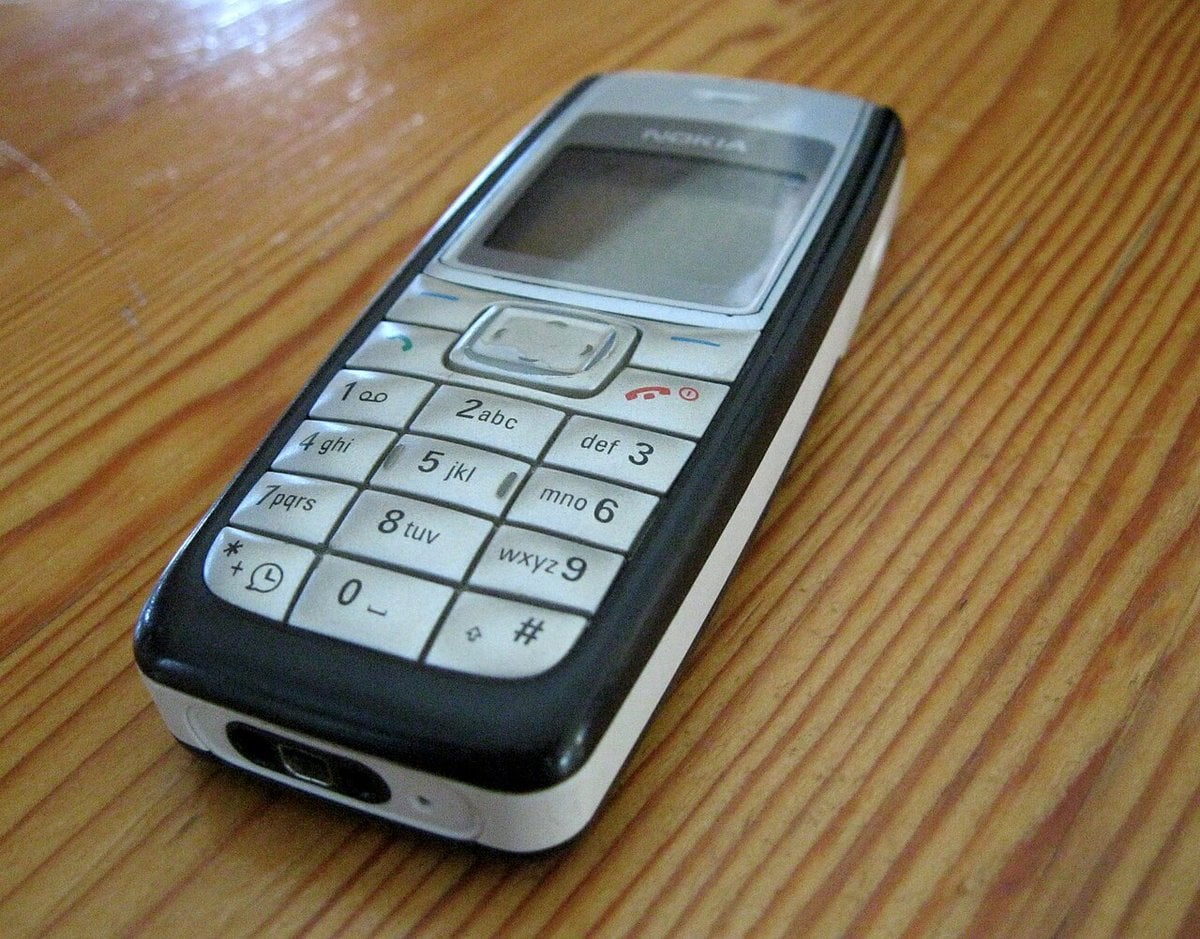
The 1110 arrived in 2005 as the follow-up to the 1100 and sold for about $78. It had a monochrome screen, Series 30 software and a speaking clock: hold the star key and it reads out the time. It was made for first-time buyers in developing countries.
It had very little in the way of features, and that was the appeal: it was cheap and easy to use. BGR notes it was still selling in India in 2007. Most sources put its total at 248 million. The Telegraph rounded it to 250 million, level with the 1100.
Units sold: About 248 million (estimated; some sources say 250 million)
1. Nokia 1100 — more than 250 million
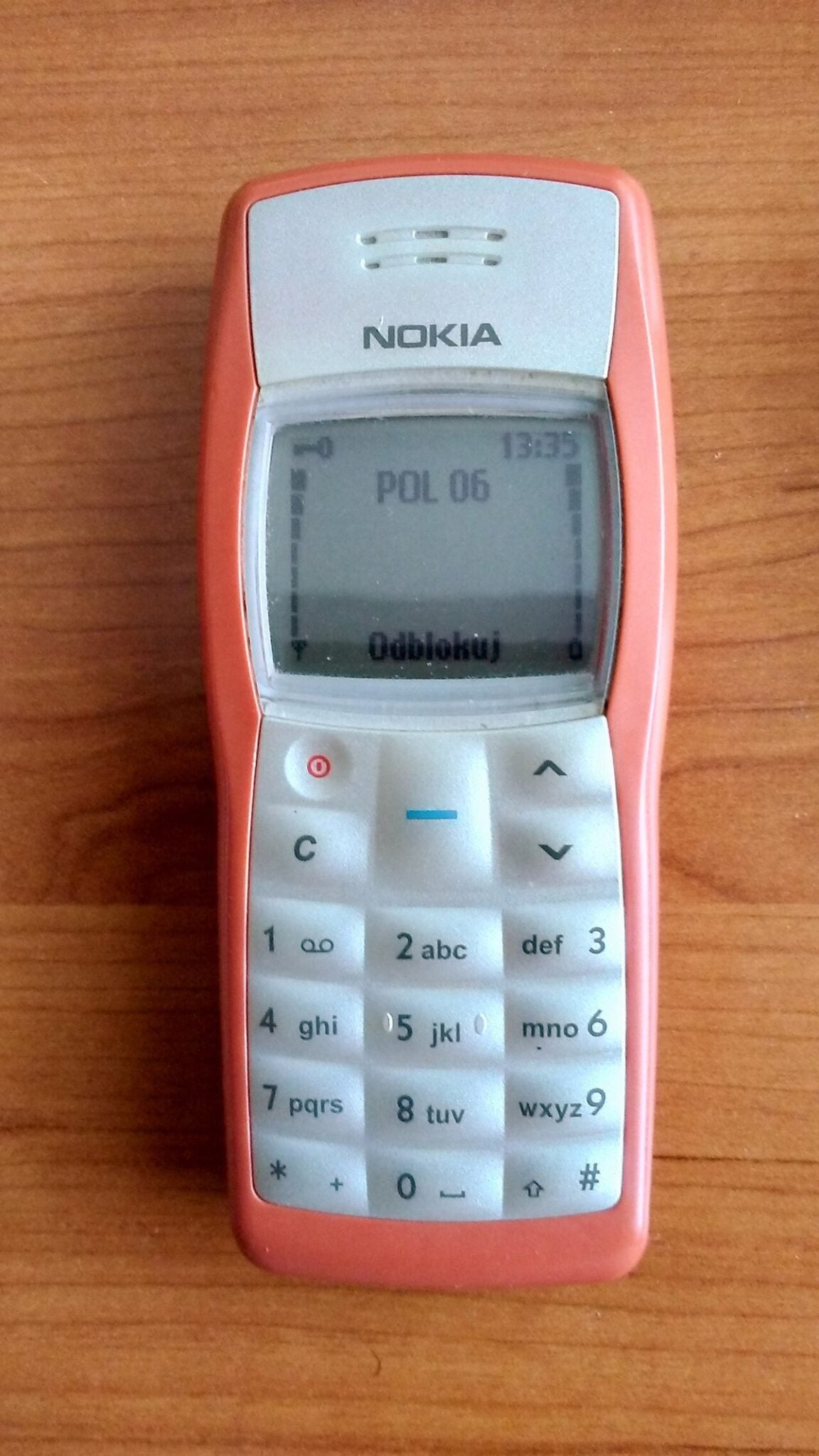
Nokia announced the 1100 in August 2003 as its cheapest phone, at around $100. It had a built-in torch for places with little street lighting, a sealed, dust-resistant keypad, non-slip sides for humid climates and up to two weeks of standby.
By 2009, Nokia said, it had sold over 200 million, about a million a week, and called it “the single most popular piece of electronics ever made”. Guinness World Records lists it as the biggest-selling mobile phone, with more than 250 million shipped.
Units sold: More than 250 million (Guinness World Records)
Did You Know? Nokia's billionth phone was a Nokia 1100, sold to a customer in Nigeria in 2005. By then the 1100 cost about $60.
The 25 ranked
| # | Phone | Launched | Units sold (est.) |
|---|---|---|---|
| 1 | Nokia 1100 | 2003 | 250M+ |
| 2 | Nokia 1110 | 2005 | 248–250M |
| 3 | iPhone 6 / 6 Plus | 2014 | 220–224M |
| 4 | Nokia 105 (all generations) | 2013 | 200M+ |
| 5 | iPhone 6s / 6s Plus | 2015 | 174M |
| 6 | iPhone 5s | 2013 | 52–165M |
| 7 | Nokia 3210 | 1999 | 150–160M |
| 8 | iPhone 7 / 7 Plus | 2016 | 78–160M |
| 9 | iPhone 11 | 2019 | 159M (to Mar 2022) |
| 10 | Nokia 1200 | 2007 | 150M |
| 11 | Nokia 5230 | 2009 | 150M (disputed) |
| 12 | iPhone 5 | 2012 | 70–146M |
| 13 | Nokia 2600 | 2004 | 135M |
| 14 | Motorola RAZR V3 | 2004 | 130M |
| 15 | Nokia 1600 | 2005 | 130M |
| 16 | Nokia 3310 | 2000 | 126–136M |
| 17 | iPhone 8 / 8 Plus | 2017 | 86–125M |
| 18 | iPhone 12 series | 2020 | 100M+ (by Apr 2021) |
| 19 | Nokia 1208 | 2007 | 100M |
| 20 | Samsung Galaxy S4 | 2013 | 70–80M |
| 21 | Nokia 6010 | 2004 | 75M |
| 22 | Samsung Galaxy S III | 2012 | 70M |
| 23 | Nokia 5130 XpressMusic | 2009 | 65M |
| 24 | iPhone 4S | 2011 | 60M+ |
| 25 | Motorola StarTAC | 1996 | 60M |
Figures are estimates from analysts, manufacturers and the press. Apple and Nokia didn't publish model-by-model totals for most of these phones. Where sources disagree, the ranking uses the figure named in each entry.
The Bottom Line
Twelve of the 25 are Nokias, and the top two are basic phones that cost under $100. The Nokia 1100 and 1110 sold to hundreds of millions of first-time owners in India, Africa and Asia. Their buyers wanted a phone that survived dust, heat and a week without a charger. No smartphone has matched that scale.
Apple's single models get closest, with nine entries led by the iPhone 6. Android's best is the Galaxy S4 at #20, because Android sales are spread across many more models and makers. Today's phones are split the same way. According to Omdia, the best-selling phone of 2022, the iPhone 13, shipped about 55 million units that year. The Nokia 1100's record is likely to stand for a long time.