




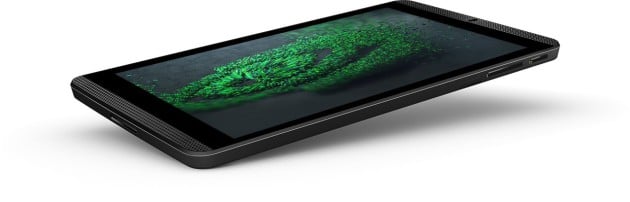
NVIDIA was lauded for its 2014 Shield Tablet (K1) and its great hardware and software, and new code dives hint at a possible successor which will add a desktop mode for productivity.

NVIDIA first began their unlikely Android-based ‘Shield' product line with the ‘Portable‘ in 2013, an Android gaming device and screen impressively crammed into a gamepad which whilst well-received, had little success for being such a niche product.

NVIDIA followed this up in 2014 with the Shield Tablet (and the rebranded ‘Shield Tablet K1') which were incredibly well-received, fantastic devices which saw significantly greater success for being a gaming-focused, yet general consumer product which offered great value. NVIDIA also received much praise for their fantastic software support, and hold the record for most-updated Android portable devices.

Finally we get to NVIDIA’s first Shield TV device in 2015, which ran Google‘s new Android TV software and showcased NVIDIA’s uber-powerful ‘Tegra X1’ processor, which remains amongst the most graphically powerful mobile chips available still and which is used in Nintendo’s current Switch console and the refreshed 2017 Shield TV.
However, since the K1 tablet refresh and the success of the Shield TV, NVIDIA has refrained from releasing any more portable devices; indeed, they cancelled plans for a Shield Tablet successor in 2016.
That looks like it may change though as code found in the latest Shield Experience software update (of which the Shield TV is the only remaining user as the other Shield devices have ended their support periods) prepares for ‘portable' and ‘desktop' UI modes, which needless-to-say make zero sense for an Android TV box to have.
It is curious that NVIDIA would be working on their own desktop mode though when Android Q looks like it may natively support a similar feature.
The code also checks the device's ID for being ‘Mystique' before it will do anything, which is not the codename of any released Shield product and was previously discovered in source code last year with a 13.5inch 3000:2000 IPS display which clearly would be either a tablet or laptop, and given it's on Android a tablet is the clear conclusion.
The ‘Mystique' tablet was also recorded as featuring NVIDIA's uber-uber-powerful ‘Tegra Xavier' ARM chip with >2.5x the performance of the X1, which would certainly make it the most powerful Android device around.
It would seem logical that such a Shield Tablet with a desktop mode would be in the form of a ‘2-in-1' convertible, perhaps along the lines of Microsoft's Surface Book with a detachable keyboard; particularly so given the devices may even share the same displays.
Whilst it's certainly possible that NVIDIA is just playing around with things, maybe even just for testing, it does appear that they are working on an awesome new Android tablet; the 3000×2000 display also seems far too high-end to just be a developer test to me.
Hopefully we'll see some more info soon.
Source: XDADevelopers
