




OLED technology makes a giant leap once again, with groundbreaking improvements in overall lifespan and efficiency. While the claims are somewhat bizarre, China-based mobile tech company Honor seems to fully back the extraordinary claims, which at least gives ample credence to the report.
Six Times the Lifespan, 40% More Efficient
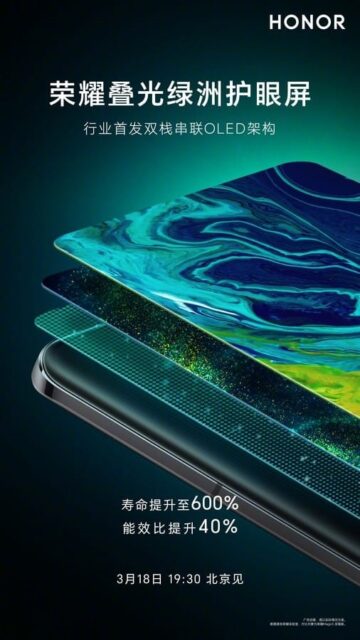
According to posts from HONOR on the Chinese social media platform Weibo (the part where the image above appears), the Chinese display technology company BOE has developed a new double-layer OLED display. The post claims this new screen offers a whopping 600% increase in screen lifespan compared to conventional OLED screens.
If the multiplier isn’t already astonishing for you, a six-fold increase in the operational cycle of any (mobile) OLED tech means that it would effectively eliminate all of its inherent weaknesses, burn-ins, and all. For perspective, most OLED screens typically show noticeable signs of wear at the 5-year mark, whereas the latest LED screens can last for more than ten years.
But that's not all. The advertisement also boasts a 40% boost in the new OLED screen’s power efficiency. This is, again, an equally impressive feat that could translate to longer battery life and reduced energy consumption for devices equipped with this literally cutting-edge technology.
The Continued March of OLED

If proven to be accurate, this double-layer OLED development from BOE represents a potential paradigm shift for a display technology that has grown increasingly prominent in recent years. OLED (organic light-emitting diode) displays have been lauded for their superior image quality, with perfect blacks, infinite contrast ratios, and wide color gamuts.
However, OLED panels have historically been plagued by issues like burn-in, where static user interface elements can become permanently visible after extended use. The finite lifespan of organic materials in OLED displays has also been a limitation.
In fact, despite OLED’s advantages and growing widespread adoption within the consumer tech industry, LED screens remain very popular.
A breakthrough in longevity and efficiency might not result in immediate cost advantages (especially with a double-layer configuration). But it could tip the balance further to make OLED the eventual economic choice much earlier. Perhaps in a way that is not too different from how LED emerged from the background after having been economically beaten by CRT screens for many decades.
Official Display Debut
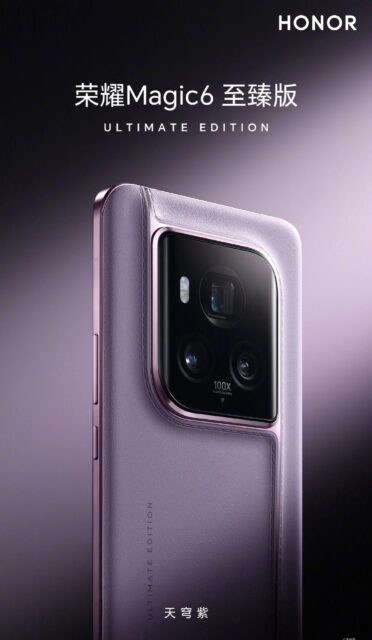
As for the phone that would deliver the new screen tech, the Magic 6 Ultimate will be unveiled this coming March 18th alongside the Porsche Design Honor Magic 6 RSR. Aside from the expected extra perks of top-end products, this higher version will still share many of the other high-end specifications as the previously released Honor Magic 6 Pro. Pre-reservations for all the model’s design variants are already ongoing in China right now.
Would the Magic 6 Ultimate's new OLED screen set a brand new standard for screen quality and longevity in the smartphone industry? Probably not for the more affordable ones, but we'll have to wait and see.