



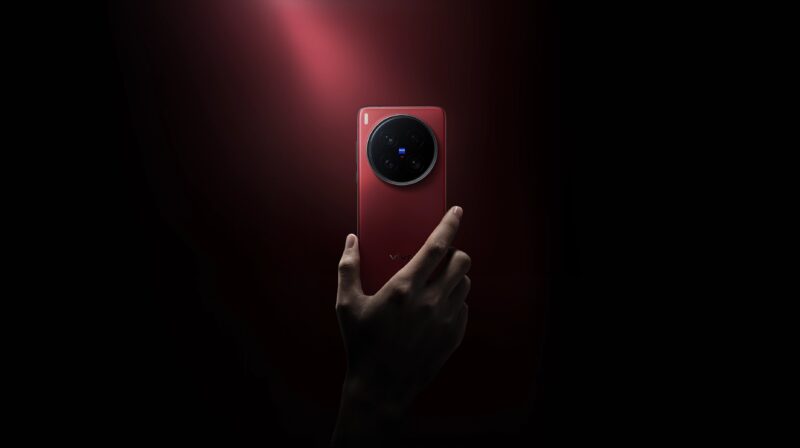
Vivo's Product Manager Han Boxiao has confirmed on Weibo that the new Vivo X500 series will officially debut in September. The lineup is expected to include the X500, X500 Pro, and X500 Pro Max.
Just ahead of the launch, an alleged X500 Pro Max has appeared on Geekbench, giving an early look at its performance and possible chipset.
In particular, the listing references a powerful processor with an unusual eight-core configuration where there are two cores at 4.55 GHz, three at 4.35 GHz, and three at 3.10 GHz. MediaTek hasn't announced the chip officially, but here's what to expect.
Geekbench hints at MediaTek Dimensity 9600 Pro
The Vivo X500 Pro Max is a camera-focused flagship with a very powerful next-generation processor. The leaked Geekbench phone with model number V2610 runs Android 17 and has 12GB of RAM.
Geekbench identifies its processor as MediaTek MT6995, but the CPU configuration matches the rumored Dimensity 9600 Pro. It has two extremely powerful cores running at 4.55 GHz, three at 4.35 GHz, and three at 3.10 GHz.
As a long-established “professional imaging flagship,” the X series has not only reigned supreme in photography and video but is also the king of performance. In terms of imaging, this generation aims to take mobile video to another level—movie-level video. Photography is the first choice, and video is the only choice.
Those familiar with Vivo know that “Thanos” was the nickname given to the X100 Ultra's 200MP telephoto lens by netizens, a testament to its strength. The new “Thanos 500” will bring five major upgrades in video, photography, performance, screen, and OS.
Han Boxiao.
The chip is also built on TSMC's N2P process, which improves on its original N2 process to give chip designers more performance without requiring a proportional increase in power and heat. The leaked Geekbench scores are 2,574 single-core and 7,756 multi-core.
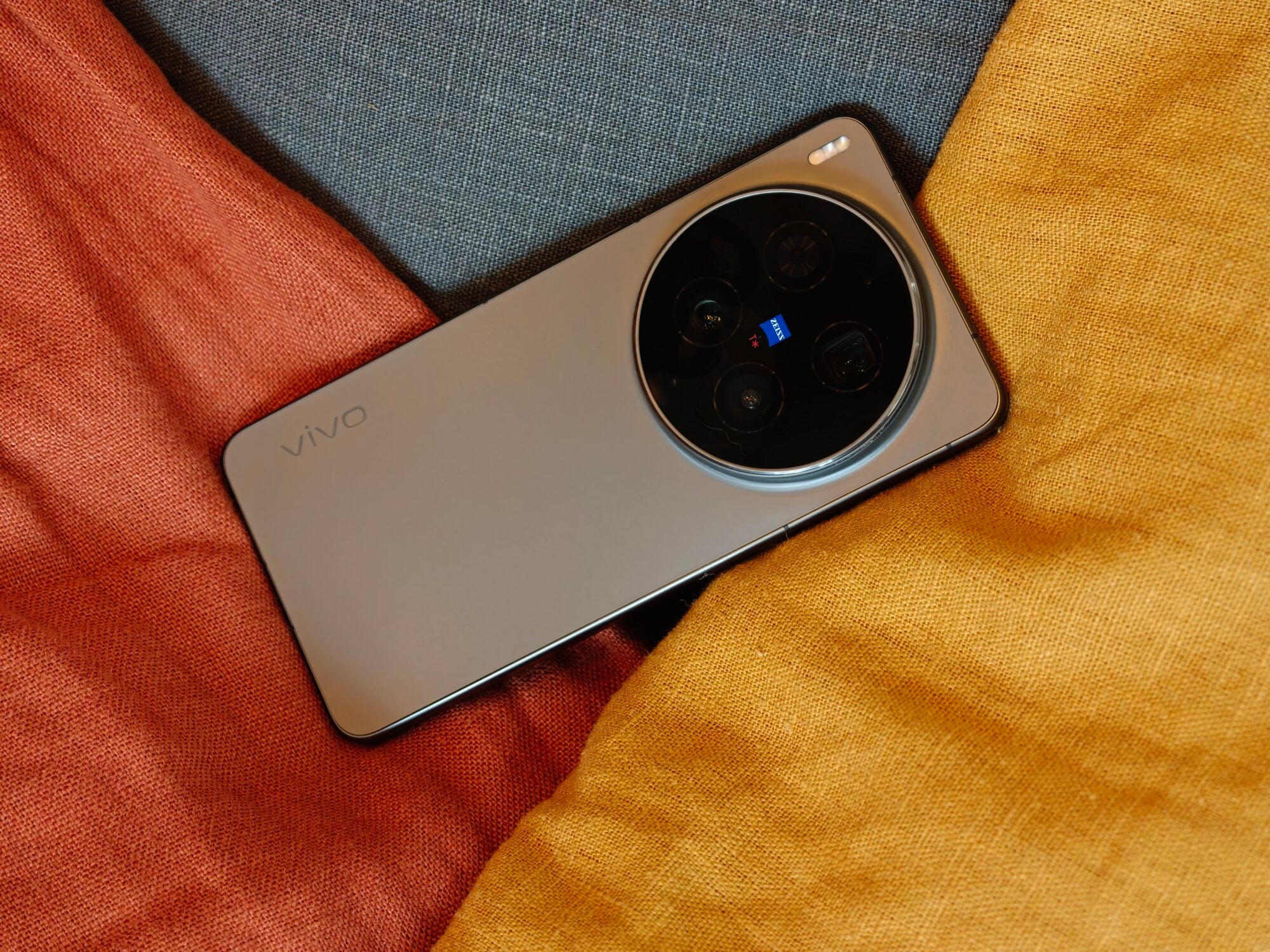
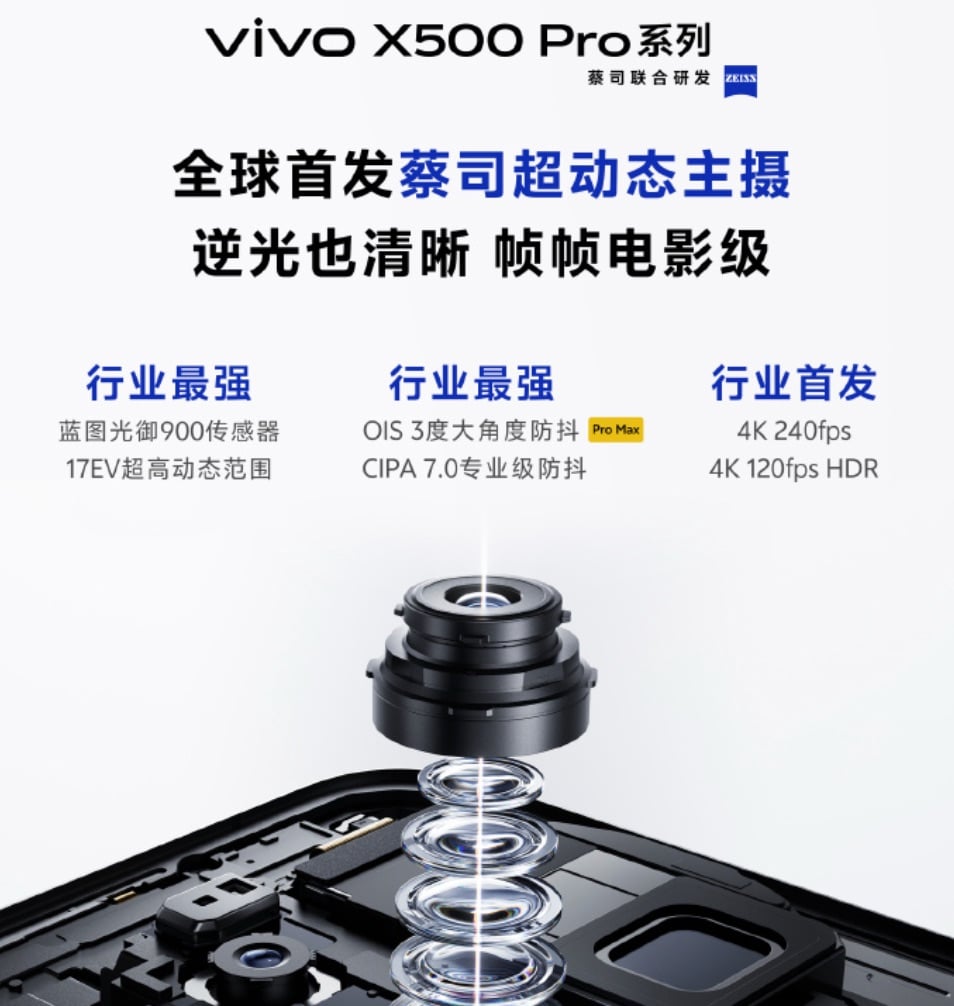
As for camera specifications, the main lens is a ZEISS Ultra Dynamic Main Camera customized by Blueprint and Sony. Specifically, it's 50MP with a 1/1.28-inch BluePrint Phantom 900 sensor and relatively large compared with other current smartphone cameras, although not the largest class of smartphone sensor.
It's more than just a new sensor
There's talk of 17EV of dynamic range on the X500 Pro Max, which could make the camera capable of capturing a wider range between the darkest and brightest parts of a scene while retaining detail.
The most notable improvement over the Vivo X300 Pro is stabilization, where the X300 Pro's main camera had a CIPA 5.5 rating, while the X500 Pro Max reaches up to CIPA 7.0, alongside 3 degrees of optical stabilization to offer better resistance to hand shake. It also helps produce sharper handheld photos and steadier video.
Besides these unique features, the X500 Pro Max should support 4K 120fps HDR and 4K 240fps slow motion and receive support from a 200MP HP9 periscope telephoto, the same large-sensor telephoto used in the Vivo X300 Ultra. There's no word yet on battery and charging.