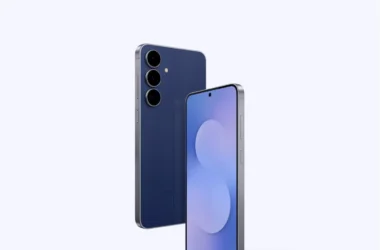



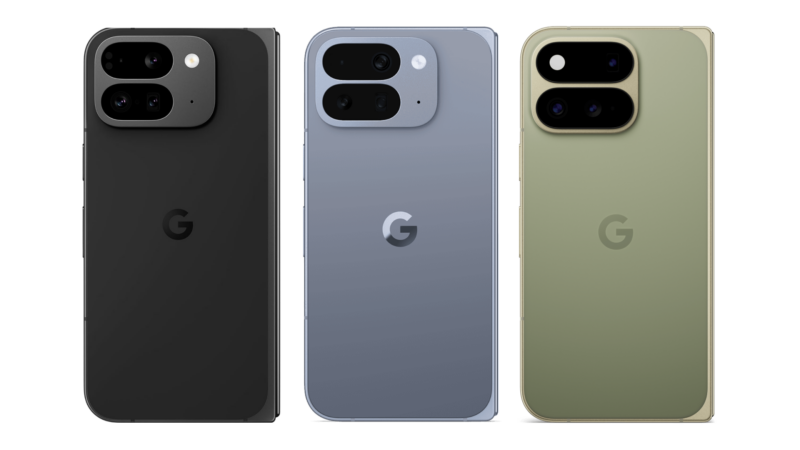
Three generations of Google's foldable, laid side by side, tell a more interesting story than “the new one is better.” The Pixel 11 Pro Fold launched this week alongside the rest of the Pixel 11 lineup, and while it wins in most categories against the Pixel 10 Pro Fold and the now-discontinued Pixel 9 Pro Fold, it also gives something back in the process.
Context
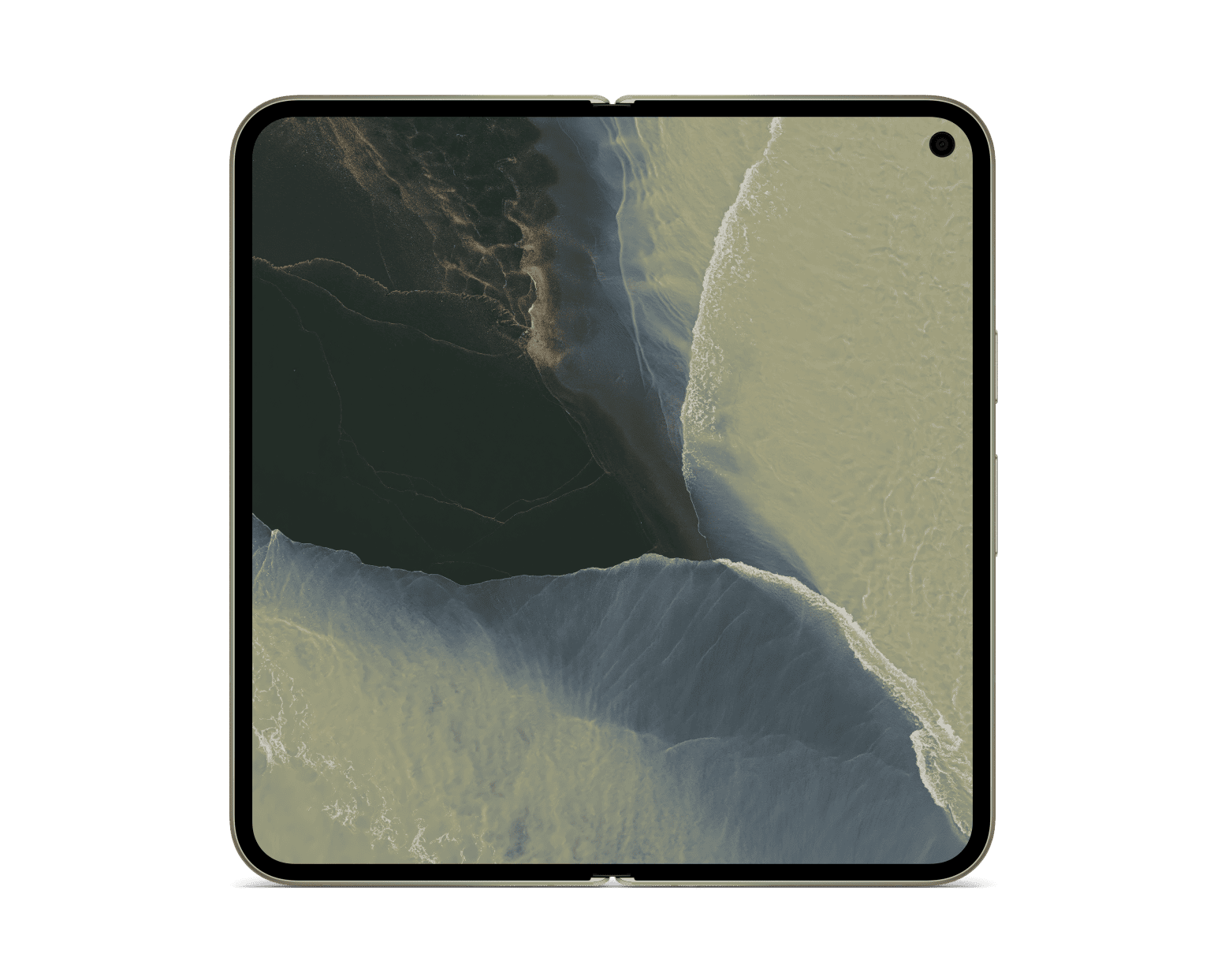
All three phones share the same basic formula: an 8-inch inner display, a triple rear camera system, and a body that folds down to phone-sized. What's changed generation to generation is thickness, weight, brightness, chip, and increasingly, the software features layered on top. Pixel 9 Pro Fold is no longer sold by Google directly, Pixel 10 Pro Fold is still available, and Pixel 11 Pro Fold just opened for pre-order.
Key Differences
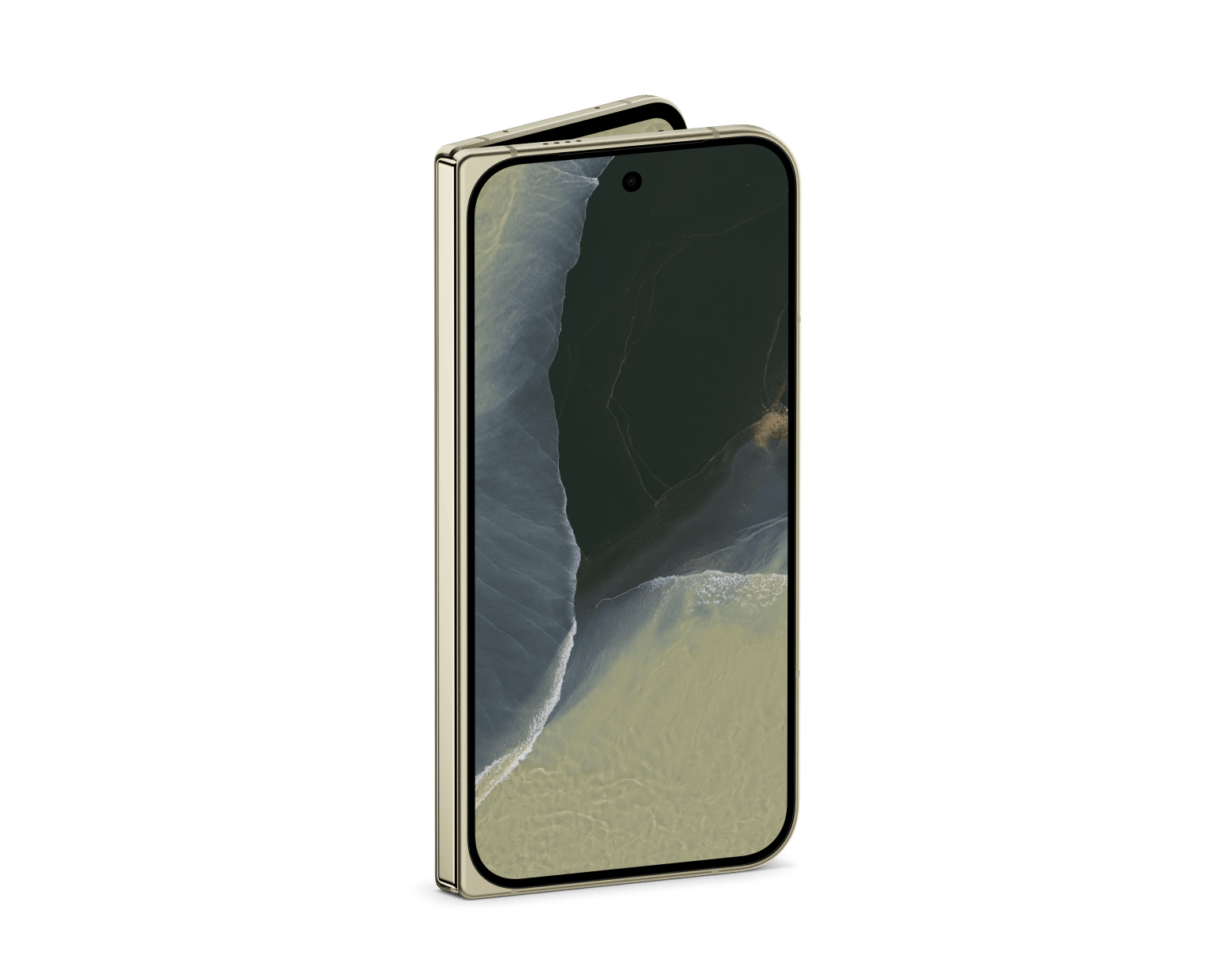
Pixel 11 Pro Fold is the lightest and thinnest of the three at 239 grams and 10.1mm folded, down from 258 grams and 10.8mm on the Pixel 10 Pro Fold, and 257 grams and 10.5mm on the Pixel 9 Pro Fold. The cover display has also grown each generation, from roughly 6.3 inches on the Pixel 9 Pro Fold to 6.4 inches on the Pixel 10 Pro Fold to 6.5 inches now, with peak brightness climbing from 2,700 nits to 3,000 nits to 3,600 nits over the same span.
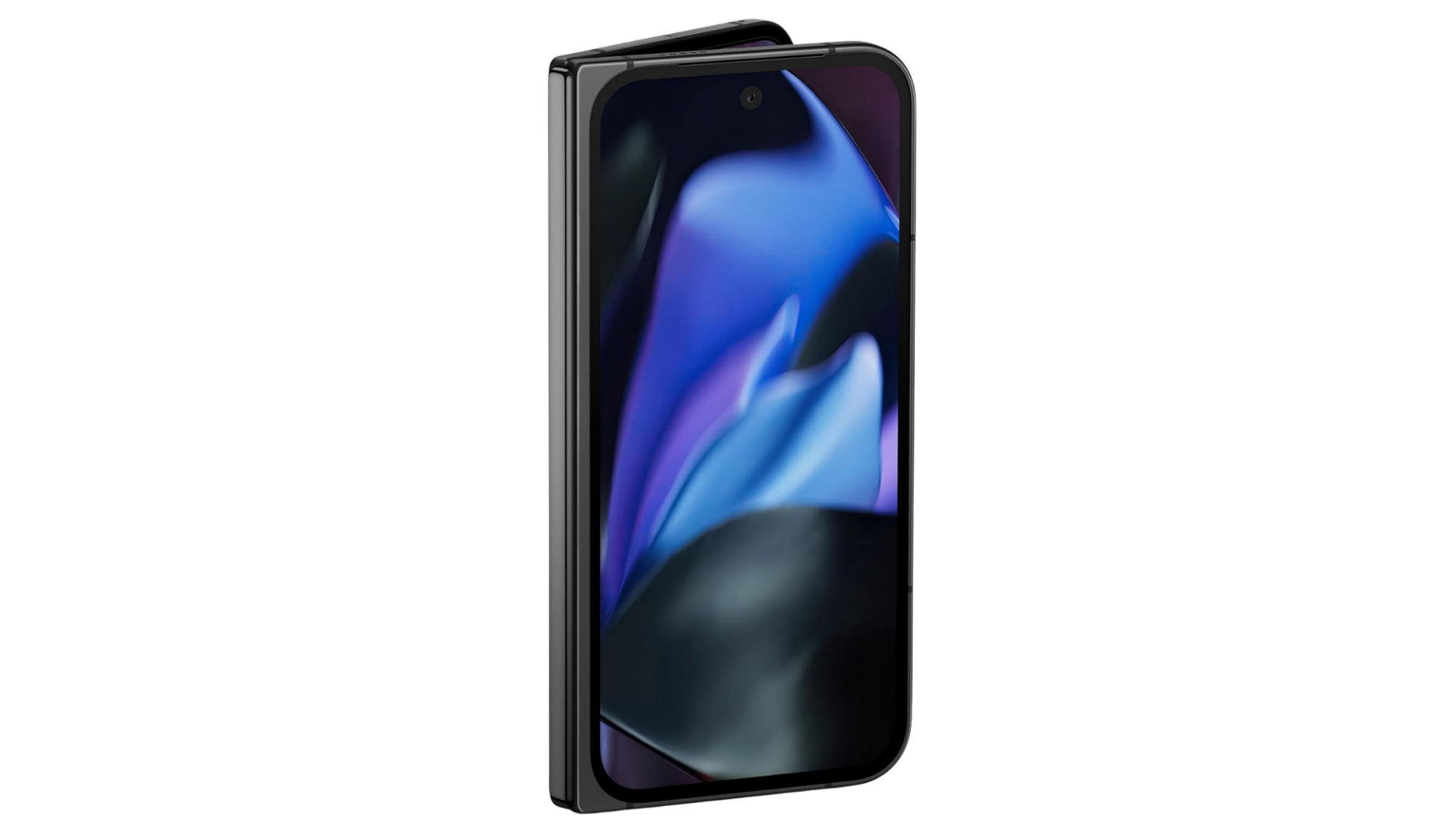
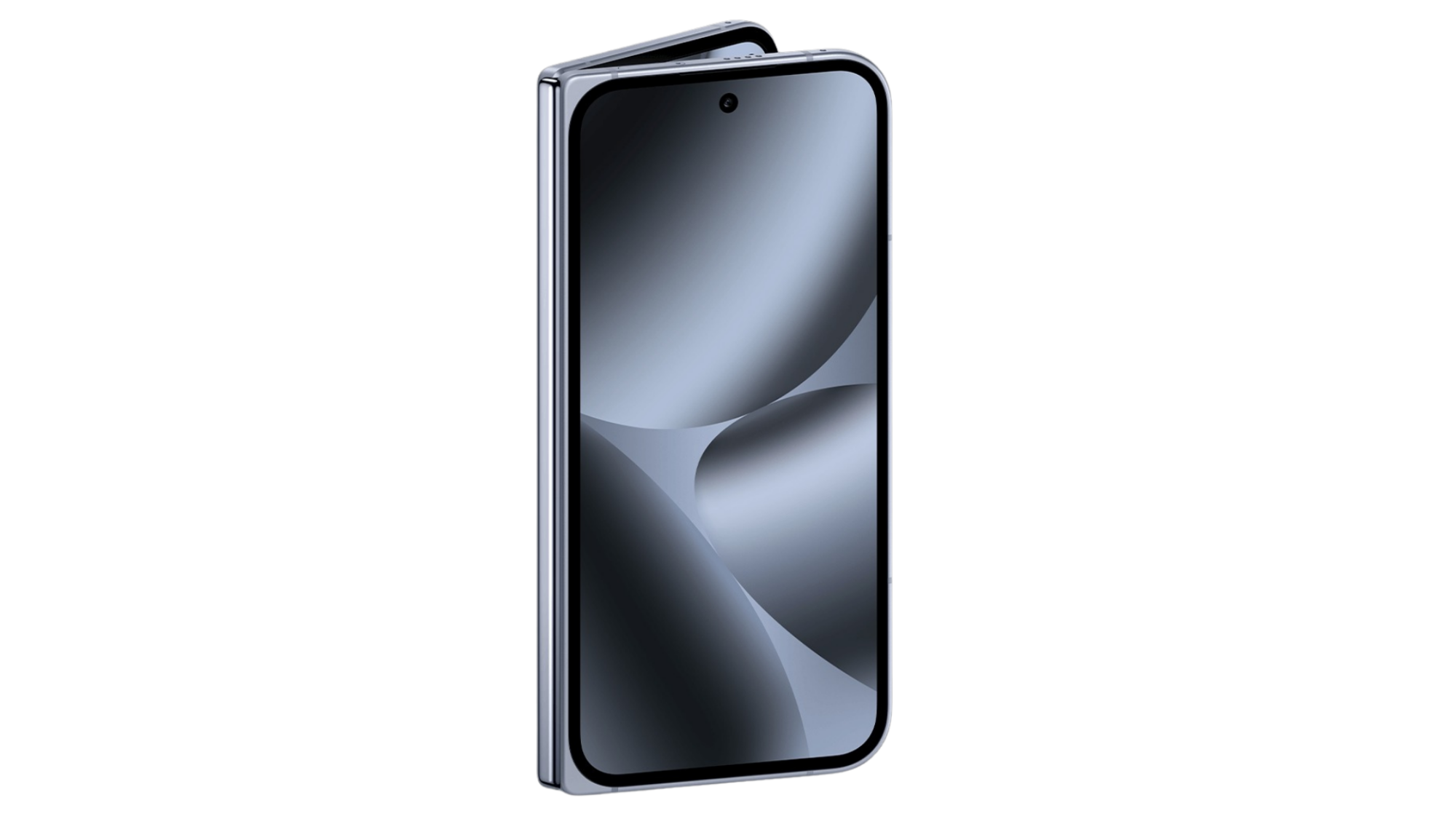
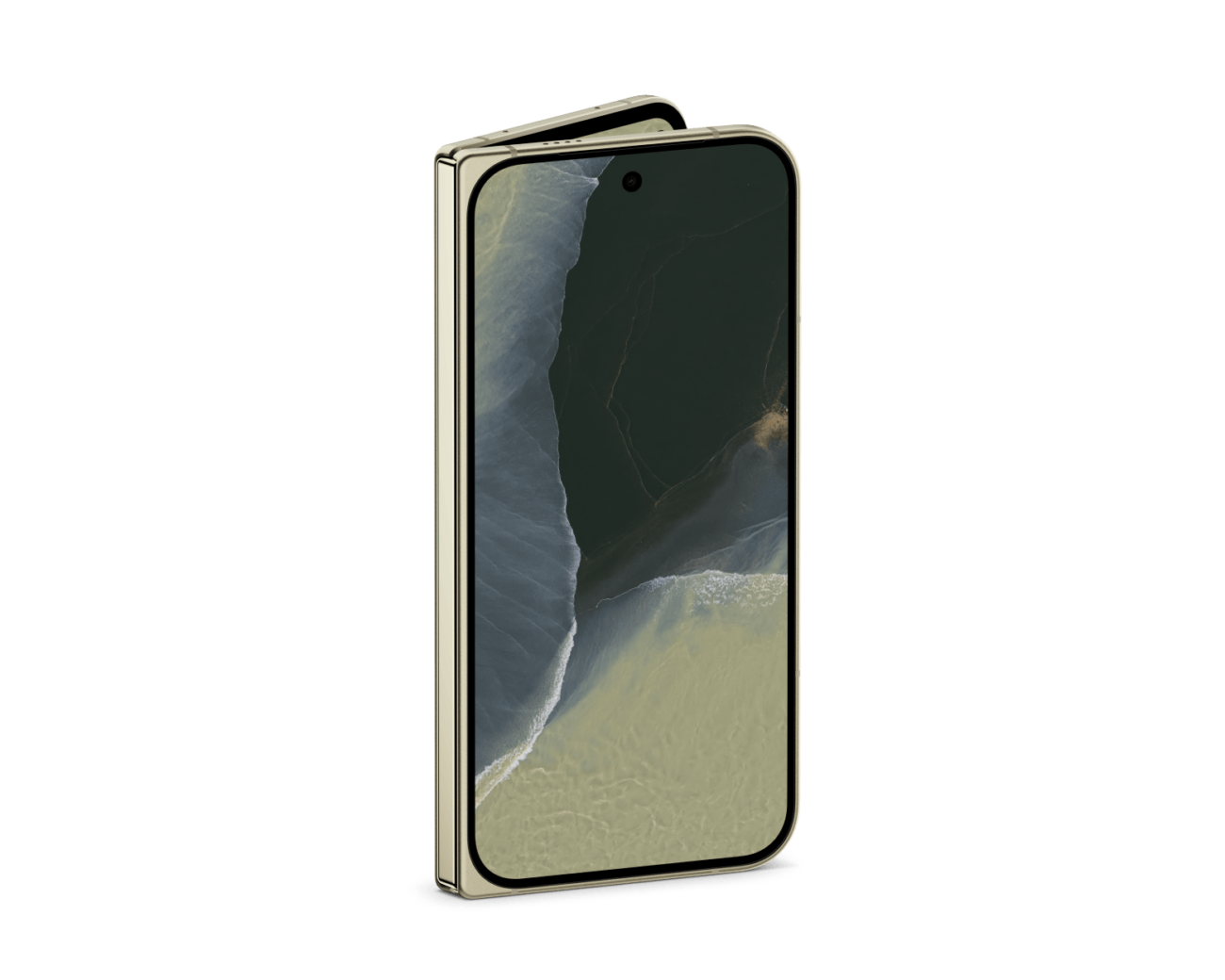
Chips moved forward as expected: Tensor G4 on the Pixel 9 Pro Fold, Tensor G5 on the Pixel 10 Pro Fold, and the new Tensor G6 here, paired with an upgraded Titan M3 security chip versus the Titan M2 on the previous two. The more interesting change is under the hood: Tensor G6 drops the Samsung Exynos modem that's powered every Tensor chip to date in favor of a MediaTek modem, a switch aimed squarely at the connectivity and battery drain complaints that have followed Pixel phones for years.

RAM holds steady at 16GB across all three phones, so nothing lost there, but Pixel 11 Pro Fold adds Zoned UFS storage on its 512GB and 1TB configurations, a faster storage architecture that neither previous generation offers.
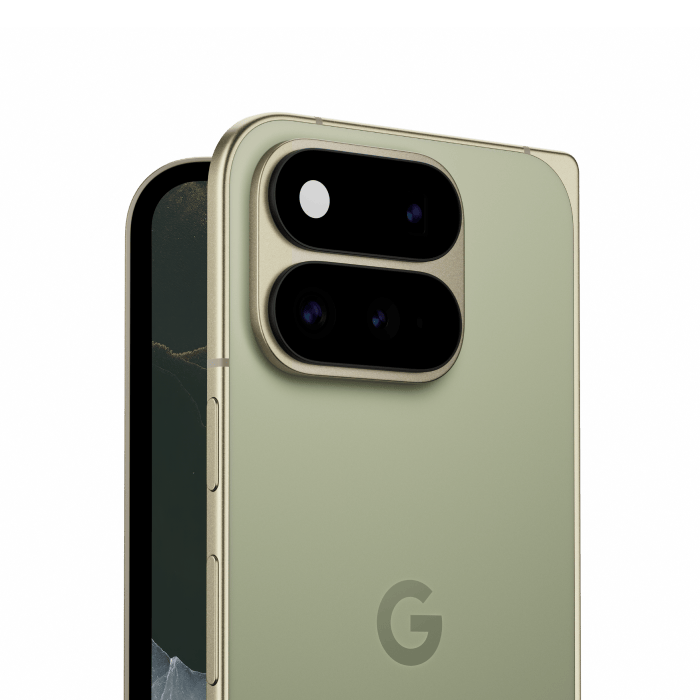
The main camera also picks up a wider 85-degree field of view, up from 82 degrees on the 10 and 9 Pro Fold, along with an extra 2x optical-quality zoom step that the older two phones skip straight past. IP rating is a real jump between generations too. The Pixel 9 Pro Fold shipped with IPX8, water resistance only, while both the Pixel 10 Pro Fold and Pixel 11 Pro Fold added dust resistance with a full IP68 rating.
The one spec that actually moves backward is battery capacity. Pixel 11 Pro Fold carries a smaller 4,806mAh cell compared to the Pixel 10 Pro Fold's 5,015mAh, even though Google rates both for 24-plus hours of use and points to Tensor G6's efficiency gains to make up the difference. Charging speed improved regardless, with wireless charging jumping to 25W Qi2.2 on the Pixel 11 Pro Fold, up from 15W Qi2 on last year's model.
Real-World Impact
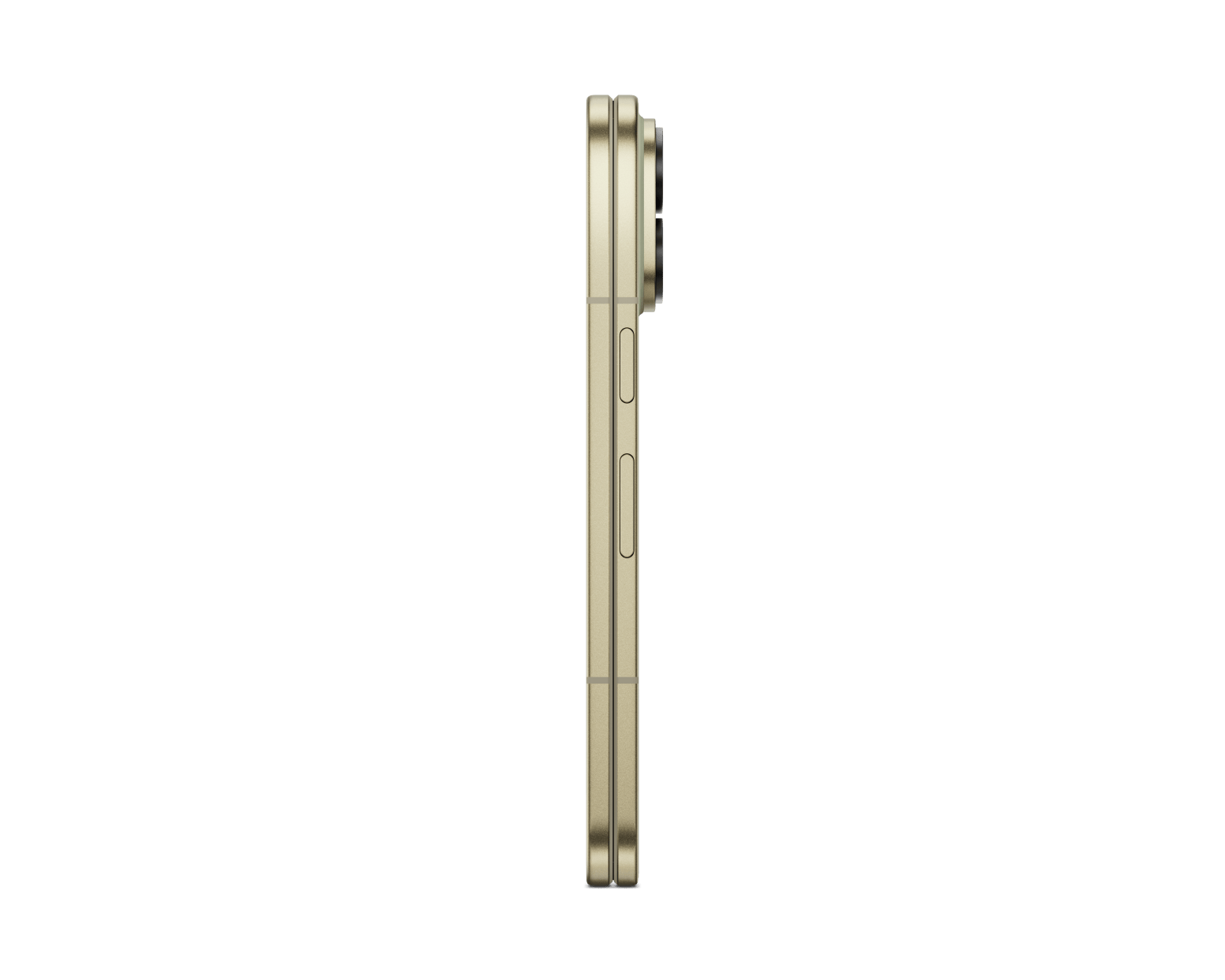
The lighter, thinner body is the change you'll actually feel every time you pick the phone up, and 19 grams doesn't sound like much until you've held a Fold one-handed for a commute. The brighter displays matter most outdoors, where every previous generation of foldable has struggled against direct sun.
The battery reduction is the one worth watching skeptically. Efficiency gains from a new chip are real, but they don't always fully offset a smaller cell in daily use, and this is the kind of claim that only holds up after a week of actual charging habits rather than a keynote slide. In the day and age where even Samsung has begun using Silicon Carbon battery technology, it's a poor choice by Google.
There's also a software trade worth flagging before anyone assumes newer automatically means more features. Pixel 11 Pro Fold drops Reimagine, the AI tool for swapping backgrounds and scenes in Magic Editor, even though it's still available on both the Pixel 10 Pro Fold and Pixel 9 Pro Fold. In exchange, it's the only one of the three with a Creator Suite video tool. Whether that trade is worth it depends entirely on which feature you actually use.
Verdict
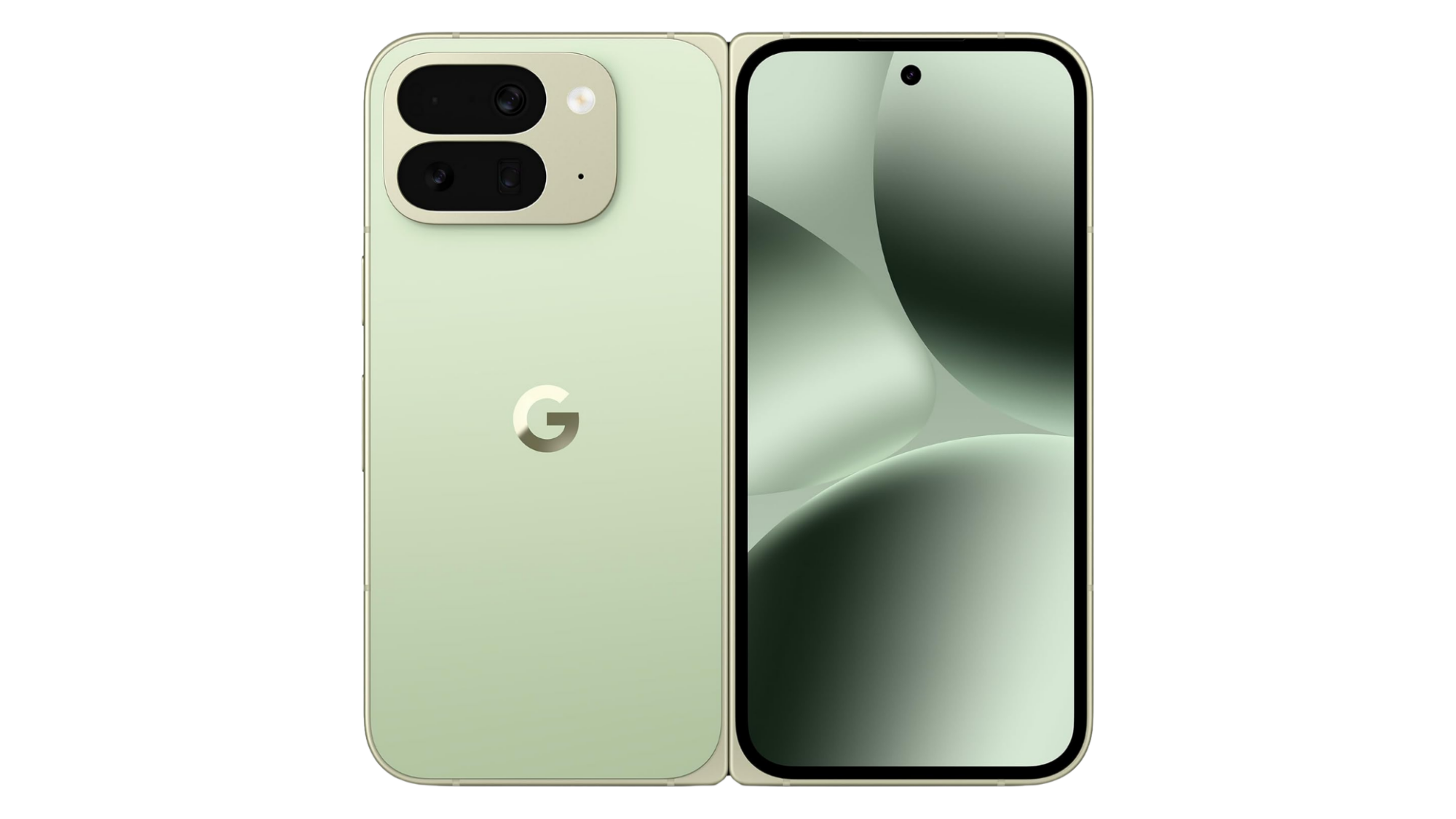
Pixel 11 Pro Fold starts at $1,899, a $100 increase over the Pixel 10 Pro Fold's $1,799 launch price. If you're already on a Pixel 10 Pro Fold, the case for upgrading is thinner than the phone itself, better display and IP68 aside, you already have most of what matters. Coming from a Pixel 9 Pro Fold or older, the jump to IP68 dust resistance alone is a meaningful reason to move, before you even factor in the lighter build and brighter screens.
Of course, upgrading from the 9 Pro Fold to the 10 Pro Fold could be the best option in terms of budgetary concerns. Last year's model will give a significant saving over the just-launched 11 Pro Fold. It all depends on your needs.