


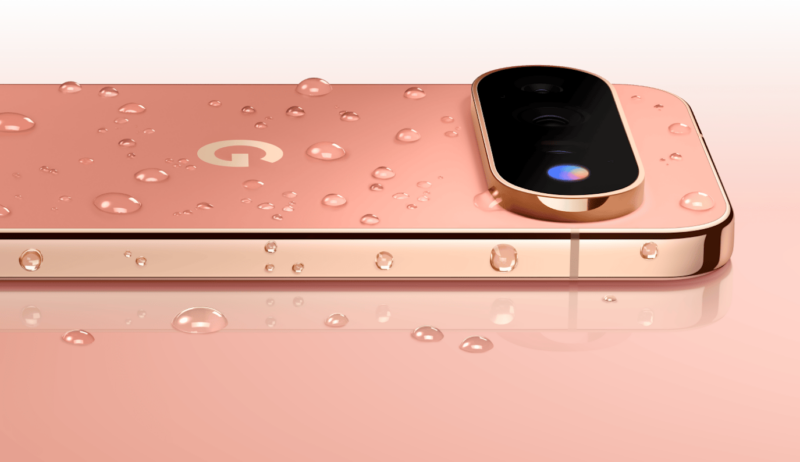
Three new Pixel phones are official, and the standout change isn't a spec bump, it's a light. Google unveiled the Pixel 11, Pixel 11 Pro, and Pixel 11 Pro XL today, all running on the new Tensor G6 chip and, on the two Pro models, a redesigned camera bar that can glow at you.
What's New
The camera bar itself got thinner across the board, down 40 percent on the base Pixel 11 compared to earlier generations, which Google says makes it sit flush enough to disappear under a case. The Pixel 11 also picks up a larger 48-megapixel main sensor with 56 percent more light sensitivity than the Pixel 10, plus a 5x telephoto lens that now stretches to 30x Super Zoom.
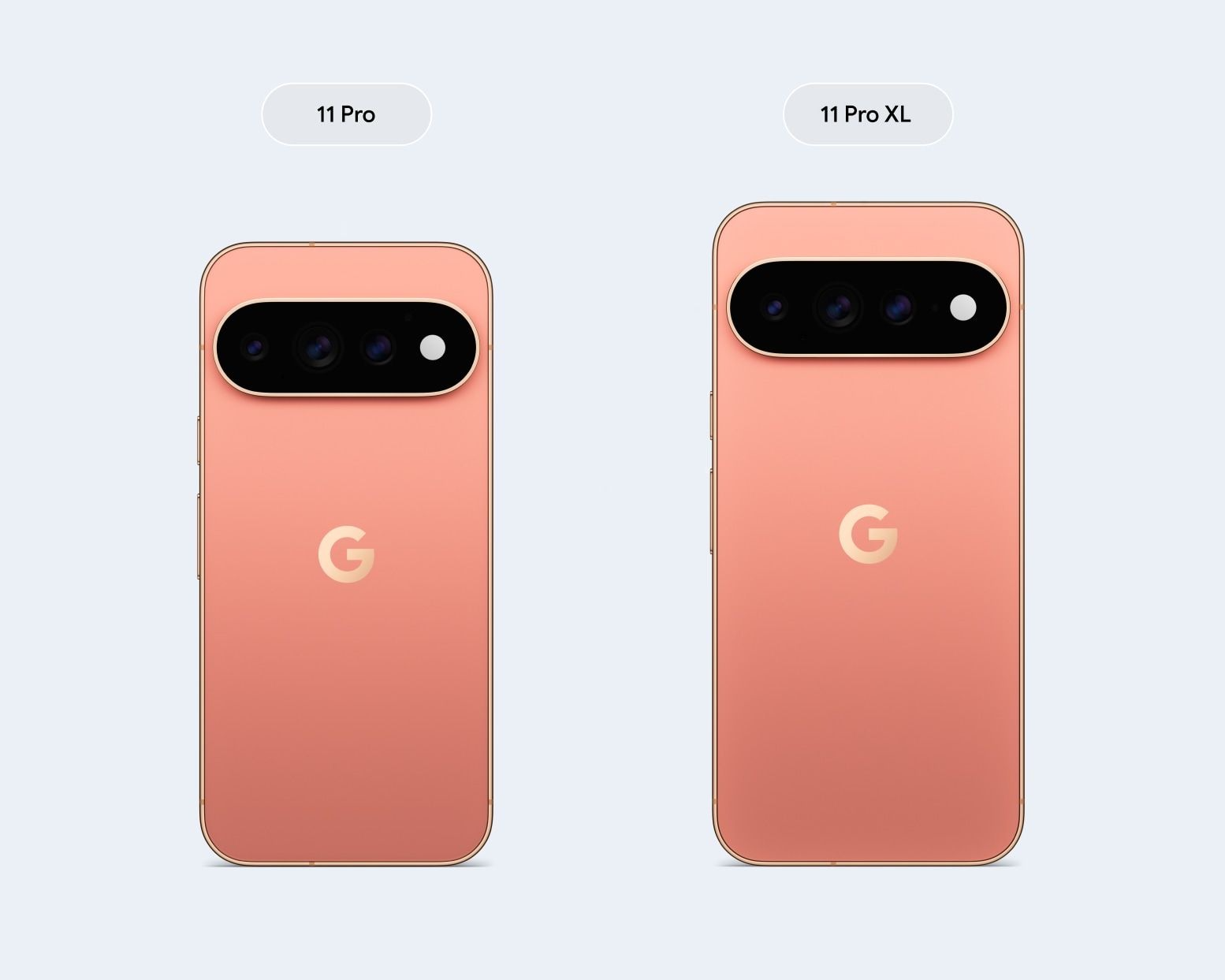
Pixel 11 Pro and Pro XL get their own camera overhaul, including a new main sensor, an upgraded 48-megapixel telephoto with 30 percent more light sensitivity, Portrait Mode at 5x, and Pro Zoom pushing out to 120x. Night Sight shots now process up to 4.5 times faster thanks to Tensor G6's upgraded image signal processor.
The Pro models also introduce HiLight, colored LEDs built into the camera flash that glow to signal what's happening without you flipping the phone over. It pulses while Gemini is listening or thinking, and you can assign specific colors to your most important contacts for incoming calls.
Why It Matters
Camera specs are an annual ritual at this point, but HiLight is Google trying something a phone hasn't really done before: giving you information without asking you to look at the screen. Whether that's genuinely useful or just a gimmick depends on how many notification types Google adds to it beyond calls and Gemini, and that list is starting small.
The bigger deal is Tensor G6 itself. Google claims 25 percent faster web browsing, 15 percent quicker app launches, and on-device AI tasks running up to 3.5 times faster while using up to 3.5 times less power than Tensor G5. If that holds up outside a keynote slide, it's the difference between Gemini features that feel instant and ones that make you wait.
Key Details
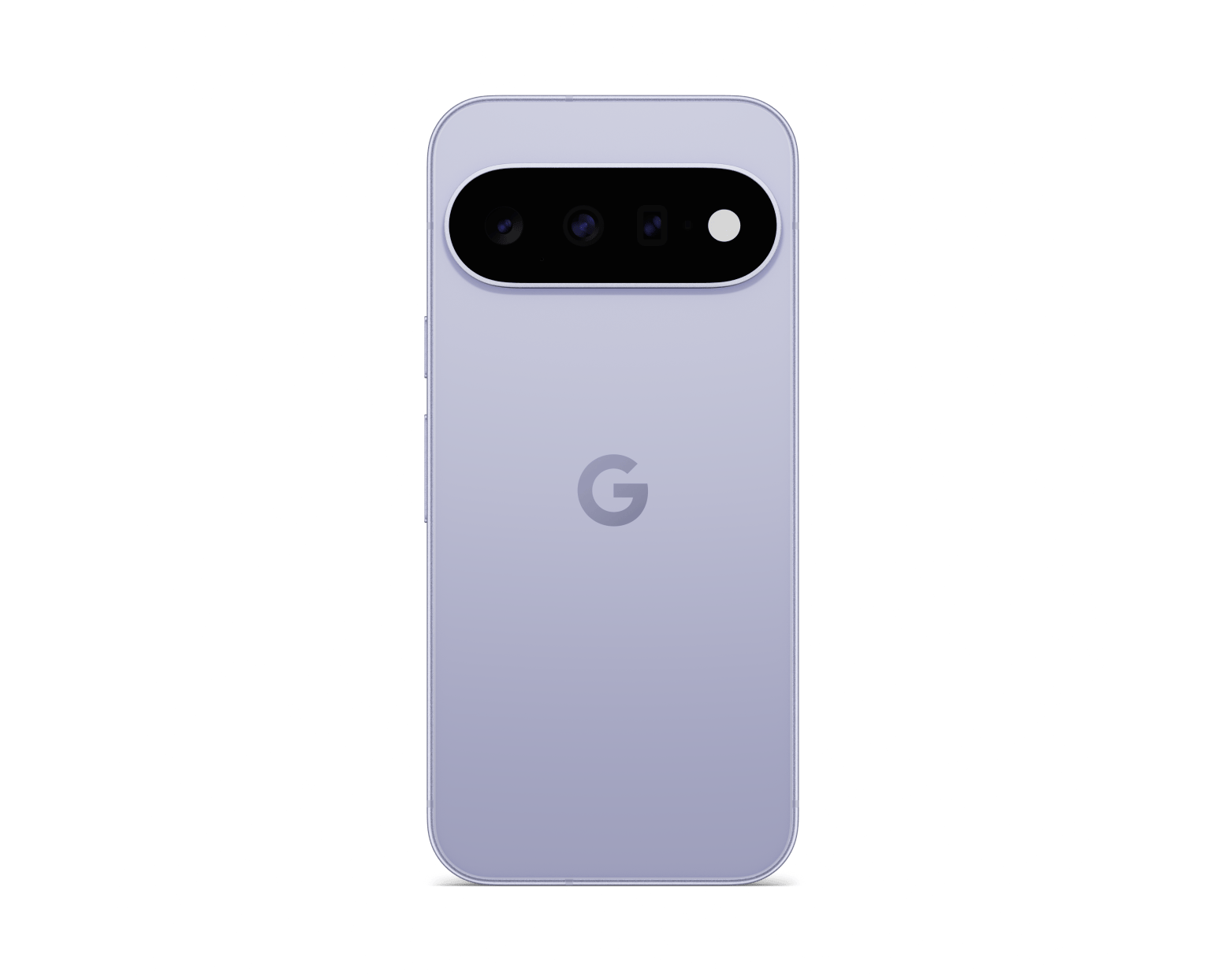
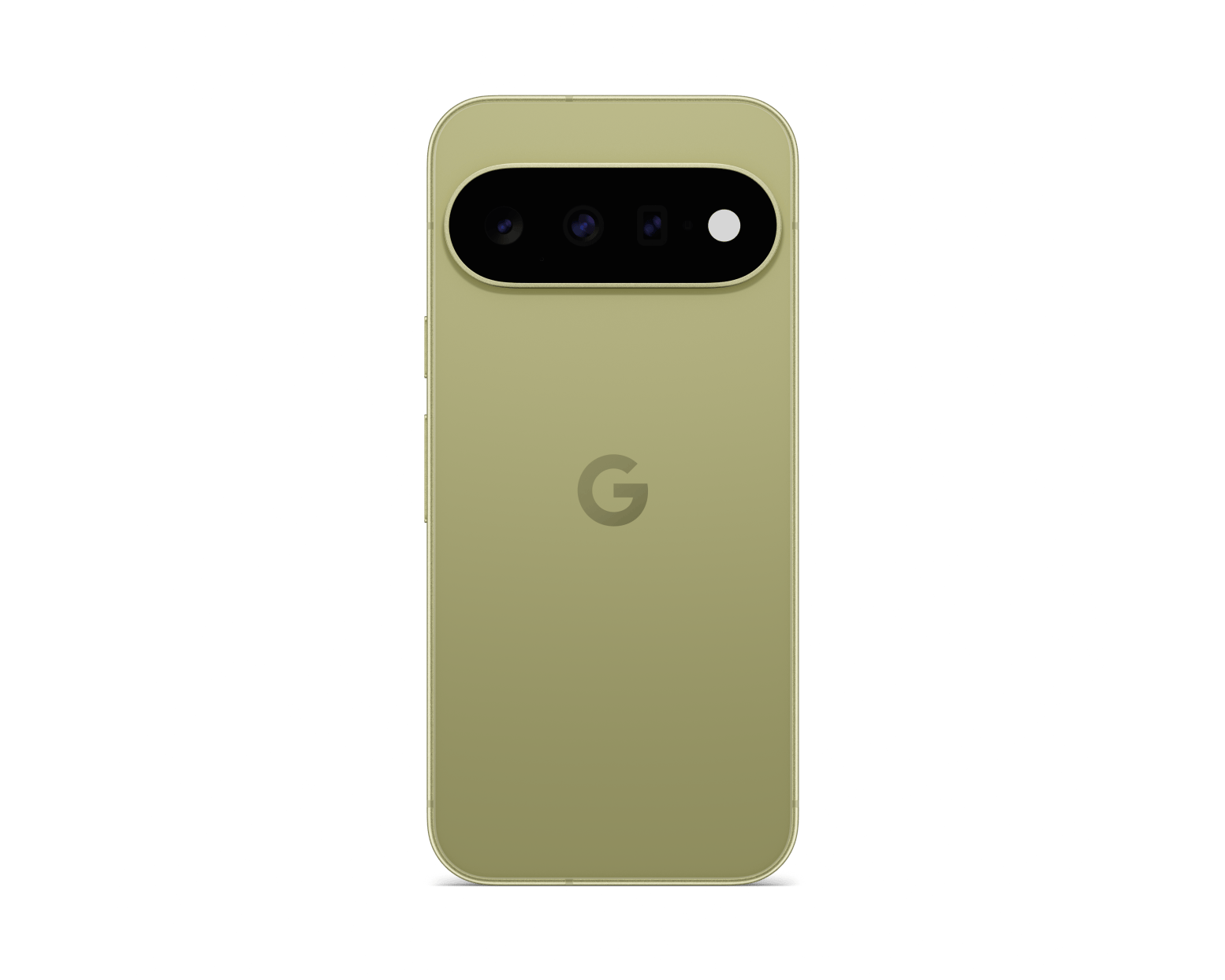
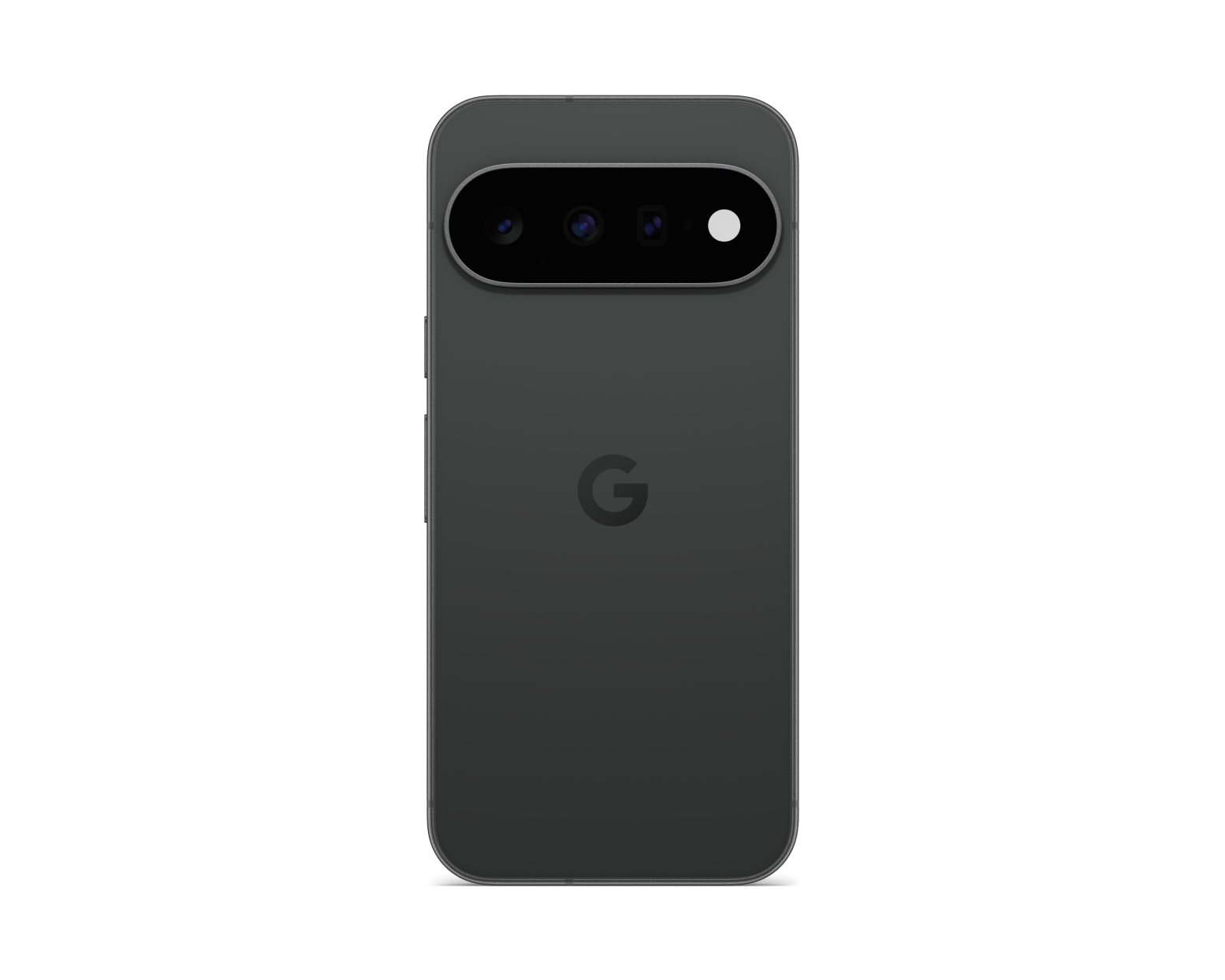
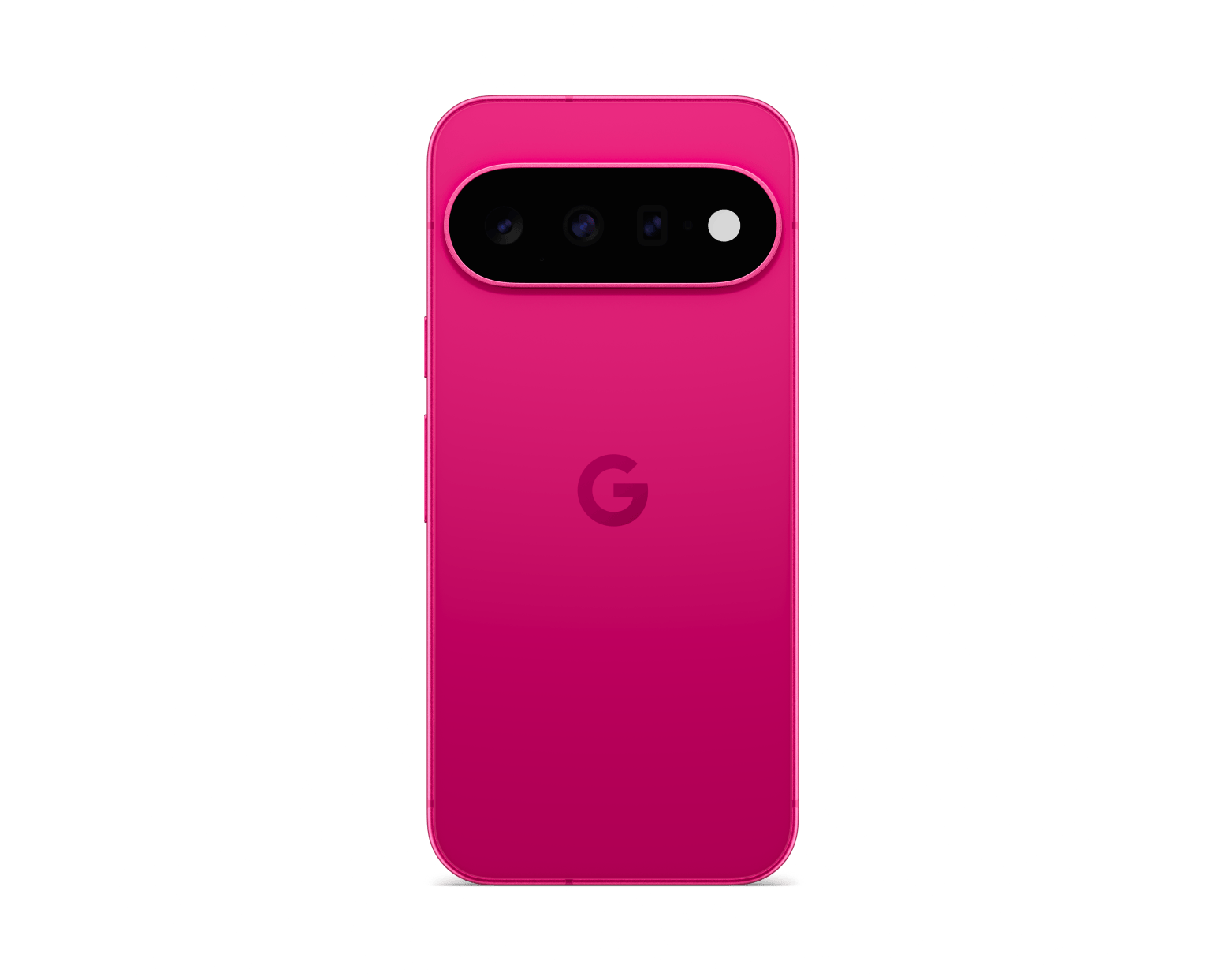
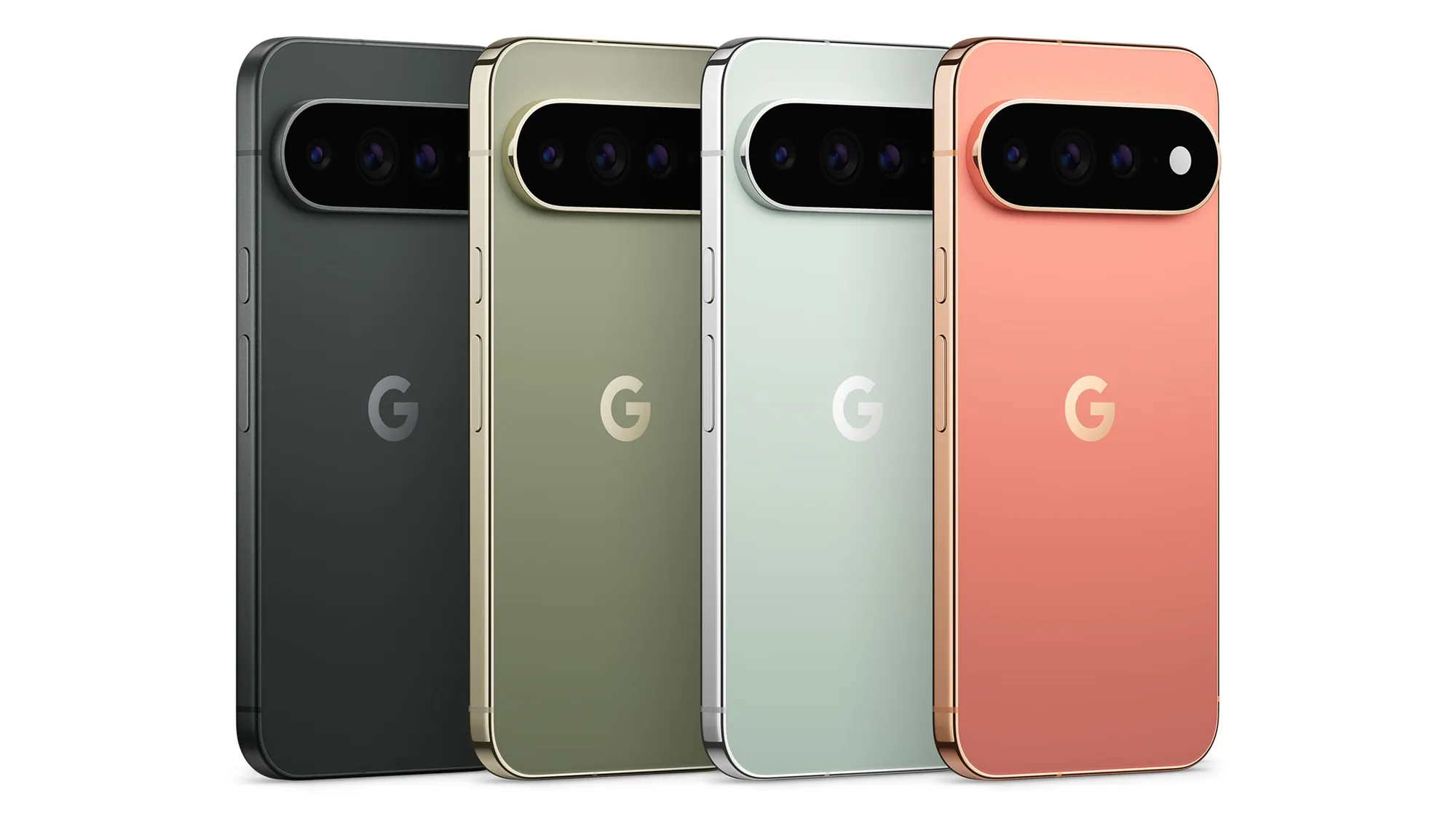
Pixel 11 comes in Pistachio, Hibiscus, Frost, and Obsidian, while the Pro and Pro XL get Canyon, Fog, Olive, and an all-matte Obsidian. The Pro displays hit up to 3,600 nits peak brightness and use a new coating Google says more than doubles scratch resistance over last year.
Charging gets a real upgrade too. All three phones start at 256GB, support Qi 2.2 25W wireless charging for the first time on the base Pixel 11 and Pro, and the Pro XL can hit 15 hours of battery life from 15 minutes on the charger. Security-wise, a new Titan M3 chip pairs with Tensor G6 to bring post-quantum cryptography to secure boot, and every phone gets seven years of OS, security, and feature updates.
The Takeaway
Pixel 11 starts at $899, Pixel 11 Pro at $1,099, and Pixel 11 Pro XL at $1,299, all available for pre-order today with a shelf date of August 20. If last year's Pixel 10 is anything to go by, most of what actually changes day to day will come down to Tensor G6's real-world speed and how much HiLight expands beyond calls and Gemini, both of which are easier to judge after a week of use than a keynote.