


Nine hours of battery life in a pair of glasses sounds modest until you remember it's running a camera, microphones, speakers, and an AI assistant all day on your face. Samsung is now walking through how it got there, publishing an interview with James Choi, the executive who leads XR R&D for its mobile business, breaking down the engineering that went into the intelligent eyewear it showed off at Unpacked in July.
What's New

The interview is Samsung's own follow-up to the Galaxy Unpacked reveal, not a new product announcement. Choi walks through the design tradeoffs behind the glasses, including hinge engineering, thermal management, weight distribution, and the roughly 200 patent applications Samsung says it has filed around the category.
The headline number is battery life. Samsung claims up to nine hours of active use per charge, including demanding tasks like Gemini queries and video recording, with the charging case good for more than seven additional full charges.
Why It Matters

Smart glasses have a wearability problem that no amount of AI fixes. Samsung is explicitly positioning comfort and fit, not features, as the harder engineering challenge, and the interview backs that up with specifics: thin-wall molding, corrosion-resistant hinges, and computational fitting across the forehead, cheekbones, and ears to make weight distribution even on both sides of the frame.
That's a different pitch than most AI glasses launches, which tend to lead with capability first and treat comfort as an afterthought. Whether Samsung actually nailed the fit is something no interview can confirm, that's a hands-on question.
Key Details
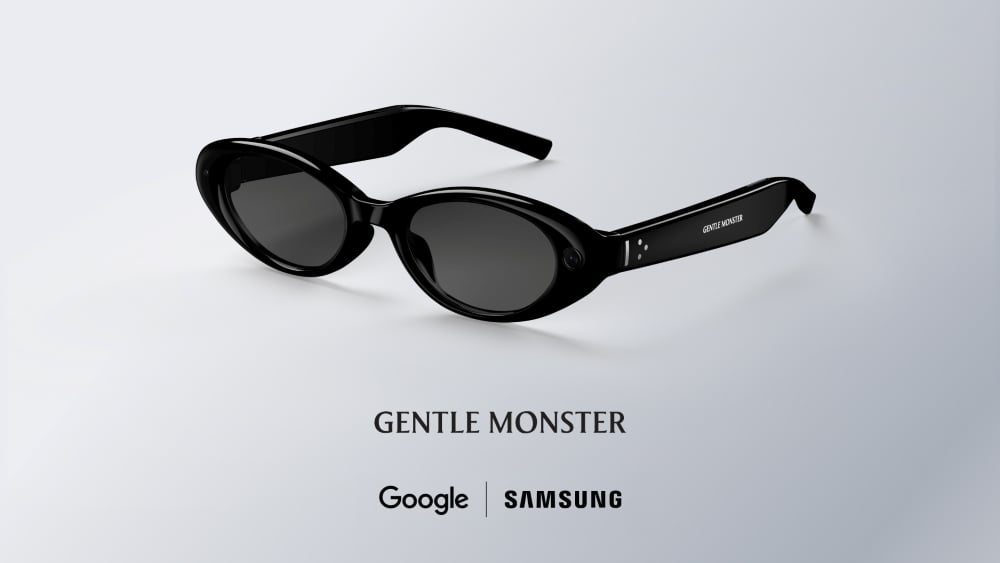
Thermal graphite on one side of the frame is there specifically to keep the application processor's heat off the wearer's face, which is a real problem for face-worn compute that phones never had to solve. Samsung also says the glasses went through testing most eyewear never sees, including exposure to sunscreen, cosmetics, and sweat, plus repeated hinge folding cycles.
On the software side, the glasses lean on split computing, offloading processing between the glasses and a connected Galaxy phone. They also tie into the rest of the Galaxy lineup: gesture control from a Galaxy Watch9, seamless audio handoff to Galaxy Buds, and hands-free recording that previews on Now Bar before landing in Galaxy Gallery.
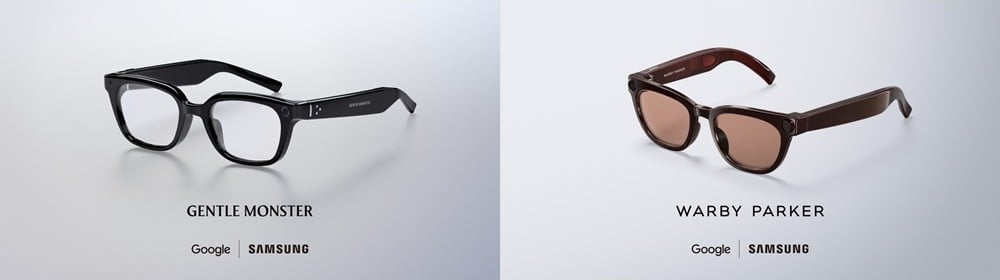
Privacy gets its own section in the interview, and Samsung is leaning on it hard given how recording glasses tend to make bystanders uneasy. There's an external LED that lights up when recording, a second inner LED for the wearer, automatic recording shutoff when the glasses come off, and a “thwart detection” feature that disables recording if someone blocks the external LED. Samsung also states that audio, video, and screen-sharing data collected by the glasses isn't used to train its AI models.
Takeaway
This is Samsung explaining its homework, not showing new hardware, and every figure in it comes from Samsung itself. Still, the engineering rationale is more detailed than many companies bother sharing, and it gives a clearer picture of why the glasses look and feel the way they do than the Unpacked stage presentation did.