



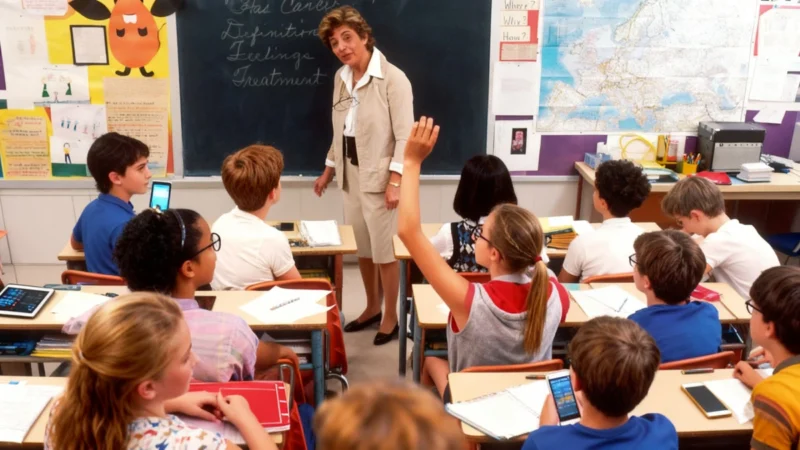
From Digital Pioneer to Reconsideration
In 2009, Sweden was widely seen as a trailblazer in modernizing education. The government believed that laptops and tablets would make learning more accessible and engaging, eventually phasing out printed textbooks in favor of digital alternatives that were considered more flexible and cost-effective over time.
However, the results of this transformation have been underwhelming. While Sweden has remained near the top in global education rankings, recent studies—and feedback from parents and teachers—have revealed significant limitations to an all-digital approach in schools.
Screen Fatigue and Academic Decline
Concerns about classroom screen use have grown steadily. Multiple studies found that reading on digital devices—especially backlit screens—can lead to more eye strain and shorter attention spans compared to reading on paper. This has reportedly affected students’ memory and comprehension, with reading on paper showing a clear advantage in helping students understand and retain information.
The issues go beyond reading difficulties. Digital devices often present constant distractions; instead of focusing on classwork, many students are tempted to play games or surf the internet. This growing reliance on screens has also raised concerns about students' social skills and their ability to pay attention during lessons.
“After 15 years of going all-digital, Sweden has reached a sobering conclusion: student performance is slipping. To address this, the country committed €104 million (about $110 million) to bring paper textbooks back into classrooms. It's a major turnaround that challenges our relationship with screens in schools.”
Investing in a Balanced Approach
In response, Swedish authorities decided to reintroduce physical books in schools. Between 2022 and 2025, about €104 million (roughly $110 million) has been allocated to ensure every student eventually receives a paper textbook for each subject. The funding is also being used for awareness campaigns and to support schools throughout the transition. The clear goal is to restore a balanced educational method—using digital tools to complement, but not replace, foundational learning resources.
Officials have linked declining basic skills—especially in reading and writing—to early and excessive digital device exposure. Many parents expressed frustration, noting that computers intended for learning too often become vehicles for distraction.
Screens Still Have a Place
This move doesn’t amount to a total ban on digital technology. Laptops and tablets remain useful for diversifying classroom activities and accessing online materials. The Swedish government now intends to use digital resources more selectively and deliberately—not as a substitute for the basics, but as a complement when truly beneficial. The push for paper is less about nostalgia and more about recalibrating priorities—giving each tool its proper role to improve student learning and focus. In the end, effective education is about using the right method at the right time.