



There's hardly any corner of our digital lives where artificial intelligence hasn't found a role. It doesn't matter if you're writing emails, editing photos, planning trips, coding software, or shopping online. The latest frontier is one of the most sensitive yet, which is your passwords.
1Password and Anthropic have introduced a new integration that lets Claude sign in to websites and complete tasks on your behalf. The justification is that it won't ever see the passwords or one-time verification codes.
The internet is not sure how to feel about this one
There are interesting reasons to build new technology, and this is definitely among them. But whether the inability to let an AI log into your accounts even counts as a problem is open to debate. AI is growing more capable, though, every point of friction is starting to look like something to be solved.
Anthropic's Claude can already browse websites, compare products, fill out forms, and complete purchases on your behalf. But it can't successfully complete them if it hits a login page. You’ll either hand over your password and one-time verification code or interrupt the task and log in yourself.
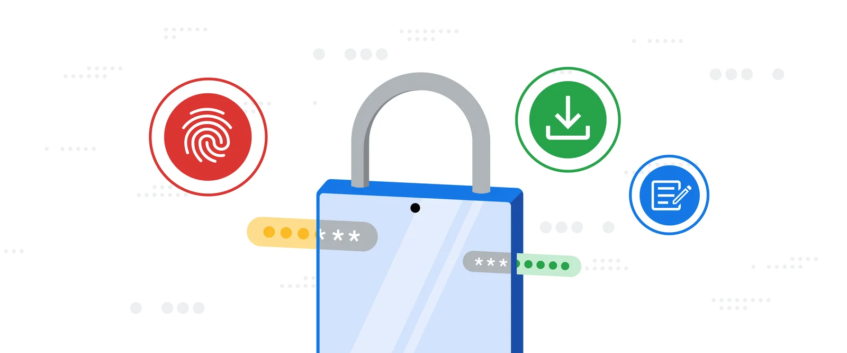
A new partnership between 1Password and Anthropic will now let Claude use your credentials without ever seeing them or storing them in the model’s memory and context. 1Password is a secure digital password manager that organizes and protect your sensitive credentials. When you trigger a request that hits a sign-in wall, Claude will send a request to 1Password. You'll see which account it wants to access and why.
Approve the request using biometric authentication and 1Password will inject the username, password, and one-time code into the website. It'll allow Claude to continue while keeping those credentials out of the model's. The permission lasts only for that task before being revoked.
The company has also introduced Agentic Mode, which locks down the 1Password browser extension whenever a supported AI agent is controlling the browser. It prevents the agent from browsing your password vault and limits it to only the credentials you explicitly authorize for the current task. Still, it goes without saying that you should be careful.
AI accessing your accounts is a risky bet
1Password and Anthropic’s zero-exposure technology is a clever innovation. Plain text is a huge liability and the most grabbable, vulnerable part of any authentication process.
But if you inject credentials at runtime into the page through encrypted channels, they’ll insulate the secret string from the model and Anthropic's servers.
Basically, it's just 1Password putting the blindfold on Claude for seconds while it types your password the way you would've yourself. But there's one elephant in the room. Even if the raw password never touches Claude’s memory, authorizing the integration grants the AI an active session inside your account.
The primary threat in an agentic workflow is session hijacking and malicious execution, one of which Anthropic itself has cried about for months. Researchers and government authorities eventually raised alarms over how easily agentic models could be manipulated or weaponized to perform multi-stage exploits.
It led to temporary export blocks and emergency safeguard overhauls. If a bad actor hides a malicious command inside a web page, Claude can be tricked into treating the hidden instruction as a direct order from you. It doesn't need to steal your vault password.
Recent security benchmarks show that when AI agents browse the live web, they fall for hidden prompt injections anywhere from 30% to over 50% of the time.