


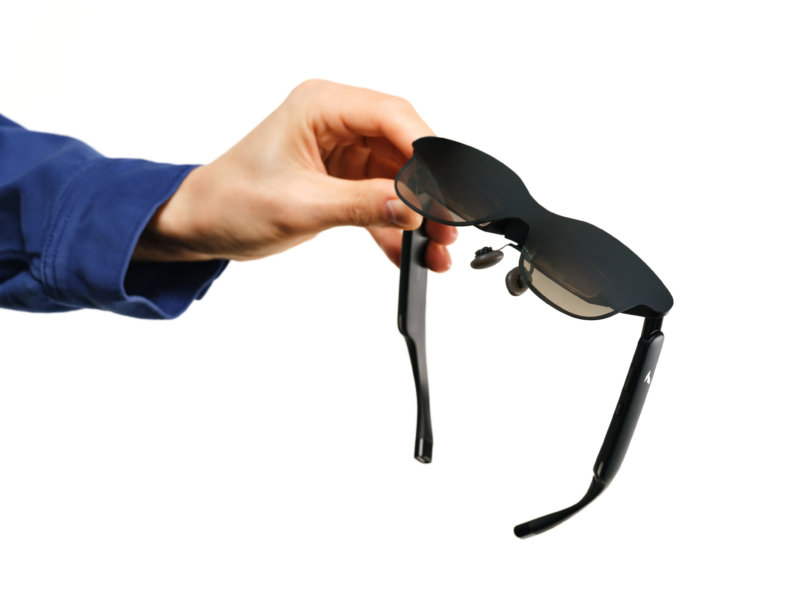
Two new AR glasses lines are launching within days of each other, and they're built to solve completely different problems. RayNeo's iO Smart Glasses are designed to disappear into your workday, while the GT Series is built to replace a movie theater screen on a plane. Both go on sale September 4, with pricing set to be announced live at IFA 2026 that same day.
What's new
RayNeo announced two product families at once: the iO Smart Glasses for all-day productivity, and the GT Series (GT and GT Max) for cinema-grade personal viewing. The company is leaning on its position as the top consumer AR glasses maker by shipment volume, citing a 23.7% global market share in Counterpoint Research's Q1 2026 data.
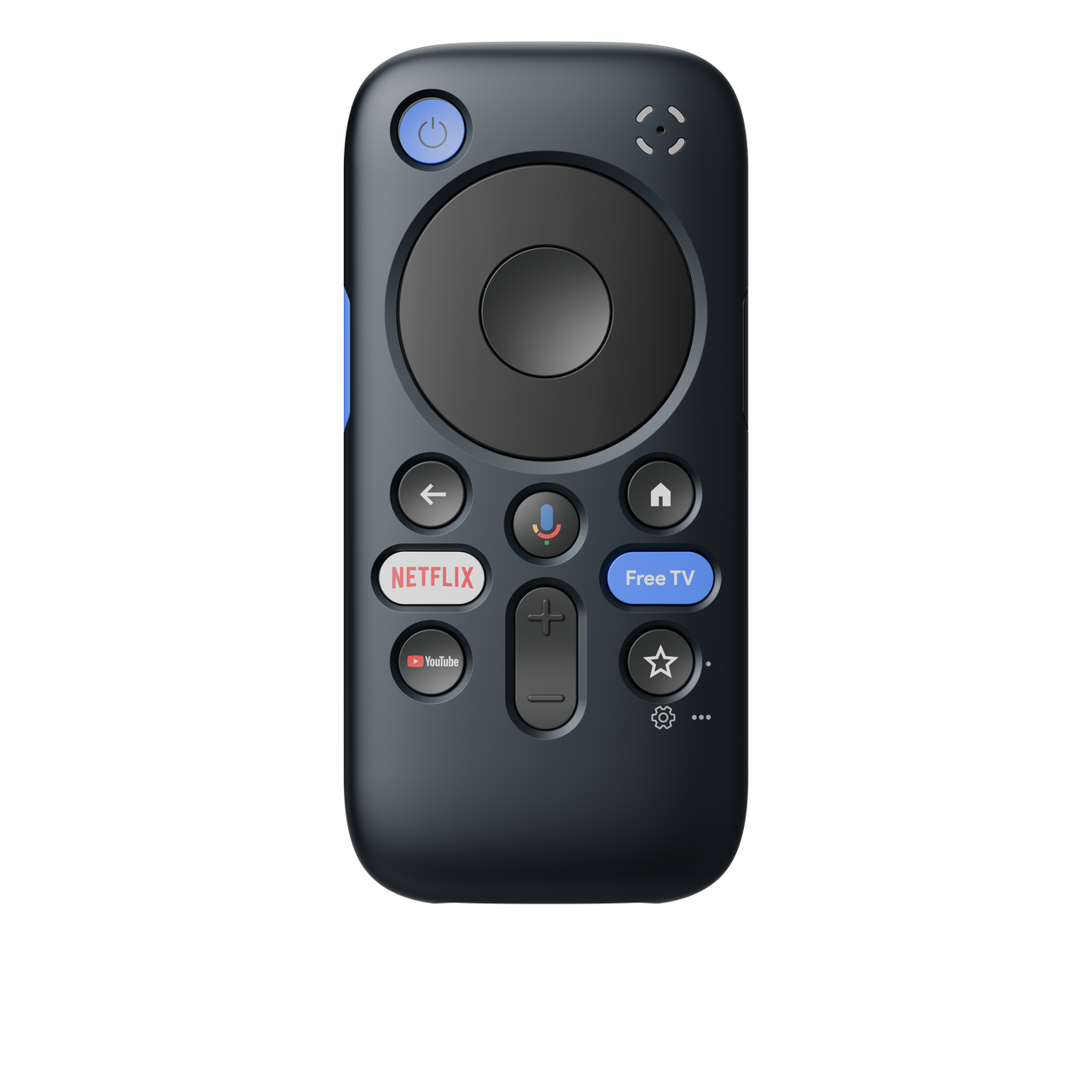
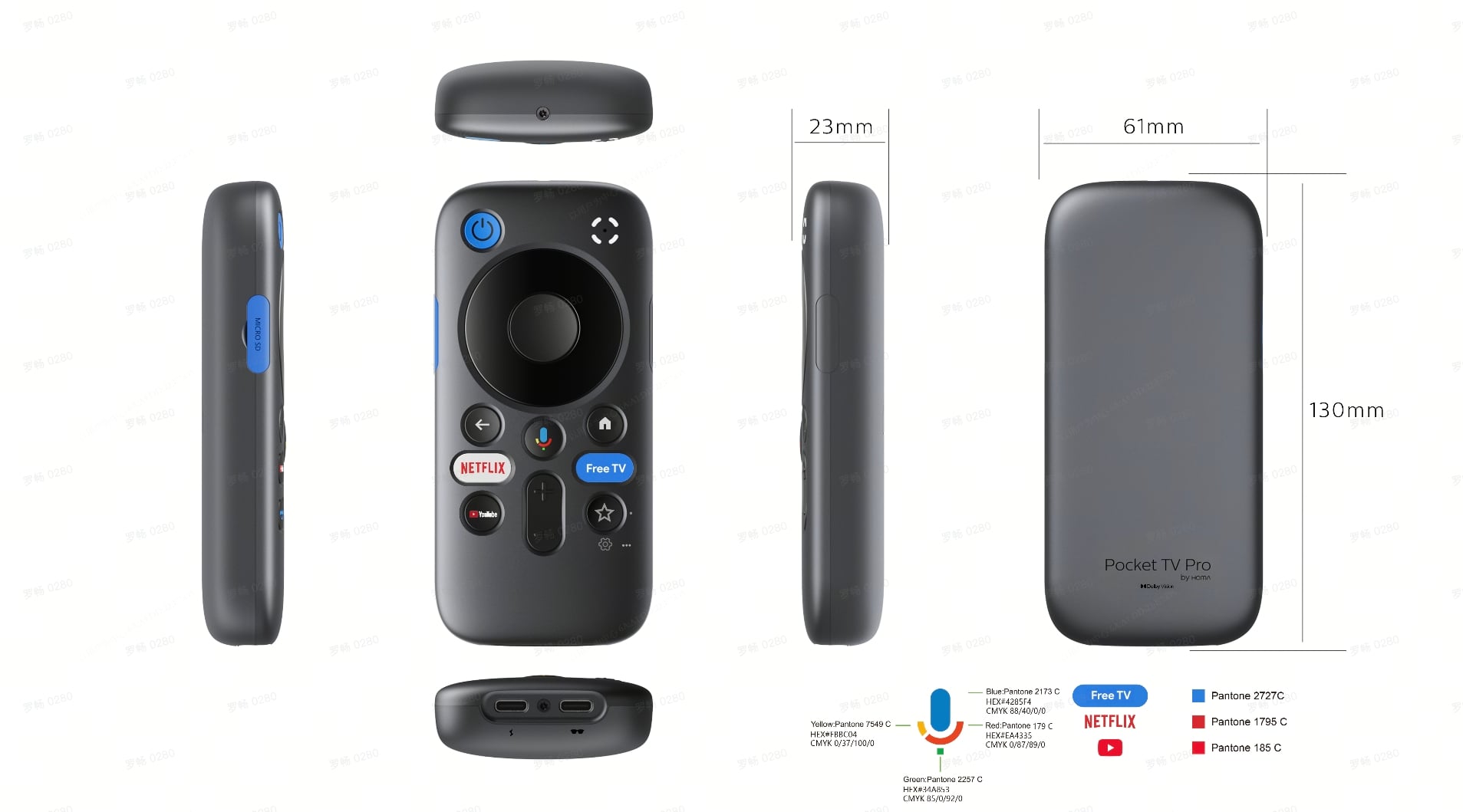
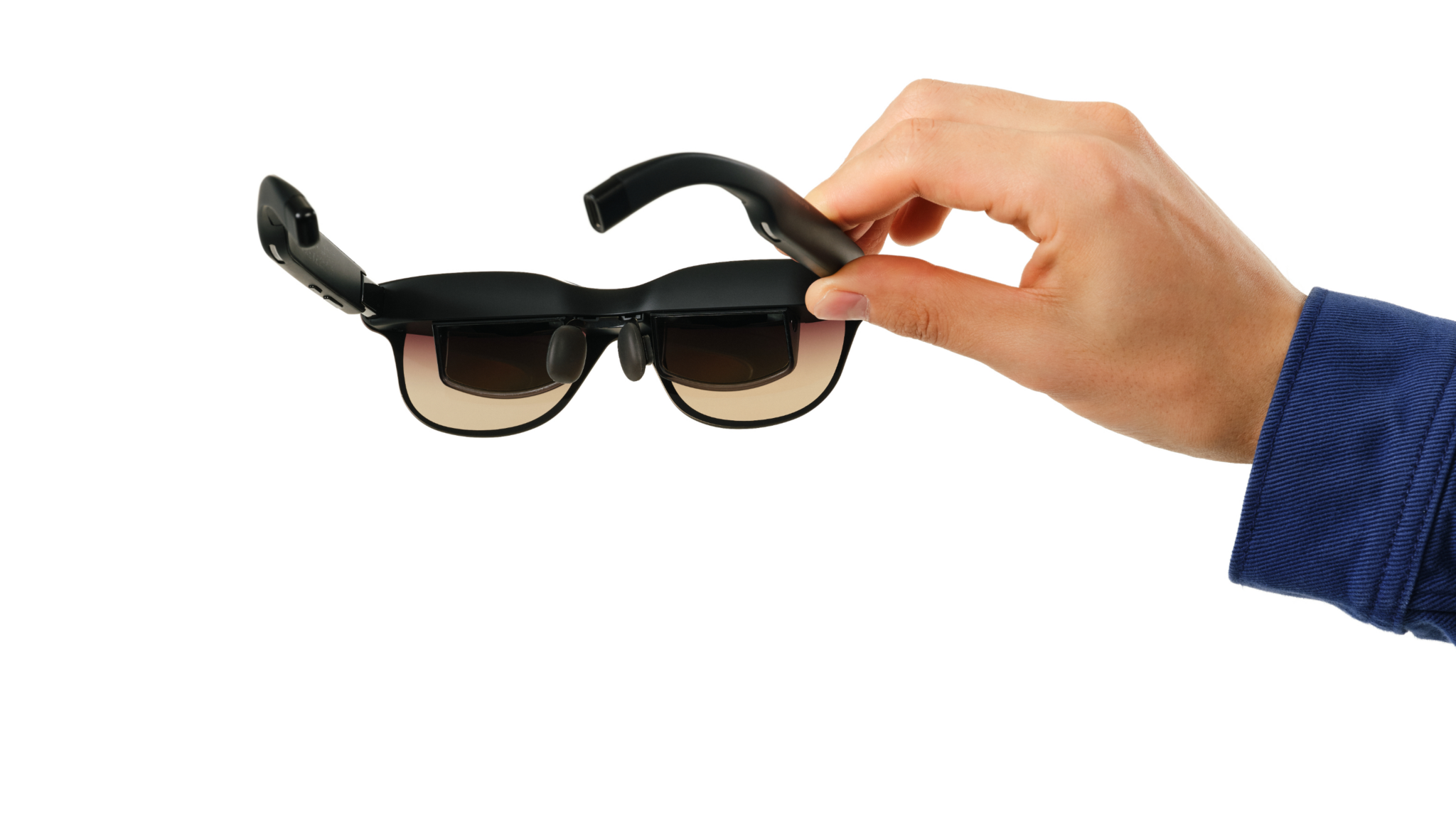
The iO weighs just 33 grams and uses a waveguide display that's invisible to anyone standing near you, even though the wearer sees crisp green text at 1,300 nits. The GT Max goes the opposite direction, scaling a virtual screen up to 307 inches with Dolby Vision support through a companion device called the Pocket TV Pro.
Why it matters
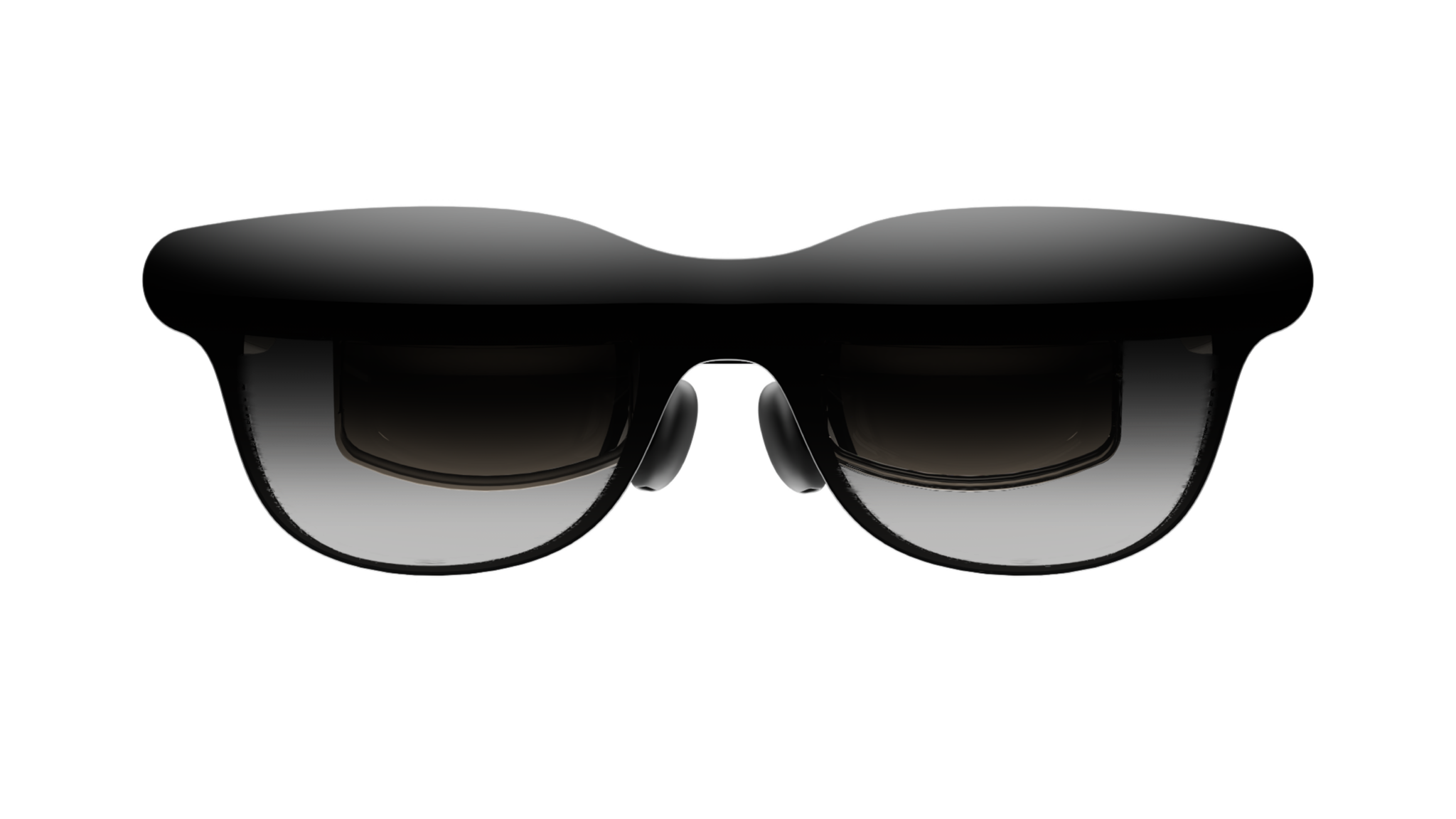
Most AR glasses on the market try to be one device that does everything, and that compromise usually shows up in weight, battery life, or how silly you look wearing them in public. RayNeo splitting the lineup into a productivity pair and an entertainment pair is a bet that people will tolerate owning two specialized devices if each one actually nails its job. It's also a signal that the AR glasses market is maturing past the single hero product phase.
The multi-LLM angle on the iO is worth watching too. Letting users toggle between Gemini, ChatGPT, Claude, and DeepSeek inside the companion app avoids locking wearers into one AI ecosystem, which matters if you're wearing the thing on your face for two days straight.
Key details
The iO runs on a 240mAh battery rated for up to two days of typical use, or about 18 hours of continuous recording. A four-mic array paired with a bone conduction sensor handles voice capture, and there's no built-in speaker at all, so audio output isn't part of the experience. Translation runs through Timekettle's BabelOS 3.0, covering 55 languages and 109 accents with roughly one second of latency.
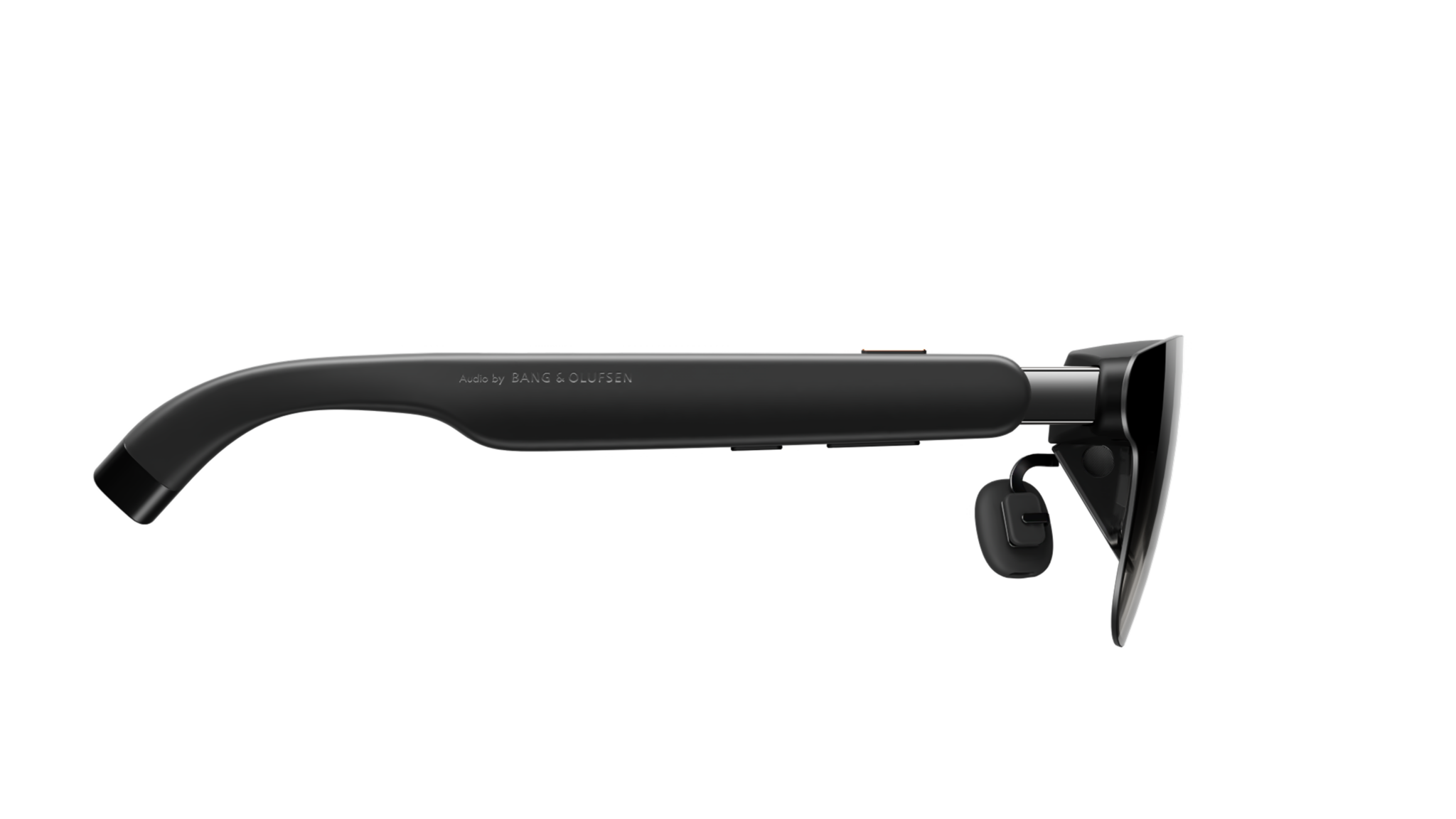
On the GT side, the GT Max offers a 59 degree field of view and three screen size presets: 227-inch, 267-inch, and 307-inch. Audio comes from a Bang & Olufsen-tuned quad-speaker setup with head tracking, and a dedicated Zone 360 chip handles motion stabilization so the screen doesn't jump around on a train or in turbulence. The GT Max also ships in three IPD sizes to fit different face shapes, something a lot of AR glasses skip entirely.
| Spec | RayNeo iO | RayNeo GT | RayNeo GT Max |
|---|---|---|---|
| Function | Productivity & AI | Portable AR media | Cinema-grade display |
| Weight | 33g | 68g | 78g |
| Field of view | 23.5° | 46° | 59° |
| Max display size | Text overlay | 231-inch | 307-inch |
| Audio | Bone conduction, no speaker | B&O quad-speaker | B&O quad-speaker |
Takeaway
RayNeo is holding pricing for the IFA 2026 stage on September 4, so the real verdict on both lineups waits until that number lands. If the iO comes in at a reasonable price, it's a genuinely interesting pitch for anyone tired of pulling out a phone to check a translation or a calendar note. The GT Max is a tougher sell unless you travel enough to justify a dedicated cinema device, but the 307-inch screen and Dolby Vision support put it ahead of most portable AR displays on paper.