


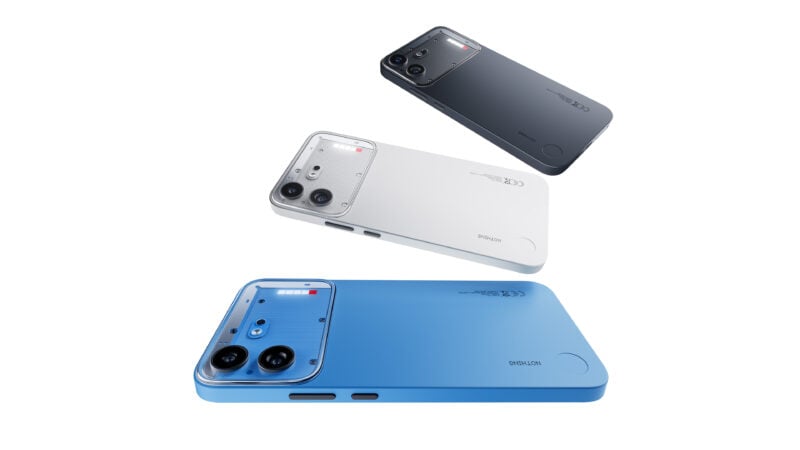
Nothing just dropped two products at once. The Phone (4b) is the brand's first (b)-series smartphone, and it arrives alongside the Ear (3a) earbuds — both going on sale today.
Phone (4b)
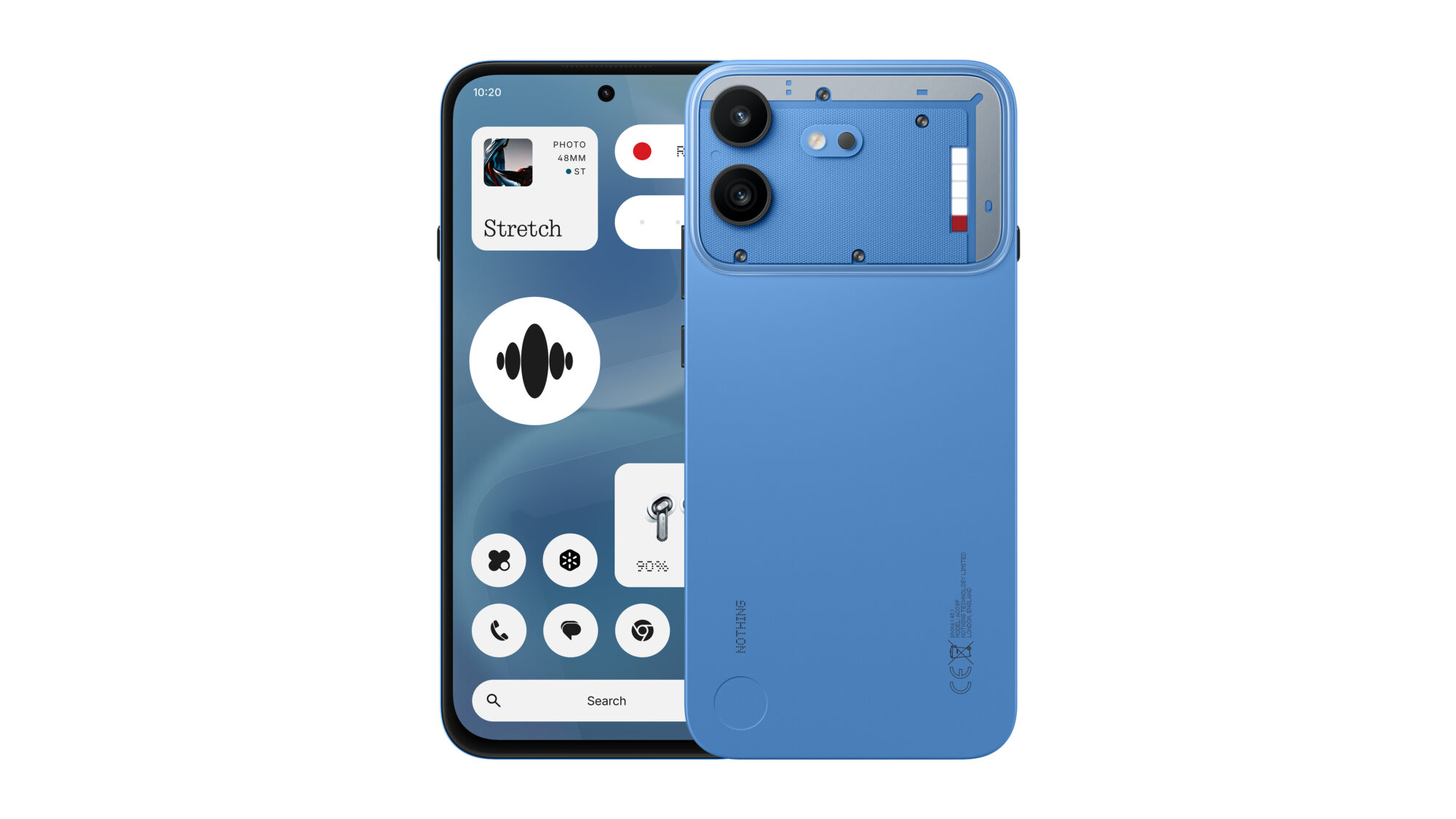
There's a new entry point into the Glyph life. The Phone (4b) is the first device in Nothing's budget-focused (b) series, and it arrives with the biggest battery the company has ever put in a phone alongside a £299 (around $380) price tag.
The Phone (4b) sits below the Phone (4a) series and borrows liberally from it. You get the Glyph Bar from the Phone (4a), the unibody design from the Phone (4a) Pro, and a 6.77-inch Super AMOLED display running at 120Hz with 2,000 nits of peak brightness.
Inside is Qualcomm's Snapdragon 6 Gen 4, a 4nm chip that scores over 1 million on AnTuTu. Nothing claims the 4b's performance is similar to the Phone (4a).
The headline act is the 5,200mAh battery, the largest Nothing has shipped. The company claims up to 18 hours of mixed usage, a full hour more than the Phone (4a), and the cell retains 90% capacity after 1,200 charge cycles. Charging tops out at 33W wired, hitting 50% in under 30 minutes.
Nothing has spent five years building phones that look like nothing else, but the entry price has crept up with each Phone (a) generation. The (b) series resets that. At £299 you're getting the Glyph Bar, the transparent design language, and crucially the same Essential AI suite as Nothing's flagships — the Essential Key, Essential Space, and native ChatGPT integration.
The software commitment stands out at this price too. Three years of Android updates and six years of security patches is the longest support window in the segment, and Nothing OS 4.1 ships on Android 16 out of the box.
Camera
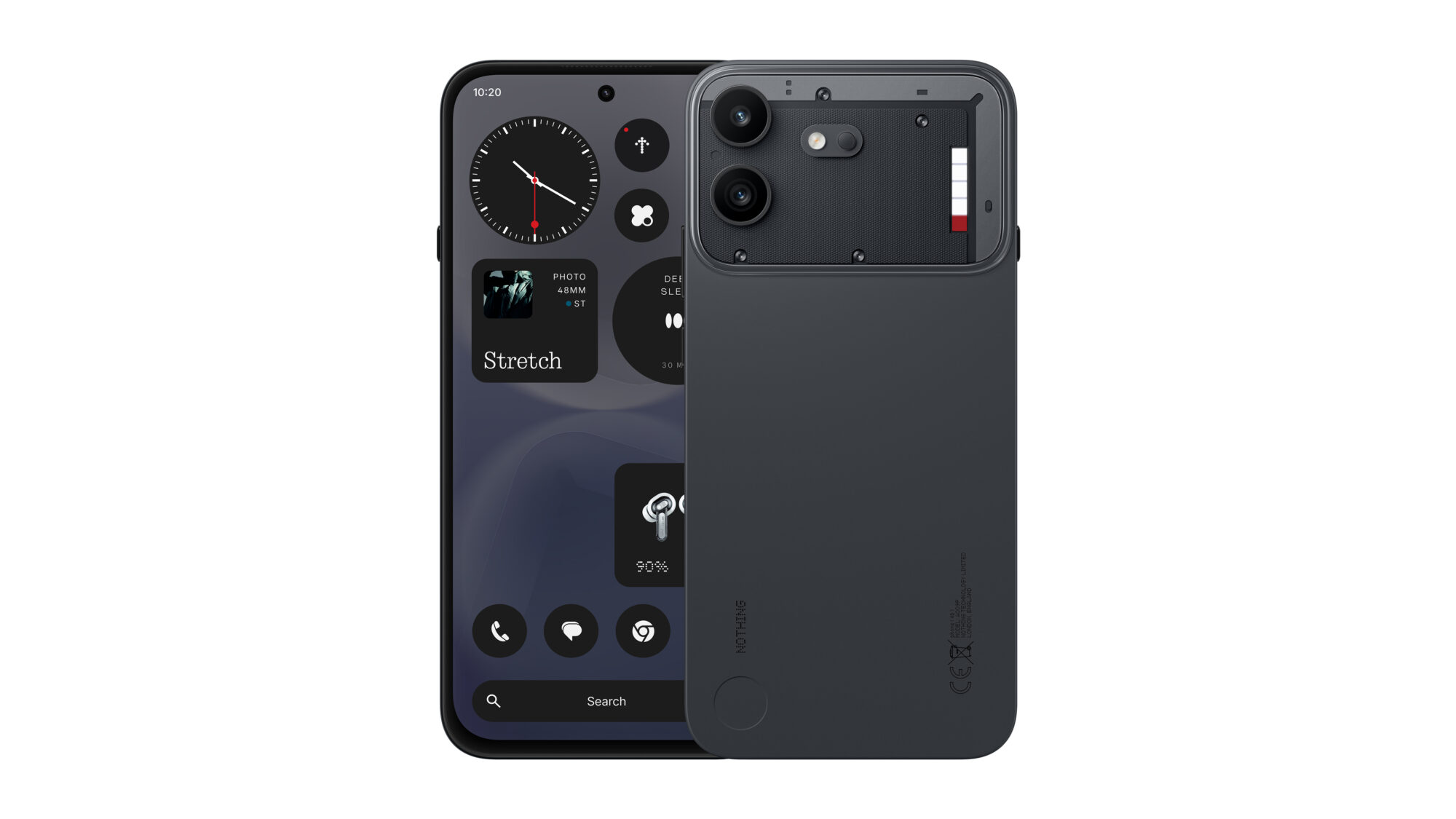
The main shooter is a 50MP sensor with both OIS and EIS, paired with a 119-degree ultrawide. Nothing's TrueLens Engine 4 brings Ultra XDR processing down from the flagships, stacking 13 RAW frames per shot for better highlight and shadow detail.
Video caps out at 4K30, and there's a dual capture mode that records from the front and rear cameras simultaneously. That's a first for this segment, and a genuinely useful one for creators reacting to what they're filming.
Phone (4b) specs
| Spec | Nothing Phone (4b) |
|---|---|
| Display | 6.77-inch Super AMOLED, 120Hz, 2,000 nits peak, HDR10+ |
| Processor | Snapdragon 6 Gen 4 (4nm) |
| Main camera | 50MP with OIS + EIS |
| Ultrawide | 119-degree |
| Battery | 5,200mAh, 33W wired charging |
| Glyph Bar | 45 mini-LEDs, up to 3,500 nits |
| Durability | IP64, 600N bend resistance |
| Software | Nothing OS 4.1 on Android 16, 3 years OS / 6 years security |
| Configuration | 8GB + 128GB |
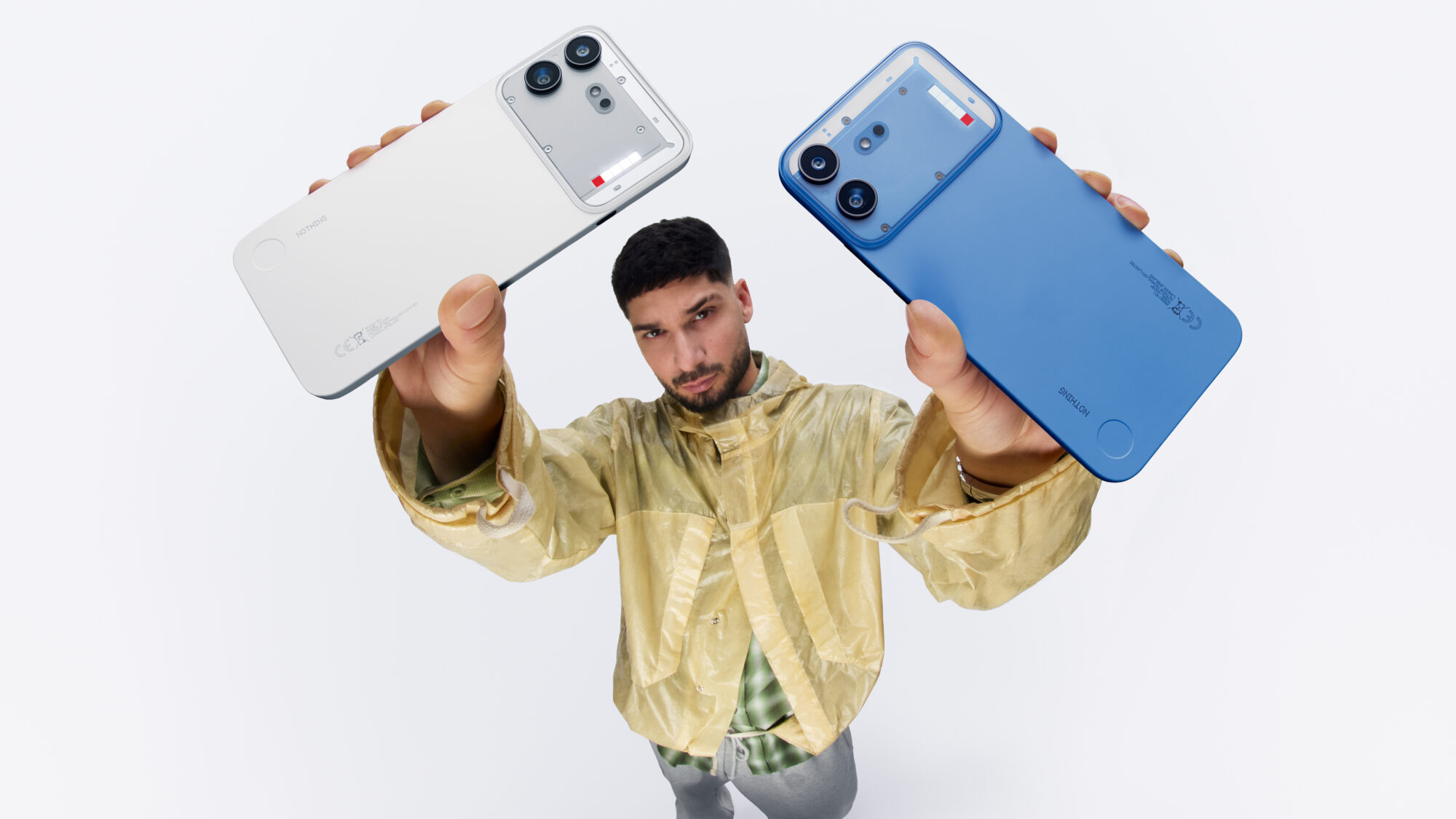
| Colors | Black, White, Blue |
| Price | £299 / €329 |
The Phone (4b) is Nothing distilled down to its essentials: the design, the Glyph Bar, the software, and a battery that should comfortably outlast the day. The single 8GB/128GB configuration feels tight in 2026, and Nothing hasn't announced US pricing or availability yet — this looks like a UK, Europe, and India play for now.
Ear (3a)
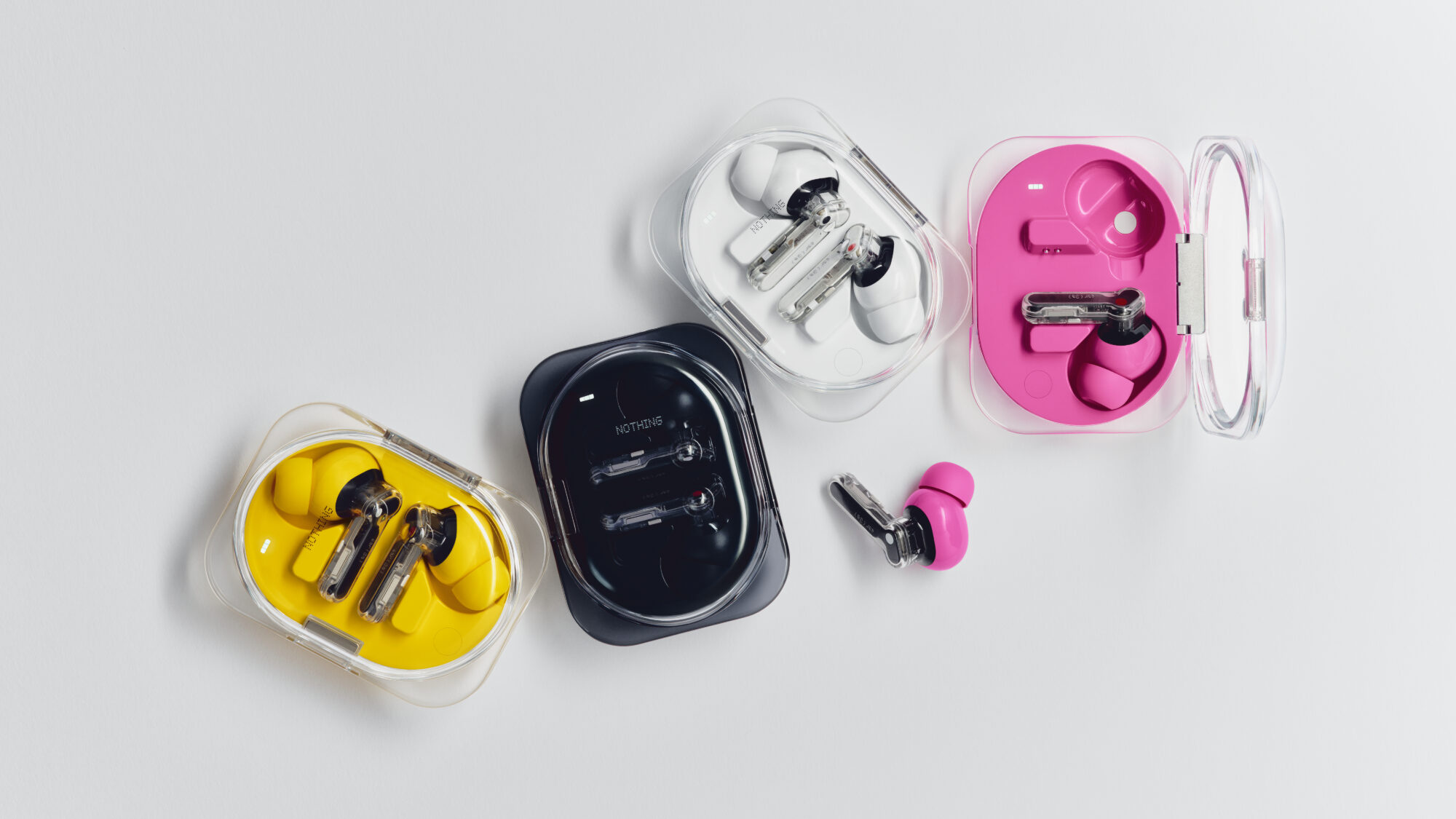
Your earbuds can now take screenshots. Nothing's Ear (3a) packs 32MB of onboard flash storage and a feature called Audio Snapshot, letting you pinch both earbuds to capture a clip of whatever you just heard — and they cost $99, on sale today.
Audio Snapshot is the party trick. Because the buds are always buffering, a pinch captures audio from both before and after the trigger, so you can save the moment in a lecture or voice note you'd otherwise have missed. Clips sync to the Nothing X app for playback, editing, transcription, and even shareable quote cards.
The recording theme continues with call and meeting capture. A gesture starts recording conversations for up to around two hours directly from the buds, with automatic transcripts in the app. A privacy notification alerts everyone on the call when recording is active.
Recording hardware in earbuds has mostly lived in weird niche products until now. Putting it in a $99 mainstream bud from a brand people actually buy changes that, and it gives the Ear (3a) a hook no AirPods competitor at this price can match.
The audio fundamentals haven't been neglected either. A new 12mm dynamic driver pushes bass up to 5dB stronger than the previous generation, and the buds are certified for Hi-Res Audio Wireless with LDAC support up to 24-bit/96kHz. That codec support at $99 remains rare.
ANC and battery
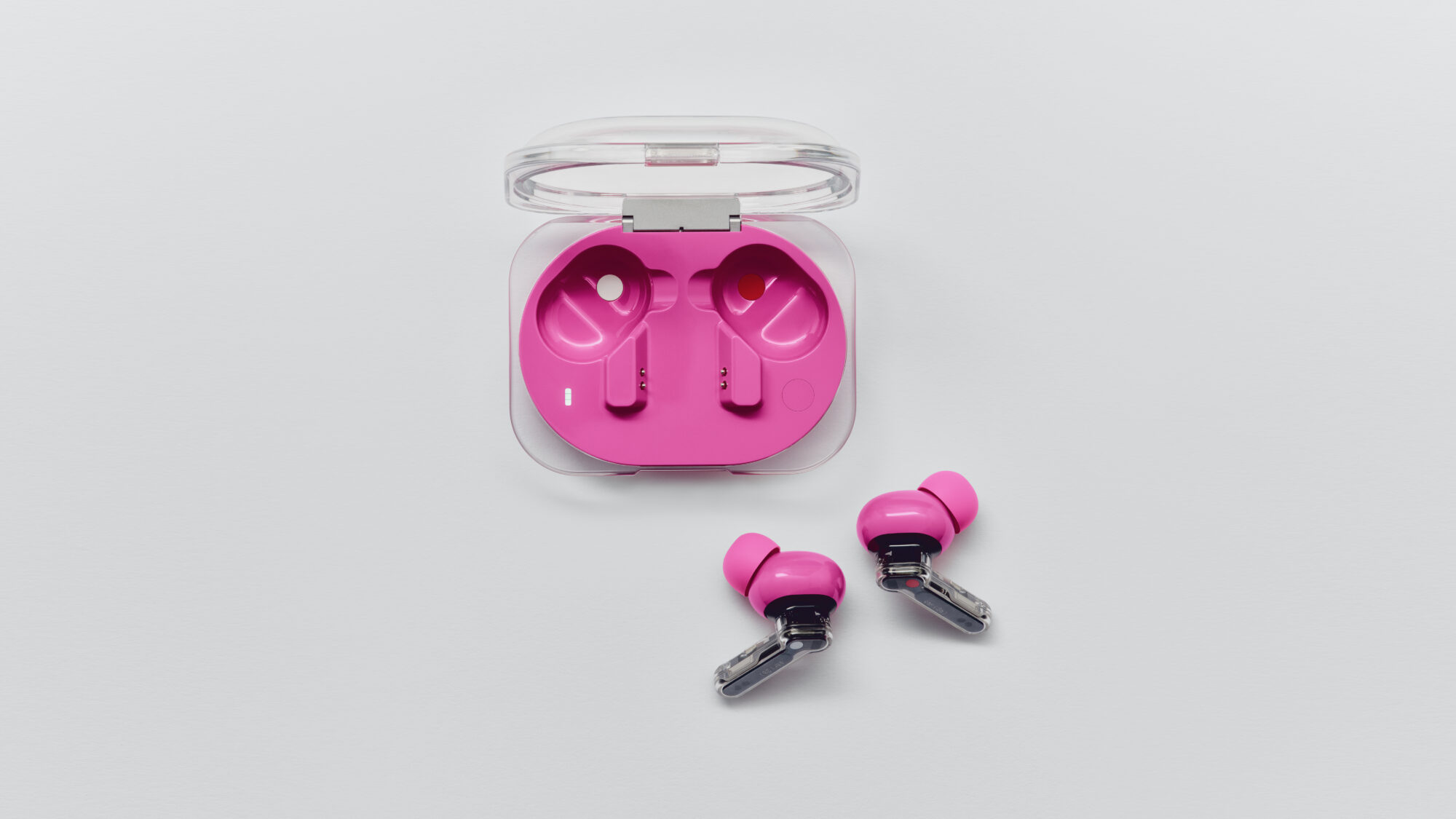
Active noise cancellation reaches up to 45dB, with Nothing claiming a 17.1% improvement in overall coverage over the last generation. The gains are concentrated between 400Hz and 2,000Hz, which is where most real-world annoyances like chatter and train rumble live.
Battery life runs to 10 hours per charge with ANC off, or 42 hours total with the case. Switch ANC on and those figures drop to 6 and 25 hours. A five-minute top-up buys you roughly an hour of playback.
Ear (3a) specs
| Spec | Nothing Ear (3a) |
|---|---|
| Driver | 12mm dynamic, PMI diaphragm |
| Codecs | LDAC, Hi-Res Audio Wireless certified (24-bit/96kHz) |
| ANC | Up to 45dB Wideband ANC |
| Recording | Audio Snapshot, call recording up to ~2 hours, 32MB storage |
| Battery (ANC off) | 10 hours buds, 42 hours with case |
| Battery (ANC on) | 6 hours buds, 25 hours with case |
| Mics | Three per earbud with AI noise reduction |
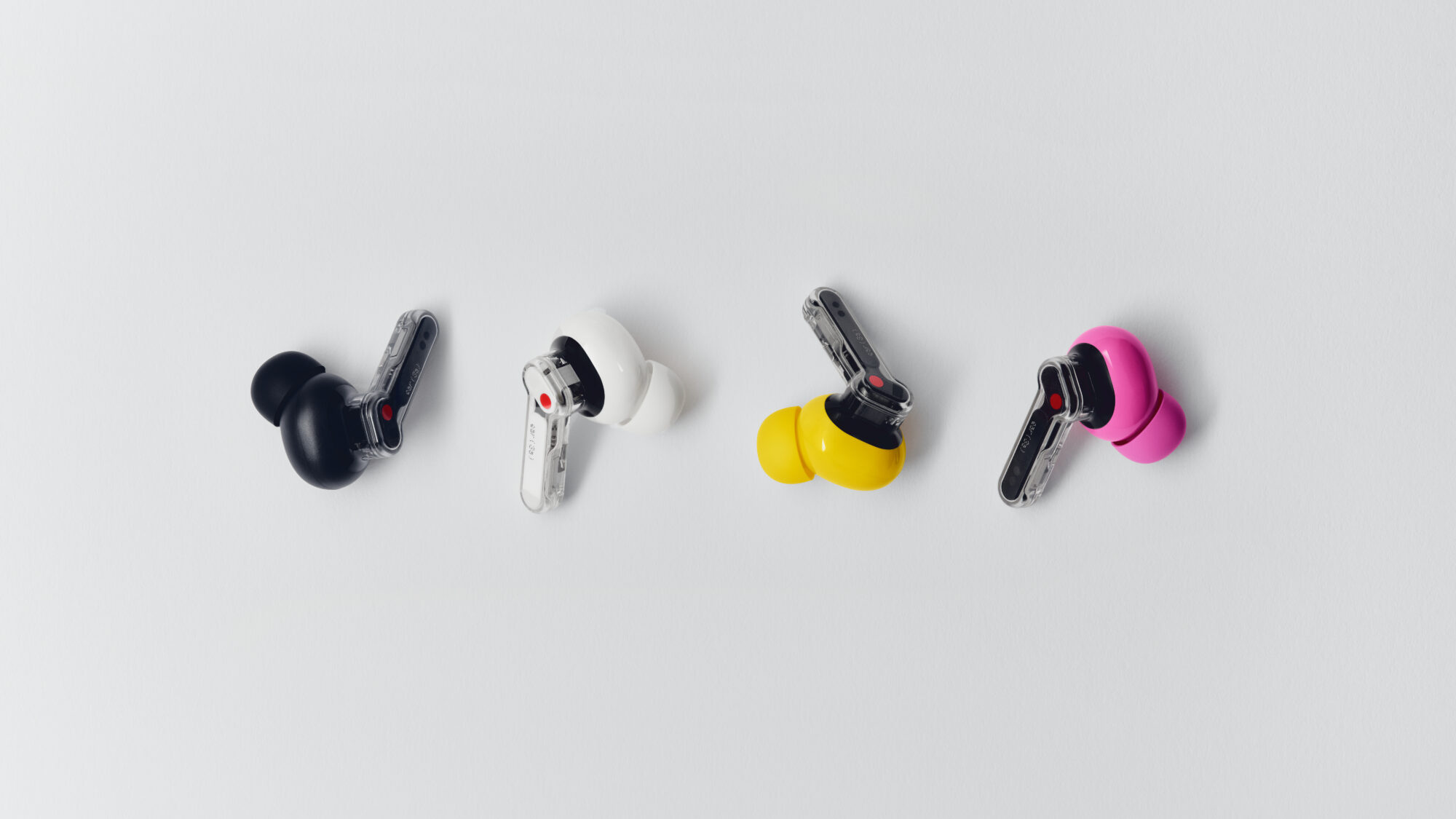
| Colors | Black, White, Yellow, Pink |
| Price | $99 / £99 / €99 |
The Ear (3a) takes a proven formula and adds a feature nobody else is offering at this price. If you sit through lectures, meetings, or calls you wish you could rewind, these buds solve a real problem for $99. If you just want music, the LDAC support, bigger driver, and improved ANC still make a strong case on their own. Available now from nothing.tech.