

The Song That Nearly Missed the Ship
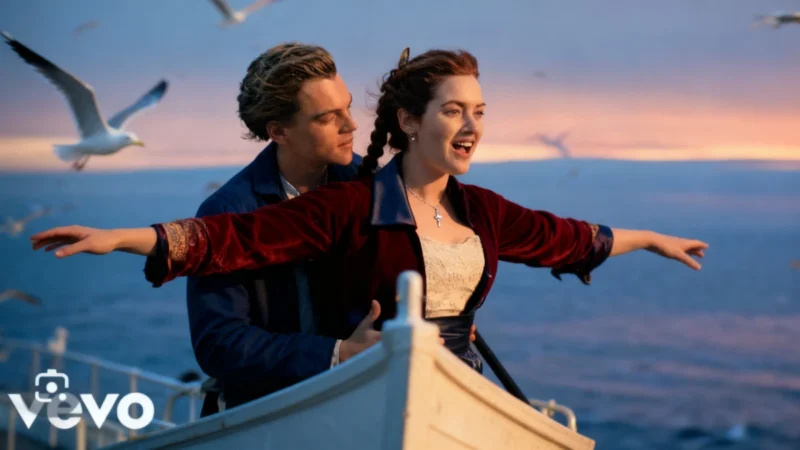
It might seem impossible to imagine Titanic without its signature song, but “My Heart Will Go On” almost didn’t make the final cut. The anthem's inclusion was the result of remarkable coincidences, quiet persistence, and a simple misunderstanding.
While Jack and Rose’s romance was central to the story, Cameron was opposed to ending the film with a radio-friendly love ballad. He feared a song like that would feel like a marketing move and detract from his artistic intent.
Behind Closed Doors and a Misunderstood Sketch
Composer James Horner, however, believed the audience needed an emotional release after witnessing the film’s tragedy—and a final surge of hope. Working in secret, Horner developed a melody he labeled as a “sketch” and sent it to Cameron. The label suggested this was merely a rough idea. Cameron misunderstood, thinking it was meant for the scene where Jack sketches Rose, so he played the music over that sequence and was enchanted by the result.
That “sketch” stayed in the film, its evolving arrangement mirroring the blossoming love between Jack and Rose and the enduring memory of love for the older Rose. The music started simply and grew in complexity as the film progressed.
Lyrics, Reluctance, and the Demo That Stuck
Horner wanted lyrics that would deepen the emotion, so he brought on Will Jennings, known for songs like “Up Where We Belong,” “Higher Love,” and “Tears in Heaven.” Jennings spent weeks creating lyrics that reflected not just young love, but love from an older person’s perspective.
Celine Dion was the obvious choice to sing it, given her global fame, but she was initially uninterested. With movie soundtracks and an Oscar for “Beauty and the Beast” already to her credit, Dion reportedly hesitated out of concern it would slow down her career. Yet she eventually agreed to try. Arriving only partly warmed up and with coffee-fueled vibrato, Dion delivered a first recording. By the time she finished, those in the studio were moved to tears. That demo was so powerful, it became the version used in the final film.
The Final Approval
Only one step remained: convincing Cameron. Horner, understanding it had to be the right moment, carried the tape with him for weeks. When Cameron was in good spirits, Horner played him the song. The response made history: the song wasn’t just included—it went on to win awards and became inextricably linked to the film.
Looking back, it’s remarkable how many things had to fall into place for one song to become synonymous with one of cinema’s biggest blockbusters. Now, more than a quarter century after the film’s release, “My Heart Will Go On” remains every bit as moving and unforgettable as Titanic itself.