


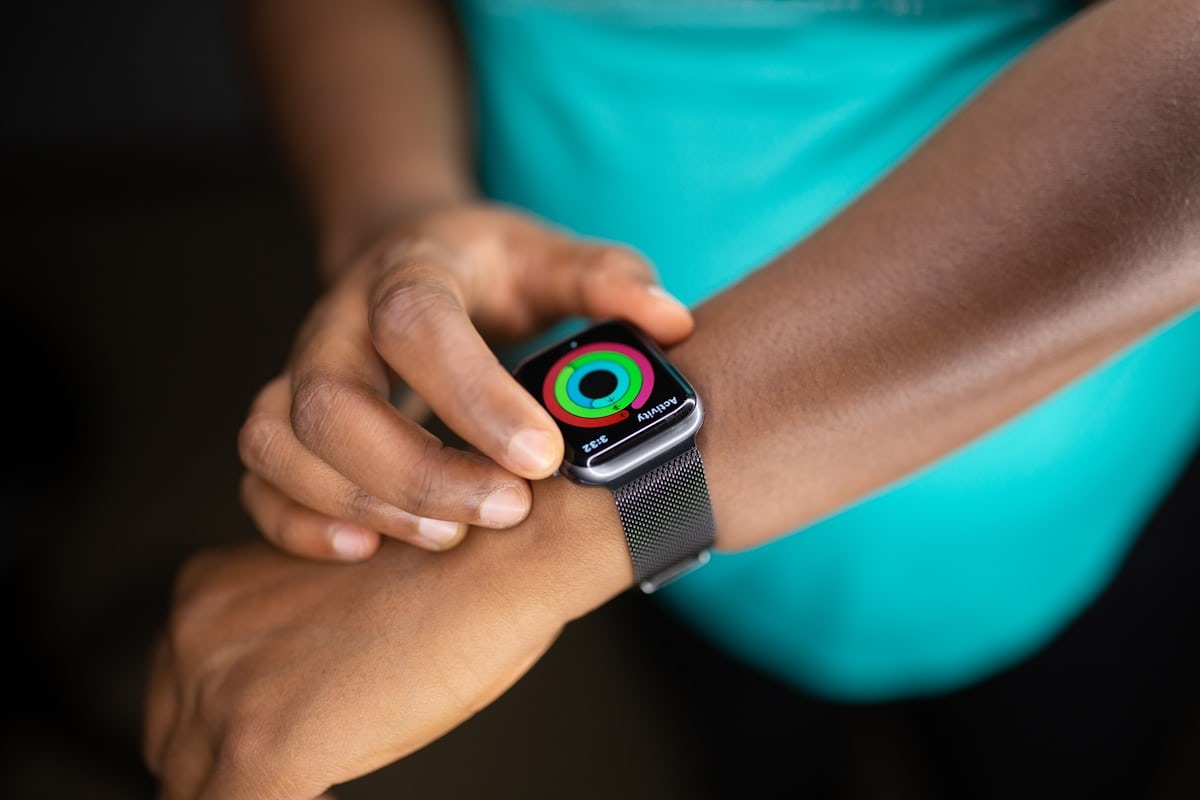
The use of digital health devices is fast becoming a rising trend in the healthcare sector. Medical practitioners often recommend them to patients and to people seeking to better manage their health. These electronic tools can monitor vital signs such as heart rate, body temperature, blood pressure, sleep patterns, and even oxygen levels.
Specialized devices can perform high-level analysis and alert users to possible health risks. Keep reading to learn more about the benefits of digital health devices that make them indispensable in patient care and personal health management.
Early Detection of Health Issues
Several people have experienced unexpected health crises that could have been predicted and managed with timely intervention. However, many symptoms go unnoticed due to the lack of early detection methods. Digital health devices address this challenge by notifying users of abnormal readings immediately.
Healthcare technology devices use a proactive approach, enabling users to seek medical attention before complications arise or illnesses worsen. More use cases evolve as companies like Samsung explore innovations that will enable smartphones to detect dementia and decline in brain health before symptoms manifest.
Real-Time Health Monitoring
With health tech devices, people no longer need to set aside time for routine manual checks regularly. The tools use sensors to detect signals and convert them into accurate readings. Since they don’t require manual input, this process can happen while you perform your daily activities.
Modern health devices keep detailed logs of all relevant information that users can always reference when visiting their physicians. Hence, it becomes easier for healthcare providers to identify patterns, especially when complemented with reports from mental wellness apps.
Reduced Hospital Visits
Electronic wellness devices aid continuous monitoring regardless of location. As a result, people with mobility issues can manage minor situations at home by communicating readings to medical professionals over the phone. Some devices remind patients of the appropriate times to take their medication, and this leads to better outcomes in long-term treatment plans.
Thus, patients can save on transportation costs, and facilities face less pressure as the number of walk-in patients declines. Medical staff, therefore, channel their resources to patients in critical condition, thereby improving the speed of care.
Greater Independence for Aged Patients
Adults aged 60 and above often require assistance with daily activities. However, this is limiting as their families often have other engagements that make constant supervision difficult. In the absence of physical support, aged people often rely on digital assistive devices to go about their routines with less risk.
Older adults can regain a sense of control and develop confidence in their abilities. In combination with support services like senior home care, older people can live independently. Support staff may be hired to provide regular assistance, while family members check in whenever their schedules allow.
Personalized Healthcare Experience
Digital health devices can integrate, enabling seamless data transfer. This function supports the creation of individual user profiles that contain details on their current and past health status.
As a result, there is greater data visibility and an accurate record from which doctors can collect information before tailoring treatment approaches. Since these tools keep track of changes, medical professionals can also use their reports for analysis before adjusting care plans.
Endnote
The application of technology in healthcare has improved individual well-being through ongoing monitoring, predictive analysis, and responsive care. Digital health tools help people notice signs of illness early and reduce hospital visits through health tracking. They also promote independence among seniors and provide doctors with information to tailor treatment plans.