


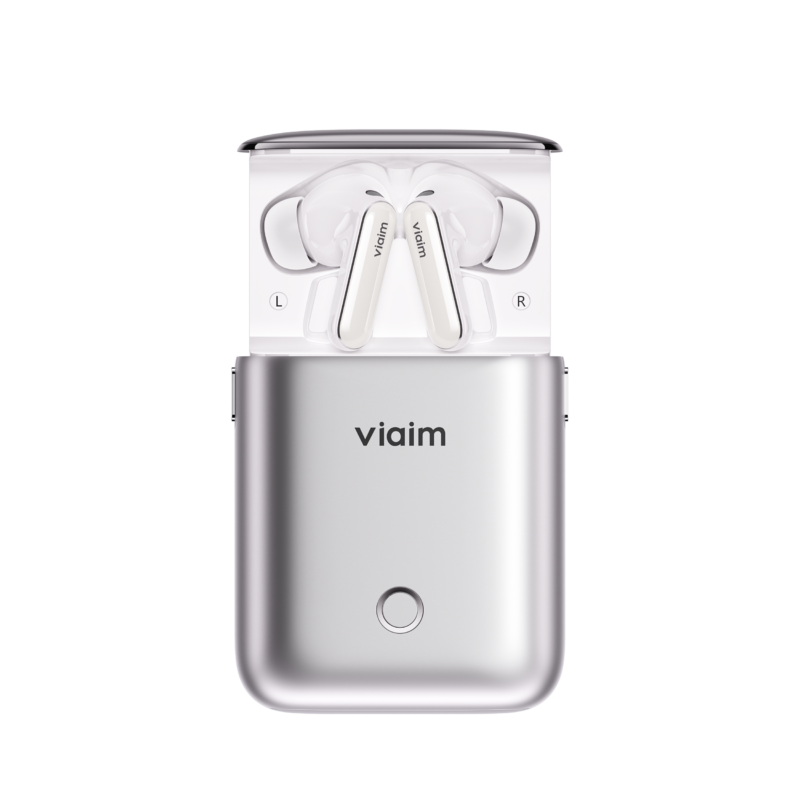
Most AI earbuds put all the smarts in the buds themselves. viaim's new Rise flips that, building a three-microphone recording array into the charging case and treating the earbuds as the secondary device.
What's new
Rise debuts at IFA Berlin and launches on Indiegogo the same week, priced at an estimated $399 MSRP. The signature feature is a press-to-rise case that physically lifts the earbuds out when pressed, doubling as a quick-recording trigger and a desk-side capture angle for meetings.
The earbuds run an “Always-on Listening” mode that builds structured memory of conversations, topics, decisions, open questions, in roughly five-minute segments without retaining the underlying audio unless a recording is started explicitly. Through what viaim calls Vitana AI, captured conversations can route into tools like Claude Code, Codex, and Google Workspace as drafts and task lists.
Why it matters
This is a earbuds pitch aimed squarely at a specific type of buyer: developers, consultants, and other professionals already living inside AI coding and productivity tools, not a general-audience audio product. The privacy framing (no raw audio retention in real-time mode, SOC 2 Type II attestation, GDPR compliance program) is clearly there to preempt the obvious “always listening” concerns.
Key details
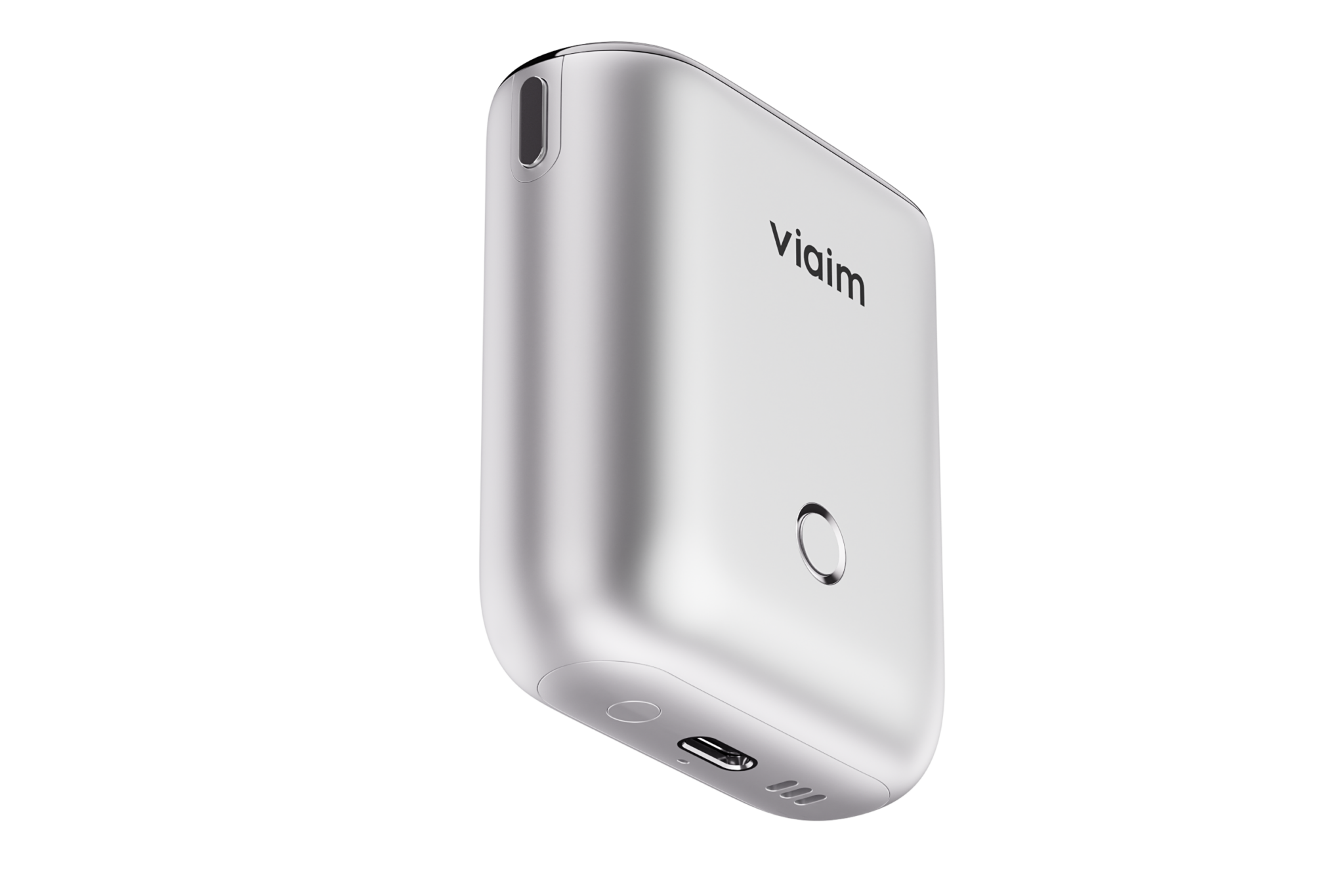
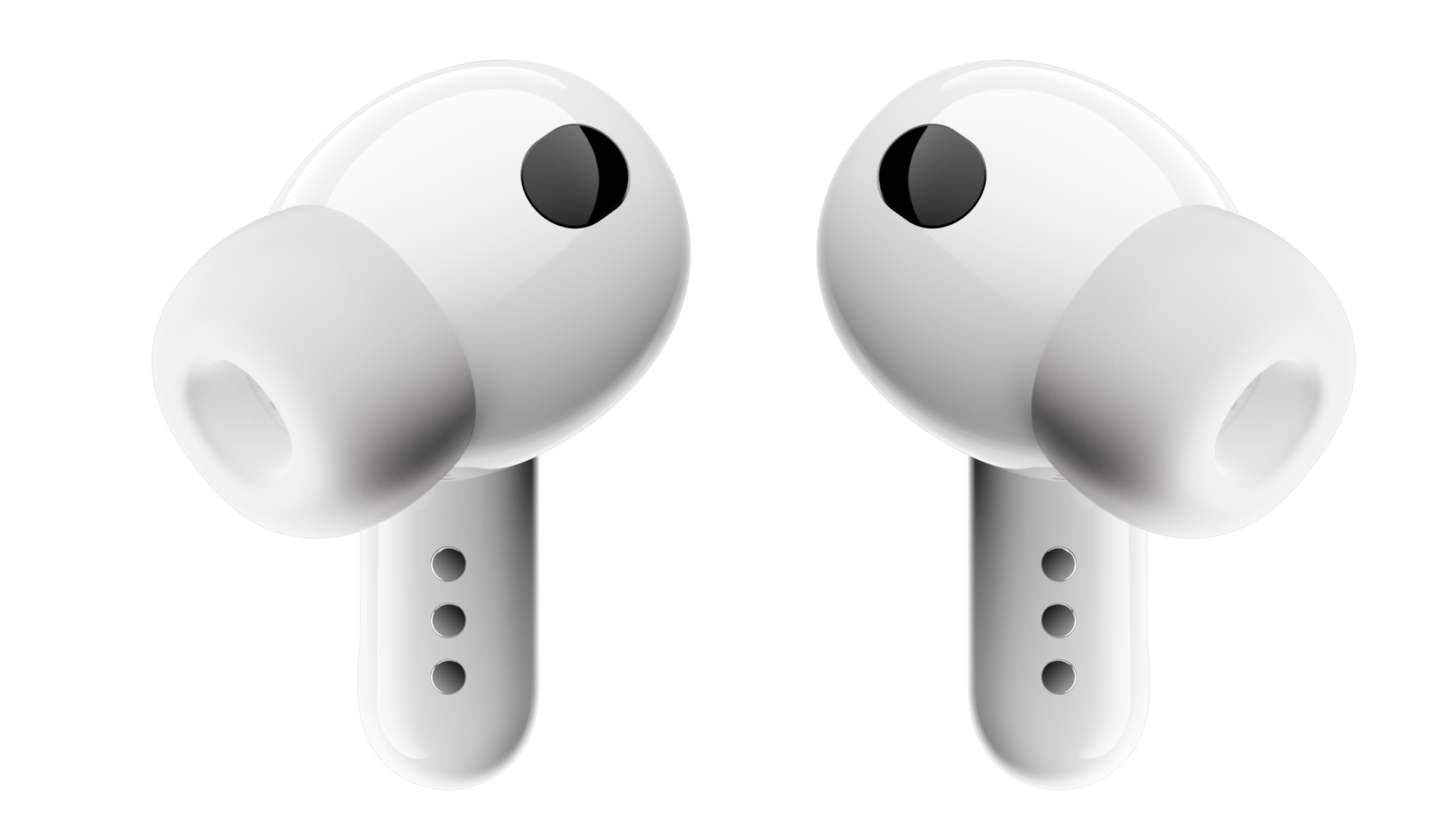
- Dual-driver design: 11mm woofer plus 6mm tweeter, Hi-Res Audio Wireless certified, LDAC/LHDC codec support
- 11-microphone array including a bone-conduction sensor for call clarity and transcription accuracy
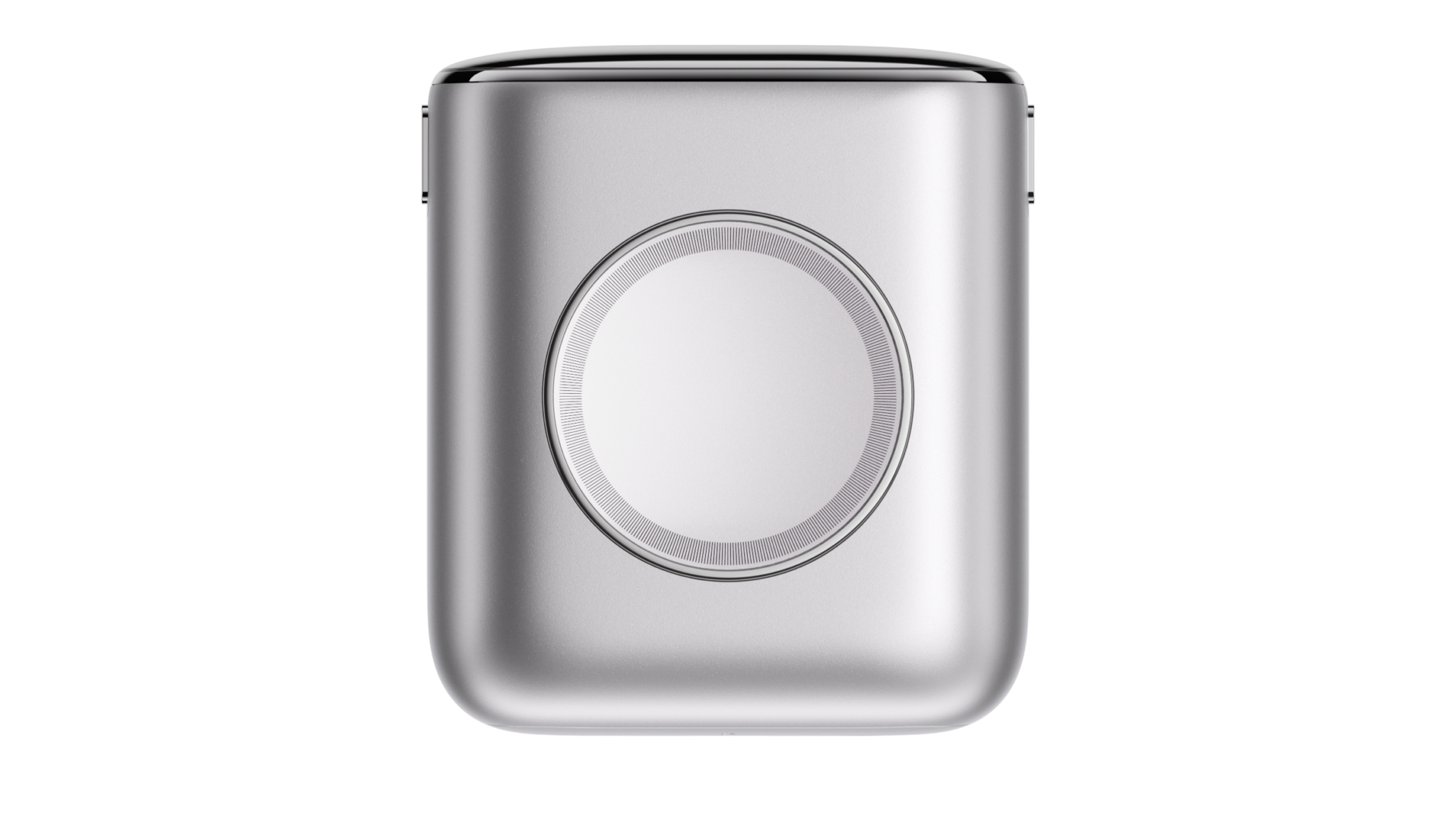
- Apple MFi and Google Fast Pair support, Apple Find My integration, MagSafe charging
- Task routing integrations planned for Google Workspace, Codex, Claude Code, Cursor, and Copilot, availability varies by region
- On demo at Booth 225, Hall 8.2 (Audio) at IFA Berlin
- Indiegogo campaign launches August 31, 2026, with early-backer pricing announced at campaign launch
Takeaway
Rise is a bet that the charging case, not the earbud, is where the AI value actually lives. Whether that lands depends on how well the Vitana layer handles real meetings, which we won't know until review units are out.