



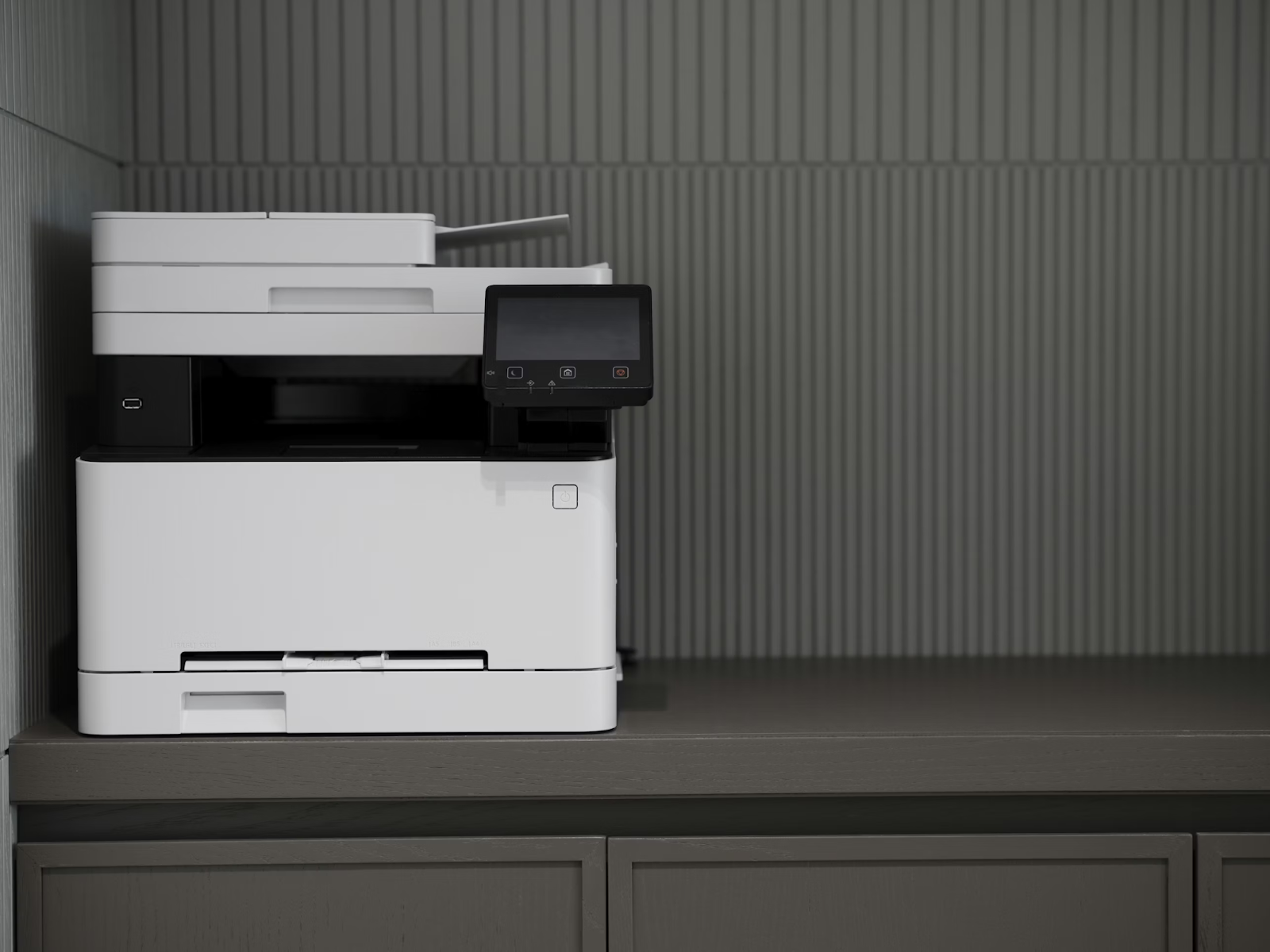
At first, buying office printers can seem like the sensible choice. A one-time payment feels clean, familiar, and easy to explain in a budget meeting. The machine arrives, the team uses it, and the expense appears settled. On paper, that old-school approach looks stable. In practice, though, printer ownership often becomes more expensive over time than expected.
That shift usually becomes visible when printing is no longer a small side task but a real part of daily operations. At that point, the logic starts to resemble the way a Game Development Company reviews tools and infrastructure: not by asking what looks cheaper on day one, but by asking what stays efficient month after month. Once printing begins to demand constant attention, ownership can quietly turn into a drain on time, cash flow, and internal energy.
The Moment Ownership Starts Working Against the Budget
A purchased printer is rarely just a purchased printer. The invoice may cover the hardware, but the real story continues after installation. Toner, repairs, replacement parts, downtime, service calls, and outdated functionality begin stacking up in the background. None of those costs look dramatic alone. Together, they build a slow, annoying leak in the budget.
This is often where businesses get stuck in a strange middle zone. The printer still works, so replacing it feels unnecessary. At the same time, keeping it alive becomes increasingly inconvenient. The machine starts behaving like an aging car that still drives but always needs something. A paper jam here, a maintenance visit there, a supply issue the week invoices need to go out. Nothing catastrophic, just constant friction.
Leasing starts to make more sense when ownership creates unpredictability. Many businesses do not move to leasing because printers disappear from the workflow. The opposite is usually true. Printing becomes important enough that unreliable equipment starts to hurt daily operations.
Clear Signs the Buying Model Is No Longer Efficient
A business usually reaches the tipping point gradually. There is no dramatic siren. Just a series of signals that become too obvious to ignore.
Warning Lights That Deserve Attention
- Printing costs keep appearing in unexpected places rather than staying within a stable monthly plan.
- Equipment becomes outdated faster than the accounting cycle makes comfortable.
- Internal staff lose time dealing with printer issues instead of doing actual business tasks.
- Repair costs begin to feel less like rare incidents and more like routine overhead.
- Printing needs grow, but current devices cannot scale without more capital spending.
These signs matter because they show a deeper issue. The problem is not only the printer itself. The problem is that ownership puts the burden of performance, maintenance, and replacement on the business. That may work for a small office with occasional printing. It becomes far less attractive when output volume rises or workflows become more demanding.
Leasing Turns Printing Into a Managed Business Function
Leasing changes the conversation from ownership to usability. Instead of pouring money into equipment that slowly ages on-site, a business pays for access, service, and continuity. This approach often fits modern budgeting better because it replaces sudden costs with predictable ones.
That predictability matters more than many teams expect. Cash flow stays easier to manage when printing becomes a regular operating expense rather than a cycle of surprise purchases and repair bills. It also becomes easier to upgrade. No business wants to explain why an expensive machine bought three years ago already feels outdated, but that is exactly how office technology behaves.
Another advantage is speed. When printers are leased through a proper service arrangement, maintenance is usually part of the structure rather than a separate emergency. That means less chaos, fewer interruptions, and less time spent arguing with machines that seem personally offended by productivity.
Why Leasing Often Feels Smarter in the Long Run
The strongest case for leasing is not about novelty. It is about control. Businesses that lease often gain a clearer picture of what printing actually costs and what level of service is being paid for.
What Leasing Usually Improves
- Monthly expenses become easier to forecast and explain.
- Access to newer technology comes without repeated full purchase costs.
- Service and maintenance are often bundled into the agreement.
- Downtime tends to be shorter because support is already built into the model.
- Scaling up or adjusting device fleets becomes simpler as business needs change.
This structure is especially useful for offices with steady print demand, multiple departments, or client-facing documentation. In those environments, printing is not a random office extra. It is part of operations. Once something becomes operational, patchwork solutions stop being charming and start becoming expensive.
The Real Question Is No Longer “Can the Business Buy?”
By the time leasing becomes the better option, the business usually can still afford to buy. That is not the issue. The better question is whether buying still serves the business well. If printer ownership brings unstable costs, outdated hardware, repeated disruptions, and hidden labor waste, the answer becomes hard to ignore.
At that stage, leasing is not a desperate fix. It is a more disciplined model. It treats printing like an ongoing business need rather than a one-time purchase followed by years of inconvenience. And honestly, that shift is not glamorous, but it is often where smarter operations begin.