




The modern era has shifted the work dynamics. Only a few years ago, automation was a word people used for giant car factories or complex coding projects. Today, it is a silent partner in almost every digital task we perform. From the way we sort our emails to how we manage multi-million dollar projects, automated systems are doing the heavy lifting. This shift is not just about speed; it is about changing the nature of human productivity.
This guide explores the massive growth of digital automation. We will look at how it works, why it is becoming so common, and how it helps individuals and businesses achieve more with less effort. If you want to understand the modern digital landscape, you must understand the rise of the automated workflow.
Shift from Manual to Automated Systems
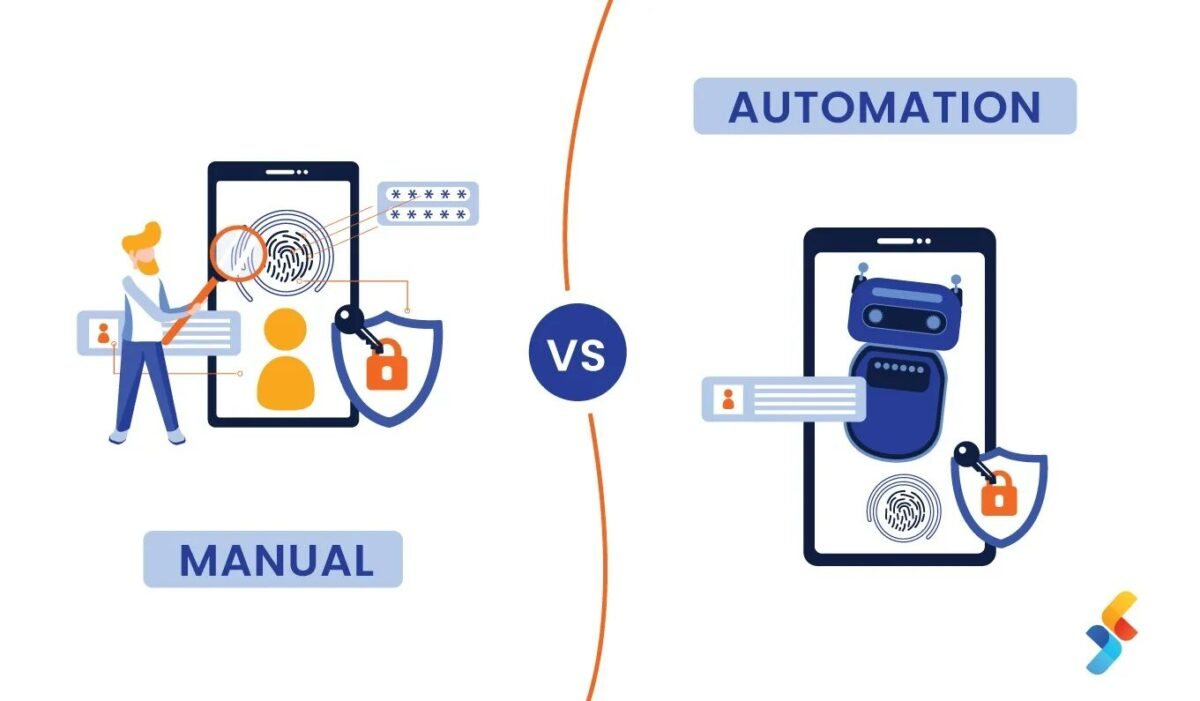
For decades, digital work was manual. If you wanted to move data from a spreadsheet to a presentation, you had to copy and paste it yourself. If you wanted to schedule a meeting, you had to send back-and-forth emails until everyone agreed. These small tasks are friction. They take up time and mental energy that could be spent on creative or strategic thinking.
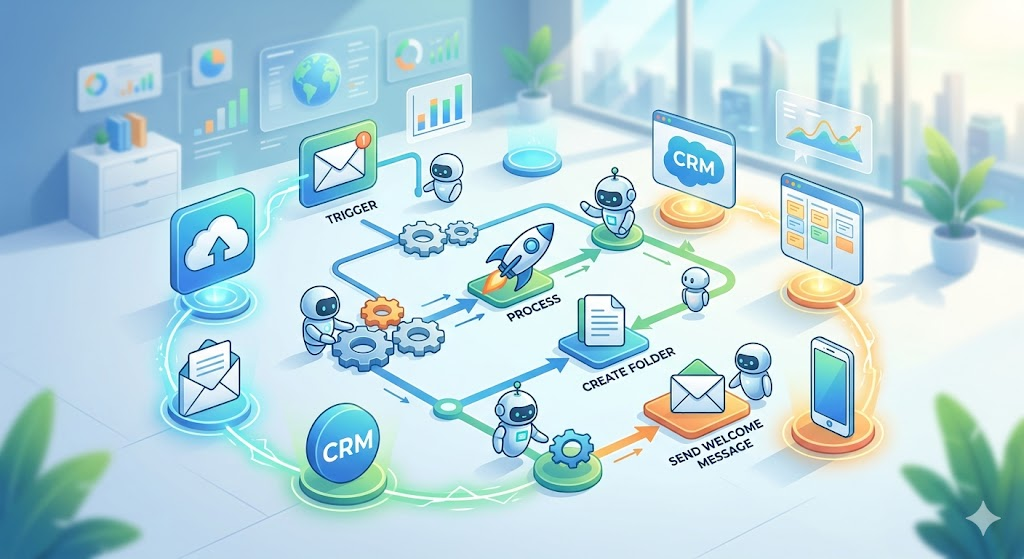
Modern automation removes this friction. We now use no-code and low-code tools that allow anyone to build a bridge between different apps. For example, a simple trigger can now detect when a new client signs a contract, automatically create a folder in the cloud, and send a welcome message to the team. This happens in seconds without a human touching a keyboard.
Role of Artificial Intelligence in Workflows
While basic automation follows simple “if this, then that” rules, Artificial Intelligence (AI) has added a layer of intelligence. AI can now make decisions within a workflow. Instead of just moving a file, an AI-powered system can read the file, summarize its contents, and decide which department needs to see it based on the priority level.
We see AI being used to handle complex scheduling, email drafting, and even initial customer support. Statistics show that businesses using AI-driven automation see a 30% increase in overall output within the first six months. This is because the technology does not just follow a path; it optimizes it. It learns from past mistakes and suggests better ways to get the job done.
Automation in Communication and Collaboration
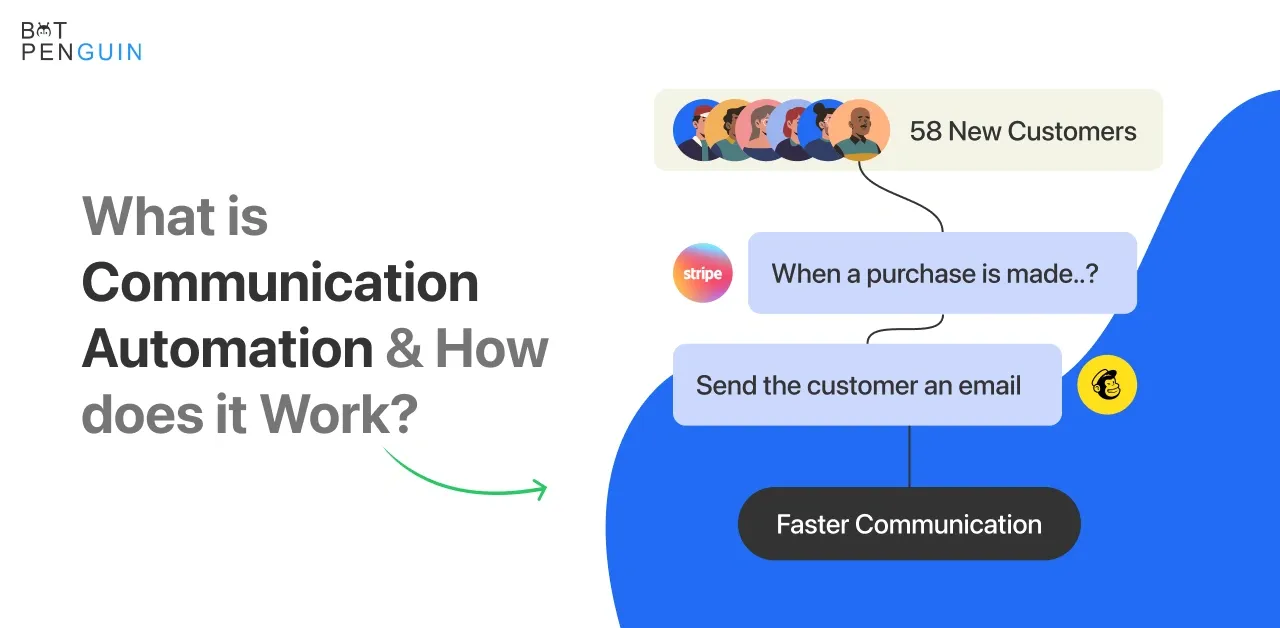
Communication is the area where most people feel the impact of automation daily. We now have smart inboxes that categorize our mail before we even open the app. Collaboration tools like Slack or Microsoft Teams use bots to manage stand-up meetings, track project progress, and even check on the mood of a team.
For a global workforce, this is essential. Automation can bridge time zones. If a team member in London finishes a task, an automated workflow can immediately notify a teammate in New York and provide them with all the necessary context. This ensures that the work never stops moving. It removes the waiting period that used to slow down international business.
Data Management and Real-Time Reporting
In the past, generating a monthly report was a task that took days. Someone had to gather data from sales, marketing, and finance, and then turn it into a chart. In 2026, this process is instantaneous. Automated data pipelines pull information from every corner of a business and feed it into a live dashboard.
Jack Ziegler, Founder of Athens Marketing, highlights how automation is redefining decision speed in data-driven environments. “Timing and accuracy are everything in auctions. Automated reporting helps us react in real time, keeping pricing and demand aligned with current market conditions.”
This real-time reporting allows leaders to make better decisions faster. If a marketing campaign is underperforming, the system can flag it immediately. It can even pause the spending or shift the budget to a more successful channel automatically. This level of agility is what separates successful companies from their competitors. Data is no longer a historical record; it is a live map of the business.
Security and Compliance in Automated Workflows
As automation grows, security becomes essential. Automated systems often handle sensitive data, so businesses must ensure proper protection. Most modern tools include features like access controls, encryption, and activity tracking to keep workflows secure.
Karina Simonovič, Marketing Manager at OptimalWarranty, emphasizes that automation without structured oversight can quickly become a liability. “As workflows become more interconnected, the real challenge is not just efficiency, but control. Businesses that treat automation as a risk-managed system, rather than a convenience tool, are the ones that maintain both speed and long-term stability.”
Compliance is also important, especially in regulated industries. Workflows must follow data protection rules and internal policies. Clear visibility into how data moves between systems helps reduce risks and maintain trust. A strong setup ensures automation remains both efficient and safe.
Democratization of Automation Tools
Perhaps the most important part of this rise is that automation is no longer just for tech giants. The tools are democratized. Small business owners, freelancers, and students are all using automation to stay organized. With simple drag-and-drop interfaces, a person with no coding knowledge can build a complex workflow in thirty minutes.
Challenges and the Human Element
Despite the benefits, the rise of automation does bring challenges. There is often a fear that automation will replace human jobs. However, the data suggests a different story. While some tasks are disappearing, new roles are being created that focus on managing these automated systems. The most successful workers are those who know how to work alongside technology.
Logan Peranavan, CEO of TapestoDigital UK, believes automation should enhance, not replace, human judgment. “The real value of automation is not in removing people from the process, but in giving them better clarity and control. When teams rely too heavily on systems without context, efficiency improves, but decision quality can decline.”
There is also the risk of over-automation. If a workflow becomes too rigid, it can lose the human touch. Customers still want to feel like they are talking to a person when they have a complex problem.
The goal of a good digital workflow is to automate the boring parts so that humans have more time to be human. Finding this balance is the key to building a brand that is both efficient and empathetic.
Future Trends in Digital Workflow Automation
Automation is evolving into more intelligent systems. With AI and machine learning, workflows can now adapt, learn, and improve over time. Instead of just reacting to triggers, future systems will anticipate needs and act early.
Another key trend is personalization. Automated workflows will deliver tailored experiences at scale, from marketing to customer support. As technology advances, automation will shift from simple tasks to building smart, adaptive systems.
Wrap Up!
The rise of automation in everyday digital workflows is not a trend; it is a permanent shift in the way we live and work. We have moved past the era of manual labor for digital tasks. We are now in the era of strategic orchestration. We use our minds to design the systems, and we let the systems do the repetitive work.
This evolution allows us to be more productive, more accurate, and more creative. By embracing these tools, we can solve larger problems and focus on the work that truly matters. As technology continues to advance, the silent partners in our digital workflows will only become more capable, allowing us to reach new heights of human achievement.

