



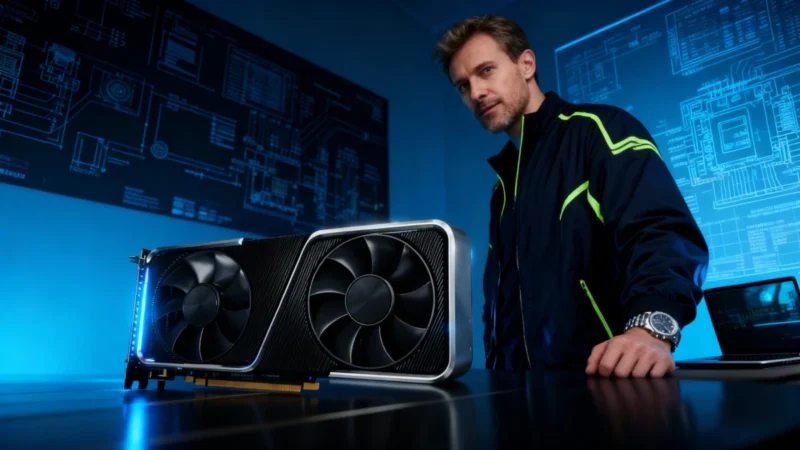
PC gamers and tech enthusiasts, take note: Nvidia’s next generation of graphics cards could mark a risky turning point. Widespread leaks about the long-rumored RTX 60 series have surfaced, and they’re already fueling both intrigue and controversy. Could this be a bold step forward for gaming, or will it split the community?
Leaks Suggest Nvidia Is Taking Big Risks
Nvidia’s apparent plan for its future GPUs could be summed up in one word: gamble. According to consistent reports from multiple sources, the RTX 60 series might not just improve on previous generations—it could rewrite the rules entirely. The proposed strategy? Focus almost exclusively on advanced light simulation technologies like ray tracing and path tracing, potentially at the expense of tried-and-true methods gamers rely on today. And anyone eager for an upgrade will have to wait: rumors put the release as late as 2027.
Specs Raise Eyebrows—But With a Trade-Off
If the leaks are accurate, the specs are impressive. The RTX 60 series is reportedly built on the Rubin architecture, produced by TSMC using a 3nm process. The flagship, RTX 6090, could feature a massive 512-bit memory bus paired with 32GB of VRAM. The RTX 6080 and 6070 models might use 320-bit and 256-bit buses, respectively. The aim is to remove any bottlenecks, especially for ultra-high-resolution gaming and the intense calculations required for path tracing.
That surge in memory and bandwidth signals preparation for a new generation of RT Cores (now rumored to be 5th-gen) and Tensor Cores (possibly 6th-gen), hardware dedicated exclusively to accelerating lighting simulations. This represents a major hardware redesign—all to deliver best-in-class photorealistic rendering.
Is Rasterization Performance on the Chopping Block?
There’s a twist that has fans talking: the same leaks suggest traditional rasterization—the standard technique powering the vast majority of today’s games—could see a setback. Reports claim rasterization performance might fall by 30–35% at comparable clock speeds relative to the previous RTX 50 generation. If confirmed, this would be unprecedented. The trade-off is that ray tracing performance may be doubled, shifting the focus clearly toward the future.
Gaming Could Be Entering a New Era
Industry watchers say this could mark a real shift. With future consoles like the PlayStation 6 and upcoming Xbox models rumored to feature much improved ray tracing, Nvidia appears determined not just to match, but to push the whole sector toward making ray tracing essential for high-end gaming.
However, this approach isn’t without risks. Gamers who prefer classic titles or those who value high framerates on less graphically intensive games could lose out if rasterization speeds decline. Nvidia’s bet may force a choice between embracing cutting-edge visual effects or sticking with the smooth gameplay of old-school rendering.
Don’t expect these cards any time soon. The RTX 60 release is still shrouded in uncertainty, and the most consistent rumors suggest availability no earlier than 2027. For consumers, the wait is compounded by speculation that—for the first time in 30 years—2024 passed without any new mainstream desktop graphics cards released for the general public.
The upside? This long runway gives game developers time to adjust, with more studios expected to deeply integrate path tracing into their graphics engines. Remember, these disclosures are very early leaks—more a signal of Nvidia’s strategic thinking than promises of finalized hardware. There’s still plenty of room for technology and plans to change before launch.
For those who need a quick primer: rasterization is the standard method that rapidly converts 3D scenes into the 2D images you see on your screen. It’s efficient and forms the backbone for most games that aren’t built around ray tracing. If the leaks bear out, the huge memory and wide bus of the RTX 6090 will be aimed at handling ultra-high-resolution textures and the heavy computational load of complex light rendering in tomorrow’s games.
Don’t reach for your credit card yet. All of this is based on very early information, and the final specifications could change significantly in the coming years before the official launch.


anyone still buying a Nvidia card has something wrong with them, years of bad support, awful drivers and patches, numerous manufacturing issues and over priced
tbh anyone buying anything tech these days is crazy but unfortunately some of us still have too even with these stupid prices