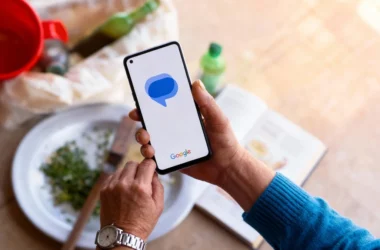



Android devices have evolved far beyond simple communication tools, allowing users to access files, stream content, and connect to services from almost anywhere.
Whether watching entertainment while travelling or logging into remote platforms for work, Android devices now serve as flexible gateways to digital content.
Modern Android smartphones support high-speed streaming, cloud storage access, and remote desktop applications that bring entire digital environments to a mobile screen. Users can move seamlessly between apps, stream video in high resolution, and connect to services hosted across different regions.
This article explores how Google Android supports remote connectivity and content streaming, enabling users to access media platforms, cloud services, and online tools from virtually anywhere while maintaining flexibility across devices and networks.
Remote connectivity and global streaming on Android
Smartphones have become the primary way many people access digital services across borders. Android users frequently stream films, watch live events, or connect to online platforms while travelling or working on unfamiliar networks. As a result, tools that support remote access and private browsing have become a common part of the mobile experience.
Some users choose services like a free VPN to access streaming platforms or connect to remote services on public Wi-Fi. These tools can help route traffic through different servers, which may improve privacy and enable access to content libraries that vary by region.
Streaming platforms, remote work systems, and online services often apply geographic restrictions or network protections that shape how digital content is delivered. Android’s open ecosystem allows users to combine apps, connectivity tools, and streaming platforms in ways that support flexible access across devices and locations.
Android and the growth of remote access tools
The Android ecosystem is designed around connectivity. Millions of apps rely on cloud infrastructure and remote servers to deliver media, gaming services, file storage, and collaborative tools directly to mobile devices.
Remote access technology allows Android users to connect to services located in different regions or networks. For example, streaming platforms store large libraries of content on distributed servers around the world. When a user presses play on a video, the content is delivered through a series of network requests and streaming protocols.
Industry analysts note that remote connectivity and cloud-based services continue to expand rapidly. ResearchGate highlights how hybrid work environments and digital services are driving demand for secure remote access and network flexibility across devices.
For Android users, this means more tools designed to support streaming, cloud access, and remote connectivity.
Streaming entertainment across Android devices
Streaming has become one of the most common activities on Android smartphones and tablets. From movies and television shows to live sports and music events, mobile devices now act as portable media hubs.
Android also supports streaming across multiple devices via technologies such as casting and smart TV integration. For example, Android-based streaming devices let users watch media in high resolution and control playback directly from their phones.
This flexibility allows users to start watching content on a phone and continue on a television or tablet later. It also explains why many users rely on remote connectivity tools when travelling or accessing services outside their home networks.
As streaming platforms expand internationally, the ability to manage network access across regions becomes increasingly important.
The role of Android apps in remote content access
The Android platform offers thousands of apps designed for streaming, remote access, and media downloads.
For example, some Android apps allow users to download music or videos directly from online platforms for offline playback, offering flexibility for travellers or people with limited internet connectivity.
Android’s open app ecosystem also encourages experimentation with new streaming tools, media platforms, and remote services. Developers frequently release apps designed to simplify remote access, making it easier for users to manage digital content across networks.
Remote connectivity and the future of mobile access
The relationship between smartphones and remote access technologies will only continue to grow. As streaming services expand globally and more businesses adopt distributed work models, mobile connectivity will become an essential part of everyday digital activity.
For organisations building secure remote infrastructure, strategies for secure growth and remote connectivity underscore the importance of reliable access tools that enable employees and users to connect from multiple locations.
Developers are also focusing on protecting development environments and distributed teams. Securing remote development with a VPN is important because it helps remote teams maintain secure connections when collaborating across networks and locations.
Android devices play a central role in this evolving ecosystem. With powerful processors, cloud integrations, and a vast application marketplace, Android smartphones now function as portable access points to digital media, enterprise systems, and global services.
Android’s growing role in the connected digital world
Google’s Android platform continues to expand its capabilities as mobile devices become central to both entertainment and productivity. Streaming services, cloud platforms, and collaborative tools are increasingly designed with mobile access in mind.
For users, this means the ability to access information, media, and services from almost anywhere. For developers and businesses, it means designing applications and networks that support remote connectivity without sacrificing security or performance.
As Android continues to evolve, the combination of streaming platforms, cloud infrastructure, and remote access technologies will shape how people interact with digital content worldwide.