



Digital products fail for many reasons. The most common issue isn’t market fit, it’s engineering. Companies build MVPs that can’t scale. They pile features on shaky architecture. Technical debt accumulates until progress stops. Software development gets you launched. Digital product engineering keeps you alive. It's the difference between building something once and building something that evolves for years.
Product engineering means owning the lifecycle, including scalability, performance, and continuous improvement. Different partners bring different strengths. Some excel at enterprise-scale platforms. Others move fast for growth-stage companies. The right fit depends entirely on where your product is going.
Why Digital Product Engineering Matters For Modern Software Products
Products aren't projects. Projects end. Products evolve. That evolution requires engineering discipline, including architecture that scales, code that stays maintainable, and teams that keep shipping. According to our data, companies treating software as a product engineering discipline rather than project delivery see 50% faster feature velocity after year two. Technical debt stays manageable. New capabilities ship without breaking existing ones. The product improves continuously instead of stagnating after launch.
Core Areas Where Digital Product Engineering Creates Value
The problems show up predictably. Products slow down as they grow. New features take longer. Bugs multiply. Architecture fragments. Product engineering addresses these at the foundation, not through firefighting.
The main areas where product engineering drives value include:
- Product architecture built for scalability;
- Continuous engineering and product evolution;
- Integration of product strategy with development;
- Performance and reliability optimization at scale.
Different engineering partners specialize across these domains. Some focus on the architectural depth. Others prioritize delivery velocity.
Product Engineering Vs Traditional Software Development
Many companies assume product engineering is just another label for software development. In practice, the difference shows up after launch. Traditional development focuses on delivery. The goal is to build features, meet deadlines, and ship a working product. Once that happens, teams often move on to the next project. Product engineering works on a different timeline. The launch is only the starting point.
Product engineers design systems that can change without collapsing under their own weight. Architecture choices consider future growth, not just current requirements. Engineering teams stay involved as the product evolves, adjusting performance, scaling infrastructure, and refining user experience based on real usage data. This approach reduces the risk of costly rewrites later, because the product is built with change in mind from the start.
The distinction matters when products begin to scale. Development gets you to version one. Product engineering keeps version ten maintainable. That’s why companies investing in long-term digital products usually shift toward engineering partners who think beyond launch and treat software as an evolving system rather than a finished deliverable.
Best Digital Product Engineering Services Companies In 2026
We tracked the product engineering landscape. These four kept appearing in conversations with product leaders, engineering VPs, and startup founders scaling toward enterprise. None claims universal dominance. Each owns a specific product engineering scenario. Here's where they fit.
Avenga
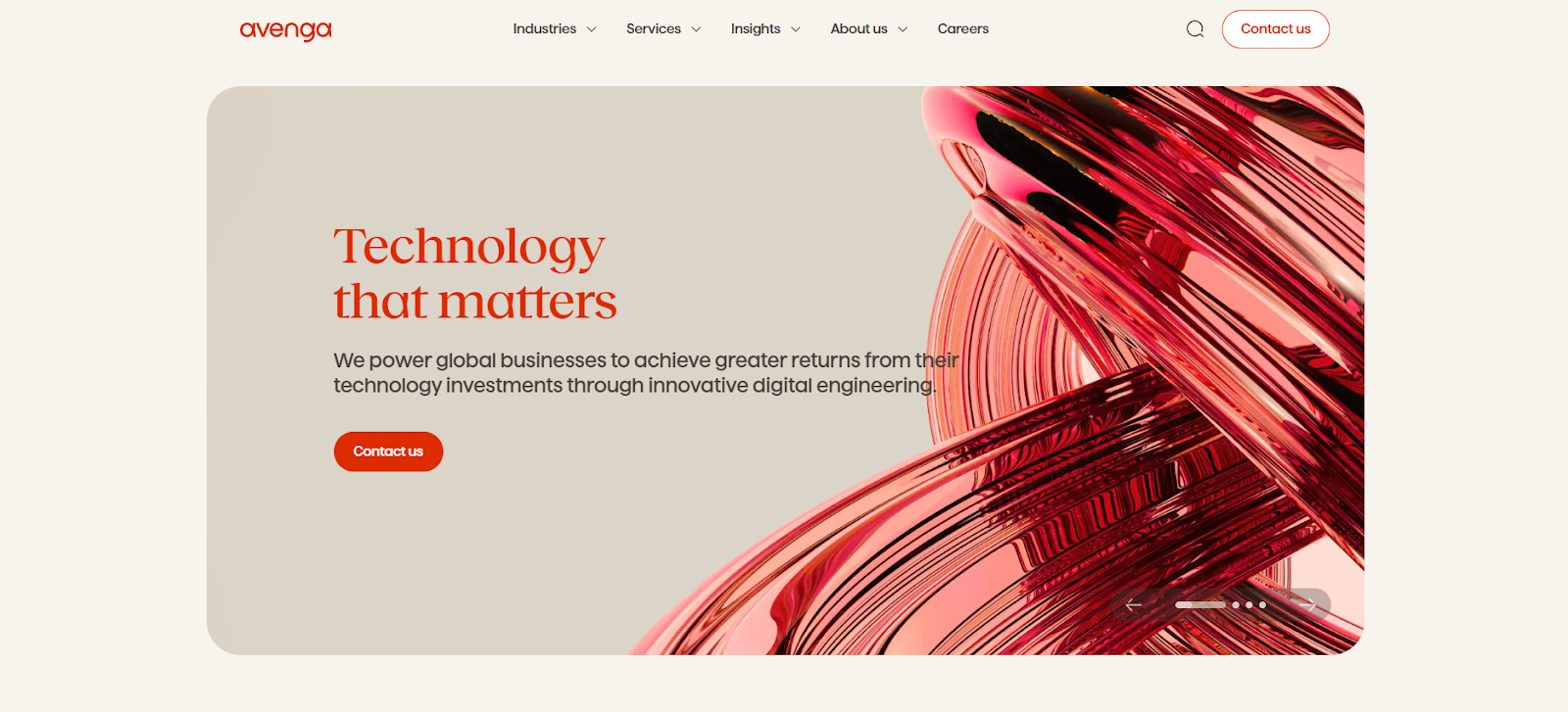
Avenga approaches product engineering from the platform side. They build for enterprises where software isn’t just a tool, it’s the business. Avenga digital product engineering focuses on architecture that supports long-term growth, not just initial launch. Product strategy connects directly to engineering execution, so what gets built aligns with where the business needs to go. Continuous evolution means the product improves systematically, not through random feature drops. Engineering decisions prioritize scalability from day one, avoiding the “rewrite everything” trap that catches so many successful products.
Their engineering-driven approach delivers:
- Product engineering aligned with enterprise-scale architecture;
- Integration of product strategy and engineering execution;
- Continuous product evolution and optimization;
- Engineering built for long-term scalability.
For enterprise digital products where growth creates complexity, Avenga builds the foundation.
Cybage
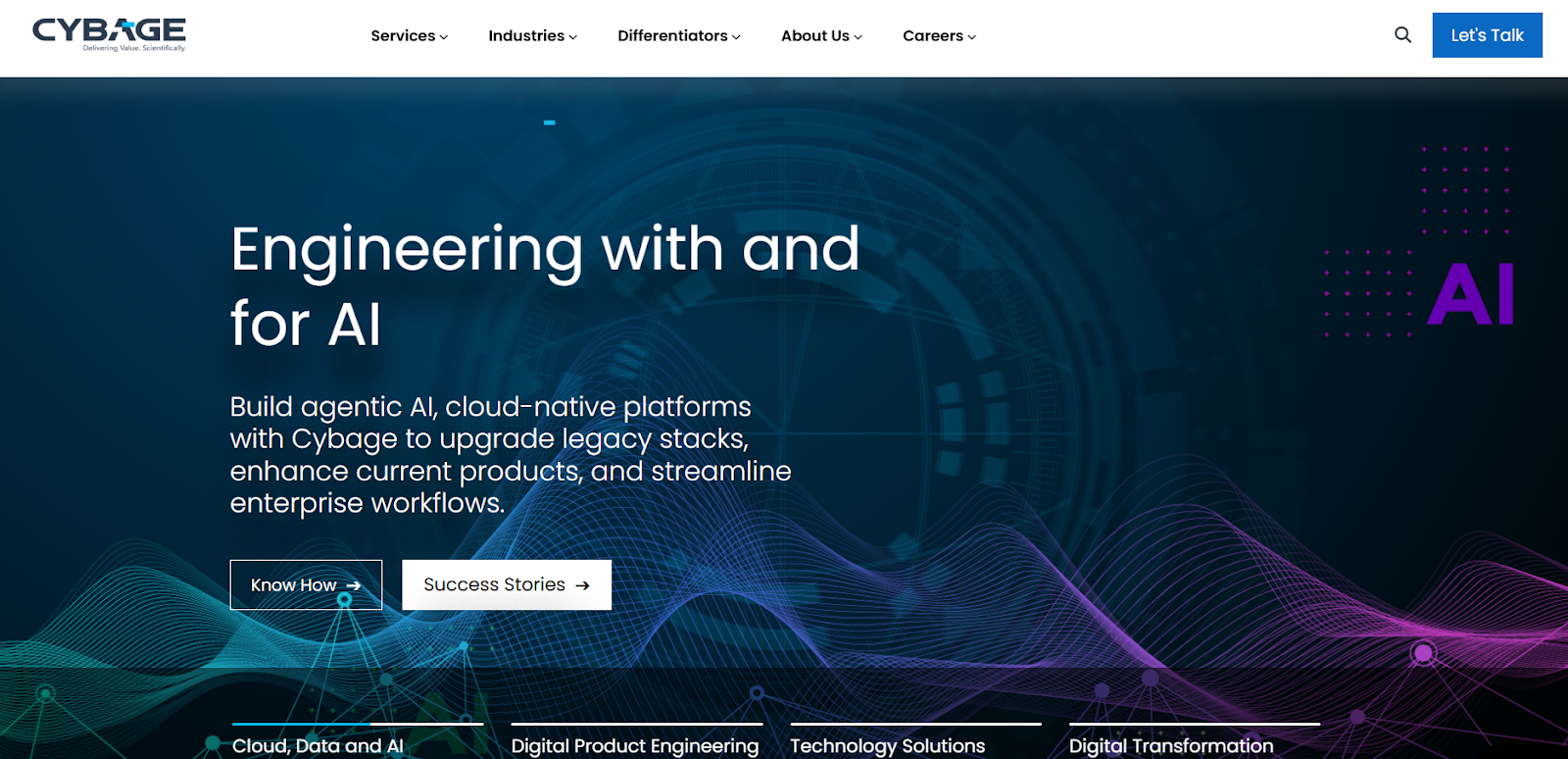
Cybage takes the long view. Their product engineering practice covers the entire lifecycle, from concept through development into sustained engineering and maintenance. This matters for products that need to keep shipping for years, not months. Continuous feature development happens alongside regular maintenance. Quality assurance gets baked in, not bolted on. Engineering support scales as the product grows. The team stays with the product rather than handing off after launch.
Their lifecycle-focused capabilities include:
- End-to-end product engineering across lifecycle stages;
- Continuous feature development and maintenance;
- Product-focused quality assurance and testing;
- Engineering support for scaling digital products.
For companies needing a stable, long-term engineering partner, Cybage provides the continuity.
Nous Infosystems
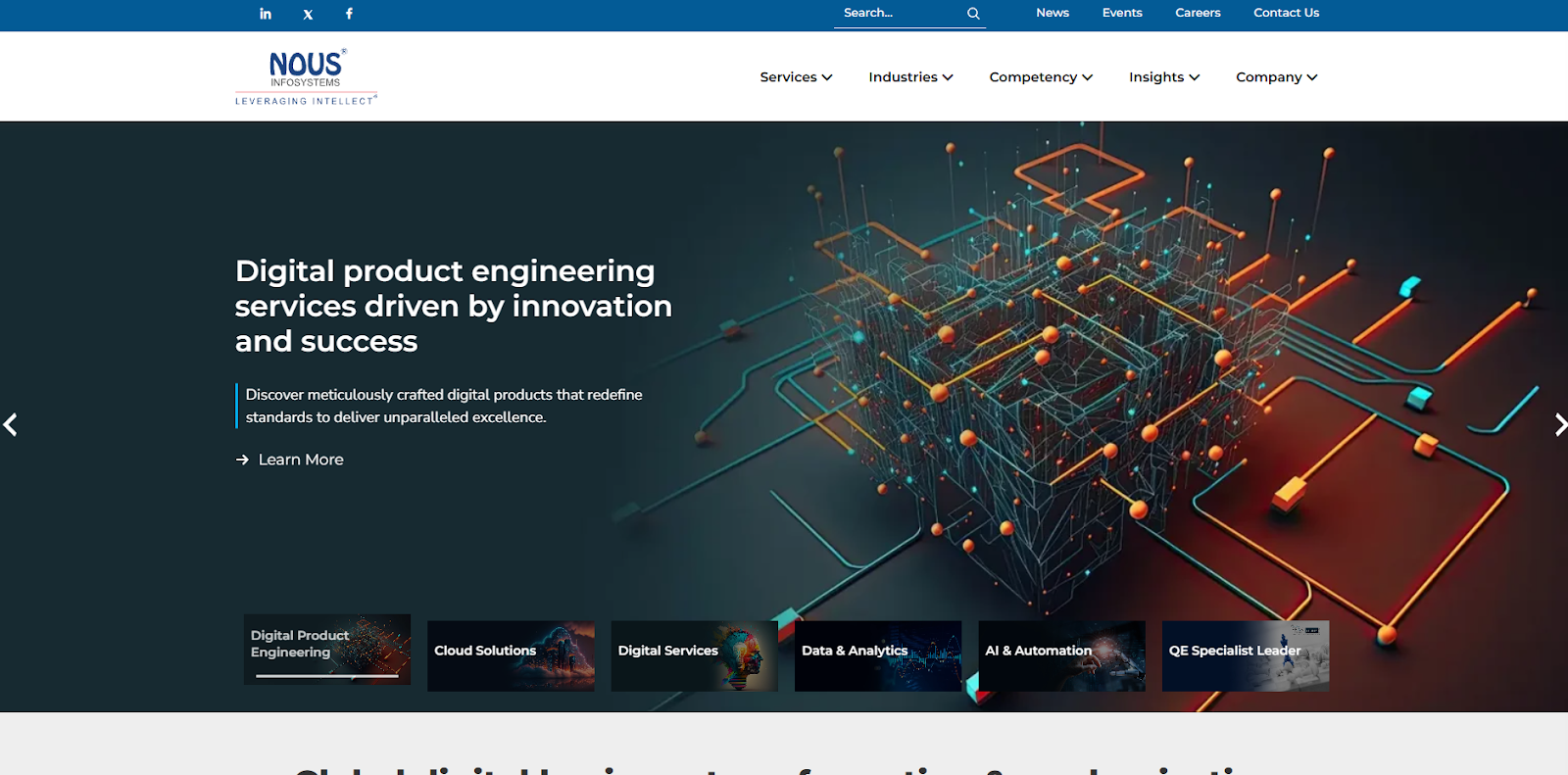
Nous Infosystems builds for software companies. Their clients are ISVs, SaaS businesses, and technology providers, organizations where the product is the primary asset. Engineering gets tailored to product roadmaps, not project timelines. Agile development means features ship in response to market feedback, not arbitrary deadlines. Testing and validation integrate into the engineering flow rather than happening at the end. Scalable architecture supports user growth without collapse.
Their software company focus includes:
- Engineering tailored for software product companies;
- Agile development aligned with product roadmaps;
- Testing and validation integrated into engineering flow;
- Scalable architecture supporting long-term growth.
For software-first businesses, Nous Infosystems brings the right orientation.
TechAhead
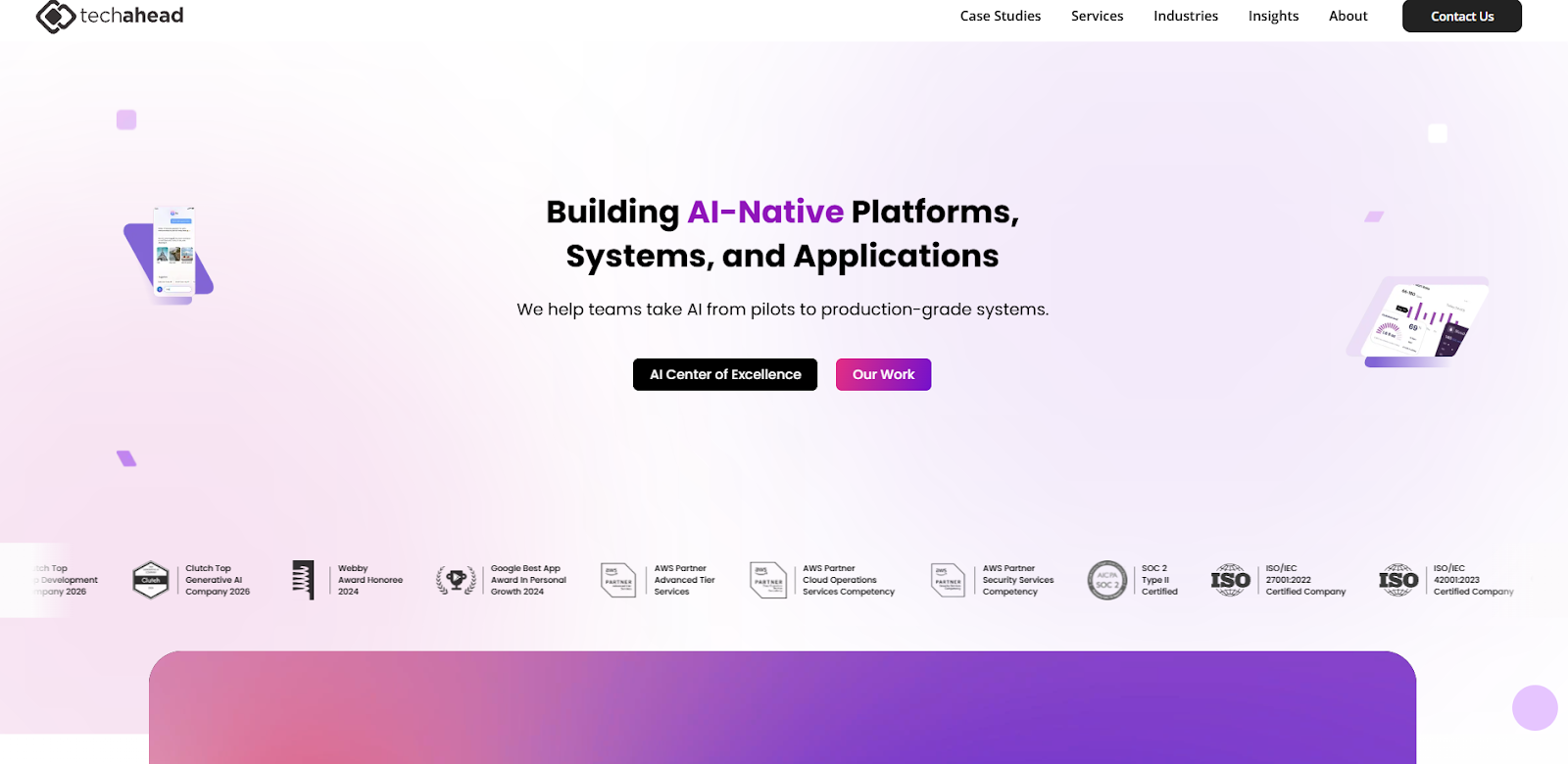
TechAhead connects vision to execution. Their model starts with product discovery, understanding the market, the users, and the problem, then moves into engineering. Strategy informs architecture. Execution delivers the strategy. End-to-end development means one team handles the journey from concept to launch. Continuous optimization happens after launch, using product data to guide next steps. Engineering stays aligned with evolving product strategy rather than following a static requirements document.
Their strategy-to-engineering approach delivers:
- Product discovery connected with engineering execution;
- End-to-end development from concept to launch;
- Continuous optimization based on product data;
- Engineering aligned with evolving product strategy.
For businesses building new digital products, TechAhead provides the compass.
How To Choose The Right Digital Product Engineering Partner
The choice clarifies when you locate your product on the maturity curve. Early-stage? You need strategy-to-engineering partners like TechAhead. Growing fast? Cybage provides the sustained engineering capacity. Enterprise scale with complex architecture demands? Avenga builds the foundation. Software company with product as primary asset? Nous Infosystems aligns with your reality.
Key Evaluation Criteria
Match the partner to your product's stage and trajectory. Early products need different capabilities than mature platforms. Architecture complexity dictates required technical depth. Internal engineering maturity determines how much leadership you need from outside.
The right fit depends on:
- Product lifecycle stage and growth expectations;
- Complexity of product architecture and scalability needs;
- Internal engineering maturity and resources;
- Need for strategy-driven versus execution-focused engineering.
No universal product engineering partner exists. Just different fits for different product journeys.
Final Thoughts
Product engineering isn't about writing code. It's about building something that lasts. The right partner designs for evolution, builds for scale, and stays for the long haul. These four firms approach that challenge differently, some architecture-heavy, some lifecycle-focused, and some strategy-driven. Pick the one that matches your product's reality. Your users will thank you.