


Remember when buying a TV meant arguing with someone about whether 55 inches was big enough? You know the scene: you would stand in the store trying to picture how this giant black rectangle would look on your wall. Then you would get it home, mount it, and realise it still felt small when you sat on the couch across the room.
Android TV projectors have quietly become a real alternative to traditional televisions. And we're not talking about the dim, blurry projectors your teacher used in school. Modern units are bright, sharp, and come with the same smart TV software you would find on any decent television.
They simply plug in, connect to your wifi, and throw a massive image on your wall. The technology finally caught up to the promise, and people are starting to notice.
Why People Are Making the Switch
Here is what changed. Projectors used to be expensive toys for home theatre enthusiasts who built dedicated rooms with special screens and ceiling mounts. Regular people did not bother because the setup was complicated, and the picture quality was not great unless you controlled every bit of light in the room.
Modern Android TV projectors fixed most of those problems. For starters, LED and laser light sources last tens of thousands of hours without needing replacement. Brightness levels have improved enough that you can use them with some ambient light in the room. Auto focus and auto keystone correction mean you basically point it at a wall and it sorts itself out. In short, the barrier to entry dropped massively.
The entertainment options are wide open, too. People use these projectors for everything from streaming movies to gaming to watching sports. Even online entertainment like casino platforms works well on the big screen.
Most casino platforms found at https://kasyno-na-pieniadze.pl/ look surprisingly good when projected at 100 inches or more. The visual experience of any digital platform improves dramatically when the screen size jumps from 55 inches to 200 inches. That difference changes how everything feels.
Screen Size Without the Screen Problems
This is the biggest selling point, and it is difficult to argue against. Consider this: a decent 85-inch television costs thousands. Some higher-end models run into five figures easily. An Android TV projector that throws a 120-inch image costs a fraction of that. In fact, some solid options come in under 500 dollars.
Then there is the physical reality of big TVs. An 85-inch television weighs a lot. Mounting it requires serious wall anchors. Moving it means recruiting friends. It dominates whatever room it sits in, even when turned off. A projector, on the other hand, sits on a shelf or mounts to a ceiling and basically disappears when you are not using it.
Industry reports and tech publications note rising projector popularity over the past several years as prices dropped and picture quality improved. The sweet spot for most buyers seems to be the 100 to 120 inch range, which delivers a genuinely cinematic experience without requiring a mansion-sized living room.
Android TV Makes Everything Simple
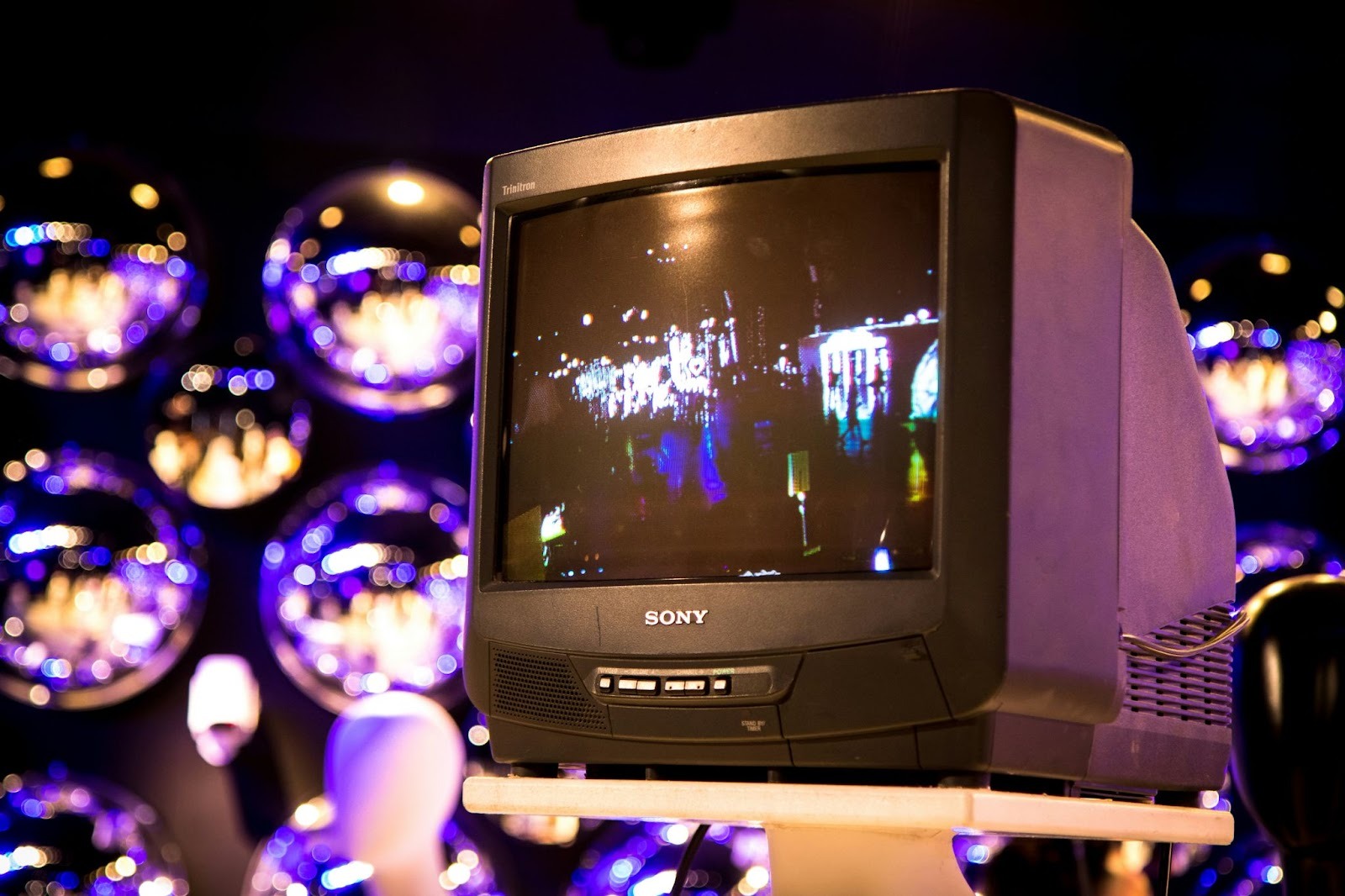
The operating system matters more than people realise. Older projectors were basically typical displays. You had to plug in a laptop or a streaming stick to get any smart features. That meant extra cables, extra remotes, and extra hassle.
Android TV projectors come with everything built in. Netflix, YouTube, Disney+, Prime Video, and thousands of other apps are available right from the home screen. The interface works the same way it does on any Android TV. You get voice search through Google Assistant. You also get Chromecast built in, so you can throw content from your phone with one tap.
Tech reviewers such as CNET note that built-in smart TV operating systems made projectors far easier for mainstream users. People stopped seeing projectors as complicated accessories and started seeing them as TVs that happen to project onto walls. That mental shift changed the market entirely.
Picture Quality Got Genuinely Good
Old projectors had washed-out colours, visible pixels, and images that fell apart if any light crept into the room. Modern units are a different story altogether.
Full HD at 1080p is standard now on mid-range models. Plenty of options offer 4K or 4K-enhanced resolution. HDR support means colours pop the way they are supposed to. Contrast ratios have improved dramatically, with laser light sources helping deliver better brightness control and perceived contrast than many older lamp-based systems.
The brightness situation has improved the most. Units rated at 2000 lumens or higher can handle rooms with some ambient light without the image looking completely washed out. You still get the best experience in a darker room, but you no longer need to live in a cave. Watching something during the afternoon with the curtains partially drawn actually works now.