


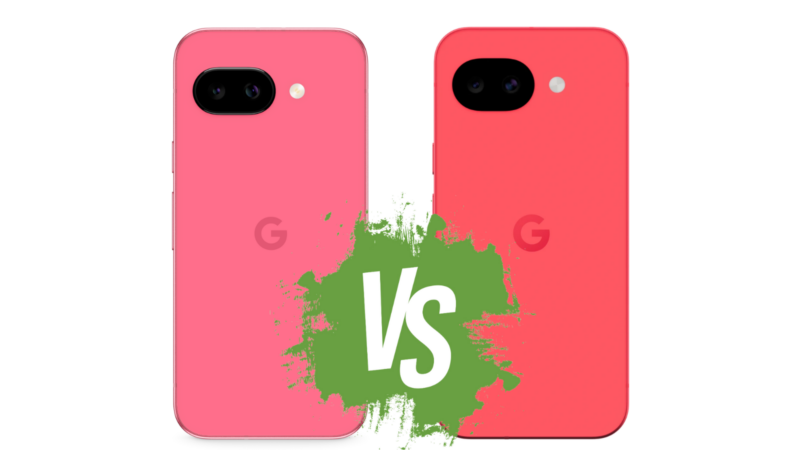
Every year, the A-series Pixels follow the same pattern — modest upgrades, a slightly nicer spec sheet, and a slightly higher launch price. The jump from the Google Pixel 9a to the Google Pixel 10a is perhaps the clearest example yet of why buying last year’s model often makes more sense.
On paper, the Pixel 10a is better. In practice, you’ll barely notice unless you are scrutinizing a spec sheet, and that’s exactly why the 9a becomes the value winner.
Design & display
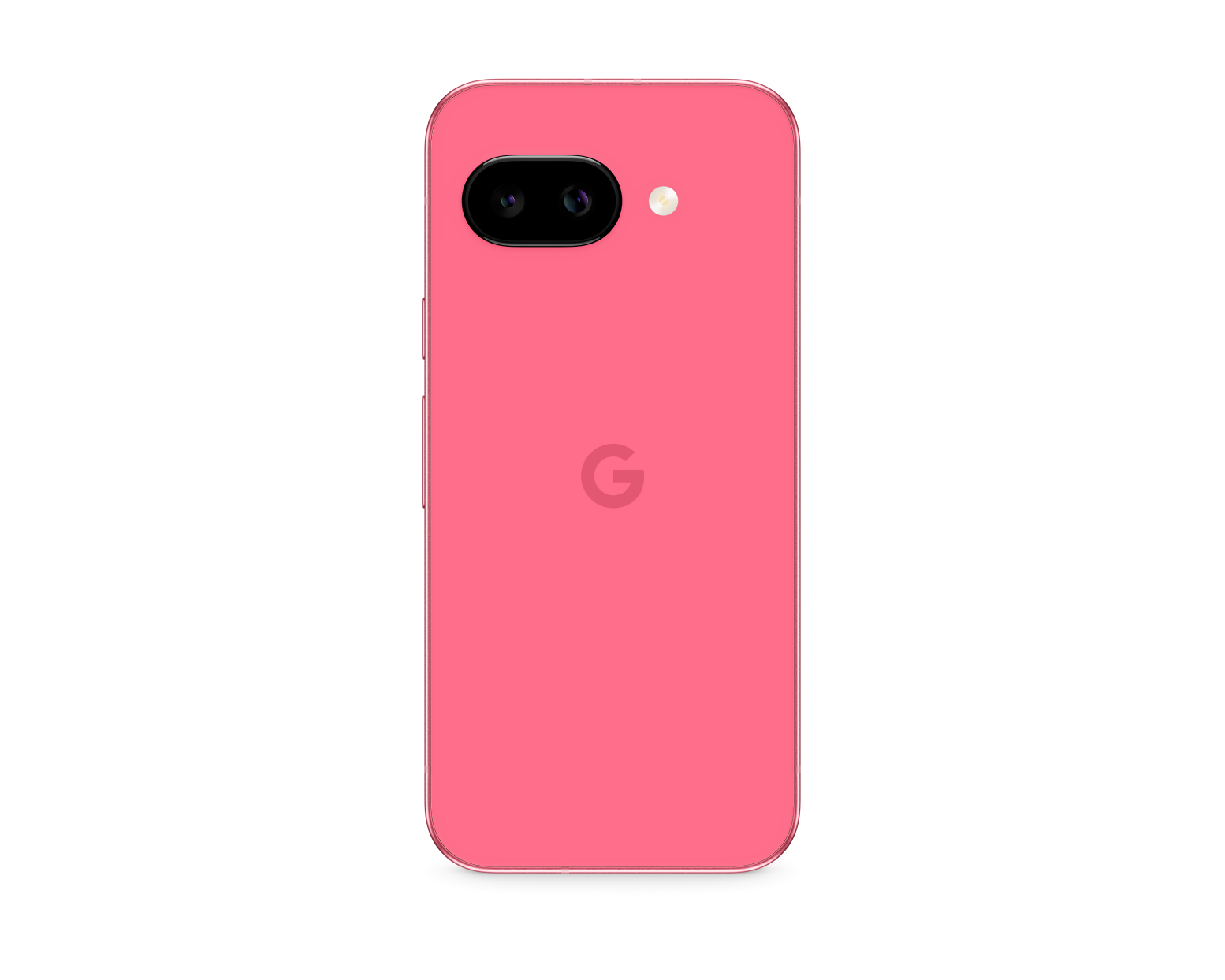
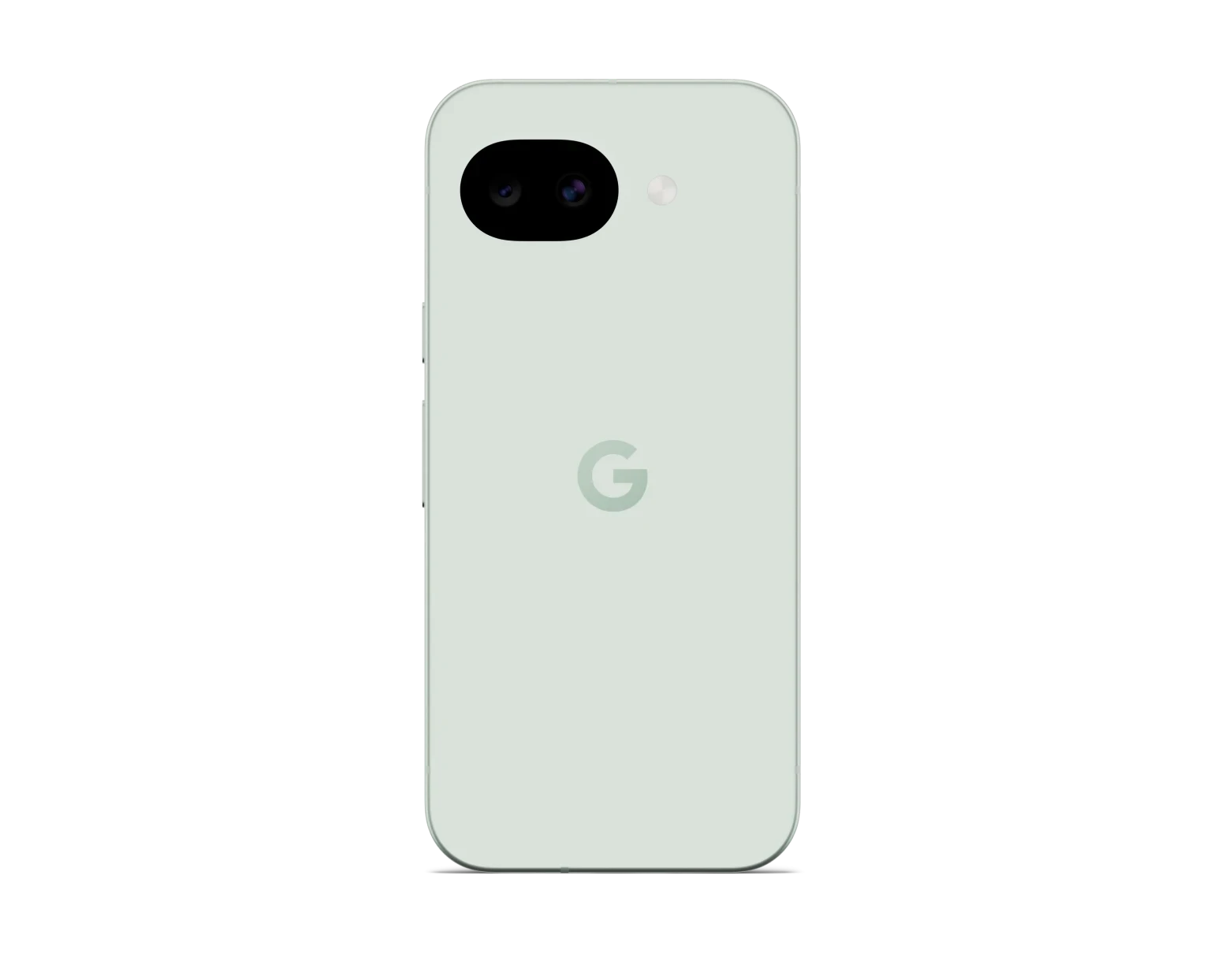
Put them face down on a table, and you’ll need to Google the colorways to tell them apart.
Both phones use a 120Hz 1080p Actua OLED display in the same size class. The Pixel 10a gains brighter peak brightness and tougher Gorilla Glass 7i instead of Gorilla Glass 3, which is nice, but realistically, most people will immediately install a £7 screen protector and never think about it again.
Brightness increases slightly on the 10a (3000 vs 2700 nits peak), but both are already easily visible outdoors. Side-by-side, you might spot it, but day-to-day? You won’t.
The Pixel 10a is also technically thinner and lighter. By three grams. Congratulations to your kitchen scale.
Real-world difference: none unless you’re a durability test YouTuber.
Takeaway: same experience, slightly tougher glass.
Performance

Here’s where things get awkward for the newer phone.
Both run the same Tensor G4 chip from Google. Same RAM, same storage, same AI acceleration.
So apps open at the same speed, AI features run at the same speed, and games run at the same speed. The Pixel 10a isn’t faster. It’s just newer.
Camera
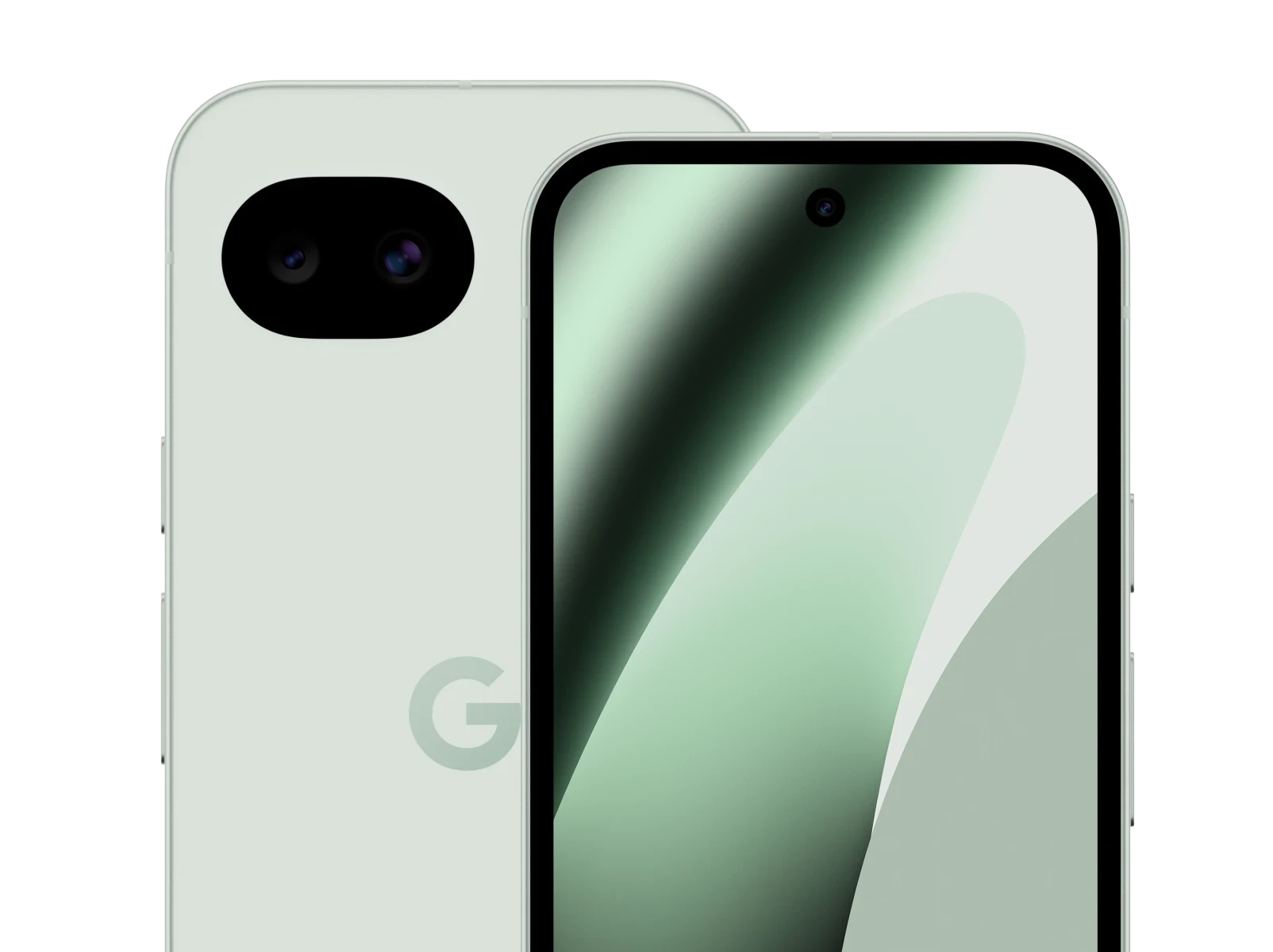
Google didn’t change the hardware at all.
Both devices have:
- 48MP main camera
- 13MP ultrawide
- 13MP selfie
- 8x Super Res Zoom
- Identical sensors and apertures
The Pixel 10a adds software features like Camera Coach and refinements to Auto Best Take, but the core image quality remains the same. Night Sight, Astrophotography, Real Tone, and Magic Eraser all exist on both phones.
Photos from each are effectively indistinguishable unless you’re specifically testing new shooting modes.
Takeaway: same camera, extra tips.
Battery life

Another near-tie.
Both phones use a 5,100mAh battery and easily exceed a day of use. The Pixel 10a claims longer Extreme Battery Saver endurance and faster charging, but in real-world use, it will look nearly identical because capacity and efficiency haven’t changed.
Wireless charging is present on both — still rare at this price tier — so neither gains an advantage.
Software & AI
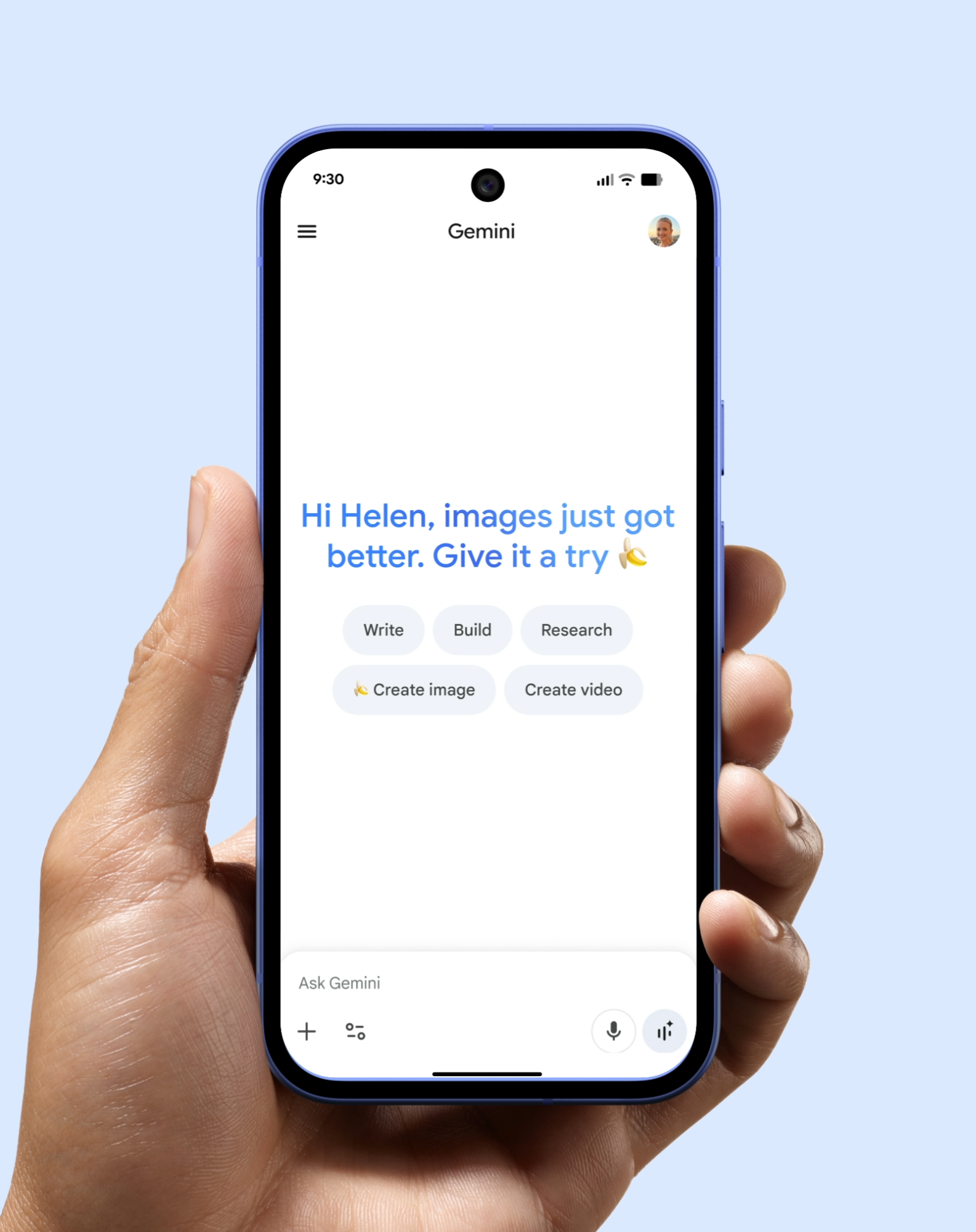
Pixel 10a ships with Android 16. Pixel 9a launched with Android 15.
But both get seven years of updates. Meaning the 9a gets Android 16 anyway — just slightly later. All Gemini features work identically because the hardware is identical.
So the “new software” advantage is essentially a calendar advantage.
What actually improves on the Pixel 10a?
You do get a few extras:
- Slightly brighter display
- Stronger cover glass
- Satellite SOS support
- New camera guidance features
- Marginally faster charging
They’re real upgrades — just not transformative ones.
The value argument
Mid-range phones live and die by value. And value collapses when two phones behave the same.
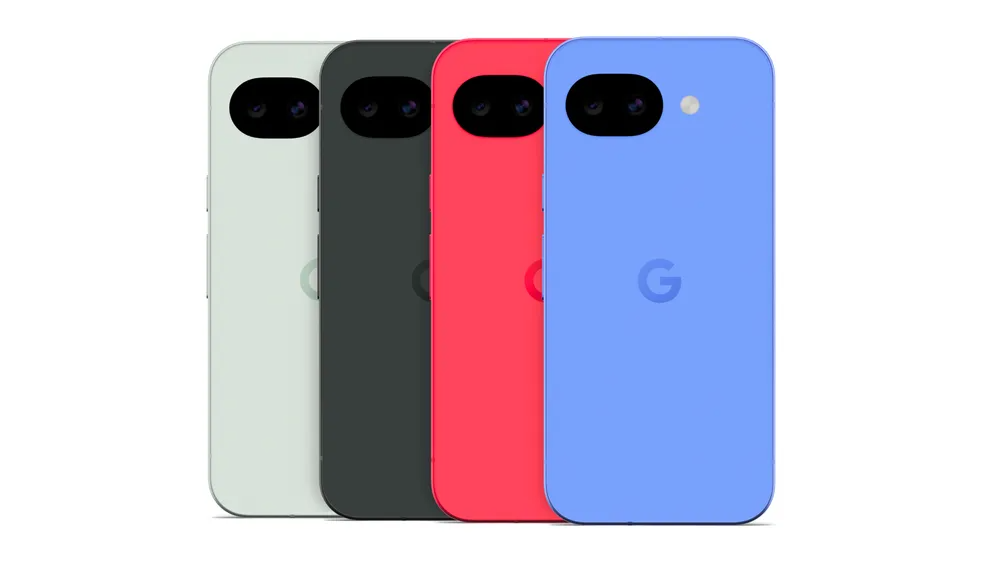
The Pixel 10a gives incremental improvements and is available in slightly different colorways. The Pixel 9a delivers the same experience while leaving money in your bank account.
That’s not a spec comparison — that’s basic economics.
Verdict
The Pixel 10a is technically better. The Pixel 9a is practically smarter.
Same processor, same cameras, same battery, and the same seven-year update promise mean the day-to-day experience barely changes. What does change is how much you pay.
Unless you specifically want satellite SOS or tougher glass, the Pixel 9a delivers 95% of the experience for noticeably less, which makes it the Pixel most people should actually buy.
Sometimes the best new phone… isn’t the new one. But don't take my word for it, check out the head-to-head spec sheet below:
| Feature | Google Pixel 9a | Google Pixel 10a |
|---|---|---|
| Launch OS | Android 15 | Android 16 |
| Updates | 7 years OS + security | 7 years OS + security |
| Chipset | Tensor G4 | Tensor G4 |
| RAM | 8GB | 8GB |
| Storage | 128GB / 256GB | 128GB / 256GB |
| Display | 6.3″ pOLED, 120Hz | 6.3″ pOLED, 120Hz |
| Resolution | 1080 × 2424 | 1080 × 2424 |
| Peak brightness | 2700 nits | 3000 nits |
| Cover glass | Gorilla Glass 3 | Gorilla Glass 7i |
| Rear cameras | 48MP main + 13MP ultrawide | 48MP main + 13MP ultrawide |
| Front camera | 13MP | 13MP |
| Video | 4K 60fps | 4K 60fps |
| AI features | Gemini, Magic Eraser, Best Take | Same + Camera Coach refinements |
| Battery | 5100mAh | 5100mAh |
| Charging | Fast wired + wireless | Slightly faster wired + wireless |
| Extreme Battery Saver | Up to 100 hours | Up to 120 hours |
| Connectivity | Wi-Fi 6E, BT 5.3 | Wi-Fi 6E, BT 6 |
| Extra safety | — | Satellite SOS |
| Water resistance | IP68 | IP68 |
| Weight | 186 g | 183 g |