


It’s finally happening: Android users everywhere are about to get their own AirDrop-style sharing—on every phone, and not just if you own a Pixel. And you have a little help from Europe (and maybe even your vacuum cleaner) to thank for it.
Quick Share and AirDrop: A Long-Awaited Universal Handshake
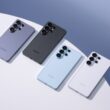
Google has confirmed that its Quick Share feature—formerly exclusive to the Pixel 10 lineup—will be available across the entire Android ecosystem starting in 2026. This isn’t just good news for Google fans: it’s the result of partnerships with multiple device manufacturers, finally bringing a seamless sharing experience to a much broader range of devices.
This big reveal came during a press briefing held in Taipei, where Eric Kay, Vice President of Android Engineering at Google, explained that the company’s goal is to maximize compatibility between Quick Share and Apple’s AirDrop. While only Pixel 10 users have been able to try it out since last November, a much wider rollout is officially on the way.
Why Now? The European Digital Markets Act Sets the Pace
So what’s driving this sudden push for interoperability? Well, you can thank the European Union and its Digital Markets Act (DMA), which has forced some of the world’s biggest tech names into opening up. The European Commission has told Apple that its ecosystem must be fully accessible to third-party devices, with a strict deadline set for the end of 2025.
As a result, Apple has had to ditch its proprietary AWDL protocol for AirDrop and switch to the open Wi-Fi Aware standard, not to mention providing technical documentation for developers. And Google, never one to miss a beat, quickly set about revamping its own Quick Share tool.
Instead of baking Quick Share into a locked-down part of the system, Google has turned it into a standalone app available through the Play Store. Eric Kay explained that the team worked hard to ensure compatibility not just with iPhones, but also with iPads and MacBooks. With the system now functional, Google is collaborating with hardware partners to bring Quick Share to the entire Android world.
Industry Moves: Manufacturers and Chipmakers Jump Onboard
It isn’t only Google making noise: hardware startup Nothing has publicly announced it’s working to integrate this feature into its phones. Even more telling, Qualcomm has hinted that it’s prepping full support for this interoperability on devices powered by its Snapdragon chips. Since most high-end Android smartphones use Qualcomm SoCs, existing barriers could come tumbling down very soon.
There’s still a question mark for budget and mid-range devices, which often run on MediaTek chips—will they join the party? Only time will tell.
Unlocking Ecosystems: Benefits Reach Beyond Simple Sharing
For Google, this isn’t just about file sharing. Improving data transfer tools has become part of a broader mission to make jumping from iOS to Android less of a hassle. In fact, since December, Google has been working with Apple to create new transfer methods capable of handling even more types of data during device switches—a win-win for both sides and a big step toward knocking down one of the biggest barriers to switching ecosystems.
I actually think it’s great that in recent years, there’s finally been more focus on interconnectivity through real standards, instead of just propping up locked-in, proprietary solutions. QuickShare/AirDrop becoming Wi-Fi Aware, RCS, and also features like Fast Pair and Matter… not to mention USB-C—even if we’re close to seeing it in vacuum cleaners at this point! Given how much tech companies try to wall off their ecosystems, it’s not a bad thing to give consumers a little more freedom instead of manufacturers.
No matter what people say, it really is thanks to Europe that things are moving in the right direction—even if everyone knows that the current situation has made for some expensive lawsuits across the globe.
The Quick Share system actually comes from Samsung, I think, and isn’t really comparable to what was there before. Google borrows a lot from Samsung’s ecosystem; for example, Android Wear is practically a copy-paste of Tizen, Samsung’s old watch OS, before Google and Samsung teamed up to redefine Android Wear.
So next time you need to zap files between an Android and an Apple device—maybe even via Wi-Fi Aware or USB-C (or whatever new standard Europe cooks up)—you’ll have a little less to complain about. Progress can be surprisingly collaborative… especially when there’s a deadline looming and a few regulatory nudges in play.

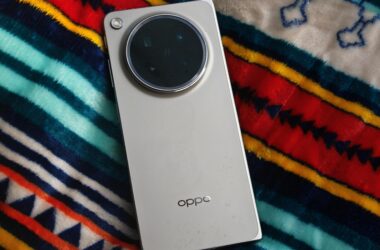
Samsung has rolled up Airdrop, which is called quickshare on Android, to it’s S26 phones. Eventually, it will roll out to older Galaxy phones and A series phones when they get the One UI 8.5 update