



When winter’s chill creeps in, staying out late suddenly feels like a superhuman effort—let’s be honest, why risk frozen toes when the couch and a good show exist? That’s the ideal moment to hunt down a series gripping enough to make you forget both the time and the icy winds rattling outside. If you’re tired of rewatching romantic comedies (yes, we all know the endings by heart), there’s a hidden gem from Japan just waiting to turn your evenings into heart-pounding marathons: Alice in Borderland, available on Netflix.
No Place Like Home—And No Show Like This
Let’s face it, when winter settles in for real, the temptation to leave your warm haven evaporates. As the night falls too early, and the cold chills you to the bone, a cozy evening routine takes over: blanket, hot drink, and that burning desire for a show thrilling enough to make you lose track of hours. Forget predictability. What you need is a story that captivates from the first seconds, making you crave the next episode, no matter the hour. Alice in Borderland is that rare series, keeping you glued to the screen through every freezing night.
More on This Topic : Stay geolocated anywhere: how eSIM makes Google Maps work without a physical SIM
A World Where Games Are Deadly Serious
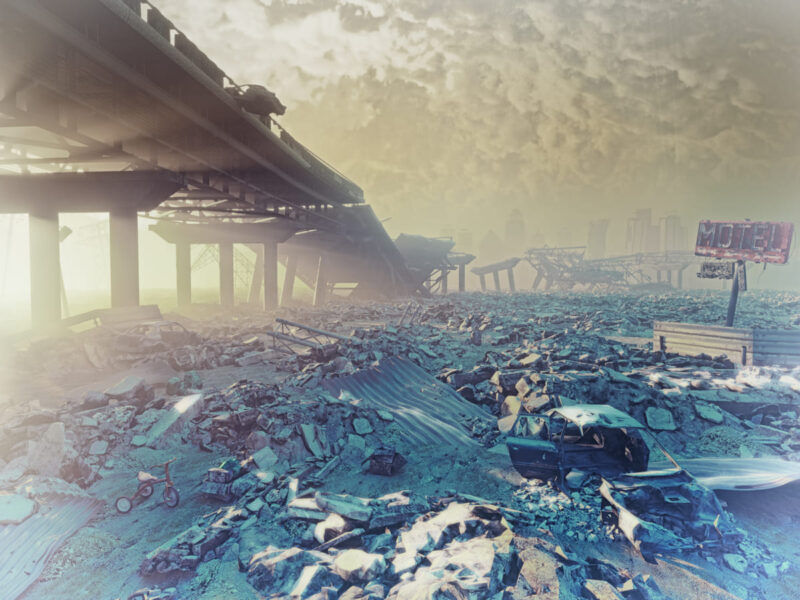
The first season of Alice in Borderland kicks off in an almost ordinary way. Arisu, a young adult adrift, is addicted to video games and out of sync with society. One day, after a minor run-in with the police, he and his friends Karube and Chota hide in an underground passage. When they re-emerge, Tokyo’s gone eerily silent. The city remains, but its inhabitants have vanished, leaving empty, echoing streets. Quickly, new rules emerge: to survive in this deserted landscape, everyone must participate in games—structured, orchestrated, and dictated by playing cards. In this world, every mistake carries a price.
- Each participant carries a “visa,” an invisible countdown to oblivion.
- Winning a game extends your existence; losing usually means a brutal end.
- The games test logic, trust, and willingly force impossible decisions.
Very soon, survival trumps friendship. Early on, one challenge traps the players inside a building, with every choice potentially dooming someone. Alliances crumble, and simply remaining human becomes a heroic feat. Since its Netflix debut in December 2020, season one has laid the foundation for a harsh universe—one where every victory leaves scars and living means accepting a loss with each game played.
A Chilling Atmosphere and Ruthless Choices
What makes Alice in Borderland so irresistible right from the start? It’s the atmosphere—forget spaceships or flashy futuristic tech. Here, you’re immersed in a parallel world you know nothing about, amplifying viewer unease. Deserted Tokyo itself feels alive: vast, oppressive, and ready to spring a new trap at every turn. The series leans heavily on psychological thriller territory. These games don’t just measure wits or speed; they expose the rawest forms of human nature—its fragility and its cruelty.
The fear of death, distrust among survivors, and the relentless instinct to live often outweigh morality. Sometimes, the mood is reminiscent of classic works from Japanese cinema, particularly Battle Royale, where violence isn’t gratuitous but, as the story insists, “necessary.” Alice in Borderland expertly balances constant tension, threading together action, suspense, and existential dilemmas that stick with you—well beyond the binge session.
More on This Topic : Everyone Is Lying: What Really Happens in This Addictive New Series
Japan’s Creative Power: A Lesson in Survival and Storytelling
The runaway success of Alice in Borderland is part of a larger trend: the international recognition of Japanese film and television. For decades, Japan has shaped the world’s collective imagination—from the poetic animation of Studio Ghibli to the darker, more radical films interrogating society itself. This remarkable ability to balance gentleness with brutality is a hallmark of Japanese creation.
Thanks to Netflix, these stories are now reaching an even broader audience. Alice in Borderland proves that Japanese series can easily rival the world’s biggest hits, like Money Heist. The storytelling tends to be far more introspective, confronting death and moral decisions head-on in a way their Western counterparts rarely do. The result? A show that entertains while reminding us that Japan remains an incredible laboratory of ideas.
When all is said and done, Alice in Borderland isn’t just another series to binge-watch on a winter’s night. It’s an intense experience guaranteed to make you rethink what it means to play, to belong, and to survive. And that’s why, once you hit play, breaking away becomes nearly impossible—don’t say you weren’t warned!