




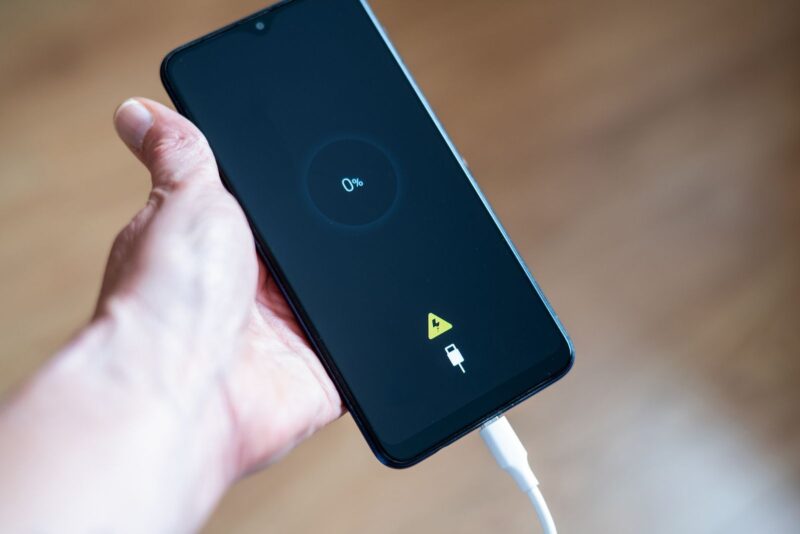
If you’ve ever wondered why your fully charged phone suddenly dips to 20% before lunchtime, Google might have an answer—and a solution. Starting next year, the company plans to crack down on Android apps that drain your battery excessively, with new rules designed to reward efficient developers and warn users about energy-hungry offenders.
A smarter way to handle power-hungry apps
Beginning March 1, 2026, Google will roll out a new Play Store policy targeting apps that secretly keep your phone awake, even when you’re not using it. This behaviour, known as a “wake lock”, allows apps to prevent your device from entering sleep mode—something that can make sense for music players or download managers, but not for casual social media or news apps.
When abused, wake locks are among the most common culprits of short battery life. You know the scenario: your screen’s off, your phone’s in your pocket, but something in the background is still working overtime. Soon, Google will start monitoring precisely that kind of activity.
If an app keeps a device awake for more than two cumulative hours in 24 hours without an apparent reason, it will be flagged. And not just internally—users will be warned directly on the app’s Play Store listing that it may “consume higher-than-average battery power.”
Less visibility for apps that don’t play fair
The move isn’t just about transparency—it’s about consequences. Apps that repeatedly exceed Google’s energy-use threshold will also lose visibility in Play Store recommendations. In other words, if an app drains too much power, it will have a harder time being featured or discovered.
For developers, that’s a strong incentive to clean up their code. For users, it’s a welcome change that promises fewer mystery battery drains and longer-lasting devices. As Google explained, the goal is to make energy efficiency a core quality metric, alongside stability and security.
Built with Samsung’s help
Interestingly, this initiative was developed with input from Samsung, a company that’s spent years fine-tuning its own battery optimization tools. Together, they’ve created a more precise way to track energy consumption on Android devices—something that’s long been tricky given the diversity of hardware and app behaviour across brands.
By integrating this data into Play Store metrics, Google aims to make efficiency just as crucial as crash rates or update frequency when evaluating an app’s quality.
A win for users—and a warning for developers
For everyday users, this update is all about clarity and control. Soon, when you browse apps, you’ll be able to see whether one is likely to sap your battery before you install it. That’s a big step toward helping people make more informed choices—especially those who rely heavily on their phones throughout the day.
Developers, meanwhile, are being nudged to take better care of users’ devices. Excessive background activity won’t just annoy users anymore—it’ll hurt their app’s reputation and reach.
The bottom line
Battery life has always been one of Android’s trickiest balancing acts, and this policy marks a decisive step toward fixing that. By calling out energy-intensive apps and rewarding efficient ones, Google is setting a new standard for what a “good app” should be.
So, if your battery has been mysteriously vanishing lately, relief might be just around the corner. And the next time your phone stays charged all day, you might have Google’s new rules—and a few humbled developers—to thank.

