




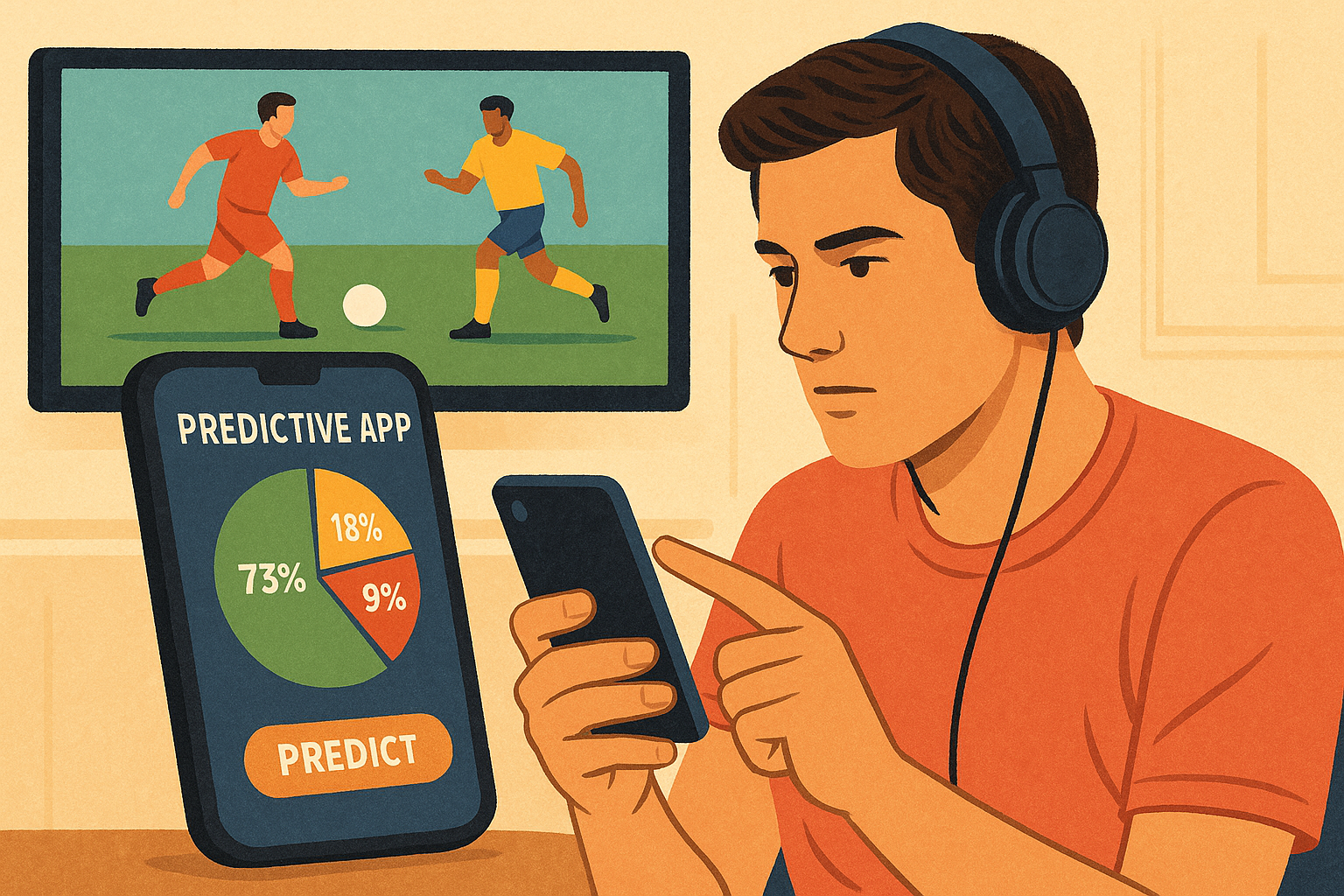
Predictive apps have changed the way fans watch and interact with sports. No longer just spectators, supporters now use real-time stats and forecasts to test their knowledge and stay ahead of the action.
These tools blend advanced analytics with the thrill of live events, letting fans make informed predictions on scores, player performances, and even tactical shifts. The result is a more immersive, interactive experience that goes beyond traditional cheering.
This article unpacks how predictive technology is turning passive viewing into active participation and why these innovations are shaping the next chapter in sports fandom.
Predicting the action: how apps are changing sports fandom
Sports fandom in 2025 looks nothing like it did just a few years ago. Fans aren’t just watching—they’re predicting, participating, and shaping their own experiences in real time.
The rise of predictive apps has created an entirely new layer of excitement for every match, race, or game. These platforms let users forecast scores, stats, and even individual player performances as events unfold.
One thing that stands out is how these apps have made expertise more accessible. No longer do you need to be a lifelong stats junkie; with real-time data feeds and intuitive interfaces, any fan can join the action and test their knowledge against friends or a broader community.
Platforms like apuestas.guru take this even further. They combine interactive prediction games with up-to-the-minute analytics and live updates, helping users make informed calls while keeping the entertainment factor front and center.
I’ve noticed that this shift has turned casual spectators into active participants. Whether you’re competing in a weekly leaderboard or challenging your group chat on match outcomes, the thrill comes not just from watching but from being right there in the mix.
The bottom line: predictive apps have changed what it means to be a fan. The experience is now about engagement, insight, and friendly rivalry—right at your fingertips.
Inside the technology: how predictive apps work
At the heart of every leading predictive sports app is a powerful mix of machine learning, vast data sets, and real-time analytics.
These platforms take massive amounts of historical and live sports data—player stats, weather conditions, injury reports—and run them through advanced algorithms.
The result is far more than just gut feeling or guesswork. Fans now get data-backed predictions that rival expert analysis and often update instantly as events unfold.
This technological leap has opened the door for fans to participate in real-time forecasting, test their knowledge, and make smarter decisions about everything from game outcomes to player performance.
What once took teams of analysts can now happen on a smartphone in seconds, giving fans access to insights that were previously out of reach.
Machine learning and sports data
The real magic behind modern predictive apps lies in how they use machine learning models to spot patterns that humans might miss.
Apps pull from enormous pools of information—think past match results, player biometrics, team strategies—and feed this into neural networks trained to find subtle trends.
Each prediction gets smarter over time as the models learn from new matches and updated statistics. This helps refine accuracy with every season.
Hybrid Deep Learning Model, a 2023 study published by NIH, details a system combining Convolutional Neural Networks with Transformer layers for predicting sports outcomes. The research showed that analyzing large-scale event and player data with machine learning leads to noticeable improvements in forecasting accuracy—giving fans and analysts better tools than ever before.
User experience: from stats to intuitive insights
No one wants to stare at endless spreadsheets or raw data feeds while trying to enjoy the game. That’s where smart design comes in.
The best predictive apps simplify complex analytics into bite-sized insights—like quick-win tips or easy-to-understand probability meters—that regular fans can grasp without needing an advanced math degree.
Clear visuals and notifications guide users through forecasts so they can act quickly on new developments. Instead of just presenting raw numbers, these platforms translate analytics into stories that help you feel ahead of the action.
I’ve tested apps where you get instant alerts about momentum shifts or personalized recommendations based on your history. This approach keeps things fun while making sure even first-timers never feel overwhelmed by technical jargon or stats overload.
The social side of prediction: community, competition, and influence
Predictive apps have become much more than just score calculators—they’re now at the heart of passionate sports communities.
These platforms bring fans together through friendly rivalries, group challenges, and a constant stream of interaction that keeps the excitement going long after the match ends.
What’s especially interesting is how prediction features create new ways for supporters to connect. Fans don’t just cheer for teams; they compete with friends, compare their forecasts, and even build reputations based on their sports instincts.
This shift means the sports conversation is no longer confined to stadiums or TV broadcasts. Instead, it’s happening in real time inside prediction apps—reshaping what it means to belong to a fan community.
Leaderboards, challenges, and fan rivalries
Leaderboards aren’t just about showing off—they’re powerful motivators that tap into every fan’s competitive spirit.
When I tested a few top predictive apps last season, I noticed how quickly users rallied around weekly leaderboards and head-to-head challenges. It wasn’t just about who had the best record; bragging rights fueled spirited banter in chat groups and forums.
Prediction challenges keep things fresh. Some platforms offer daily or match-specific contests that give everyone a shot at topping the ranks, even if they joined late in the season. This levels the playing field and keeps users engaged week after week.
- In-app competitions encourage repeat participation
- Community chat features add a social layer to predictions
- Rivalries often spill over into real-world conversations among friends
I’ve seen diehard football fans in Madrid treat app leaderboards almost like fantasy leagues—a quick way to stake your claim as the most knowledgeable supporter in your circle.
Influencers, social sharing, and the viral effect
The power of prediction doesn’t stop within the app—it explodes across social media every matchday.
Sharing predictions on Instagram or X (formerly Twitter) can spark lively debates or help bold forecasts go viral within minutes. When popular influencers get involved, engagement skyrockets—even casual fans want in on the action if their favorite personalities are making picks or hosting live Q&A sessions about upcoming games.
Influencer Sports Engagement shows how this played out in 2023: Instagram creators led massive engagement spikes for predictive sports apps by sharing their own predictions and encouraging followers to join campaigns. This strategy proved especially effective with Gen Z fans who value interactive experiences over passive viewing.
- Real-time sharing amplifies individual picks across huge networks
- User-generated content drives organic growth for prediction platforms
- Banter between influencers creates buzz that traditional ads can’t replicate
The bottom line? Social integration turns simple predictions into shareable moments—and sometimes sparks trends that shape broader sports conversations far beyond the original app audience.
The future of predictive fandom: trends and challenges ahead
Predictive apps are entering a pivotal phase, pushing the boundaries of what sports fans expect from digital experiences.
With new tools rolling out every season, it’s not just about forecasting outcomes anymore. Fans want apps that know their favorite teams, serve up timely challenges, and make every match feel personal.
At the same time, the stakes are rising around privacy and ethical data use. As predictive tech grows more advanced, questions about who owns fan data and how it’s used are taking center stage.
The next chapter in sports fandom will hinge on balancing these advances with transparency and trust—giving fans interactive tools they love without crossing crucial lines.
Personalization and gamification
The best predictive apps are starting to feel like your own sports companion rather than a generic stats platform.
AI-driven personalization is at the core of this shift. Apps now learn which leagues you follow, which players you track, and even when you like to make predictions—serving up content that actually matters to you.
Gamified features are popping up everywhere too. Weekly prediction streaks, point leaderboards, digital badges, and head-to-head challenges turn passive viewing into an active game. There’s real motivation to return daily—not just for results but for bragging rights among friends or rival fans.
I’ve seen how localized trivia or team-specific quests keep users hooked far longer than basic score forecasting ever did. The blend of AI insights with game design is setting a new standard for fan engagement—and loyalty.
Privacy, security, and data ethics
With all this personalization comes a responsibility to handle user data carefully—something fans are more aware of every year.
The risks aren’t theoretical. A single misstep in sharing or storing personal info can break trust instantly. Predictive apps have to strike a balance: collecting enough data for great recommendations while keeping identity protected at all times.
Fan Data Ethics, as highlighted by PwC’s 2023 Sports Survey, stresses that trust and transparency must be built into any fan app from day one. That means clear privacy policies, giving users control over their info, and making sure analytics never cross ethical lines—even as AI gets smarter.
This isn’t just compliance—it’s a competitive edge. Apps that prioritize privacy will be the ones fans stick with as predictive technology continues to evolve in 2025 and beyond.
Conclusion
Predictive apps have completely changed how fans experience sports, making the action more interactive and engaging than ever before.
With real-time predictions and personalized insights, supporters aren’t just watching—they’re part of the story. These platforms let fans compete, share opinions, and even influence game-day conversations from anywhere in the world.
As technology keeps improving, expect even more creative ways for fans to connect and shape the future of sports fandom. The playing field is wider, and everyone gets a chance to join in.

