



T‑Mobile has announced a significant milestone in emergency connectivity: its “Text to 911” service, leveraging its satellite network, is now free and available to any wireless user with a compatible device in the U.S., regardless of carrier.
Why this matters

If you’re off the grid — hiking in the backcountry, skiing in a tree well, stuck in a rural area without tower coverage — making a voice call to 911 may be impossible. T-Mobile’s satellite system fills that gap. As the press release puts it: “There’s a good chance you’ve had that moment in your life … that’s an absolutely terrifying feeling that we don’t want anyone to have ever again.”
With this launch:
- Text to 911 via the satellite network works in the ~500,000 square miles of the U.S. not reached by traditional cellular towers.
- Users don’t need to change carriers — non-T-Mobile customers enrol at no cost and use the service with a compatible device.
- The process is straightforward: send a text with “911” as the recipient in your native messaging app, and your phone’s compatible device will route the call via satellite when no terrestrial signal is available.
How it works
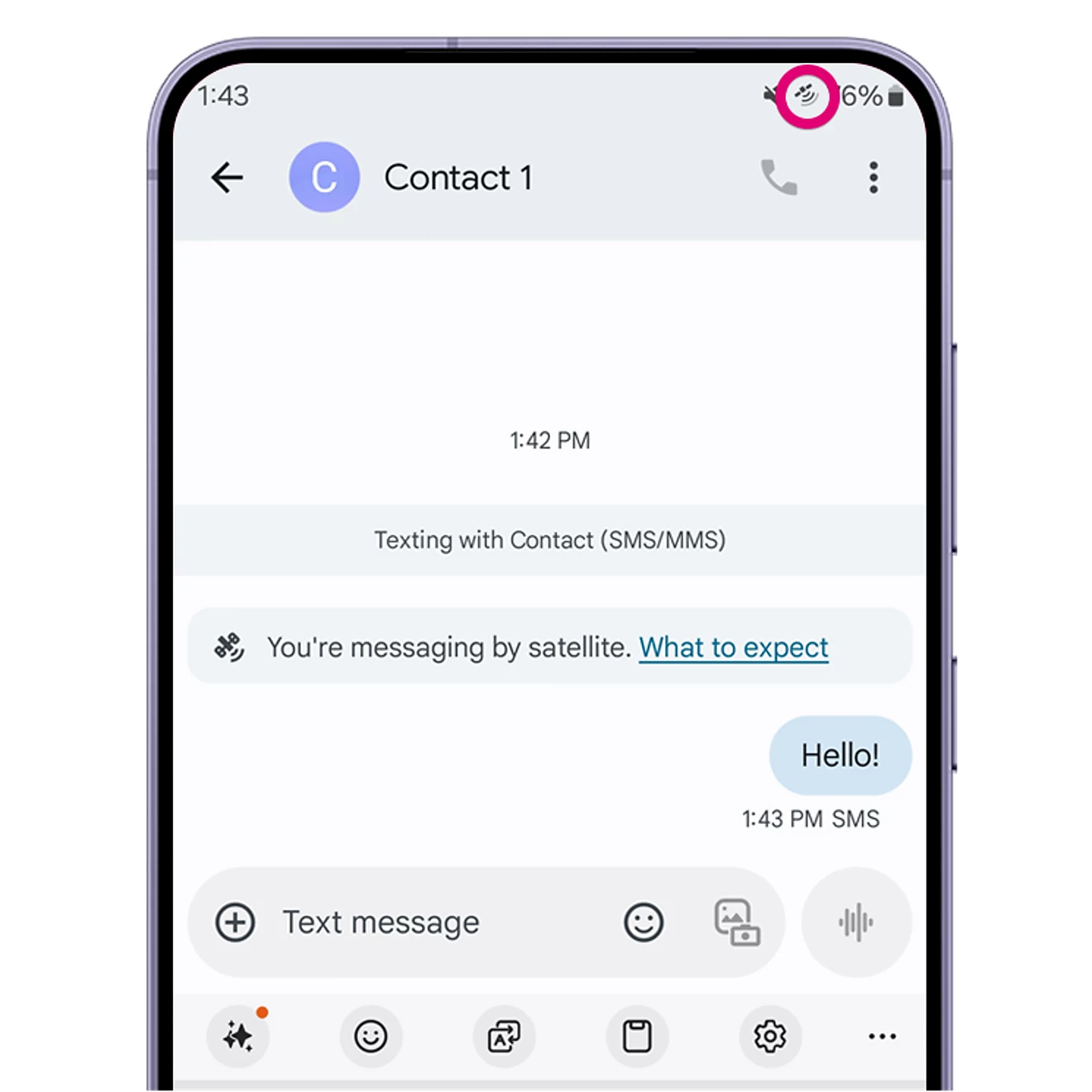
T-Mobile’s satellite system, known as T-Satellite (in partnership with Starlink), utilizes an array of over 650 satellites orbiting more than 200 miles above the Earth. When your phone can't reach a cell tower, it automatically pivots to the satellite network — no special setup, no pointing your phone at the sky.
Enrolment is simple:
- T-Mobile customers can add the service via their account or the T-Life app.
- Non-T-Mobile customers can enrol via a web link provided by T-Mobile.
What to keep in mind
- Texting to 911 is not a replacement for voice call capability — voice still requires terrestrial coverage or a proper two-way satellite solution.
- The service is dependent on “line of sight” to the sky; heavy canopies, deep gorges, or indoor areas may still block access.
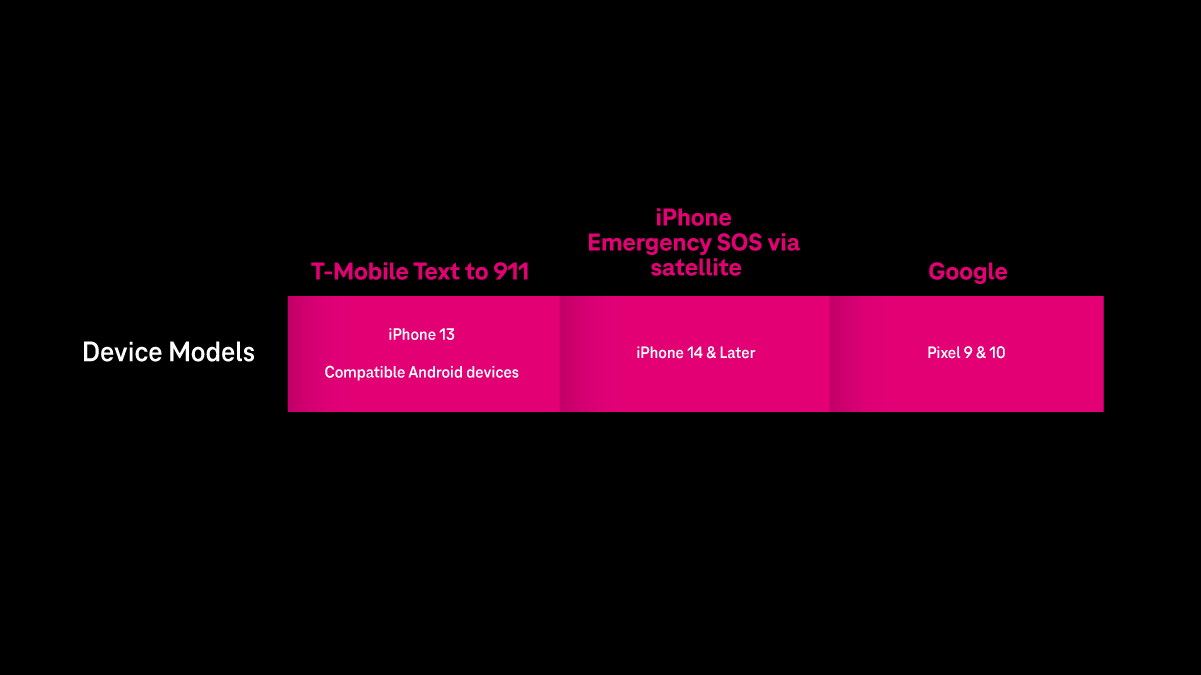
- Device compatibility matters — you’ll need a phone capable of the satellite link. T-Mobile has a dedicated device support page for specific details.
Why this is a smart move
For a tech blog audience, this is more than a press release: it’s a sign of how network operators are evolving beyond mere speed wars into coverage and availability wars. With 5G and future 6G hype rampant, voice/text-for-life safety is still a foundational layer. T-Mobile is staking a claim to that layer, and opening access beyond its own customer base strengthens the case for satellite-augmented mobile infrastructure.
Final thoughts
With this rollout, T-Mobile has removed a barrier many outdoor adventurers, remote workers, and rural residents have long accepted: “If I can’t get a signal, I may be on my own.” Now, at least in texting form, that’s changed. For U.S. wireless users with a compatible device, regardless of their carrier, the option to text for help from a satellite is a reality. That doesn’t make you invincible — but it does make you less alone.