




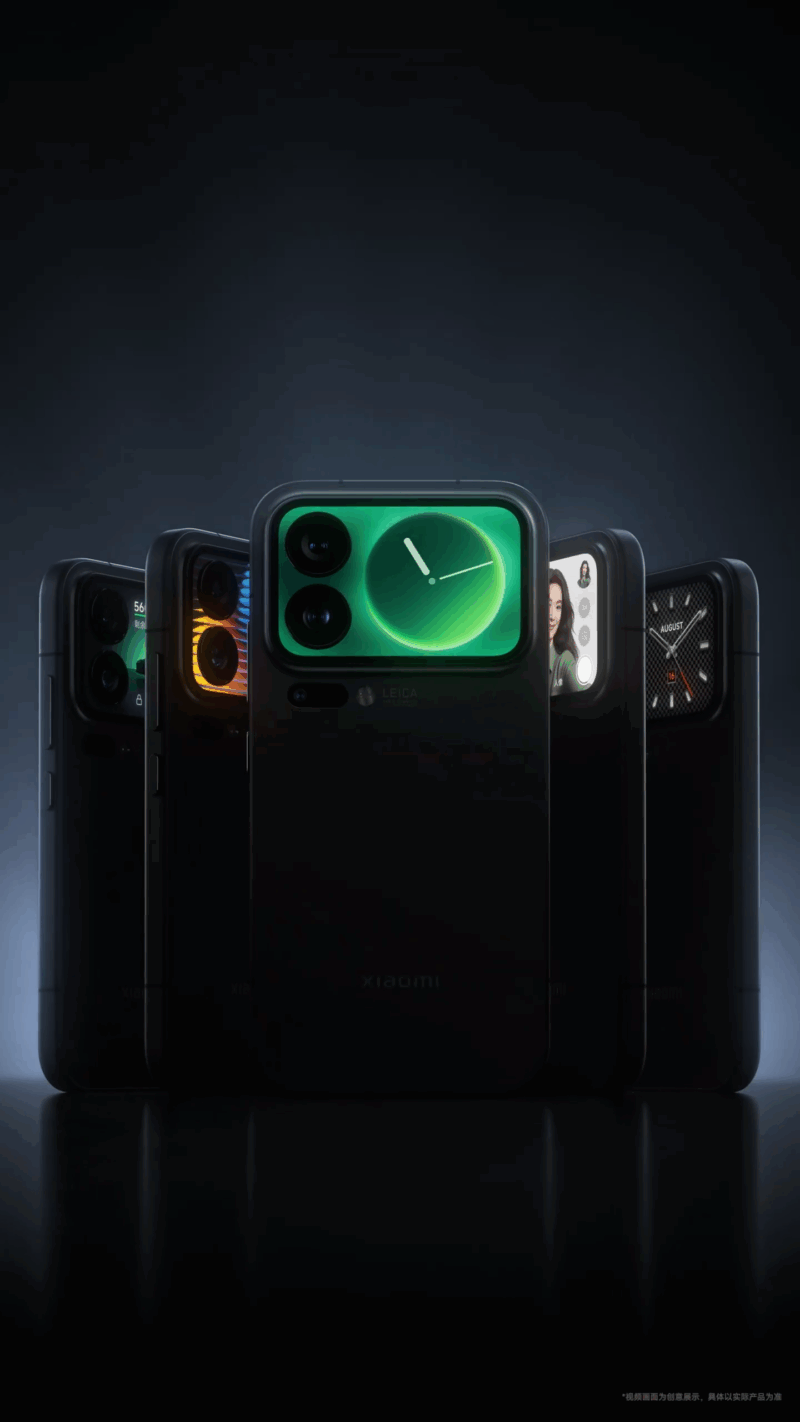
Xiaomi has officially confirmed its upcoming 17 Pro Max will feature a rear secondary display. This bold move distinguishes it from mainstream flagship competitors in 2024, while Apple and Samsung focus on evolutionary tweaks rather than revolutionary changes. Showcased in a high-profile teaser video, this innovative hardware addition underscores Xiaomi's willingness to take risks when established brands play it safe.
Revolutionary Design Confirmed in Global Teaser
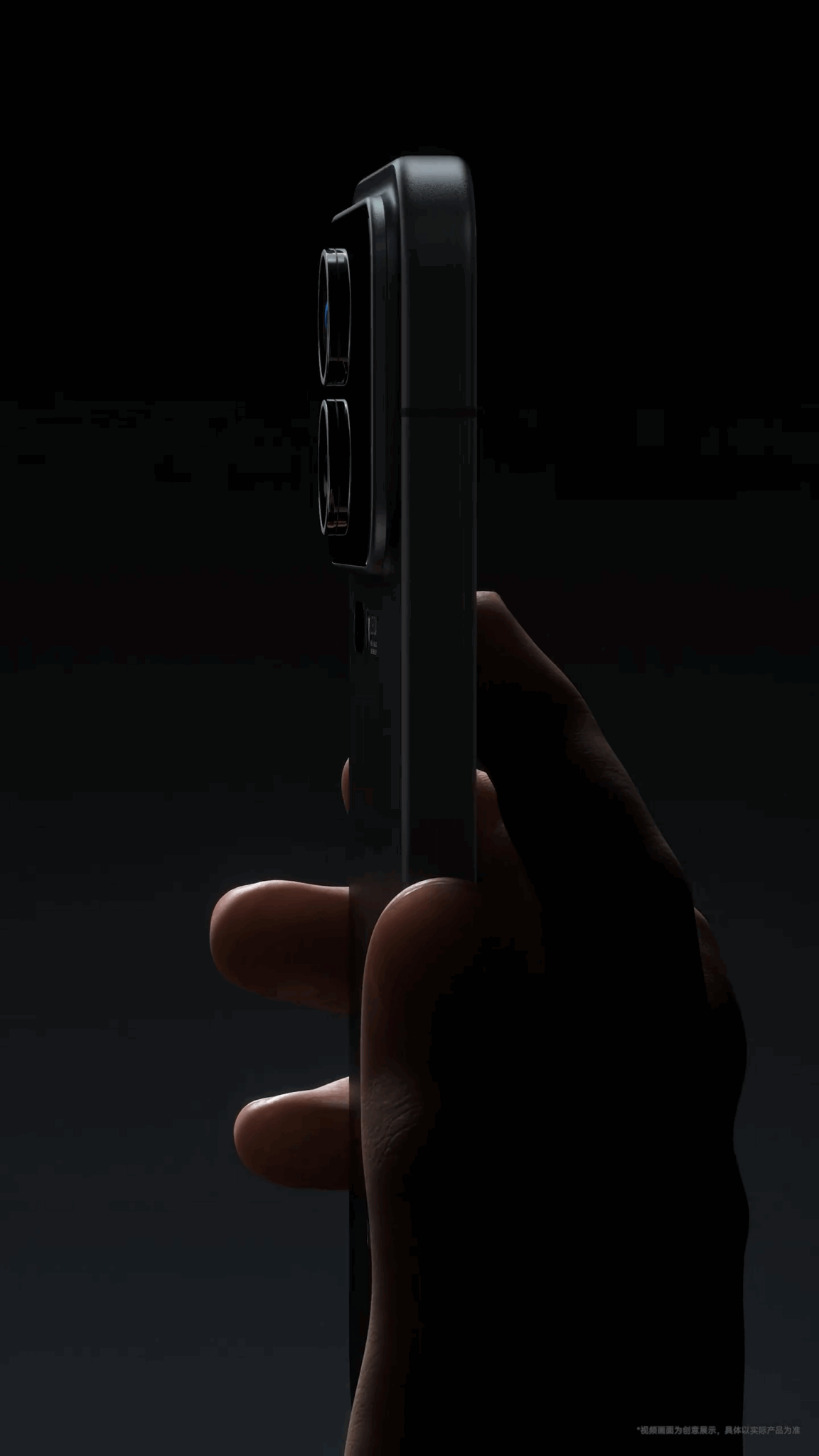
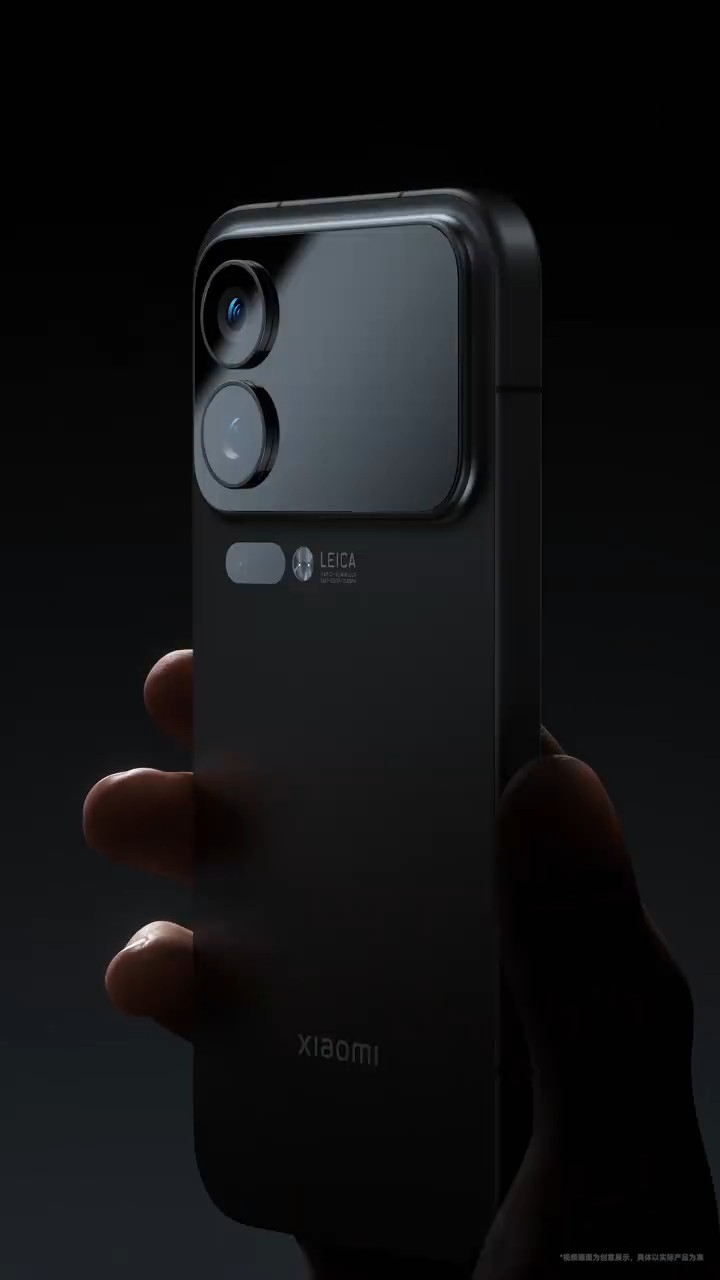
The 17 Pro Max's headline-grabbing rear secondary display has drawn immediate worldwide attention through Xiaomi's latest teaser video. The short clip highlights seamless integration within the camera module, reminiscent of prior experiments but now refined for flagship use. Core specifications include a 6.73-inch 2K AMOLED main display, Snapdragon 8 Elite Gen 5 chip, 6000mAh battery, and Leica-branded cameras. The Pro Max's rear screen serves as the undeniable centerpiece.
Secondary Screen Innovation Details
Positioned beside the triple camera array, the rear display builds on the Mi 11 Ultra's approach with superior polish and functionality. It supports notifications, camera previews, widgets, and quick interactions without activating the main screen. Always-on capability features prominently in teasers alongside contextual widgets. While exact resolution remains undisclosed, AI-driven smart functions promise fluid integration with Xiaomi's Hyper OS. This creates an experience unique among mainstream flagships, setting new standards for dual-screen utility.
Competitors Choose Safety Over Innovation
Leading brands including Apple and Samsung continue favoring incremental updates over groundbreaking features. The iPhone 17 Pro Max focuses on single display quality improvements. Galaxy S25 Ultra emphasizes battery optimization and subtle design refinements. Both avoid visible hardware innovations that could disrupt their established market positions. Only Xiaomi risks flagship market share by introducing radically new concepts others have abandoned.
Real-World Applications and Benefits
Expert insights reveal genuine functionality advantages. Users can leverage superior rear cameras for selfies and video calls while subjects preview their positioning in real-time. Notifications become accessible when phones rest face down on surfaces. Group photo coordination improves dramatically with visible framing feedback. The secondary screen provides backup functionality if the primary display suffers damage, though potential increases in thickness, cost, and battery consumption require careful consideration against these practical benefits.
Market Disruption Through Bold Strategy
Xiaomi positions itself as an accessible innovator in the crowded Android landscape, where major brands hesitate on hardware experimentation. If users genuinely find the secondary screen helpful rather than just a novelty, switchers from conservative rivals could follow. This strategy reinforces Xiaomi's trendsetter image. The company aims to bridge innovation with real-world value, potentially shifting market dynamics by forcing competitors to reconsider their risk-averse approaches in upcoming cycles.
The 17 Pro Max's distinctive rear secondary screen reaffirms Xiaomi's reputation for daring innovation when rivals choose incremental safety. Should this feature prove practical rather than gimmicky, it could reshape consumer expectations entirely. Established brands may face pressure to abandon their play-it-safe strategies, ensuring Xiaomi remains at the vanguard of smartphone evolution for years ahead.


