


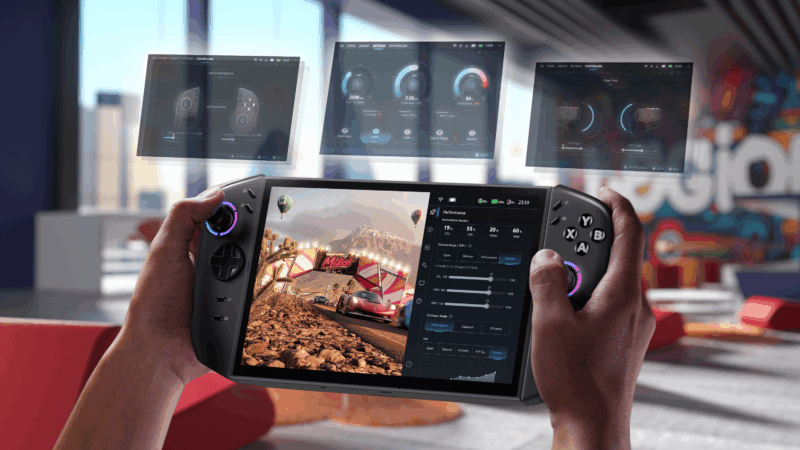
Lenovo's Legion Go 2 will cost between $1,049 and $1,099 according to major leaks. That's a stunning $350-400 price jump from the original's $699 launch. The handheld gaming device, rumored for September 2025 release, promises next-generation OLED display technology, enhanced ergonomics, and revolutionary FPS controls that could redefine portable PC gaming. But the dramatic price increase has the gaming community split between excitement over premium features and concern about accessibility for mainstream buyers.
Premium Price Point Sparks Industry Debate
The leaked pricing positions Legion Go 2 directly against boutique competitors like Ayaneo's flagship models. It significantly undercuts Steam Deck OLED and ROG Ally X pricing strategies.
Many gaming enthusiasts call this a premium miscalculation. Forums buzz with concerns about Lenovo abandoning the mainstream market that made the original successful. Value-focused gamers may migrate toward more affordable alternatives, potentially limiting the device's market penetration despite its impressive specifications.
Revolutionary FPS Mode and Enhanced Controls
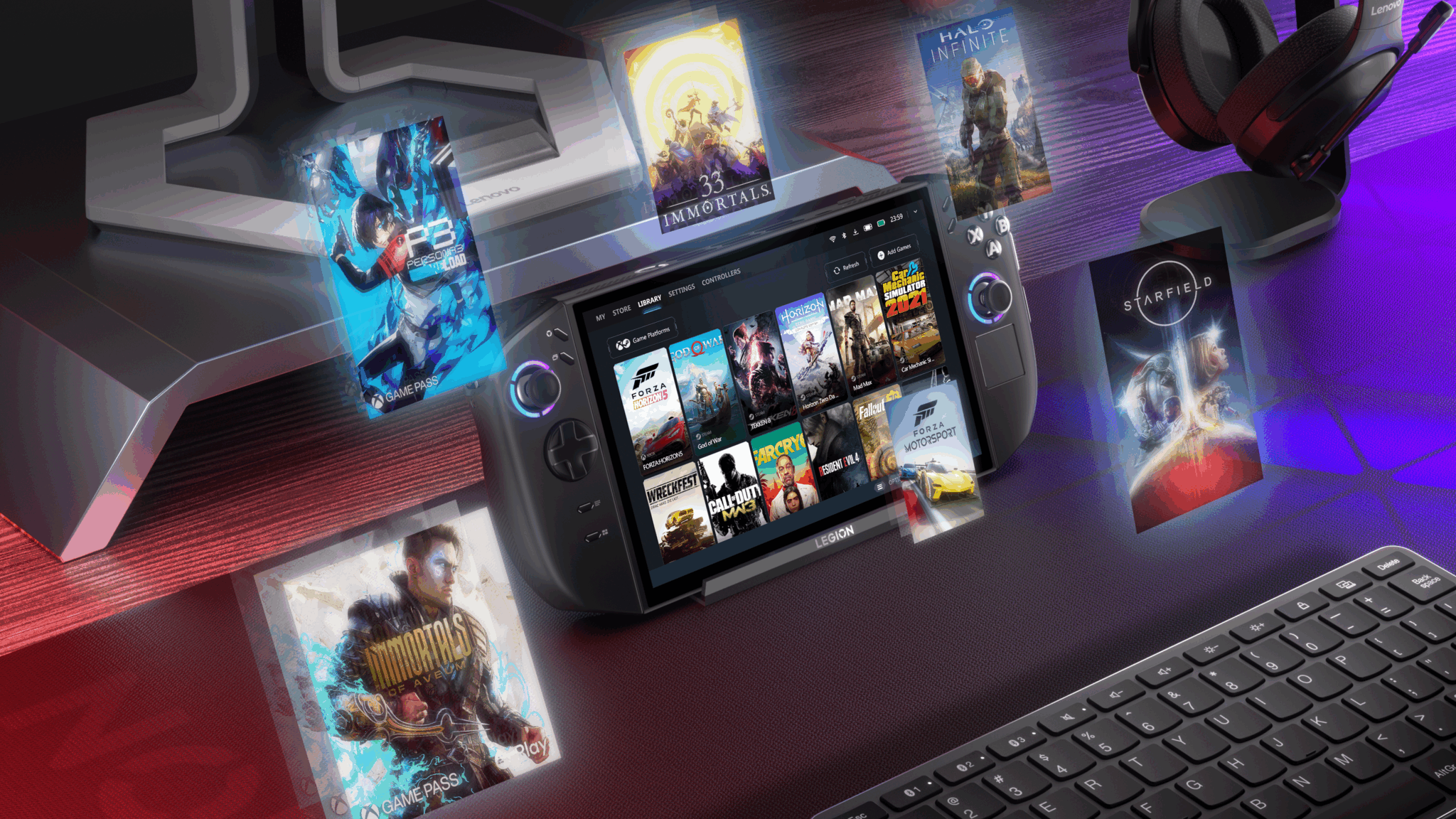
Six programmable buttons enable the new FPS mode. Removable controllers deliver mouse-like precision for competitive shooting games.
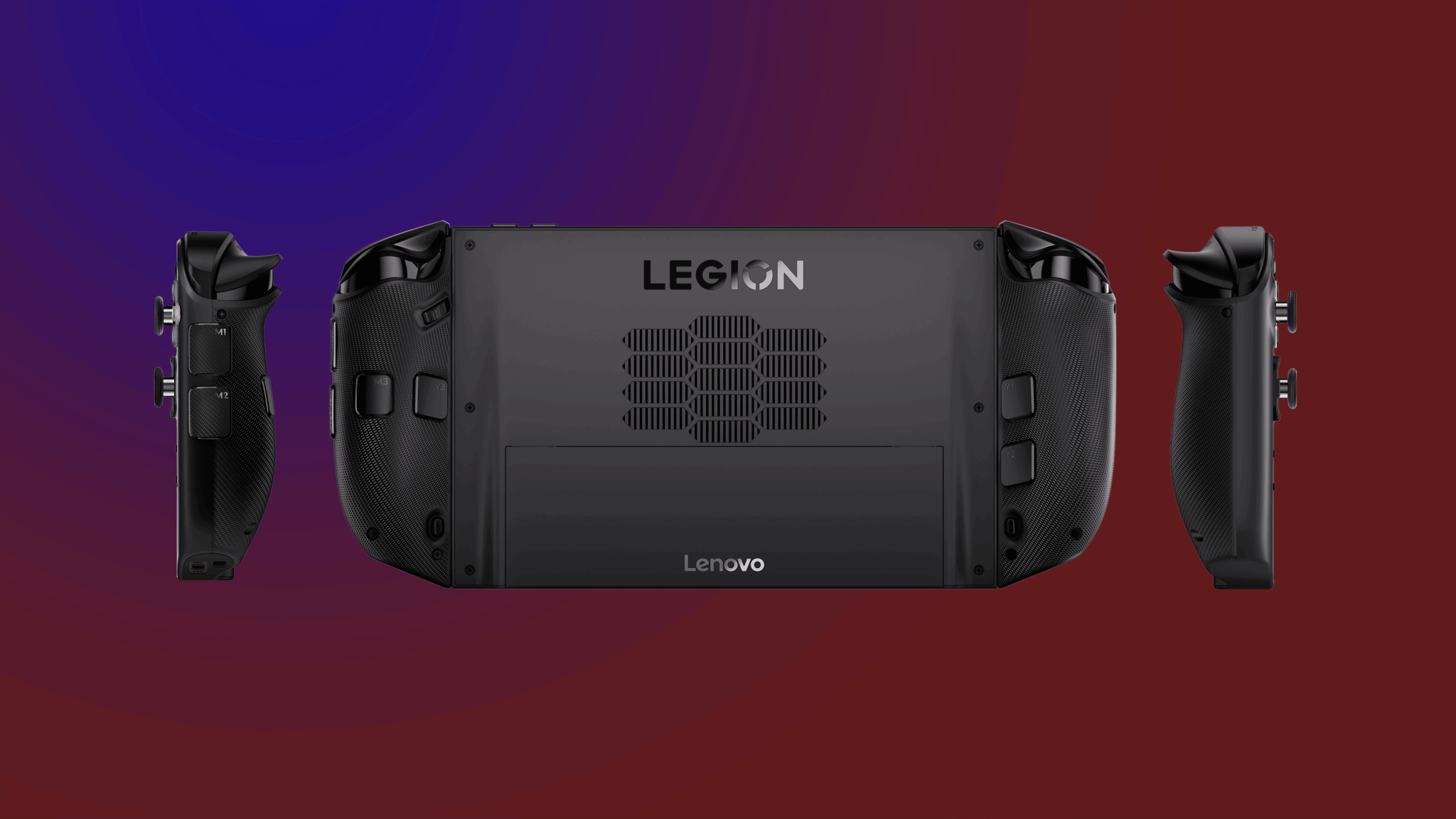
This innovation targets PC enthusiasts and esports players specifically. The hybrid design allows traditional handheld gaming plus desktop-style competitive play. Two pairs of strategically positioned back buttons and responsive triggers support extended gaming sessions without fatigue. Customization options let players program buttons for specific games or playstyles, dramatically expanding the device's versatility across gaming genres.
OLED Display Technology Sets New Standards
The 8.8-inch WQXGA OLED panel supports 144Hz refresh rates with VRR technology. This display specification leaps far ahead of LCD screens found on most competing handhelds.
Buttery-smooth visuals promise ultra-fluid gaming experiences. The OLED technology delivers superior color accuracy and contrast compared to the original Legion Go's display. This premium screen technology justifies part of the price increase, though critics question whether visual improvements warrant such steep cost escalation.
Next-Generation Hardware Specifications
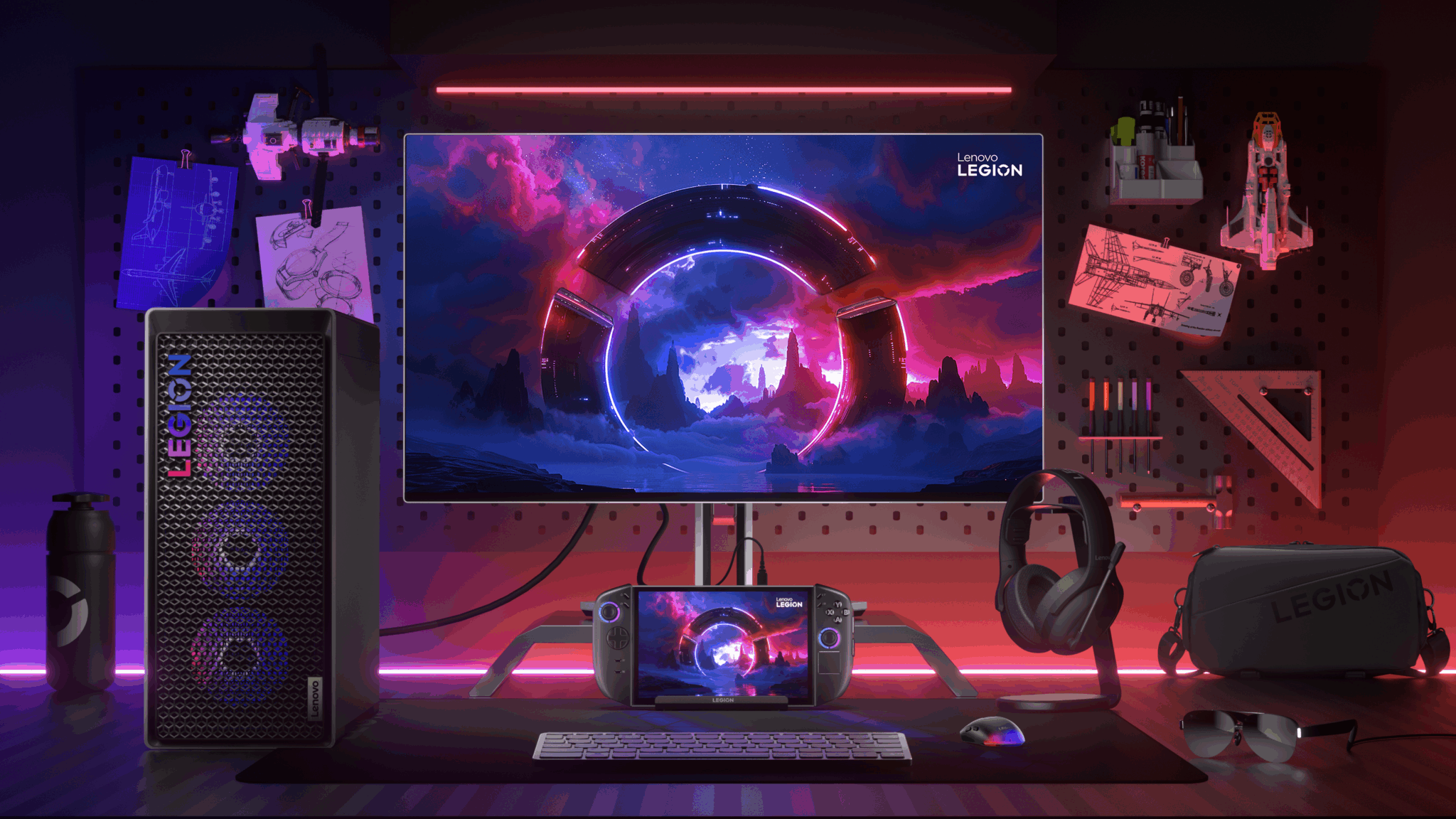
AMD's latest Ryzen Z2 Extreme APU powers the device. Up to 32GB RAM and 2TB storage options provide flagship-level performance capabilities.
The upgraded 74Whr battery promises significantly longer gaming sessions than previous generation handhelds. Dual USB-C ports with Thunderbolt support ensure connectivity keeps pace with processing power. These specifications rival high-end gaming laptops while maintaining portable form factor advantages.
Ergonomic Refinements and Build Quality
Re-engineered grips feature special excimer coating for improved handling and maintenance. Updated button layouts prioritize comfort during extended play sessions.
A fingerprint scanner embedded in the power button adds security without compromising design aesthetics. These physical improvements address common complaints about the original model's ergonomics. Lenovo clearly invested heavily in user experience research, though premium materials contribute to higher manufacturing costs.
Market Position and Competitive Analysis
Legion Go 2 rivals ROG Ally X and Ayaneo 2S in specifications while significantly exceeding Steam Deck capabilities. Large screen size and premium components target enthusiast market segments.
However, higher pricing and substantial form factor may push budget-conscious gamers toward compact alternatives. The device competes directly with gaming laptops in price range, creating interesting positioning challenges. Success depends on whether performance gains justify premium pricing in actual gaming scenarios.
Lenovo's aggressive specifications push creates a new premium tier in handheld gaming. The Legion Go 2 could establish performance benchmarks that reshape industry expectations. But pricing strategy risks alienating the mainstream audience that drove original model success. Official announcement timing in fall 2025 will reveal whether Lenovo's premium gamble pays off in an increasingly competitive market.