



Google's next foldable phone, the Pixel Fold 2, is generating significant buzz in the tech community, with leaked information shedding light on some exciting updates and changes. Based on the previous iteration so far, it is reasonable to expect another May release. But with the expected leaps and bounds in generation hardware, other dates might also be on the horizon.
Skip Tensor G3, Jump to G4?
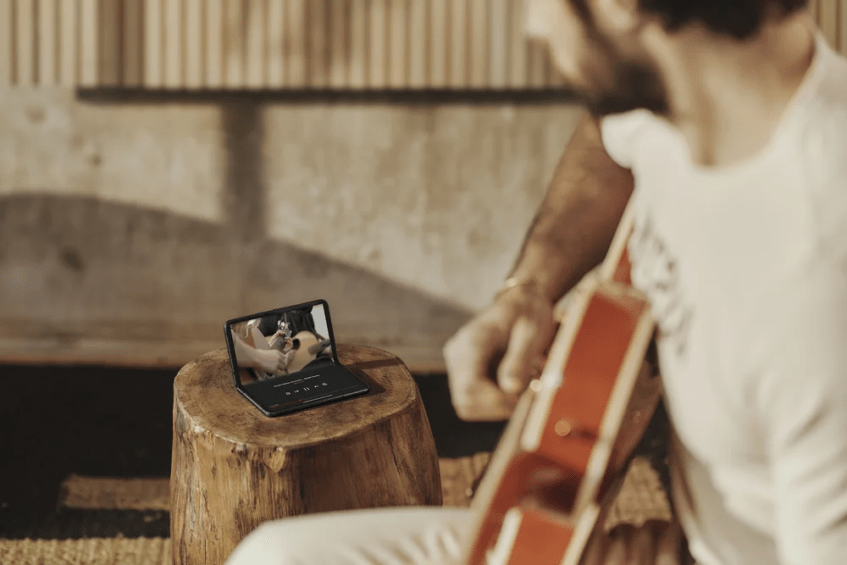
Google is already a very well-known player in the mobile industry when pushing new technologies. When the original Pixel Fold was unveiled last year around May 2023, it sported the Tensor G2, which showcased a whopping 50% better AI processing performance compared to its direct predecessor and some of its manufacturing competitors.
The standard release cycle of the next Tensor G3 SoC (October 2023) puts it at a significant distance between the anticipated earliest release date of the Pixel Fold 2. This is expected to be sometime during the second quarter of 2024.
According to Android Authority, Google may skip the G3 completely, and go with the more updated Tensor G4 instead, even if initial rumors stated that the custom TSMC chip might not be available until 2025. Then again, if we reverse the priority, this could also mean that the launch timeline itself would be affected if Google’s priority is to wait for the Tensor G4 to maintain the phone’s technological edge as a product.
Would it eventually be revealed alongside the Pixel 9 series by the end of the year? If it can't make the May release cut, we hope that this year’s Google I/O event mid-year will be the earliest it could arrive, at least.
Possible Expansion Upgrades

Of course, our anticipated upgrades don’t stop at the chipset; developments even in the regular mobile tech sphere suggest a significant boost in RAM capacity, with a prototype possibly sporting a generous 16GB of LPDDR5 RAM. After all, standard flagships are already moving the minimum from 12GB to 16GB, as we have seen with most smartphone model releases just in Q1 2024.
We can also expect UFS 4.0 to be the next standard. But this is more of the typically known generational updates with new model iterations, so this one may not be as surprising. Because practically, we still somewhat question its actual use since UFS 3.0/3.1 is still pretty much within SATA SSD territory.
Then, there should also be considerable improvements in its Pixie AI tasks and the ease of use. That being said, its uniqueness as an exclusive feature for the Pixel Fold series is generally up for debate, depending on the market you are looking for.
Leaked Form Factor Specs

Even more recently, leaked images hint at a redesigned form factor for the Pixel Fold 2, with a narrower cover screen and a squared inner screen aspect ratio, potentially resembling the OnePlus Open. This shift in design could address challenges faced by wider foldables in optimizing app interfaces and multitasking capabilities, providing users with a more seamless experience.
Notably, the Pixel Fold 2's camera module is also receiving an overhaul, featuring a rounded rectangle design housing a suite of sensors, including a main wide-angle lens, an ultra-wide-angle lens, a periscopic telephoto lens, and possibly additional sensors like a temperature sensor.
This redesign signals Google's obsession with improving photography capabilities while maintaining a sleek and modern aesthetic (that we suppose matches its “cutting-edge” look and feel).
The True Next Step?
Overall, the Pixel Fold 2, at the very least, still promises to be a significant evolution in Google's foldable lineup with all these tantalizing speculations and leaks. However, it could arrive at a much later date than its predecessor.