




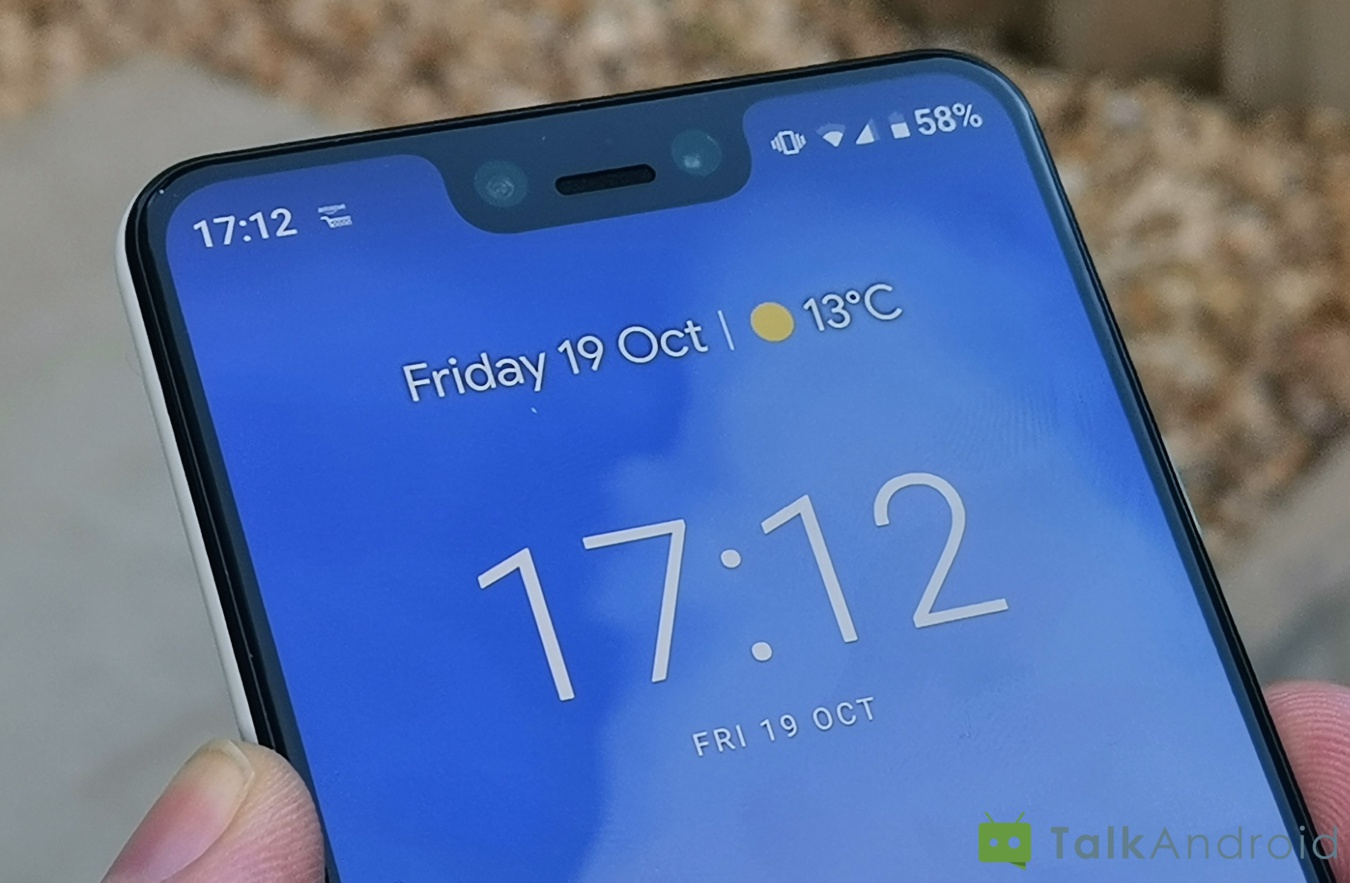
Although Google, through their Android operating system for mobile phones, is in charge of the mobile phone market, in some places it does not seem like it. In the U.S. in particular, Android phone manufacturers have been playing catch up to Apple's market dominance. When Google transitioned their own line of phones from budget-oriented Nexus devices to higher-end Pixel phones, part of the reasoning was to try to counter Apple. Most recently, Google had high hopes that the Pixel 3 devices would finally prove to be magic shot needed to convince buyers to jump from iOS to Android. New figures suggest that effort may be falling short.
A new analysis of consumer purchases of Pixel 3 phones in the U.S. during the fourth quarter of 2018 indicates only 18% of buyers were making the jump to Android from iOS. Counterpoint Research, who conducted the study, also pulled stats for the OnePlus 6T, which saw 16% of their buyers making the switch in platforms.
With only about one-fifth of purchasers changing from iOS to Android, the balance were basically just moving from one Android manufacturer to another. For these buyers, Google had the most success with former Samsung devices owners. Over 51% of Pixel 3 buyers replaced a Samsung phone and fully 31% were replacing old Samsung Galaxy S7 devices. Considering Samsung's market dominance, it should be no surprise that most users transitioning to a Pixel 3 came from a Samsung phone.
Apple's phones – even at just 18% of the total – were actually the second most likely type of phone being replaced by new Pixel 3 owners. Following them were Motorola phone owners who accounted for 14% of the total.
Counterpoint's analysis for the OnePlus 6T pointed to similar results for that device, though not to such an extent as the Pixel phones.
One issue that Counterpoint Research's Jeff Fieldhack points out in looking at the results of the study is how companies can learn from these results how to address the buying desires of consumers who want an alternative to Samsung and Apple. The same could potentially translate to choices made in the market for wireless carriers as 5G services start to hit the market.
source: phoneArena

I’ll take a bezel over notches any day…
that notch is atrocious. I went with an S9+