



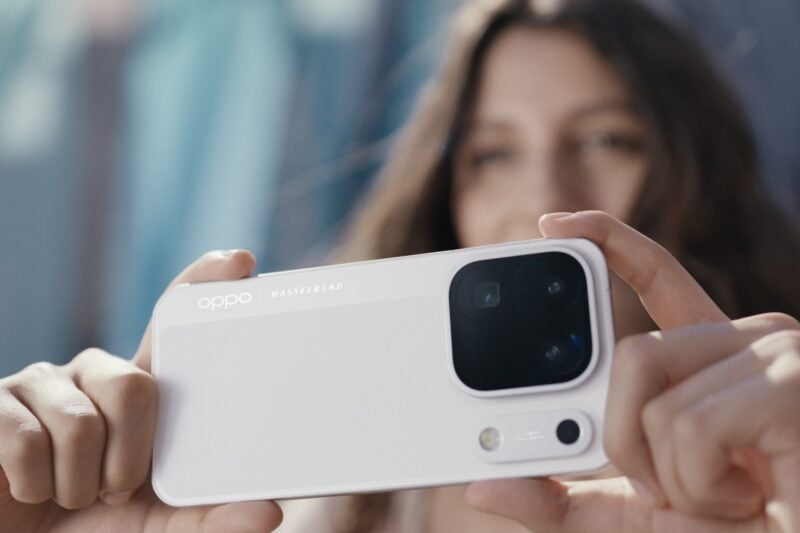
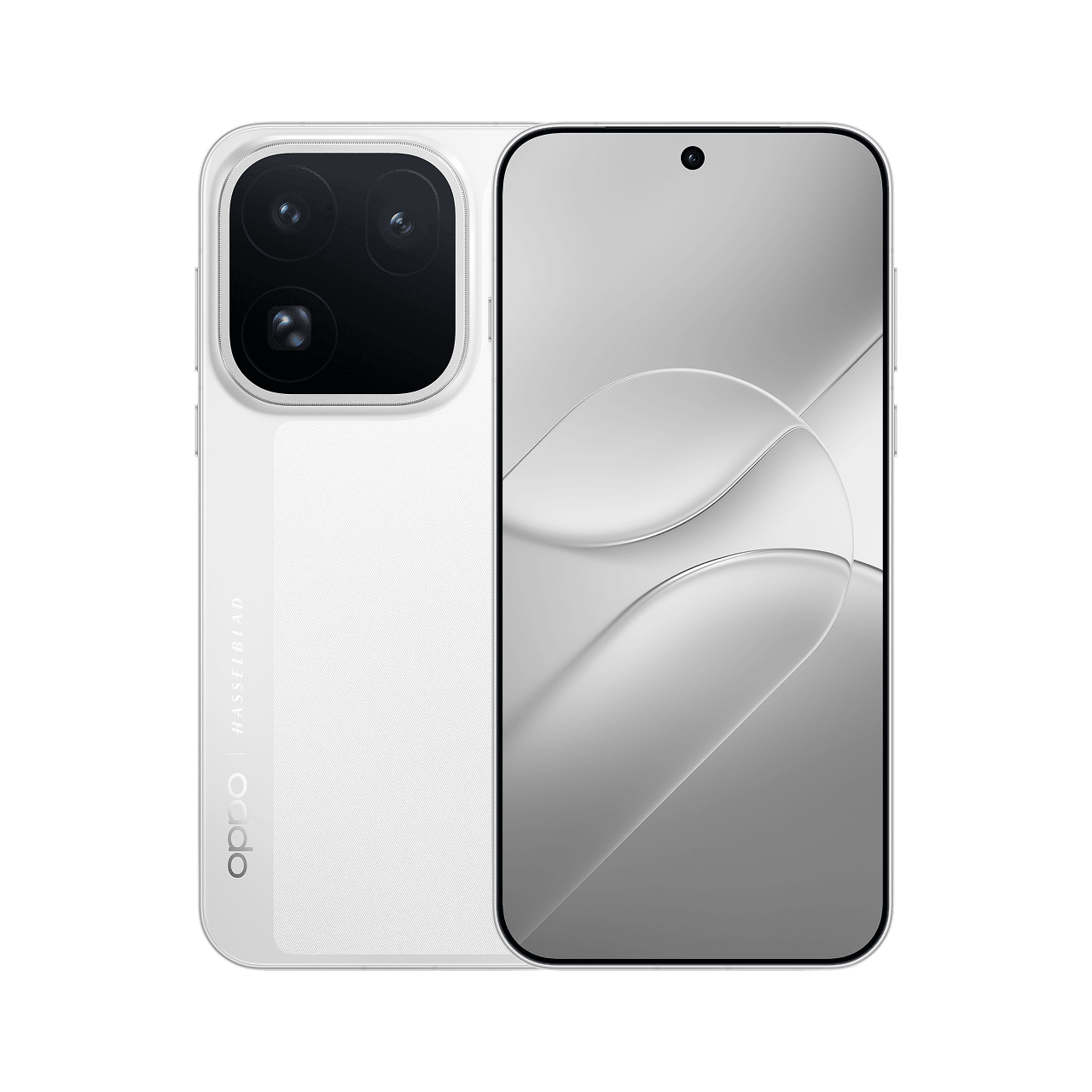
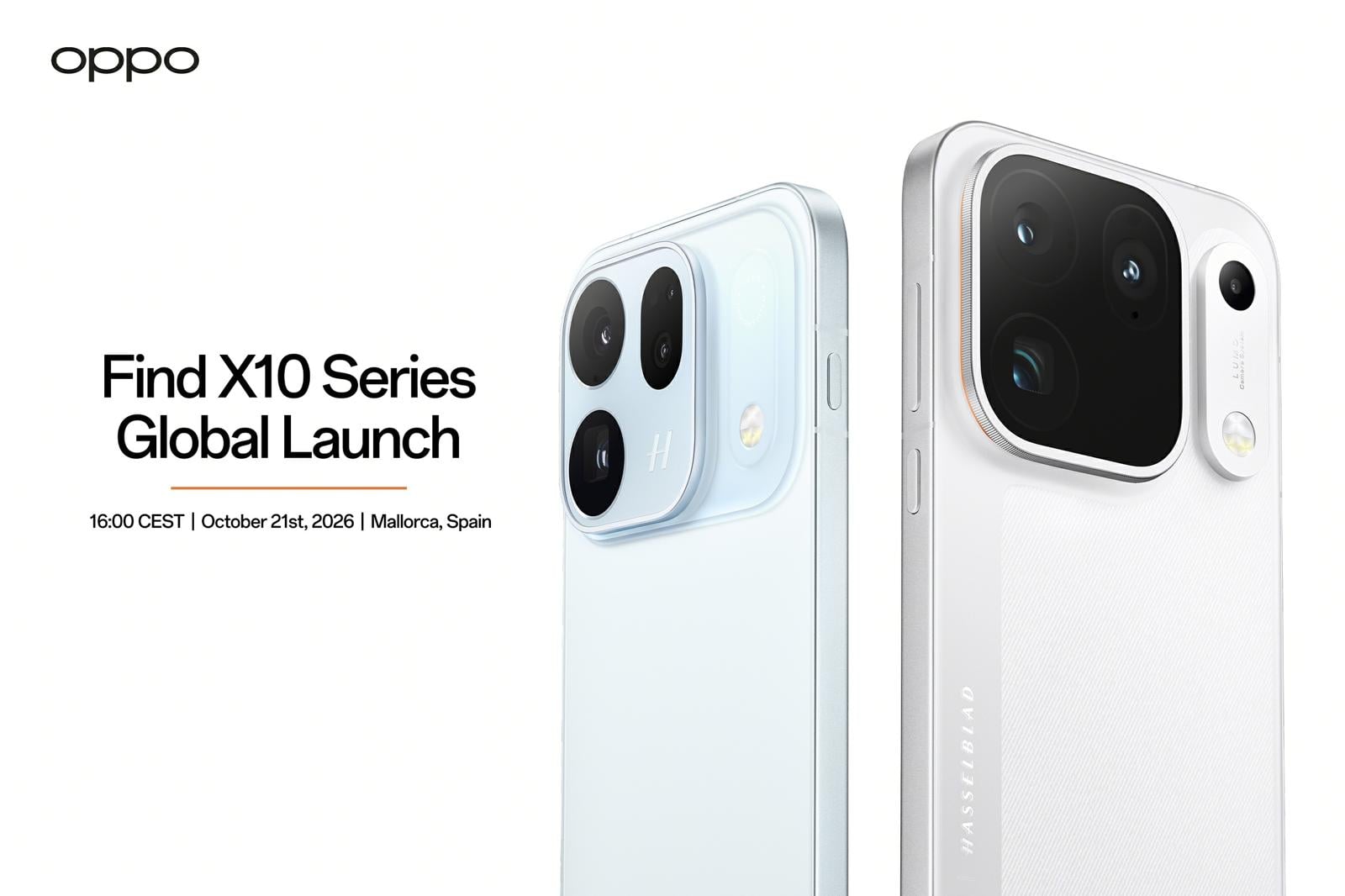
OPPO’s Find X10 Pro Max is shaping up to be a serious contender for anyone who puts camera performance high on their smartphone wish list. The upcoming flagship combines three 200MP rear cameras developed with Hasselblad, a new computational photography engine, advanced video recording features and MediaTek’s 2nm Dimensity 9600 Pro chipset.
OPPO has also confirmed a 7,150mAh silicon-carbon battery, a 6.78-inch LTPO AMOLED display with a refresh rate of up to 144Hz, and support for 80W wired and 50W wireless charging. The company says the phone will launch in international markets, although pricing and the full release schedule have yet to be announced.
Three 200MP cameras lead the way
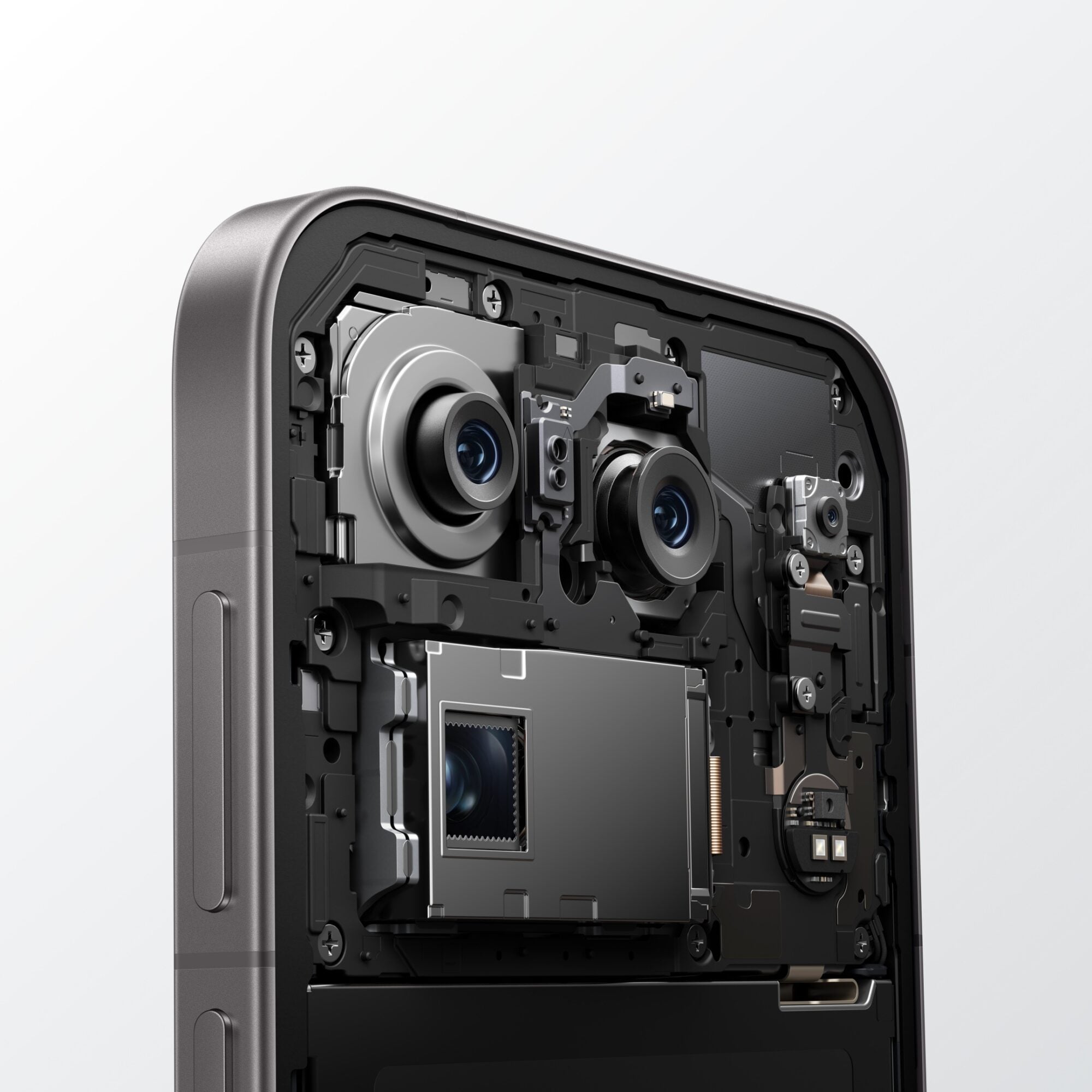
The headline feature is an industry-first triple 200MP rear camera system, with high-resolution sensors covering ultra-wide, main and telephoto photography. All three cameras use optics developed with Hasselblad, with OPPO promising consistent detail and colour across the different focal lengths.
The main camera uses a Samsung ISOCELL HPC sensor measuring 1/1.3 inches, paired with an f/1.5 aperture and optical image stabilisation. OPPO’s DeepPix technology is designed to improve dynamic range, with the company claiming up to 17 stops to help preserve detail in bright highlights and darker areas.
The 200MP ultra-wide camera uses a 1/1.56-inch Samsung ISOCELL HP5 sensor and offers a 124-degree field of view. Autofocus and a minimum focusing distance of 4cm also allow it to handle close-up photography, giving the camera more flexibility than a conventional fixed-focus ultra-wide lens.
Completing the rear setup is a 200MP periscope telephoto camera with a 70mm equivalent focal length, f/2.1 aperture and optical image stabilisation. OPPO says its high-resolution sensor can retain 50MP detail at 6x zoom through in-sensor cropping, while a minimum focusing distance of 10cm enables tele-macro photography.
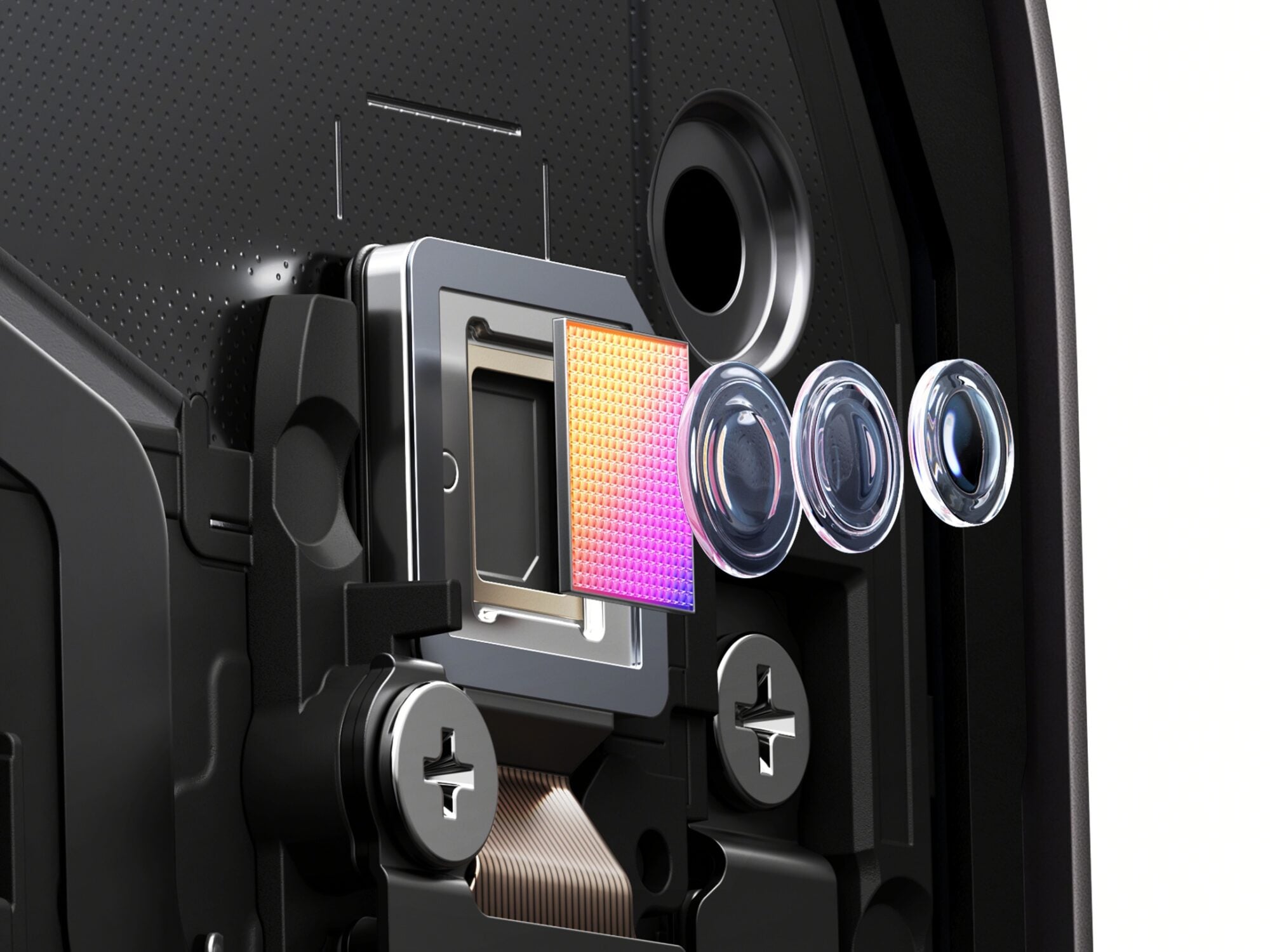
There is also a separate True Color Camera, which captures colour information to help the phone reproduce more natural-looking images. The system works alongside OPPO’s new LUMO True Image Engine, which is designed to avoid the oversaturated colours, excessive sharpening and aggressive HDR processing that can make some smartphone photographs look artificial.
For users who prefer a more restrained photographic style, that approach could be just as interesting as the headline megapixel count. The real test will be whether OPPO can deliver natural colours and consistent results across all three cameras in everyday shooting conditions.
A serious video tool for creators
The camera hardware is only part of the story. OPPO says the Find X10 Pro Max supports 4K recording at up to 120fps and 8K recording at 30fps across all three rear cameras, giving users the option to switch perspectives without sacrificing access to those headline recording modes.
Dolby Vision HDR recording is supported, while the main camera’s DeepPix technology is intended to preserve detail across high-contrast scenes. The phone also introduces Open Gate Capture in Pro Video mode, using more of each rear camera’s sensor area to provide additional flexibility when cropping footage for different formats.
That could be particularly useful for creators who record landscape footage but later want to produce vertical clips. Open Gate Capture supports OPPO’s O Log2 recording format, which retains colour and tonal information for more extensive grading in post-production. Electronic image stabilisation is disabled in this mode, however, so OPPO recommends using a gimbal for steadier footage.
The company has also worked with Blackmagic Design to optimise the Blackmagic Camera app for the Find X10 series. The collaboration brings professional controls for settings such as frame rate, shutter angle, white balance and ISO, alongside tools including focus assistance, histograms and audio meters.
OPPO says the collaboration also enables native Dolby Vision recording within Blackmagic Camera on Android. A dedicated Tilta KHRONOS Creator Kit, meanwhile, adds accessories including a protective case, lens adapters, a tripod and active cooling for extended recording sessions.
For a phone aimed at both photographers and video creators, these features could be more meaningful than another incremental camera resolution upgrade. They suggest OPPO wants the Find X10 Pro Max to function as a more capable production tool, rather than simply a smartphone with impressive camera specifications.
MediaTek’s 2nm chipset powers the flagship
Under the hood, the Find X10 Pro Max uses MediaTek’s Dimensity 9600 Pro, built on TSMC’s 2nm N2P process. The processor features two C2-Ultra cores clocked at up to 4.55GHz alongside six performance cores, with OPPO also specifying a vapour chamber cooling system to help sustain performance under demanding workloads.
MediaTek claims up to 17% higher single-core CPU performance and up to 15% higher multi-core performance compared with the previous generation, alongside a 61% improvement in multi-core power efficiency. Its G2 Ultra NX GPU is also said to offer up to 27% higher peak performance, 24% better power efficiency at peak performance and 18% faster ray tracing.
On-device AI receives attention through a dual-NPU design. MediaTek claims 51% faster large language model prefill performance from its high-performance NPU, while its Super Efficient NPU is 40% more power efficient.
OPPO is also introducing its Laminar Flow Engine, developed jointly with MediaTek. The technology is designed to coordinate rendering and system scheduling more effectively, helping the phone launch apps faster and keep content loading smoothly without unnecessarily increasing power consumption.
A large battery and a high-end display
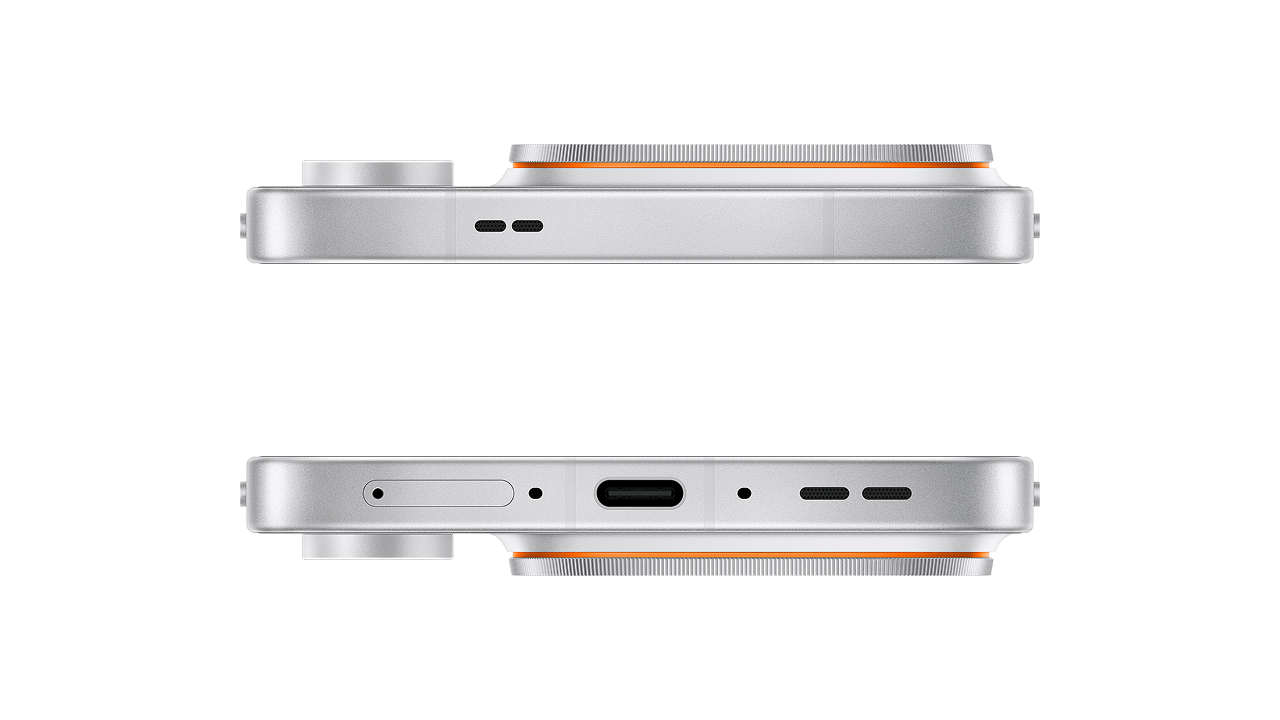
The Find X10 Pro Max houses a 7,150mAh dual-cell silicon-carbon battery, with OPPO saying the design uses 25% silicon-carbon content and is engineered to retain more than 80% of its original capacity after five years of typical use.
Charging options include 80W SUPERVOOC wired charging, up to 55W fast charging with compatible USB Power Delivery chargers, and 50W AIRVOOC wireless charging. Reverse wired and wireless charging are also supported.
The display measures 6.78 inches and uses LTPO AMOLED technology, with an adaptive refresh rate ranging from 1Hz to 120Hz and a maximum 144Hz mode in supported games. Resolution is 2772 x 1272, with a claimed peak outdoor brightness of 3,600 nits and full-screen brightness of 2,000 nits.
OPPO also highlights 95% BT.2020 colour gamut coverage, 10-bit colour depth, a minimum brightness of 1 nit and 3840Hz PWM dimming at lower brightness levels. Dolby Vision support adds to the phone’s entertainment credentials.
The design includes a flat display with symmetrical 1.15mm bezels, an aluminium frame and two colour options: Titanium Grey and Luna White. The phone measures 161.32 x 76.57 x 8.40mm, with the Titanium Grey version weighing 228g and Luna White weighing 226g.
IP66, IP68 and IP69 dust and water resistance ratings are joined by SGS Five-Star Drop Resistance Certification. OPPO also specifies Crystal Guard Glass on the front and rear, along with a 3D ultrasonic fingerprint scanner.
OPPO Find X10 Pro Max specifications
| Specification | Details |
|---|---|
| Processor | MediaTek Dimensity 9600 Pro, 2nm |
| Memory and storage | 12GB LPDDR5X, 512GB UFS 4.1 |
| Software | ColorOS 17 based on Android 17 |
| Display | 6.78-inch LTPO AMOLED, 2772 x 1272 |
| Refresh rate | 1–120Hz adaptive, up to 144Hz in supported games |
| Rear cameras | 200MP main, 200MP ultra-wide, 200MP periscope telephoto |
| Front camera | 50MP with autofocus and 100-degree field of view |
| Battery | 7,150mAh silicon-carbon (8,000mAh in China) |
| Wired charging | 80W SUPERVOOC |
| Wireless charging | 50W AIRVOOC |
| Durability | IP66, IP68 and IP69; SGS Five-Star Drop Resistance |
| Connectivity | Wi-Fi 7, Bluetooth 6.2, NFC, USB 3.2 Gen 1 |
| Dimensions | 161.32 x 76.57 x 8.40mm |
| Weight | 226g or 228g, depending on colour |
A flagship built around its cameras
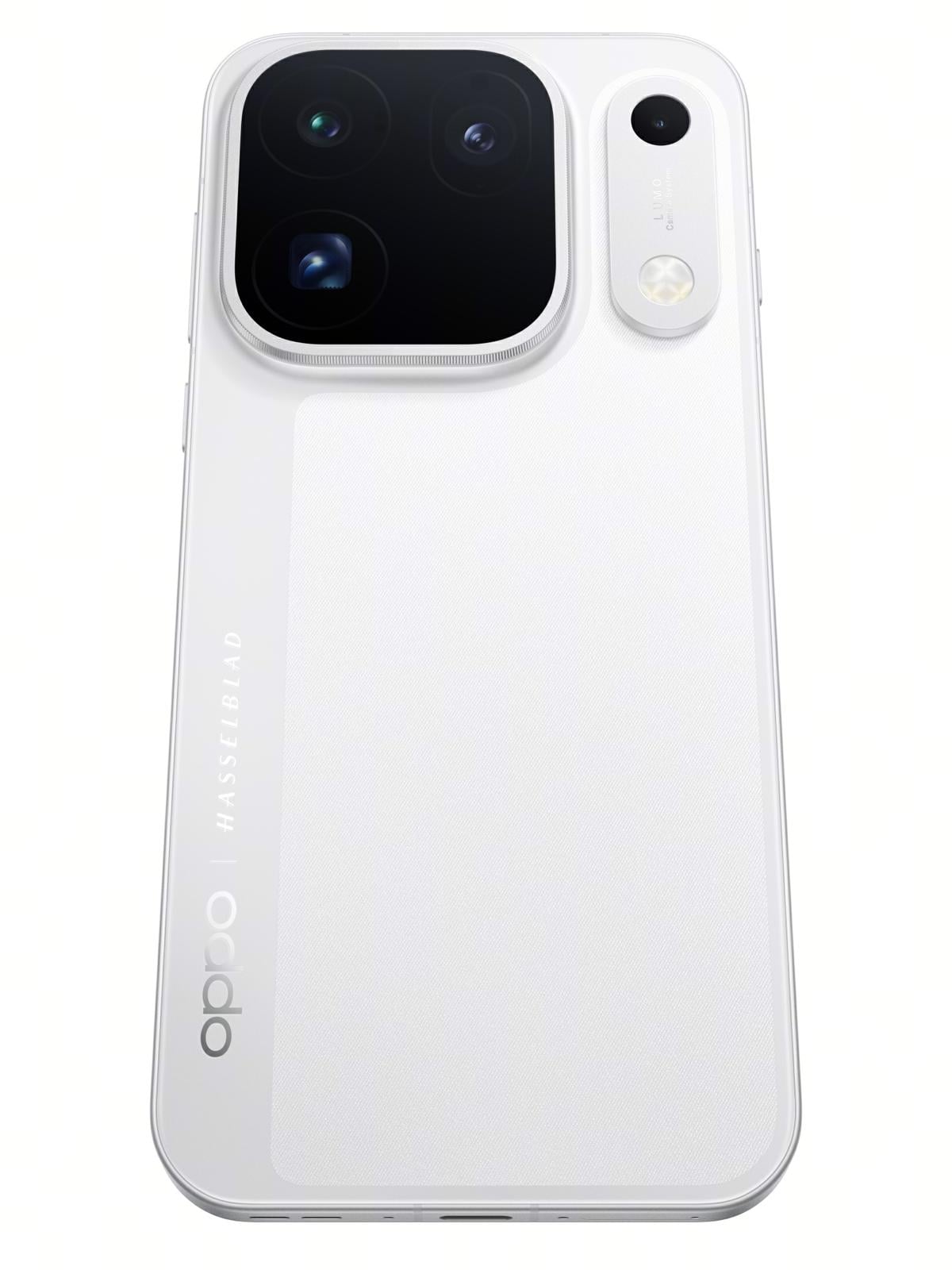
The Find X10 Pro Max brings together an ambitious combination of imaging hardware, professional video tools, a large battery and a new 2nm flagship processor. The triple 200MP camera system is the obvious headline, but the addition of Open Gate Capture, O Log2 and Blackmagic Camera support gives the phone a more distinctive angle for content creators.
Pricing and Availability
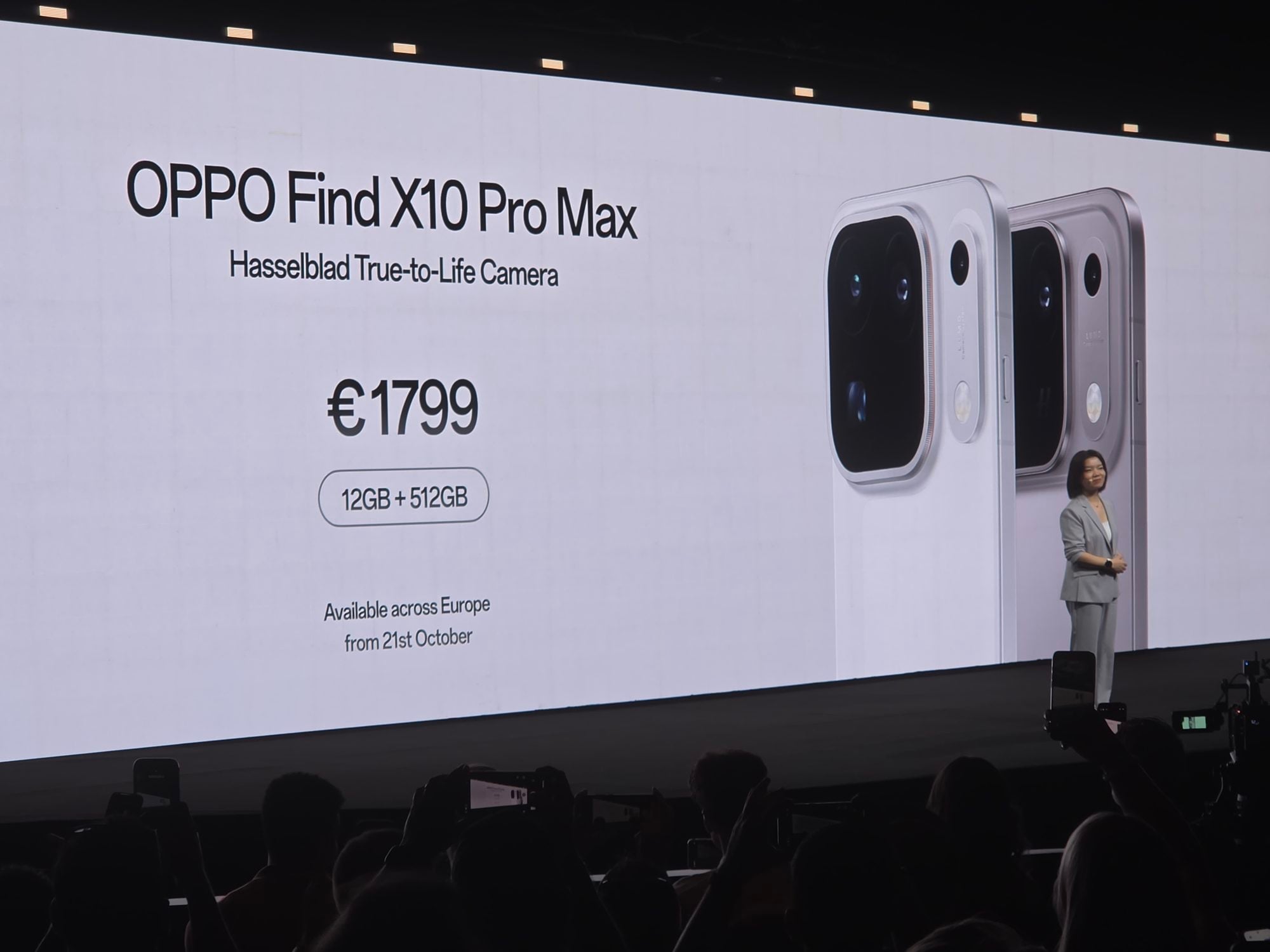
The flagship Oppo Find X10 Pro Max commands a premium €1,799 price tag for the single 12GB + 512GB configuration, landing across Europe starting October 21. If you prefer the standard Oppo Find X10, pricing kicks off at €1,399 for 12GB + 256GB, stepping up to €1,499 for the 12GB + 512GB variant. That pricing makes the wallet wince, and in Oppo's defence, this is likely down to the ongoing RAM shortage which has been driving costs higher. We'll no doubt see other brands passing on the cost of RAM to their customers in the coming months.
Oppo announced the Dynaudio-tuned Enco X4 earbuds on the same day for €219. It also fleshed out the lineup with a dedicated magnetic and photography accessory ecosystem:
- OPPO UltraSlim Magnetic Power Bank (5,000mAh): €69.90
- OPPO SUPERVOOC 67W Power Bank (10,000mAh): €69.90
- Quicksand Shimmer Magnetic Case: €39.90
- Aramid Fiber Magnetic Case: €49.90
- OPPO Hasselblad Teleconverter Kit: €549
The Find X10 Pro Max could offer a compelling alternative for users who want a powerful camera system without carrying a separate camera for every creative task, if your budget stretches this far.