


Not long ago, many drivers said they would try out an electric car, but kept the door open for a return to gasoline. Today, that mindset has almost vanished. New data from CDK Global’s 2026 study reveals that among electric vehicle (EV) owners in the US, hardly anyone wants to go back to gas—and the numbers outline a dramatic shift in attitudes.
Loyalty to Electric Grows Dramatically
Back in 2025, about 21% of American EV owners were considering switching back to gasoline or diesel vehicles. One year later, that share has collapsed to just 1%, according to the new CDK Global report. At the same time, 94% of EV owners say they would never return to a car with an internal combustion engine. Such a swift reversal showcases how dramatically opinions about electric vehicles have evolved.
The 2026 study surveyed 552 US drivers who already own an EV. It sheds light on how their experience over time shapes their enthusiasm and decisions. Most respondents voiced high satisfaction, explained their reasons for sticking with electric, and also pointed to persistent frustrations—mainly with public charging.
Experience Speaks: Satisfaction, Loyalty, Confidence
Among those surveyed, 90% said they would purchase another electric vehicle in the future. An equally strong 92% would recommend an EV to friends or family, and the same percentage intend for their next car to be electric. Overall satisfaction among owners sits at 93%.
A large share, 85%, consider their current EV the best vehicle they’ve ever owned. Another 79% say it’s the best car they’ve driven. These high marks are echoed internationally: in France, electric cars represented 28.2% of all new private vehicle sales to individuals in the first half of 2026, with 241,565 units registered—a growth outpaced only by hybrids. On both sides of the Atlantic, few electric drivers look back longingly at gas.
Everyday Gains Beat Old Habits
Why has enthusiasm for EVs soared? Owners point first to practical savings. Cheaper electricity (in most areas) and lower maintenance make the total cost of owning an EV attractive compared to gas models. Many highlight the quiet, smooth ride and instant power as making electric cars a pleasure to drive. For a majority, these features makes their electric car their favorite so far.
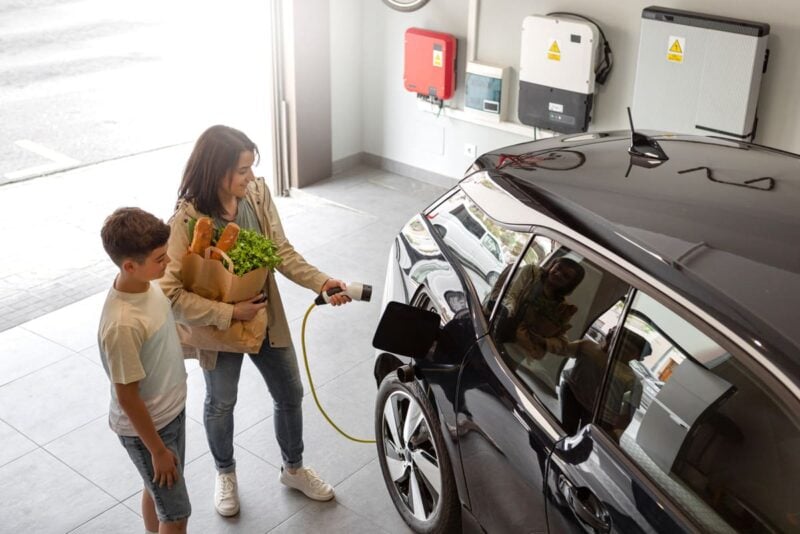
Before they bought, most drivers worried about range—how far the car would go on a charge. But that anxiety faded after living with an EV. Owners report that charging at home is the norm, and they appreciate starting each day with a nearly full battery, eliminating the need for gas station stops. Confidence on longer trips is high, especially when fast-charging stations are available along the route.
Interestingly, satisfaction with electric grows with time. Long-term EV owners are even more loyal than newer converts. One changing trend: 11% of respondents now also own a gasoline vehicle (up from 0% in 2025), suggesting some households are adding a gas car alongside their EV, rather than switching back.
Public Charging Still a Pain Point
Despite mostly positive feedback, public charging remains a sticking point for many drivers. Calls for more stations, greater reliability, and faster charging speeds were common among those surveyed. The fact that most charging happens at home helps offset worries about the public network for now. As drivers settle in, the initial range anxiety reportedly fades, replaced by new routines and growing confidence in battery management.
Whether the public charging infrastructure can improve fast enough to keep up with expanding EV adoption is still an open question. For the small percentage still tempted by a return to gas—just 1% after the plunge from 21% a year earlier—changing networks may be the last hurdle.
Broader Surveys Confirm the Shift
Other global and US surveys support CDK’s findings. The Global EV Drivers Alliance indicates that 92% of electric car owners want to stay electric, and just 1% would consider going back to gas. J.D. Power’s research reports that 94% plan to buy electric again, and only 12% are considering hybrids or combustion vehicles. All these figures underline one clear point: going back to gasoline is now a vanishingly rare choice among experienced EV owners.
At this rate, those who pine for the smell of gasoline and the rumble of a combustion engine may soon have no one left to commiserate with—loyalty to electric vehicles is stronger than ever, and still rising.