



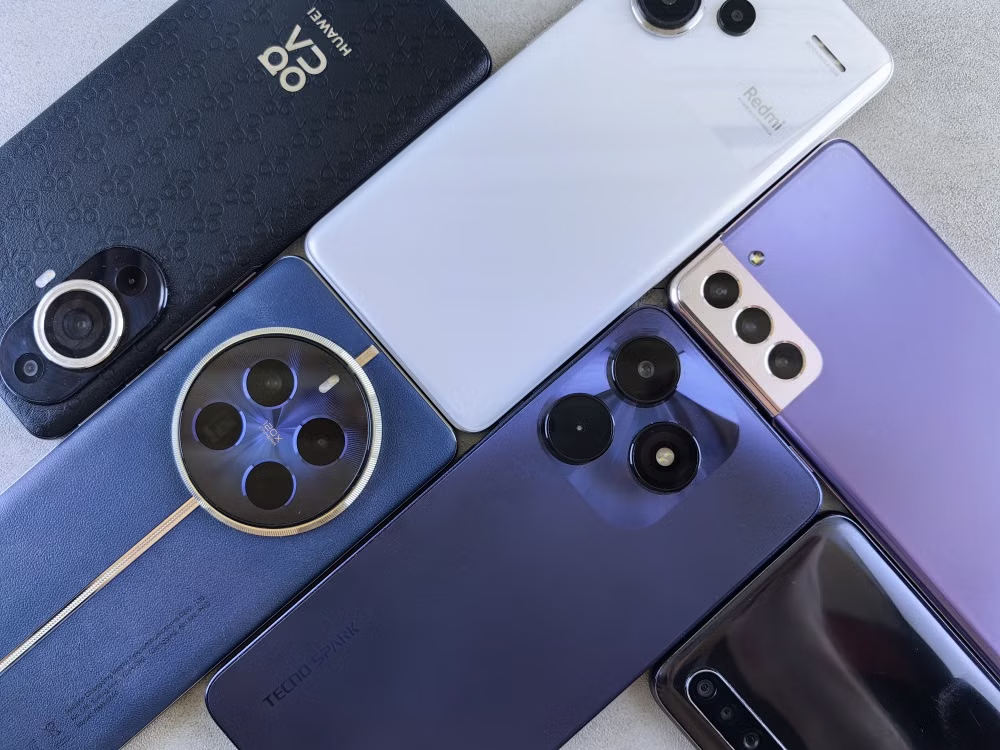
Image Source: Pexels
Smartphones are an essential part of our everyday life, but there are still many misconceptions surrounding how they work. Despite decades of development, old advice still continues to circulate online and through word of mouth, making smartphone ownership more worrisome than it needs to be.
From fears of fast charging destroying your battery to thinking that closing all your apps makes your battery last much longer, many of these generally accepted “facts” result in people misusing their devices and can even result in damage. While some of it may have been true for older devices, newer, more modern smartphones work differently. Below are some common myths that need debunking and why we still continue to believe them.
Unlimited Data Lets You Use As Much As You Like
When you see the word unlimited, you might think it's safe to assume that's what you're getting when it comes to data usage. Customers are going to assume there are no restrictions whatsoever, thinking they can stream, download and use a hotspot as much as they like. This is usually not the case for most smartphone SIM providers. According to SIM Only Finder’s analysis of unlimited data limits, many network operators actually set a cap between 600 and 650 GB for their “unlimited” plans. In some places, it will be as low as 450 GB.
Operators can either set a hard cap or have wording within a contract about “fair use”. This allows providers to prevent what they see as excessive use. If you reach the limit or go over, this allows companies to start penalising you. They have options such as throttling internet speeds, enforcing roaming limits and prioritising other network users.
It's always best to check the network provider's terms and conditions before assuming you’re getting what you think is unlimited data. On the flip side – the chance that a person is going to need more than these limits is extremely low – the same research suggests users only use 10.6 GB a month on average anyway.
You Need To Charge Your Phone To 100%
It has become most people's normal habit to put their phone on charge and wait till it's 100%, each and every time. A lot of people believe that in order to prolong your phone's battery, it needs to be fully charged and discharged to maximise its lifespan. It's not completely incorrect, with older devices, but times have changed, and new technology means new methods of keeping batteries at their best.
Lithium-ion batteries that are now in the backs of all our smartphones slowly degrade each time they complete a charge cycle. What that means is each time a battery sits at 0% or 100%, especially for long periods of time, the battery is placed under more stress and can degrade. It's why many phones now have optimised battery charging – delaying that last 20% charge until close to the time you get up in the morning so it sits at 100% for much less time.
It doesn’t mean completely stop charging your phone to 100% every time. It just means that keeping your battery full every day all the time will start to have a negative impact on your phone battery’s lifespan. Be more comfortable with seeing your phone at around 80% charge. With many modern phones, that's plenty to get you through the day; if not, you can carry round a power bank or you can just do a quick charge once to top it up later.
Shutting Apps Fully Saves Battery
If you think something is running in the background, then it would be safe to assume it's using up the battery. That's not quite right. Seeing apps open might give the impression they’re all actively running and draining the battery, but that's not what's happening on your phone.
Most apps that are open that you’re not actively looking at are, in fact, not running. They’re suspended. It means they are effectively frozen until you want to reopen them. That means they’re not actively running in the background and using up your battery. Instead, they actually save battery. If you force close an app, it takes much more processor power and therefore more battery to reopen it fully.
In theory, it is better to have all your apps open “frozen” than having them all closed. The only time you should consider closing an app fully is if it's crashing, frozen or has other technical issues.
More Signal Bars Equals Faster Internet
We’re used to seeing how much signal our phones have as those small bars, indicating its strength and assume more bars means faster internet. In reality, that's not how it works. Signal strength will only tell you how well your phone is able to talk to the nearest mobile tower, not how busy the tower is.
What a lot of us don’t realise is that just because the signal is apparently strong, what we’re unable to see is how many people are using the network at that time. Mobile networks can only deal with a certain amount of data before slowing down, even if the signal is strong. This can mean you’re in the centre of town, full bars and your messages are unable to send, or your screen cannot load, but you could be in the middle of a rural village with very little signal, but as there's no one else around, everything sends or loads instantly.
There's not a lot you can do outside of your home, but understanding how it works might make you feel a little bit less frustrated next time you’re trying to send a message, and it's not going through.
It's fair to say that not every piece of smartphone advice needs to be taken seriously. Many myths surrounding our devices do have some truth to them, whether it's from older technology or just simple misunderstandings of how our devices operate. The issue comes when you believe these myths, and they can potentially start unnecessary habits or, worse, end up damaging your device anyway. Understanding how modern devices work and staying informed can help you avoid falling for common misconceptions and help you to protect your device more effectively.