


Samsung’s London Unpacked event introduced new Galaxy foldables, watches, AI glasses, and ecosystem services. They were centered on on-device AI, privacy, health, and cross-device continuity. Here are keynotes from the event.
Galaxy AI Is becoming a cross-device layer
Samsung kicked off the show convincing everyone that Galaxy AI is becoming the center of the entire Galaxy ecosystem. The company doesn't want AI to live only on your phone anymore.
It wants it to follow you from your phone to your watch, TV, and even the AI glasses teased at the event. Your devices already know enough context to remind you about meetings, surface useful information before you ask, and generally do more thinking for you.
The reassurance is that Galaxy AI relies on Knox security, on-device AI processing, and a Personal Data Engine. Combined, they keep sensitive information on the device whenever possible. A new privacy dashboard will now show you what information AI accesses and give you control over how it's used.
With Now Brief, you can create personalized summaries that pull together your schedule, weather, traffic, and reminders into one place. Now Nudge surfaces suggestions when they're relevant.
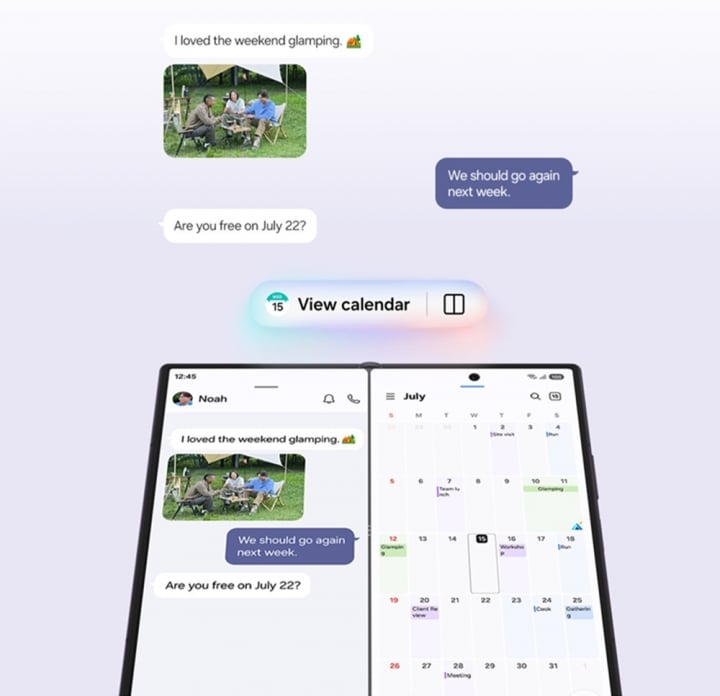
During one demonstration, someone mentioned a meeting in a conversation. Rather than waiting for the user to open the Calendar app, the phone recognized the context and suggested checking their schedule. On the Galaxy Z Fold's 8 larger screen, the user could view the calendar alongside the conversation and respond without switching back and forth between apps.
Galaxy Z Fold lineup is thinner and more capable
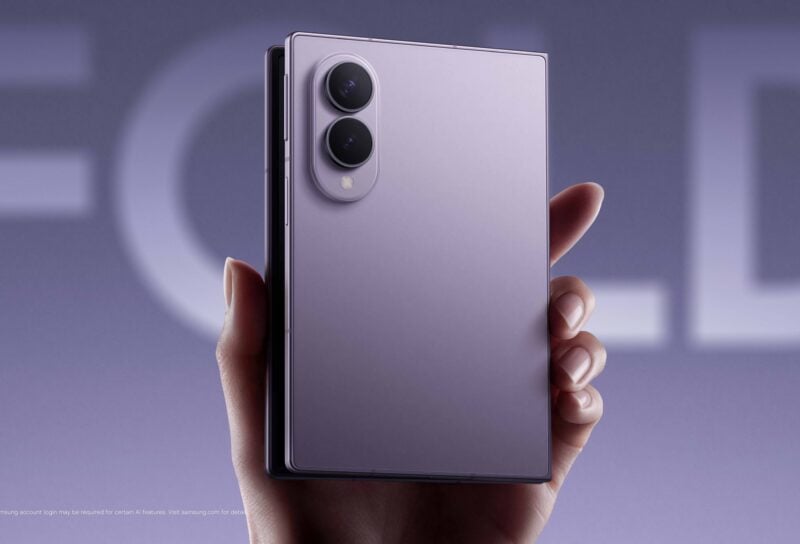
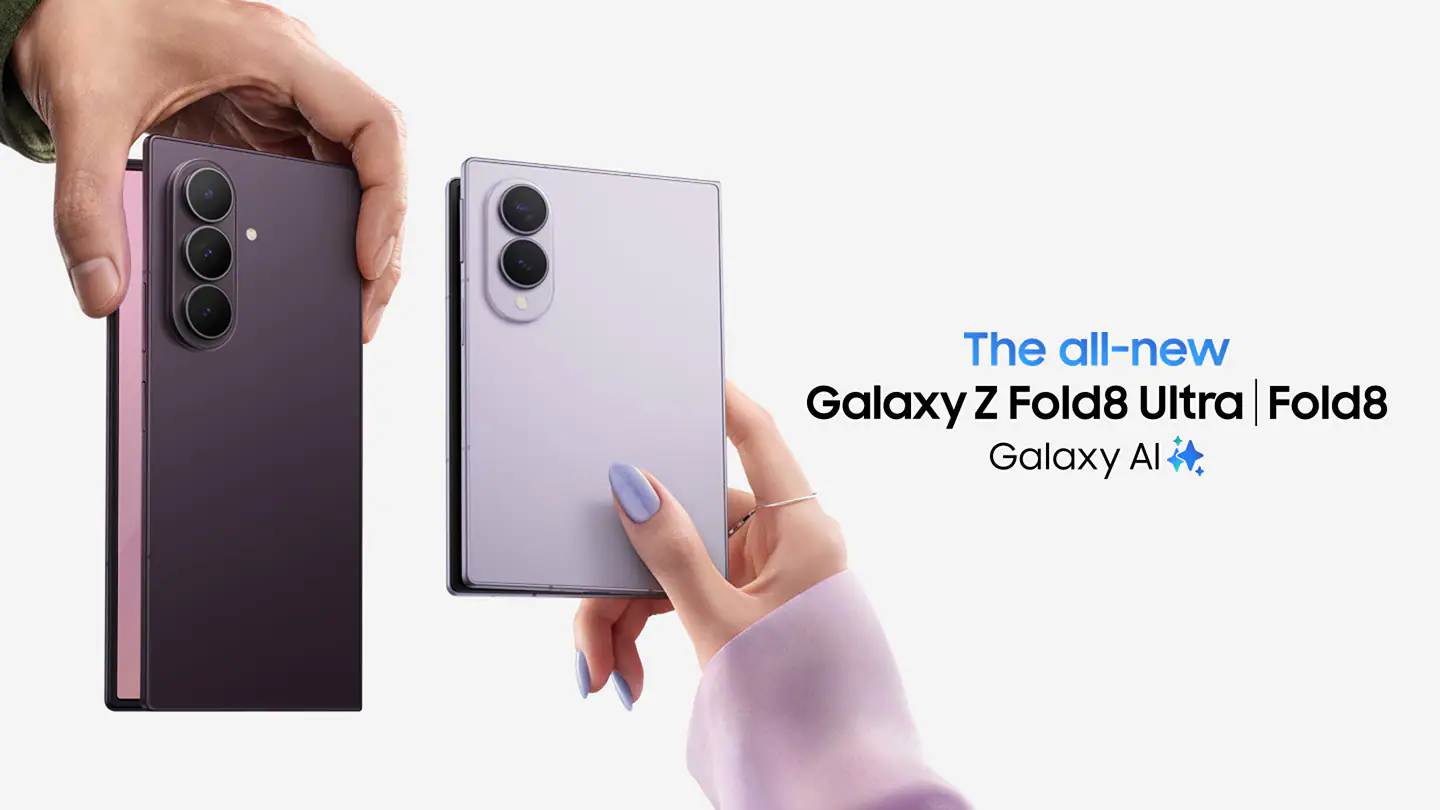
The Galaxy Z Fold 8 Ultra is the most advanced foldable. Samsung discussed the engineering behind the design. It explained that it replaced parts of the display stack with a titanium alloy film and a flexible titanium plate underneath the OLED.
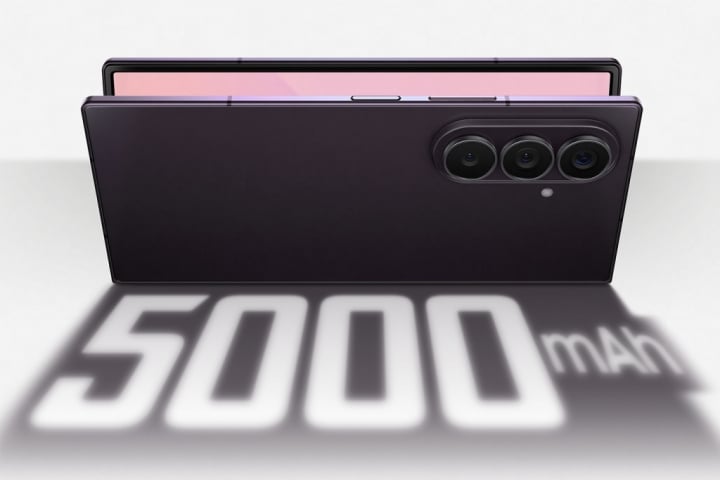
It also introduced a larger 5,000mAh battery using silicon-carbon anode technology, which improves energy density and lets the manufacturer fit the larger battery into a thinner body. Thanks to independent charging paths for its dual battery cells, the Fold 8 Ultra can reach 57% charge in 30 minutes.
The demonstration revolved around multitasking, editing photos on the larger screen, dragging meeting files into Gemini Notebook for AI-generated summaries, and using Galaxy AI to handle little tasks before you even think about them.
One example showed the phone recognizing someone mentioning a meeting and immediately suggesting that you open your calendar to check your availability.
Next, we saw the regular Galaxy Z Fold 8. It borrows many of the same improvements, and it's the foldable for people who want a lighter device that adapts to whatever they're doing.
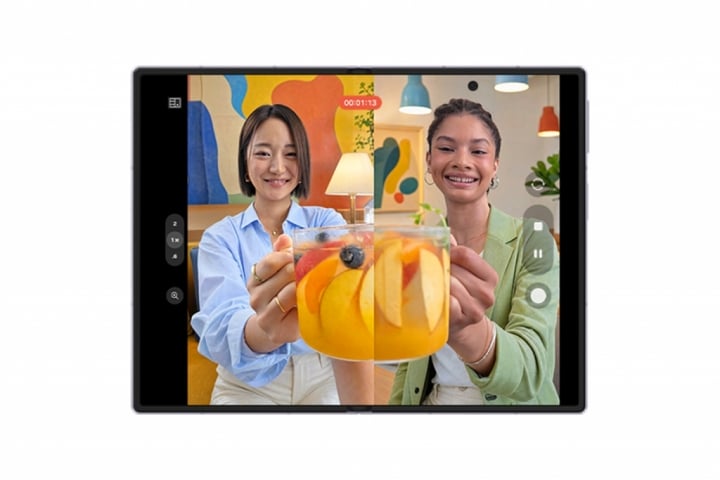
Watching YouTube fills more of the display with less black space, games benefit from the wider screen, reading articles feels more natural, and editing photos becomes easier because you can compare the original and edited versions side by side. There's an AI-powered My Fan Cam feature that automatically follows one person in a group video and reformats it for social media.
To our entertainment, there was even a live and comical Spider-Man-themed presentation to demonstrate the both phones’ multitasking capabilities.
S Pen support is gone, gone, gone
Neither the Galaxy Z Fold 8 Ultra nor Galaxy Z Fold 8 works with the S Pen. This change continues what Samsung did with the Galaxy Z Fold 7 when it removed stylus support.
It had to be done to make the phone thinner. The manufacturer removed the digitizer layer from the display, which detects the S Pen's position and pressure. Without it, phones cannot recognize a stylus.
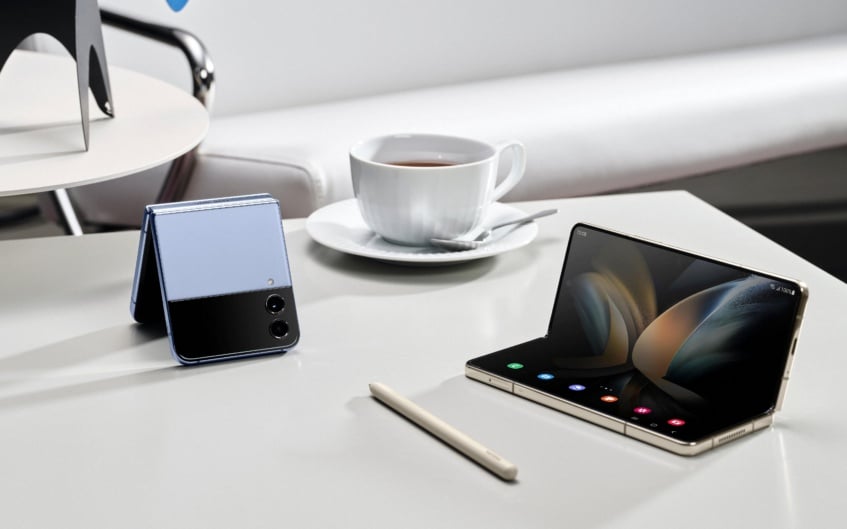
Surprisingly, it's not a major loss for many users. Unlike the Galaxy S Ultra series, the Fold never had a built-in S Pen slot. Buyers had to purchase the stylus separately, and usually needed a dedicated case to carry it.
The S Pen also worked only on the Fold's inner display, limiting features such as quickly jotting down notes without unfolding the phone.
Galaxy Z Flip 8 has a more powerful cover screen
With One UI 9, you can run more apps directly on Galaxy Z Flip 8's cover screen, customize widgets, use familiar swipe gestures, and quickly access notifications, Quick Settings, and other everyday tools without unfolding the device.
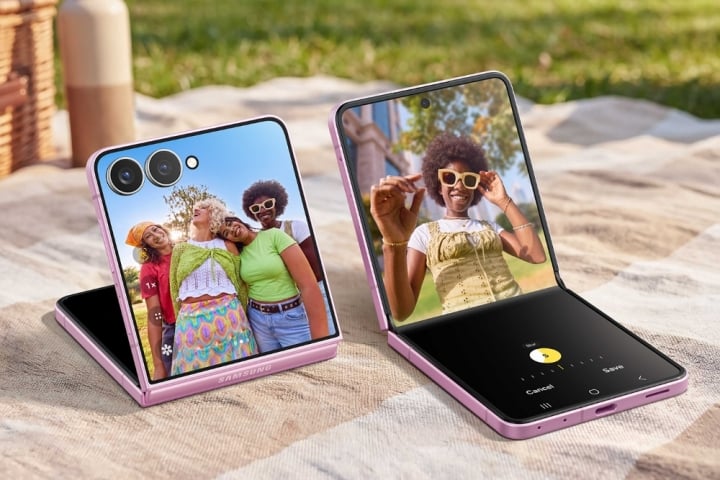
There's an upgraded camera system with a 50MP main sensor, improved image stabilization, and its latest ProVisual Engine processing for better photos and videos.
The cover screen remains a built-in viewfinder because the Flip folds shut. It's easier to take high-quality selfies with the rear cameras instead of relying on the front-facing camera.
Galaxy Watch 9 and Galaxy Watch Ultra 2 expand connected health
Meet the Galaxy Watch 9 and Galaxy Watch Ultra 2. The Galaxy Watch 9 introduces more detailed health tracking. It includes continuous vitals monitoring, a new heart health score that brings together multiple cardiovascular metrics, personalized running coaching that adapts to your fitness level, and a fitness index that measures your overall exercise readiness.
Samsung also expanded partnerships with Strava and iFit, allowing workout data and coaching to carry across those platforms. The Galaxy Watch Ultra 2 targets hikers, runners, cyclists, and divers. It has a larger battery, a brighter display for outdoor visibility, and a more durable design.
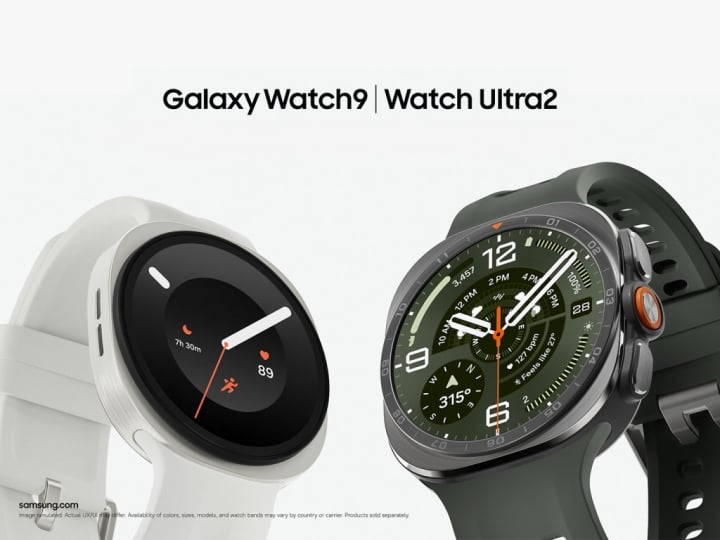
It also demonstrated route previews before you begin a workout, turn-by-turn navigation while you're moving, hydration guidance based on your activity, and advanced diving tools that track underwater depth and time.
Sleep apnea detection now offers deeper insights on supported Galaxy Watches, while the Galaxy Ring gains the ability to assess sleep apnea risk as well.
Connected services have expanded around security, finance, and more
Samsung Care Plus has received worldwide repair coverage, priority customer support, and lower repair costs for eligible devices. In One UI 9, there's a dedicated support hub where you can check your warranty status, run diagnostics, schedule repairs, track repair progress, and manage Care Plus subscriptions in one place.
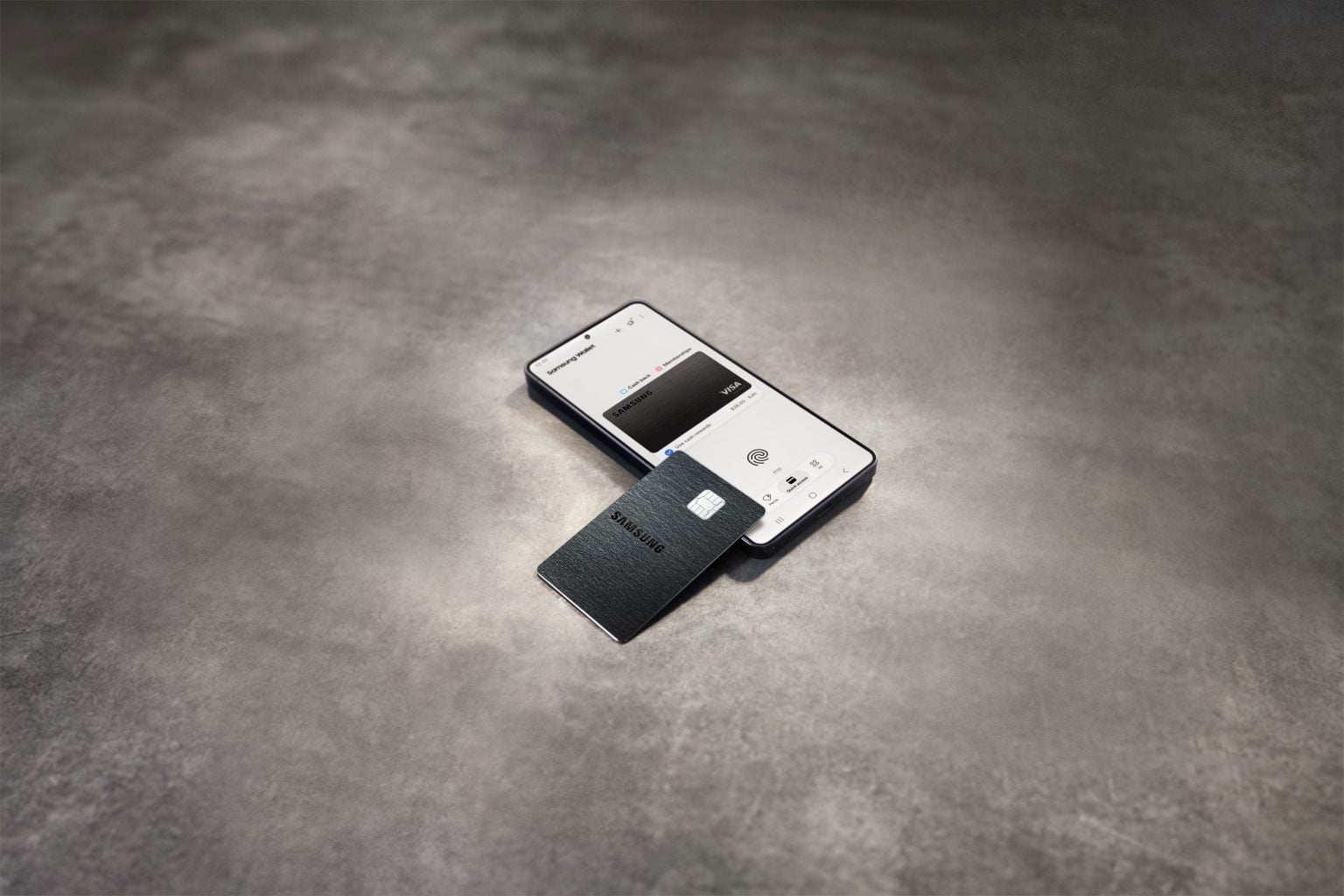
We also saw the new Galaxy Card launched in the US through a partnership with Barclays and Visa. There are plans to expand Wallet with support for stablecoins and other forms of digital value transfers.
According to Samsung, Galaxy devices should make it easier to move between platforms instead of locking users into its ecosystem. To support that goal, the company expands Quick Share to work across both Android and iOS, making file sharing available beyond Galaxy devices.
Google and Samsung pushed a more agentic Android experience
Google joined Samsung on stage to show how Gemini is becoming a bigger part of the Android experience. Gemini can now understand what's on your screen, interpret complex images, and complete tasks across multiple apps.
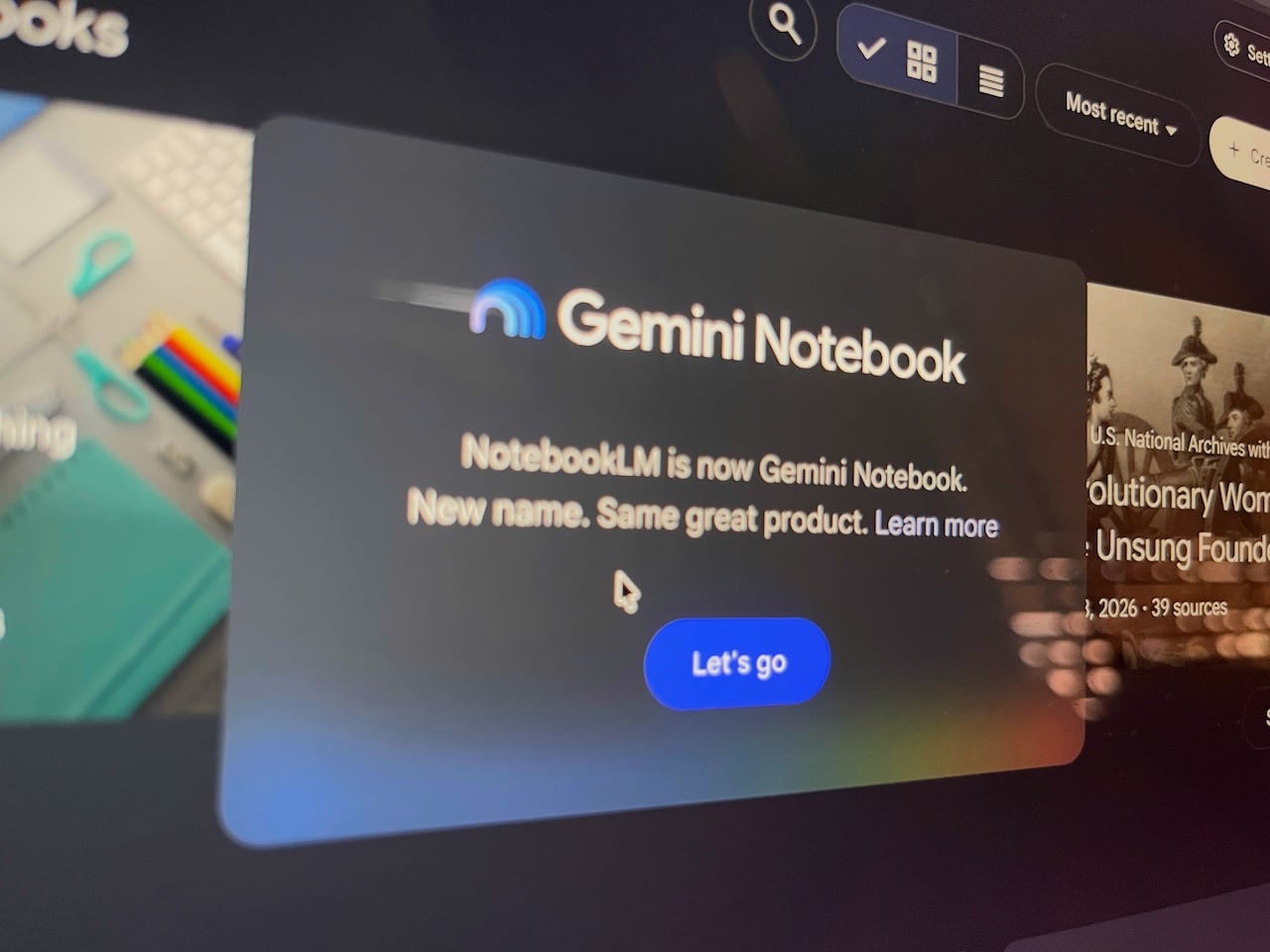
Samsung confirmed that its new Galaxy foldables ship with Gemini Notebook preinstalled and include six months of Google AI Pro, giving buyers immediate access to the latest AI features.
Qualcomm then explained the hardware powering many of these experiences. Snapdragon 8 Elite Gen 5 for Galaxy provides the processing power, graphics performance, and AI capabilities. Also introduced was the Snapdragon Wear Elite, which is the first chip in the new wearable platform to power Samsung Galaxy watches.
Meet the intelligent Galaxy glasses
The biggest announcement of the event was saved for last. Samsung introduced its AI-powered smart glasses. The company developed them with Google, Gentle Monster, and Warby Parker to combine the look of everyday glasses with built-in AI.
You can answer calls, control music, take photos, join video calls, look up information about objects you're seeing, review AI-generated meeting summaries, and even follow recipes while cooking.
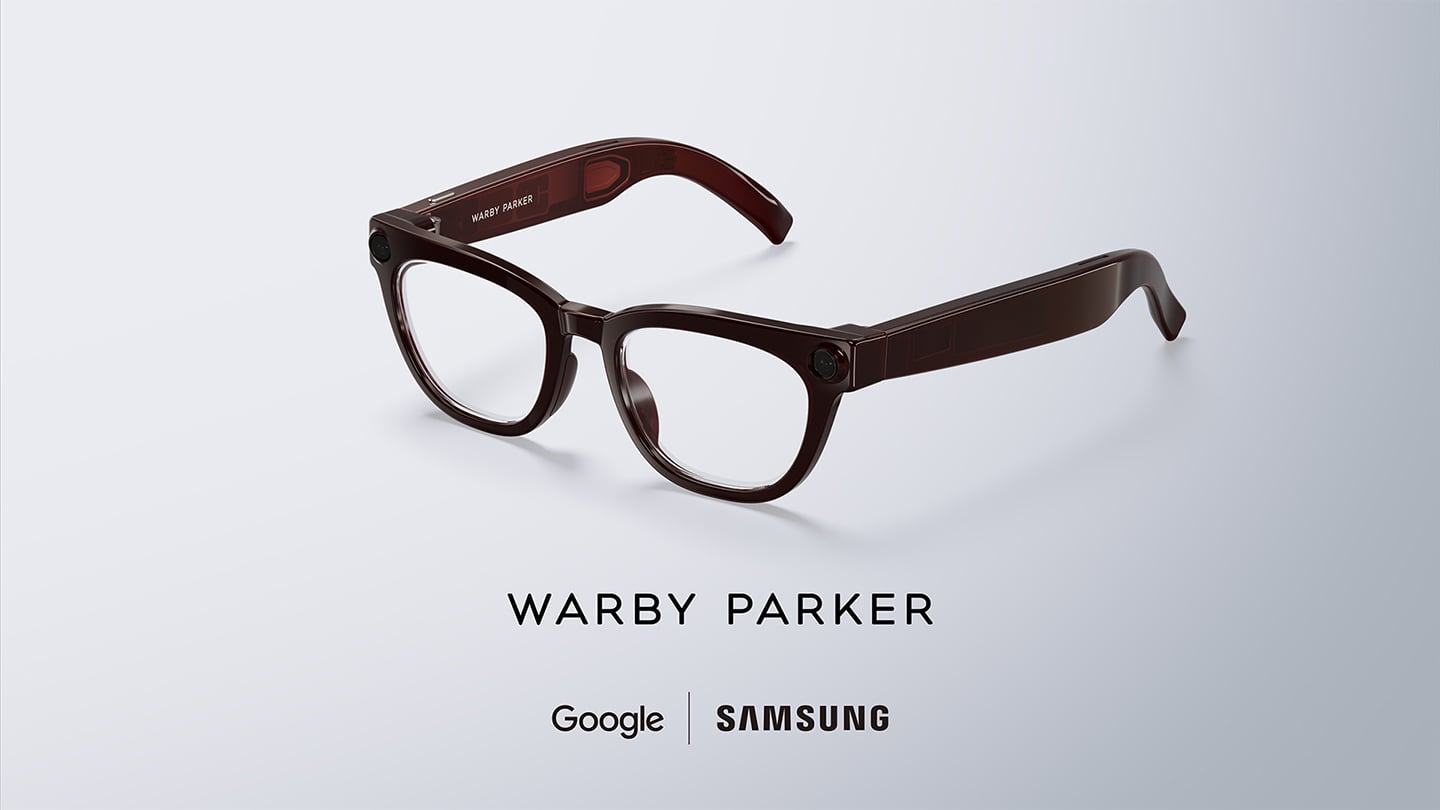
They also pair with Galaxy phones and Galaxy Watches to capture photos, control features across devices, and save content automatically.
Launch timing and pricing are set
With that, the Galaxy Unpacked 2026 has ended. Device prices have been confirmed and release dates. The Galaxy Z Fold 8 Ultra starts at $2,099, while the standard Galaxy Z Fold 8 starts at $1,899. Both foldables will be available August 7, with pre-orders already happening.
The Galaxy Z Flip 8 starts at $1,199, the Galaxy Watch 9 starts at $379, and the Galaxy Watch Ultra 2 starts at $699. The watches also go on sale August 7, and you can pre-order now.