



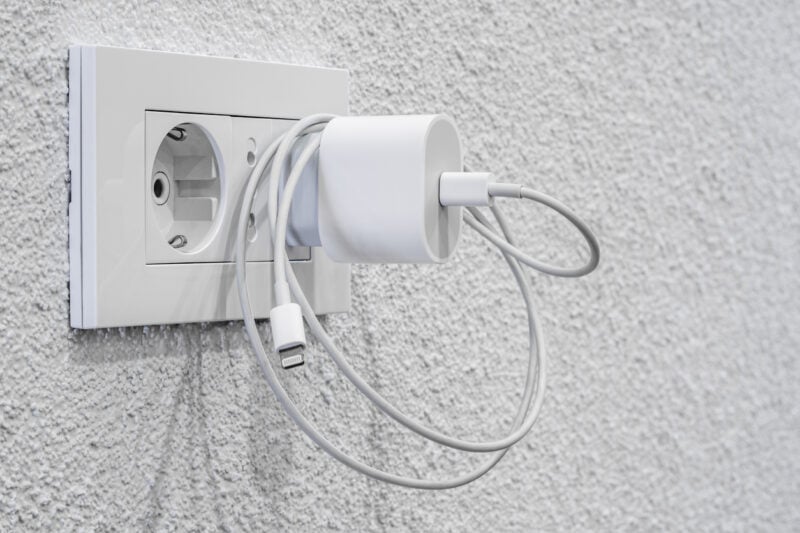
Your Charger: Often Overlooked, Occasionally Risky
These days, it’s second nature to unplug your phone but leave the charger behind in the socket. While this may look like a harmless shortcut, experts warn it can bring some unexpected risks. A charger left in the outlet—without any device attached—could overheat. In rare situations, this might even result in a fire. The chances of a serious incident are low, but simple preventive habits, like unplugging, can help keep your household safer.
The Cost to Your Finances and the Environment
Besides safety, leaving a charger plugged in with nothing attached uses electricity. Each charger’s energy draw on standby is small, but over a year it does add up. Multiply that by the number of unused chargers and outlets in a typical home, and it can start to make a difference on your bill and in total household energy waste. In a world where energy prices have climbed and the need to cut waste is urgent, even small steps like unplugging chargers can help make a home more efficient. It’s a small gesture for your wallet, and a meaningful one for the planet.
Shorter Lifespan for Your Charger
Keeping a charger always plugged in doesn’t just affect your electric bill and safety—it can wear out the charger, too. When left in the socket for no reason, the charger’s components are under constant, unnecessary strain, which may shorten its life or reduce its long-term efficiency. By unplugging it after each use, you help keep your accessories working longer and can delay having to buy replacements.
Building Better Charging Habits
Smart charger habits are part of using electricity responsibly. Try to unplug chargers and devices when not in use, avoid charging overnight when you can, use power strips with switches to make disconnecting easy, and keep an eye out for cables that are worn or damaged. Making these steps part of your daily routine helps create a safer, more energy-efficient home.
Remember: electrical safety often comes down to small, repeated actions. Unplug your phone charger when it’s not in use—your safety, your budget, and the environment will thank you. Start today, and encourage those around you to do the same.