


Television in the 1990s was a different business. Three or four networks still decided what America watched, a hit meant 20 million viewers on a Thursday night, and a sitcom could run 24 episodes a year on jokes that would get a writers' room fired today.
Some of these shows aged badly. Others were simply built for a world that no longer exists: before streaming, before social media, before the syndication market that paid for half of them collapsed. A few have been rebooted, and the reboots prove the point. The originals had to be rewritten almost from scratch.
Here are 25 shows from the decade that, for one reason or another, wouldn't get made the same way in 2026.
1. Friends (1994–2004)
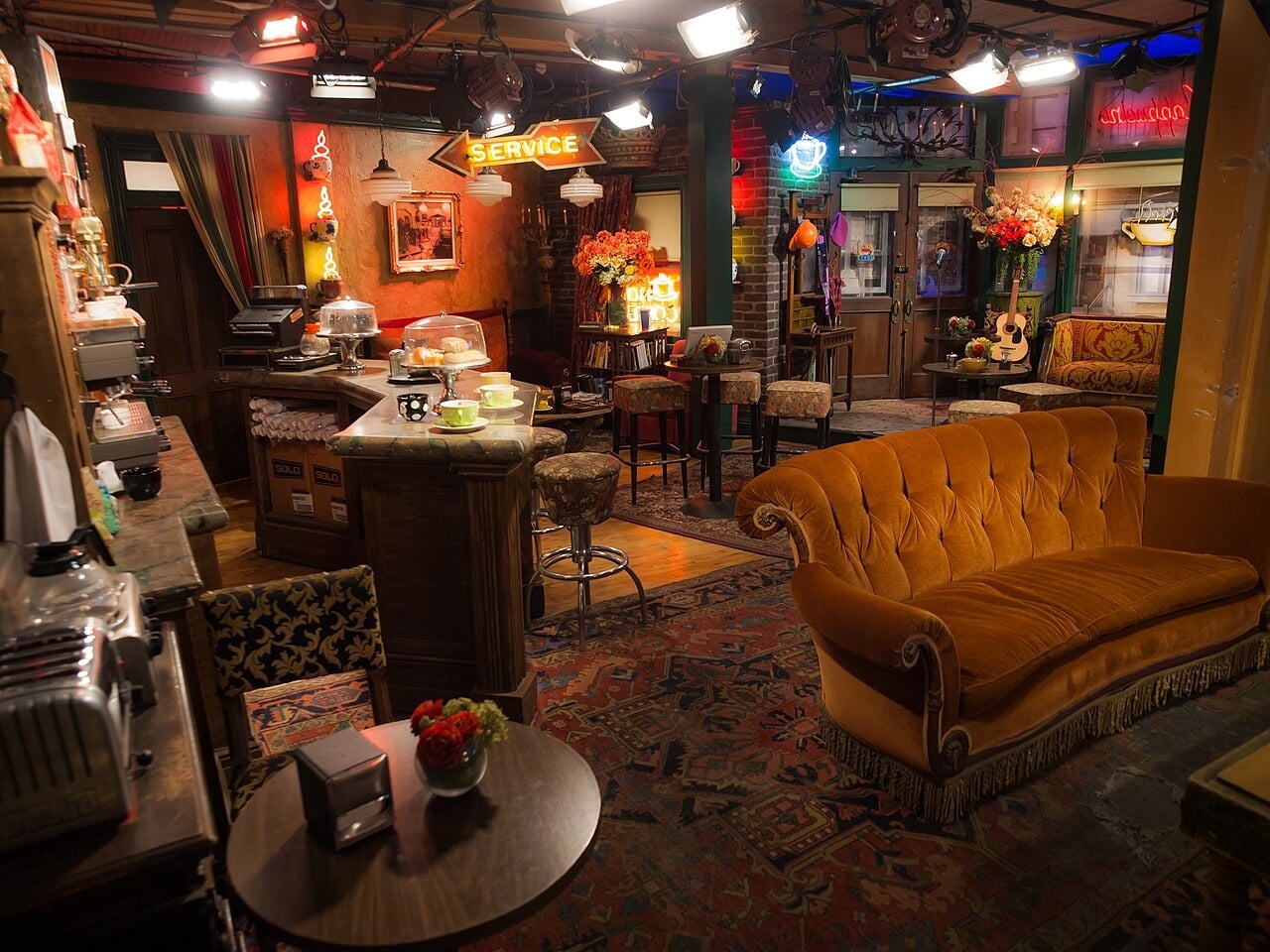
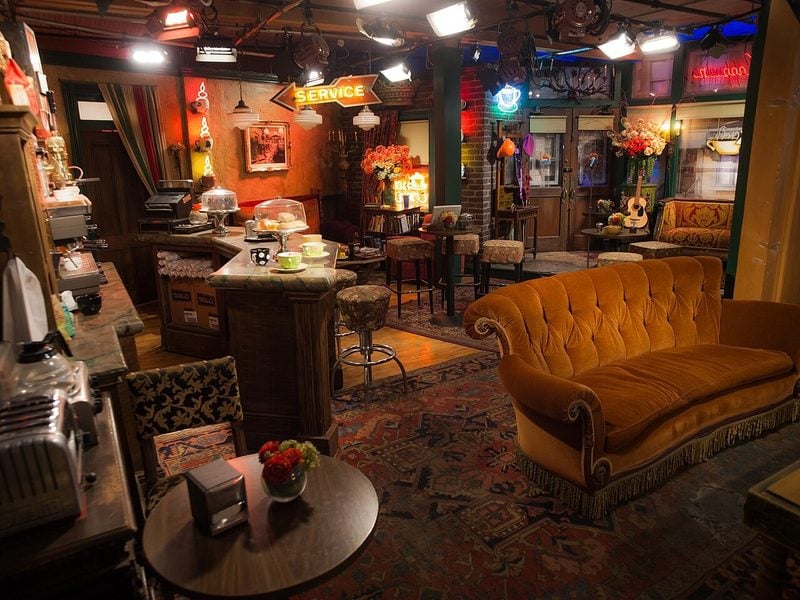
The biggest sitcom of the decade is also the one its own cast has spent the most time apologising for. The “Fat Monica” flashbacks, the running jokes about Chandler's father, and a Manhattan with almost no non-white speaking roles all drew criticism when the show hit Netflix in 2015.
The economics are just as dated. By the final season, NBC was paying roughly $10 million per episode, with each of the six leads on $1 million a show. No network pays that for a multi-camera comedy anymore.
2. Seinfeld (1989–1998)
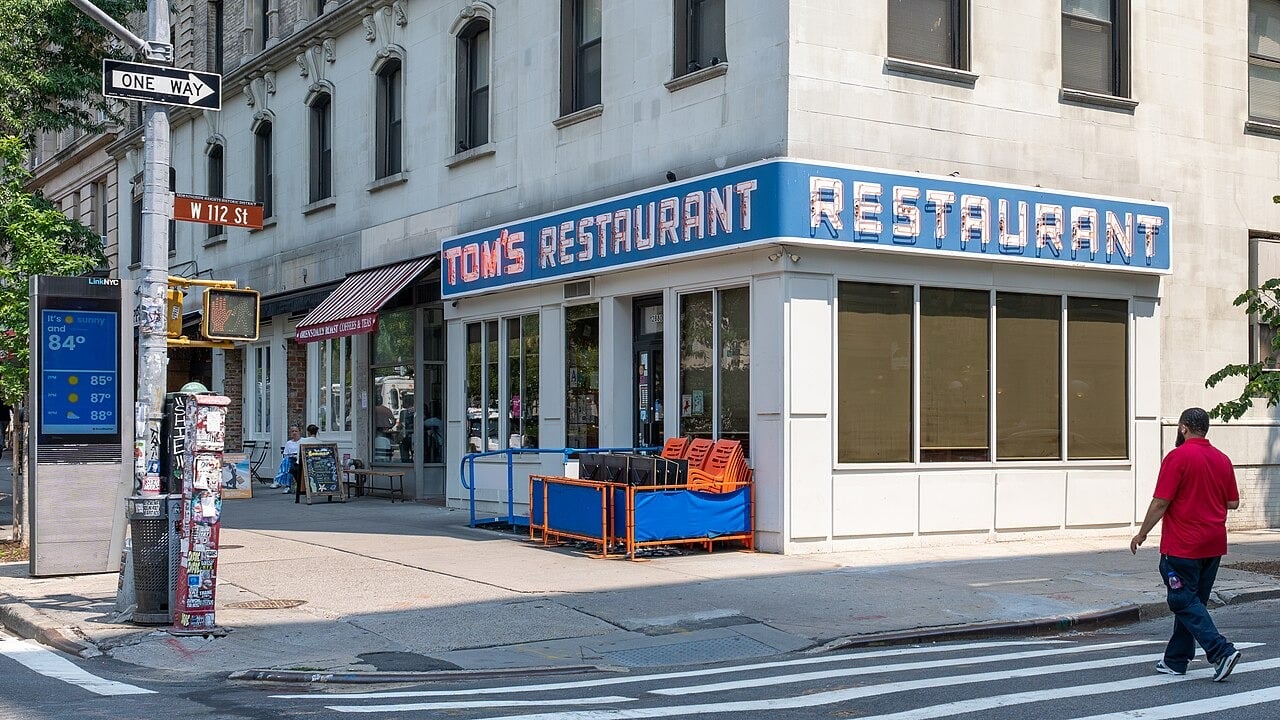
“No hugging, no learning” was the rule, and the show stuck to it through 180 episodes. The 1998 episode “The Puerto Rican Day” drew protests over a burning-flag scene and NBC kept it out of syndication for years. Jerry Seinfeld himself has said in interviews that today's climate makes it harder to do a show like Seinfeld.
3. Married… with Children (1987–1997)

Al Bundy was the anti-Cosby: a shoe salesman who hated his wife, his kids and his job, and said so every week. A Michigan mother named Terry Rakolta launched an advertiser boycott in 1989 over the show's sexual content. Fox kept it on air for 11 seasons anyway. A pilot like that would never survive a modern standards-and-practices review.
4. Home Improvement (1991–1999)

Tim Allen's grunting, tool-obsessed dad topped the ratings for most of the decade. The “Tool Time girl” role (Pamela Anderson, then Debbe Dunning) existed purely as decoration, and the show's whole premise was that men and women speak different languages. Allen's current sitcoms are built very differently.
5. Ally McBeal (1997–2002)

A law firm with a unisex bathroom, a dancing CGI baby and a lead character whose main plot was her love life. Time magazine put Ally on its 1998 “Is Feminism Dead?” cover. The workplace behaviour played for laughs, much of it from the firm's partners, would be an HR storyline today, not a punchline.
6. Sex and the City (1998–2004)

The original was radical for 1998 and dated by 2010. The 2021 revival, And Just Like That…, had to add new lead characters, retire Samantha and rebuild the show around how much the culture had moved. Even HBO couldn't make the 1998 version again, and it tried.
7. Dinosaurs (1991–1994)
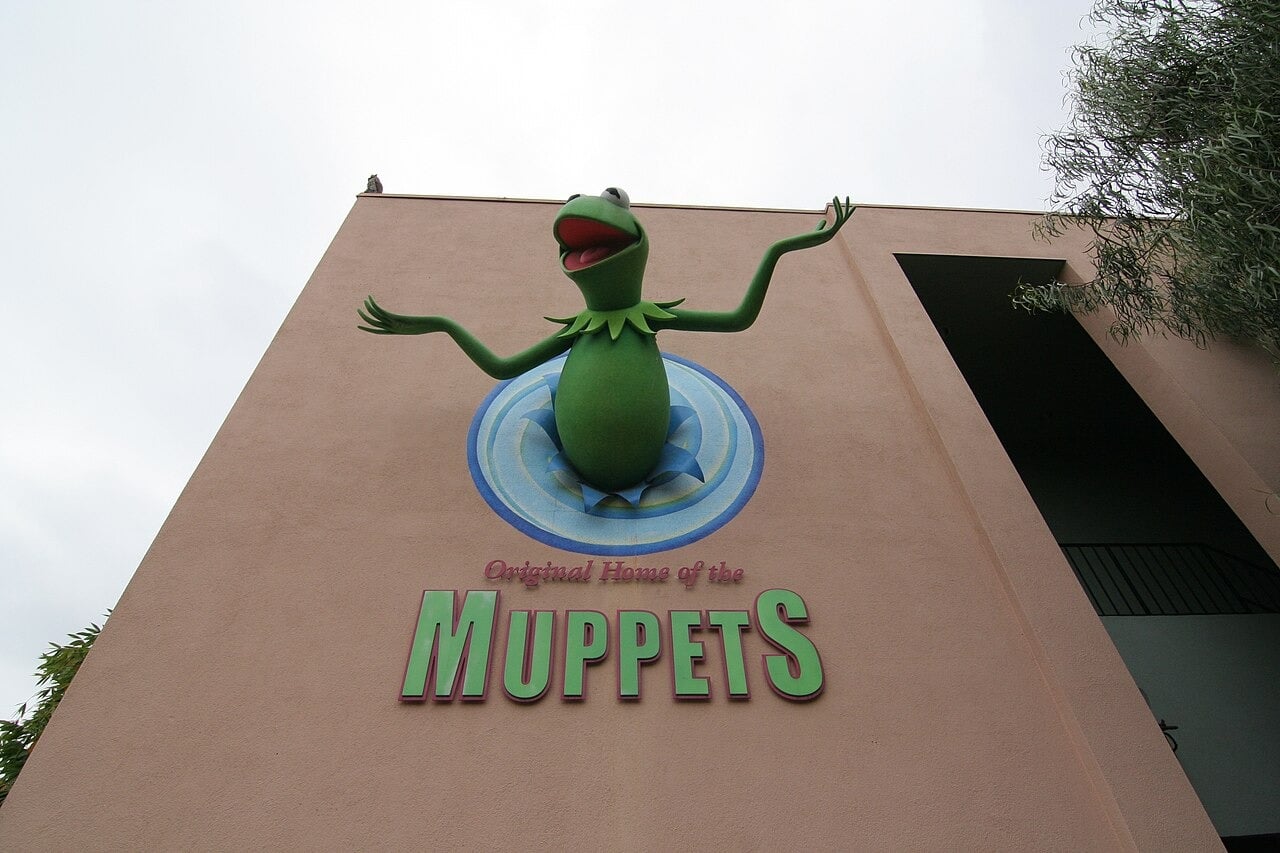
A full-body-puppet sitcom from Jim Henson's company, airing on ABC in prime time, that ended with the entire cast dying in an ice age caused by corporate greed. The finale, “Changing Nature”, still gets cited as the darkest ending in sitcom history. The budget alone would kill it today; the ending would kill it twice.
The dramas and teen shows
8. Beverly Hills, 90210 (1990–2000)
The show that invented the teen soap cast actors in their mid-to-late twenties as high-school sophomores. Gabrielle Carteris was 29 when she started playing 16-year-old Andrea. Modern teen shows still skew older than their characters, but not by 13 years.
9. Saved by the Bell (1989–1993)
Zack Morris broke the fourth wall, froze time, and got away with everything. The “I'm so excited” caffeine-pills episode is a meme now. The 2020 Peacock reboot kept the name and turned the original into the joke, which is the clearest sign a show can't be made straight anymore.
10. Dawson's Creek (1998–2003)
The first season's biggest storyline had 15-year-old Pacey in an affair with his English teacher, played as a romance. The WB aired it to teenagers in 1998. No streamer would touch that plot today without making it the subject of the show.
11. Baywatch (1989–2001)
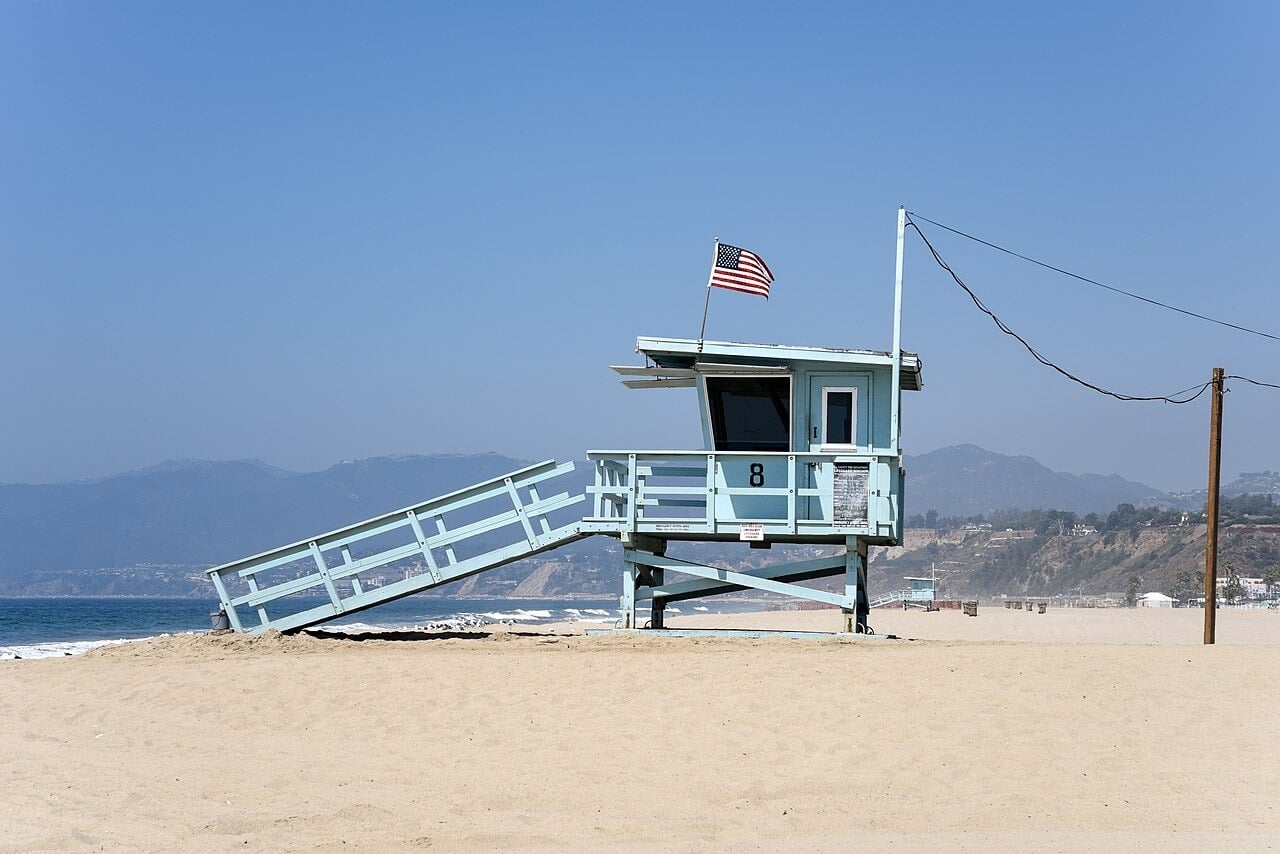
At its peak the show claimed over a billion weekly viewers worldwide, and nearly all of them were there for the slow-motion running. The 2017 film version could only exist as a parody of the original. The show as made, written around swimsuits with plots as an afterthought, would be laughed out of a pitch meeting.
12. ER (1994–2009)
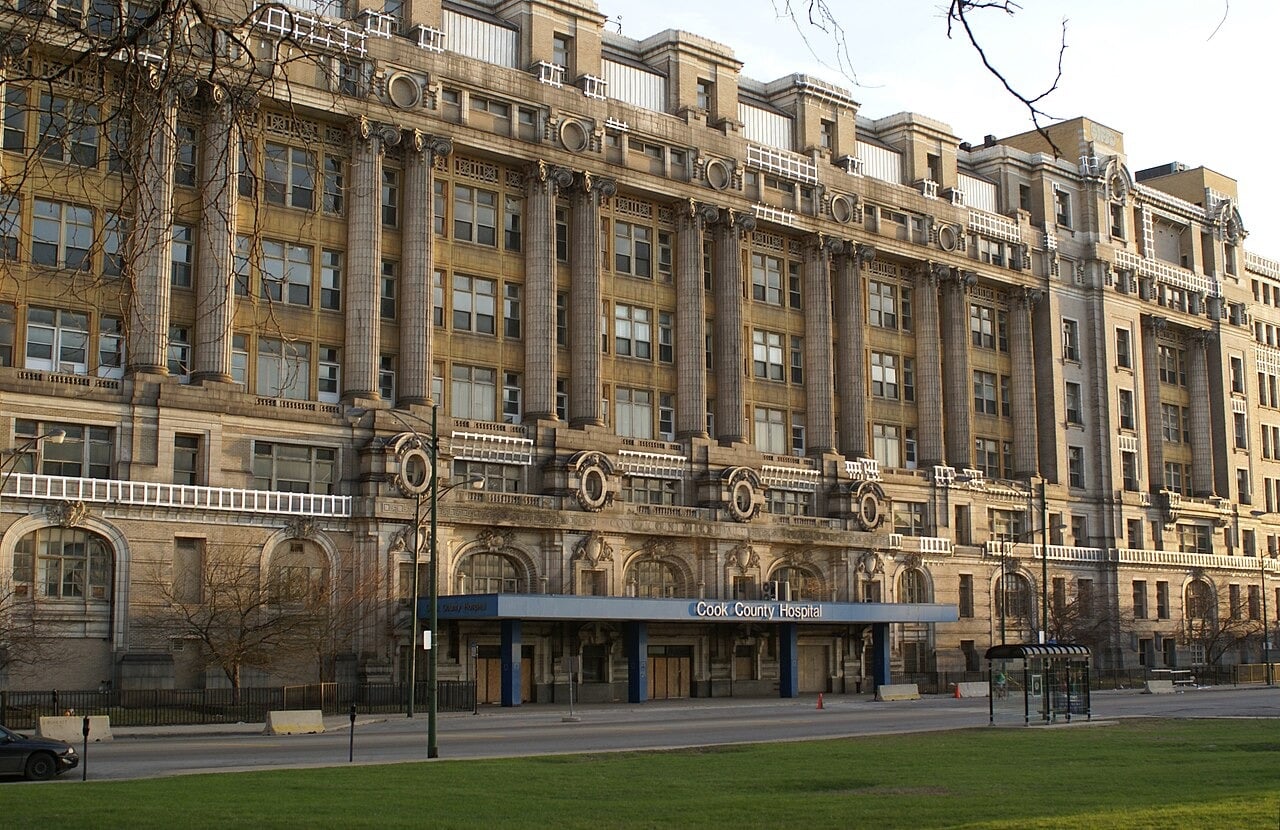
ER wasn't controversial; it was expensive in a way broadcast TV can't afford anymore. NBC paid Warner Bros. around $13 million per episode at the show's peak, for 22 episodes a year, and in 1997 it aired a live episode on the East and West coasts. Today's medical dramas run 10–13 episodes on a fraction of that.
13. Touched by an Angel (1994–2003)

An openly religious drama in CBS's top 10 for years, with angels delivering God's message in the last act of every episode. Faith-based content now lives on Angel Studios and Pure Flix; a broadcast network wouldn't schedule it in prime time.
14. Xena: Warrior Princess (1995–2001)
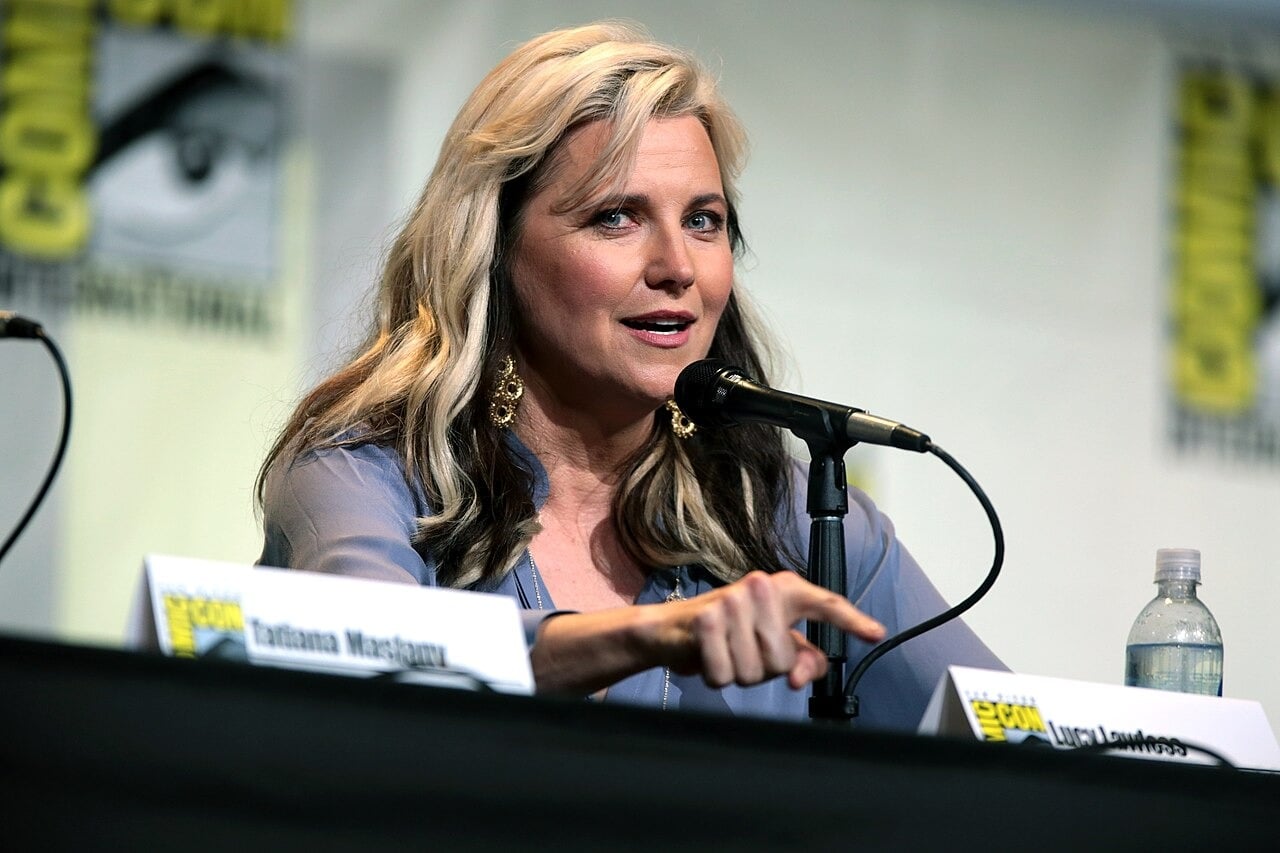
Xena was a first-run syndication hit: sold station by station, shot cheaply in New Zealand, and rated higher than its parent show Hercules. First-run syndication for scripted drama is dead. A show like this would now need a streamer, a bigger budget and a writers' room three times the size.
The cartoons
15. Beavis and Butt-Head (1993–1997)
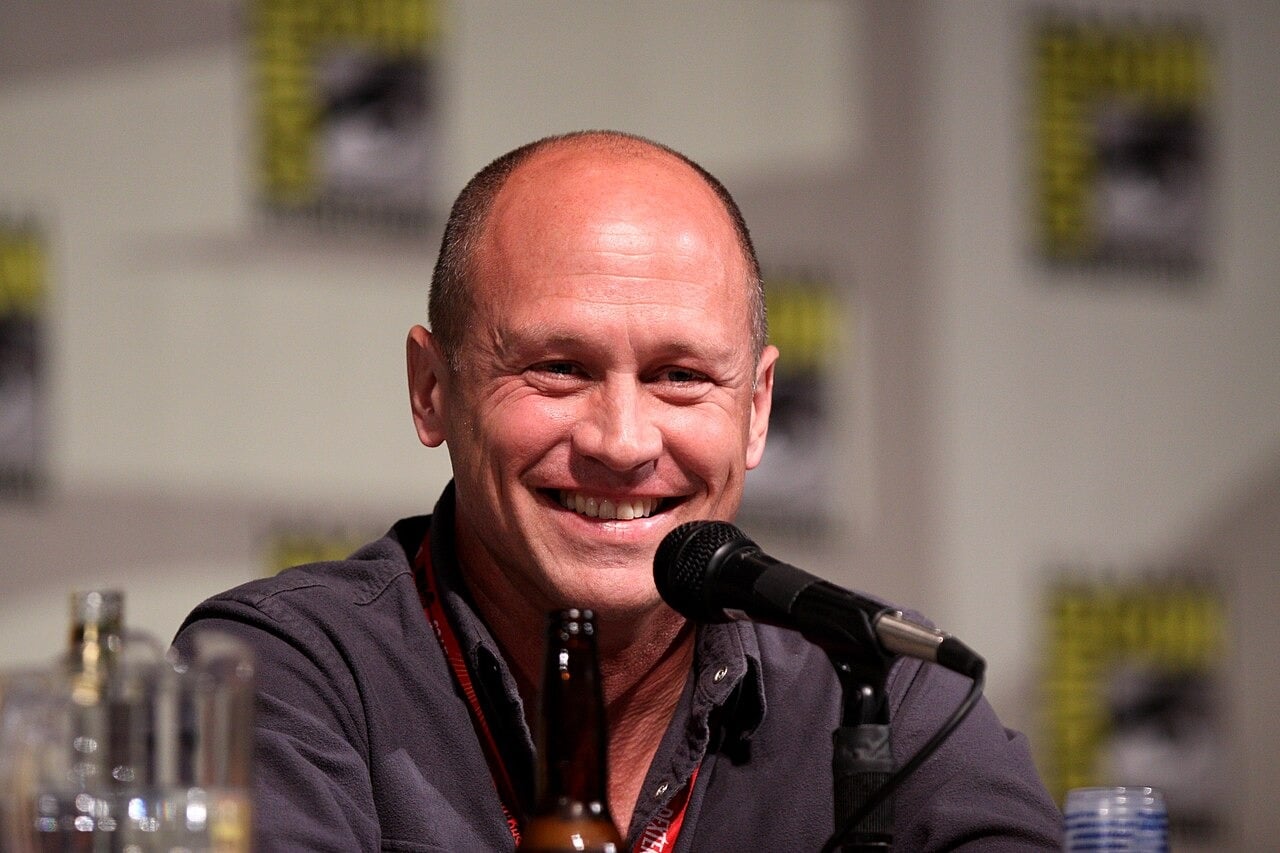
In 1993 an Ohio mother blamed the show after her five-year-old set a fire that killed his sister. MTV removed all references to fire, moved the show to a later slot and added a disclaimer. The 2022 Paramount+ revival exists, but it's aimed squarely at adults who watched the first time.
16. The Ren & Stimpy Show (1991–1995)

Nickelodeon fired creator John Kricfalusi in 1992 over content fights and missed deadlines, and later episodes were pulled or censored. The show was grotesque on purpose, in a Saturday-morning slot for kids. The 2003 adult revival on Spike lasted three episodes.
17. Rocko's Modern Life (1993–1996)

A kids' cartoon that snuck in an episode about Rocko working as a phone-sex operator (“Oh baby, oh baby”), a motel called the “No-Tell Motel” and a dog named Spunky. Standards departments at kids' networks now review every frame; most of these jokes never made it past the first airing even then.
18. Celebrity Deathmatch (1998–2002)

Claymation versions of real celebrities tore each other apart in a wrestling ring, every week, on MTV. The show relied on likeness rights nobody had signed off and gore levels that wouldn't pass today's MTV. A 2019 revival was announced and quietly dropped.
Reality, talk and sketch
19. The Jerry Springer Show (1991–2018)

Springer beat Oprah in the ratings in 1998 on a format of chair-throwing, affairs and brawls, with the audience chanting “Jerry! Jerry!” It ran 27 years, but by the end it was a relic. The daytime talk slot it dominated is now filled by panel shows and court TV.
20. Cops (1989–2020)

Cops was one of the longest-running shows in American TV history until Paramount Network cancelled it in June 2020 during the George Floyd protests. A&E dropped Live PD the same week. Cops was later revived for Fox Nation, but the broadcast version, ride-alongs edited to make police look good with suspects' faces unblurred, is gone.
21. The Man Show (1999–2004)

Jimmy Kimmel and Adam Carolla hosted a show that ended every episode with “Girls Jumping on Trampolines”, featured the “Juggy Dance Squad” and existed to mock everything feminism had achieved. Kimmel has called it a product of its time. Comedy Central would not air the pilot today.
22. In Living Color (1990–1994)
The Wayans family's sketch show launched Jim Carrey and Jamie Foxx and gave Fox its first real hit. Sketches like “Men on Film” and Homey D. Clown wouldn't survive a modern network's review, which is a loss and a gain depending on who you ask. Keenen Ivory Wayans has said he left after Fox started interfering with the content.
23. Blind Date (1999–2006)

Two strangers went on a date while producers added mocking thought bubbles and pop-up captions over the footage. The format is pure 1999: cheap, mean and syndicated. Dating shows now cost millions, have therapists on set and run on Netflix.
24. Politically Incorrect (1993–2002)

Bill Maher's panel show put comedians, politicians and celebrities around one table on ABC at 12:05am. It ended after advertisers pulled out over his comments on the September 11 attacks. Maher moved to HBO, where the format survives, but a broadcast network wouldn't give a show like it that slot again.
25. Total Request Live (1998–2008)
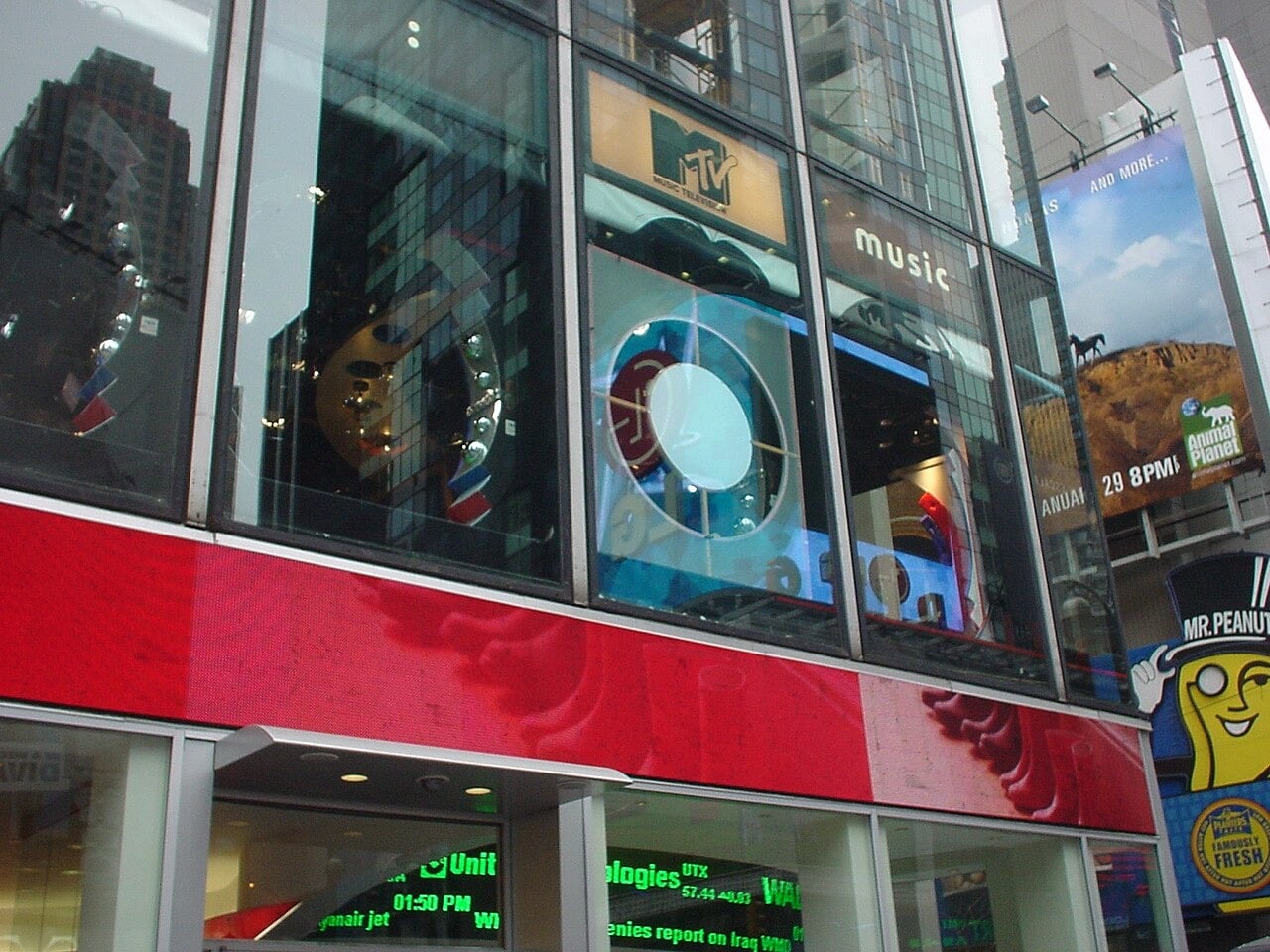
TRL was a daily countdown of music videos, voted on by phone and broadcast live from a Times Square studio with fans screaming outside. YouTube launched in 2005 and that was the end of it. MTV tried a revival in 2017; it lasted two seasons.
Did You Know? The 1998 Seinfeld finale drew 76 million viewers. No scripted series finale since Friends in 2004 (about 52 million) has come close.
The 25 at a glance
| Show | Years | Network | Why it couldn't be made today |
|---|---|---|---|
| Friends | 1994–2004 | NBC | Dated jokes, $10M-per-episode sitcom economics |
| Seinfeld | 1989–1998 | NBC | “Puerto Rican Day” pulled; creator says the climate has changed |
| Married… with Children | 1987–1997 | Fox | Advertiser boycott in 1989; wouldn't pass standards now |
| Home Improvement | 1991–1999 | ABC | “Tool Time girl” and the men-vs-women premise |
| Ally McBeal | 1997–2002 | Fox | Workplace harassment as comedy |
| Sex and the City | 1998–2004 | HBO | Revival had to rebuild the show from scratch |
| Dinosaurs | 1991–1994 | ABC | Puppet budget; extinction finale |
| Beverly Hills, 90210 | 1990–2000 | Fox | Actors a decade older than their characters |
| Saved by the Bell | 1989–1993 | NBC | Reboot treats the original as a joke |
| Dawson's Creek | 1998–2003 | The WB | Teacher–student affair played as romance |
| Baywatch | 1989–2001 | Syndication | Film version could only be a parody |
| ER | 1994–2009 | NBC | $13M per episode, 22 episodes a year, live broadcasts |
| Touched by an Angel | 1994–2003 | CBS | Overtly religious prime-time drama |
| Xena: Warrior Princess | 1995–2001 | Syndication | First-run syndication is dead |
| Beavis and Butt-Head | 1993–1997 | MTV | 1993 fire controversy; now adults-only |
| The Ren & Stimpy Show | 1991–1995 | Nickelodeon | Creator fired; episodes pulled |
| Rocko's Modern Life | 1993–1996 | Nickelodeon | Adult jokes in a kids' slot |
| Celebrity Deathmatch | 1998–2002 | MTV | Likeness rights and gore |
| The Jerry Springer Show | 1991–2018 | Syndication | Brawl format; daytime slot gone |
| Cops | 1989–2020 | Fox / Paramount | Cancelled in 2020 protests |
| The Man Show | 1999–2004 | Comedy Central | Hosts call it a product of its time |
| In Living Color | 1990–1994 | Fox | Sketches wouldn't clear network review |
| Blind Date | 1999–2006 | Syndication | Cheap, mean, syndicated |
| Politically Incorrect | 1993–2002 | ABC | Advertisers pulled out after 9/11 comments |
| Total Request Live | 1998–2008 | MTV | YouTube killed the format |
The Bottom Line
The 90s weren't just a different culture; they were a different industry. Syndication paid for Xena, Baywatch and Springer. Network budgets paid for ER and Friends. Lax standards departments let Married… with Children and The Man Show on air. All three of those pillars are gone.
That's why reboots keep failing or reinventing themselves: Saved by the Bell became satire, Sex and the City became a different show, and TRL lasted two seasons. The originals belong to a decade that isn't coming back.
Card image (black square, white title, small serif list cut off): 25 90s Shows That Could Never Be Made Today · #25. Total Request Live · #24. Politically Incorrect · #23. Blind Date · #22. In Living Color…